














Best Chemical Free Face Creams for Sensitive Skin
If you’ve tried dozens of moisturizers that promise gentle care but still leave your skin red, you’re not alone. The market is flooded with “clean” claims, yet only a handful truly avoid every synthetic irritant. Below is a concise shortlist of the best chemical‑free face creams for sensitive skin, plus a quick guide to pick the right one for you.
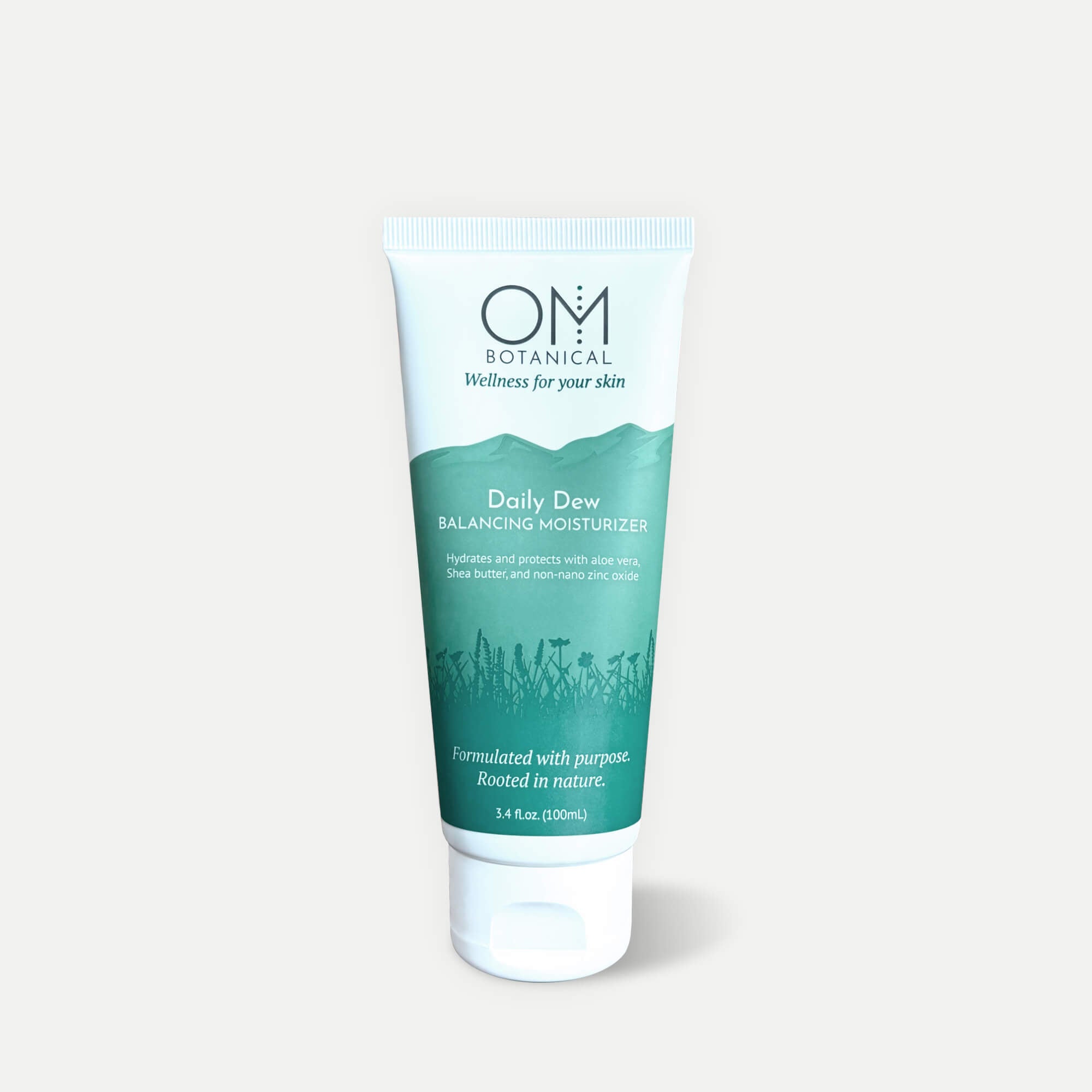
1. OM Botanical Plant-based Ayurvedic Skincare (Our Top Pick) , Food‑Grade, Microbiome‑Friendly
OM Botanical’s Nourishing Moisturizer is a food‑grade, whole‑plant formula that supports the skin’s natural microbiome. It blends Ayurvedic herbs with modern molecular biology, so every ingredient is safe enough to eat. The cream is ideal for anyone with reactive or allergy‑prone skin because it contains no fragrance, parabens, or synthetic preservatives.
Why it earns the top spot: the brand lists every component on the label, offering full transparency. It uses cold‑pressed oils, adaptogenic herbs, and plant‑derived peptides that nourish without stripping the barrier. The product is both chemical‑free and microbiome‑friendly, a rare combination in today’s market.
Caveat: the texture is richer than a gel, so very oily skin types might prefer a lighter option.
2. Vanicream Daily Facial Moisturizer , Minimalist Clean Formula
Vanicream creates a simple 19‑ingredient blend that avoids common irritants such as dyes, fragrance, lanolin, parabens, and formaldehyde releasers. The brand’s focus on sensitive skin means the formula feels light yet hydrating.
Who it helps: people who want a straightforward moisturizer without a long ingredient list. It includes squalane, glycerin, hyaluronic acid, and ceramides, which lock in moisture while keeping the skin calm.
The minimalist approach reduces the risk of hidden allergens. However, Vanicream does not claim microbiome‑friendliness, so it may not support the skin’s bacterial balance as fully as OM Botanical does.
Pair it with a gentle cleanser for a balanced routine. Try our Clarifying Enzyme Cleanser for Balanced + Glowing Skin to keep the barrier clean without harsh surfactants.
3. Cocokind Texture Smoothing Cream , Ceramide‑Rich, Light‑Touch Finish
Cocokind’s cream packs ceramides, niacinamide, and willowherb into a short, readable ingredient list. The formula smooths texture and strengthens the barrier without heavy oils.
Best for: those who need a light, non‑greasy finish but still want barrier repair. The ceramides act like bricks in the skin wall, while niacinamide helps even tone.
It avoids synthetic fragrance and PEGs, making it a safe pick for many sensitivities. The trade‑off is that it does not carry a microbiome‑friendly label.
If you enjoy brightening, check out our Skin Glow serum, which works well under this cream.
4. OSEA Atmosphere Protection Cream , Seaweed‑Based Antioxidant Shield
OSEA’s cream uses algae extract, shea butter, and macadamia oil to create an antioxidant shield. The seaweed‑derived ingredients help neutralize free radicals that can inflame sensitive skin.
Who benefits: people who want a moisturizing cream that also offers UV‑friendly antioxidant protection. The formula is free of parabens, sulfates, and synthetic fragrance.
It absorbs quickly and layers well under makeup or sunscreen. The downside is that it does not list itself as microbiome‑friendly, so the bacterial ecosystem may not get extra support.
Our Brightening Peptide Cream for Sensitive + Aging Skin offers a similar antioxidant profile with added peptide support.
5. Organic Tallow Face Balm – Deep Nourishment
This balm combines grass‑fed organic tallow with olive oil to mirror the skin’s natural sebum, delivering lasting hydration that feels like a second skin.
Ideal for very dry or compromised skin barriers. It is formulated without parabens, synthetic fragrances, or harsh preservatives.
Because of its rich texture, it may be too heavy for oily or combination skin types.
Boost the calming effect by adding a few drops of our Vitamin B3 Serum, which helps regulate redness.
How to Choose a Chemical‑Free Face Cream
The short answer: look for a product that avoids all synthetic irritants, supports the skin barrier, and, if possible, nurtures the microbiome.
First, read the full INCI list. Any mention of fragrance, parabens, phenoxyethanol, or sulfates should be a red flag. Second, check if the brand states the formula is microbiome‑friendly. The skin’s microbiome is the community of microbes that live on the surface of the skin (Wikipedia), and it thrives on food‑grade, non‑preservative ingredients.
Third, consider barrier support. A healthy barrier prevents water loss and blocks irritants (NIH). Look for ceramides, hyaluronic acid, or plant‑derived lipids that reinforce this layer.
Finally, match texture to your climate and skin type. Light gels suit humid summers; richer creams work best in dry winters. Patch test any new cream on the inner forearm for 48 hours before full‑face use.
Quick Comparison Table
For an easy two‑step routine that pairs a clean cleanser with a supportive moisturizer, see our Basic Face Care Duo.
FAQ
Is a chemical‑free face cream really free of all chemicals?
Yes, in this context it means the product contains no synthetic fragrances, dyes, parabens, sulfates, or other common irritants that are listed on ingredient labels. Natural ingredients are still chemicals, but they are plant‑derived and safe for skin.
Can a chemical‑free cream still cause breakouts?
It can, if the formula includes comedogenic oils or if your skin reacts to a specific botanical. Choose a non‑comedogenic option and patch test before full use.
How does microbiome‑friendly differ from regular clean beauty?
Microbiome‑friendly products avoid preservatives and surfactants that disrupt the skin’s good bacteria. They also include prebiotic fibers or food‑grade botanicals that feed those microbes.
Do I need a separate serum if I use a chemical‑free moisturizer?
Not necessarily. Many of the listed creams contain humectants and barrier lipids that cover most needs. Add a serum only if you target a specific concern like hyperpigmentation.
Will a chemical‑free cream work for acne‑prone skin?
Yes, as long as the formula is non‑comedogenic and free of heavy oils. Look for ingredients like niacinamide or zinc that calm inflammation without clogging pores.
Conclusion
For truly safe, skin‑supporting hydration, OM Botanical’s Nourishing Moisturizer stands out as the only product that checks both the chemical‑free and microbiome‑friendly boxes. Pick the one that matches your texture preference and give it a week of consistent use to see the difference.
Share