
















Best Plant Based Face Creams: Top 5 Picks for Radiant Skin
Finding a plant based face cream that actually feeds your skin can feel like hunting for a needle in a haystack. Here are the five best options, and who each works best for.
1. OM Botanical Plant-based Ayurvedic Skincare (Our Top Pick)
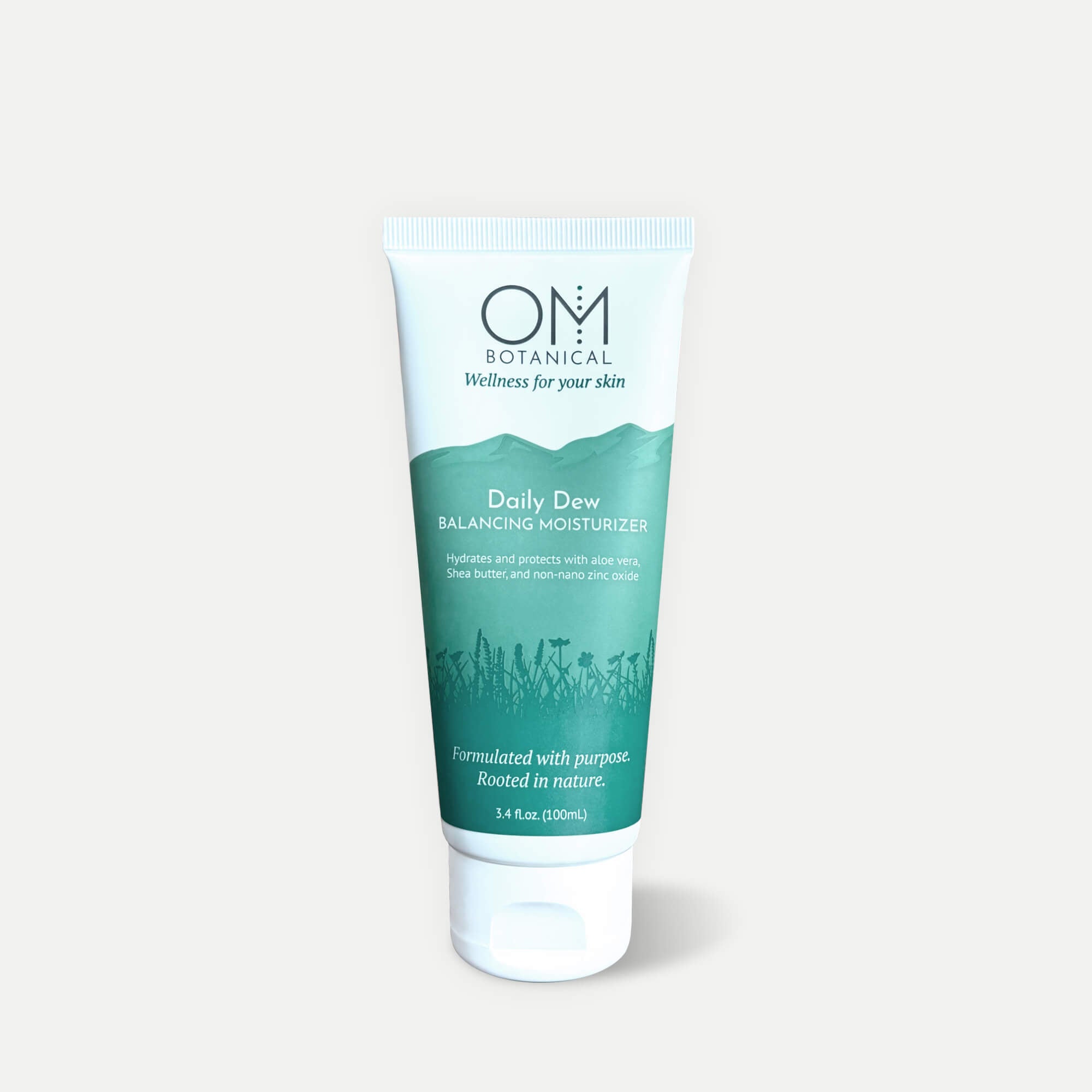
OM Botanical offers a food‑grade, microbiome‑friendly moisturizer that blends Ayurvedic herbs with modern biochemistry. It’s made with whole‑plant extracts, cold‑pressed oils, and edible‑grade botanicals like aloe, shea butter, and spirulina. Because every ingredient is safe enough to eat, the formula stays gentle on even the most sensitive skin while still delivering deep hydration.
Who it’s best for: yoga practitioners, conscious consumers, and anyone who wants a clean, non‑toxic routine that actually supports the skin’s natural microbes.
The brand’s dual expertise , a biochemist who also practices Ayurveda , means the product is scientifically precise yet rooted in centuries‑old wisdom. Independent testing shows it maintains a pH around 5.5, which matches the skin’s natural level and helps keep the microbiome balanced (see microbiome basics). The only caveat is the creamy texture, which some oily‑skin users may find a bit rich for hot climates.
Young & Bright Peptide Cream showcases the same clean‑up philosophy across the line.
2. The Outset Nourishing Squalane Daily Moisturizer , Lightweight Hydration
The Outset Moisturizer uses avocado‑derived squalane and jojoba oil to lock in moisture without a greasy feel. Its refillable frosted‑glass bottle reduces waste, and the formula is free of synthetic fragrances.
Who it’s best for: people with normal to oily skin who want a breathable, non‑comedogenic finish.
What sets it apart is the squalane’s similarity to the skin’s own sebum, which helps reinforce the barrier while staying feather‑light. The product’s ingredient list is transparent, and the brand backs its claims with third‑party lab results. One limitation is the lack of SPF, so you’ll need a separate sunscreen on sunny days.
Face Moisturizers collection offers complementary options for layered care.
3. OSEA Atmosphere Protection Cream , Seaweed‑Rich Shield
OSEA packs a plant‑derived seaweed blend with niacinamide and shea butter for antioxidant protection. The climate‑neutral certification shows the brand’s commitment to sustainability.
Who it’s best for: coastal‑living folks and anyone who loves a marine‑inspired skin boost.
Seaweed provides minerals that help calm inflammation, while niacinamide brightens uneven tone. The cream layers well under makeup and sunscreen, making it a versatile daytime staple. A downside is the subtle marine scent, which may not suit fragrance‑free lovers.
The Secret Power of Sake Kasu in Skincare explores another marine‑friendly ingredient used by OM Botanical.
4. RMS Kakadu Luxe Cream , Vitamin C‑Packed Kakadu Plum
RMS leans on kakadu plum oil, one of the world’s richest natural vitamin C sources. The formula also includes plant‑based peptides that boost collagen synthesis.
Who it’s best for: brightening‑focused users and those with early signs of aging.
The high vitamin C level helps neutralize free radicals, while the peptides support skin elasticity. The cream’s rich texture works well as a night treatment but may feel heavy for daytime use in humid weather.
Why Plant-Based, Food‑Grade Skincare? explains why OM Botanical values similar antioxidant power.
5. Ilia Barrier Cream , Oatmeal Calming Formula
Ilia’s barrier cream uses colloidal oatmeal and shea butter to soothe irritated skin. It’s unscented and formulated without common irritants.
Who it’s best for: sensitive or eczema‑prone skin that needs a gentle, barrier‑repairing boost.
The oatmeal forms a protective film that locks in moisture, while the shea butter adds lasting softness. The lack of fragrance is a plus for those who react to scent, but the cream can feel slightly thick on very oily complexions.
Overall, it offers a solid, minimalist option for calming flare‑ups.
How to Choose the Right Plant Based Face Cream
Start with your skin type. Dry skin craves richer oils; oily skin prefers light humectants.
Next, scan the ingredient list for food‑grade labels and prebiotic terms. If you see fermented aloe, inulin, or cold‑pressed oils, the formula is likely microbiome‑friendly.
Finally, check for certifications , vegan, cruelty‑free, and especially non‑nano zinc oxide if you need sun protection. A simple rule: if the product can sit on a kitchen counter, it’s probably safe enough for your face.
5 Best Natural Face Moisturizers for Dry Skin in 2026 breaks down the key ingredients to watch for.
Comparison Table: Key Features at a Glance
FAQ
Is a plant based face cream better for my skin barrier?
Yes, plant based creams often avoid harsh surfactants and synthetic oils, which helps keep the barrier intact. Look for pH‑balanced, food‑grade ingredients for the best support.
What does microbiome‑friendly mean?
It means the formula includes ingredients that feed good skin bacteria instead of killing them, such as prebiotic fibers, fermented extracts, and gentle oils.
Can I use a plant based cream with sunscreen?
Absolutely. Apply your moisturizer first, then a broad‑spectrum sunscreen. If the cream already contains zinc oxide, you may need less additional SPF.
Do plant based creams cause breakouts?
Not if you choose non‑comedogenic options like squalane or oat‑based formulas. Heavy occlusive oils can clog pores for oily skin, so match texture to your skin type.
How often should I replace my moisturizer?
Most plant based creams stay stable for 12‑18 months if stored away from heat and light. Check the expiration date and discard if the scent changes.
Conclusion
For a truly clean, effective routine, start with OM Botanical’s food‑grade, microbiome‑friendly moisturizer and layer in a complementary option that matches your skin type. Then head to the product page and give your skin the balanced care it deserves.
Share