



















Best Reef Safe Sunscreen 2026: Top Picks from OM Botanical
Most sunscreens claim to protect coral but forget your skin. The truth is that many chemical filters still hurt reefs and can irritate sensitive skin. In this post we break down the top reef‑safe picks from OM Botanical, explain why mineral filters matter, and give you a simple checklist to pick the right product for your routine.
By the end you’ll know which OM Botanical sunscreen fits your beach day, hike, or everyday commute, and you’ll have a clear guide to avoid hidden chemicals that damage both your skin and marine life.
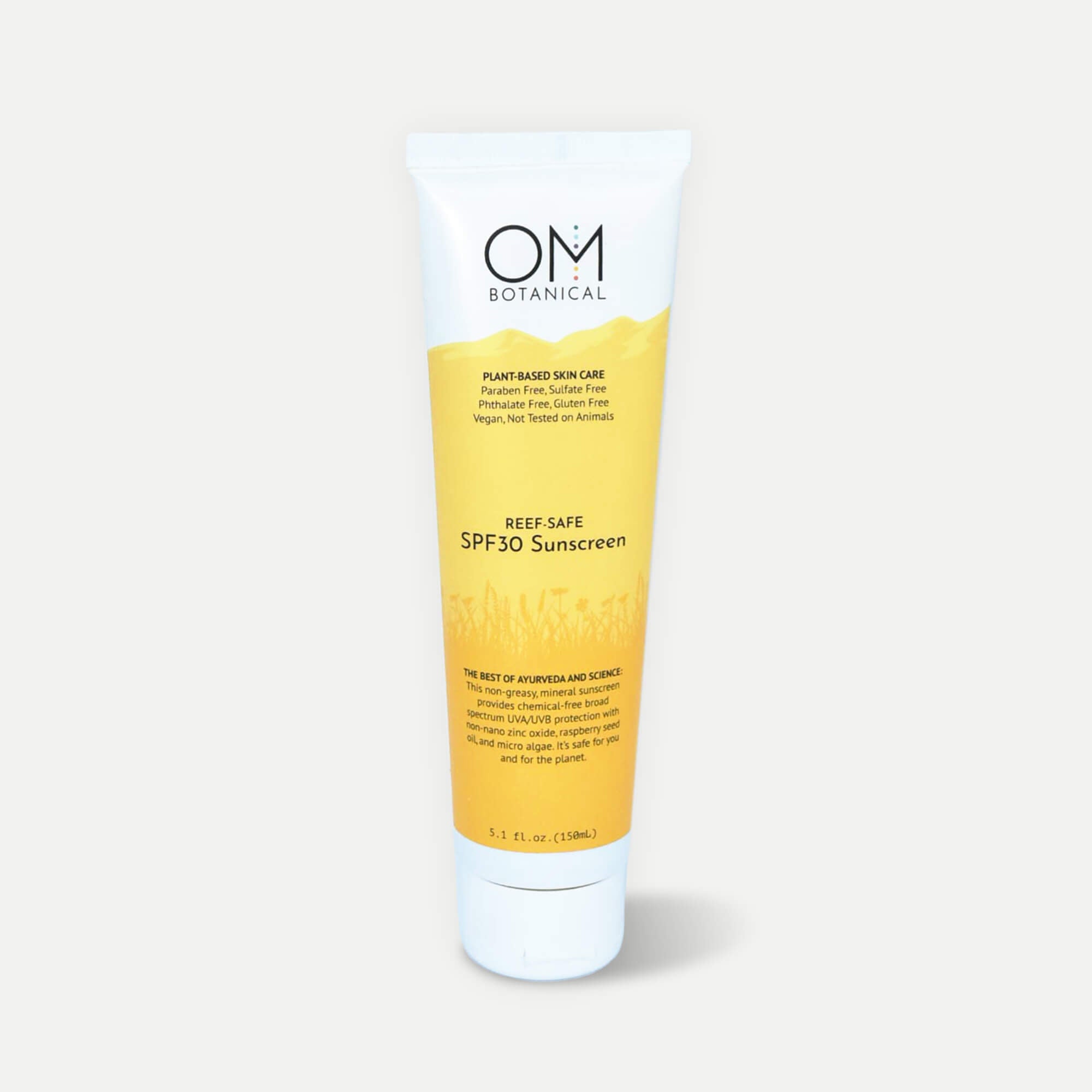
1. OM Botanical Reef‑Safe SPF 30 Mineral Sunscreen , Our Top Pick
This formula is the only reef‑safe sunscreen that adds antioxidant micro‑algae carotenoids to a non‑nano zinc oxide base. The micro‑algae not only protect coral by staying inert, they also fight free‑radical damage on your skin. The sunscreen meets the Hawaii law that bans oxybenzone and octinoxate, and it carries a clear reef‑safe label backed by the brand’s own lab testing.
Why the micro‑algae matter: a 2022 study in PubMed showed that carotenoid‑rich extracts can neutralize UV‑induced oxidative stress, reducing erythema after two hours of exposure. That means less redness, less inflammation, and a smoother recovery after a day in the surf.
Application tips:
- Shake the bottle well; the zinc oxide particles settle.
- Apply a pea‑size amount to each hand, then smooth across the face, ears, and neck.
- Wait 15‑20 minutes before swimming to let the film set.
- Reapply every 80 minutes in water, matching the median water‑resistance time found in market data.
Pros:
- Non‑nano zinc oxide , no nano‑particle runoff.
- Added antioxidant carotenoids , a skin‑care benefit most reef‑safe sunscreens lack.
- Fragrance‑free, vegan, and cruelty‑free.
- Broad‑spectrum SPF 30 protects UVA and UVB.
Cons:
- Leaves a faint white cast on deeper skin tones.
- Needs a 15‑minute cure time before water exposure.
For a deeper look at how mineral sunscreens work, check out How Does Mineral Sunscreen Protect Your Skin?
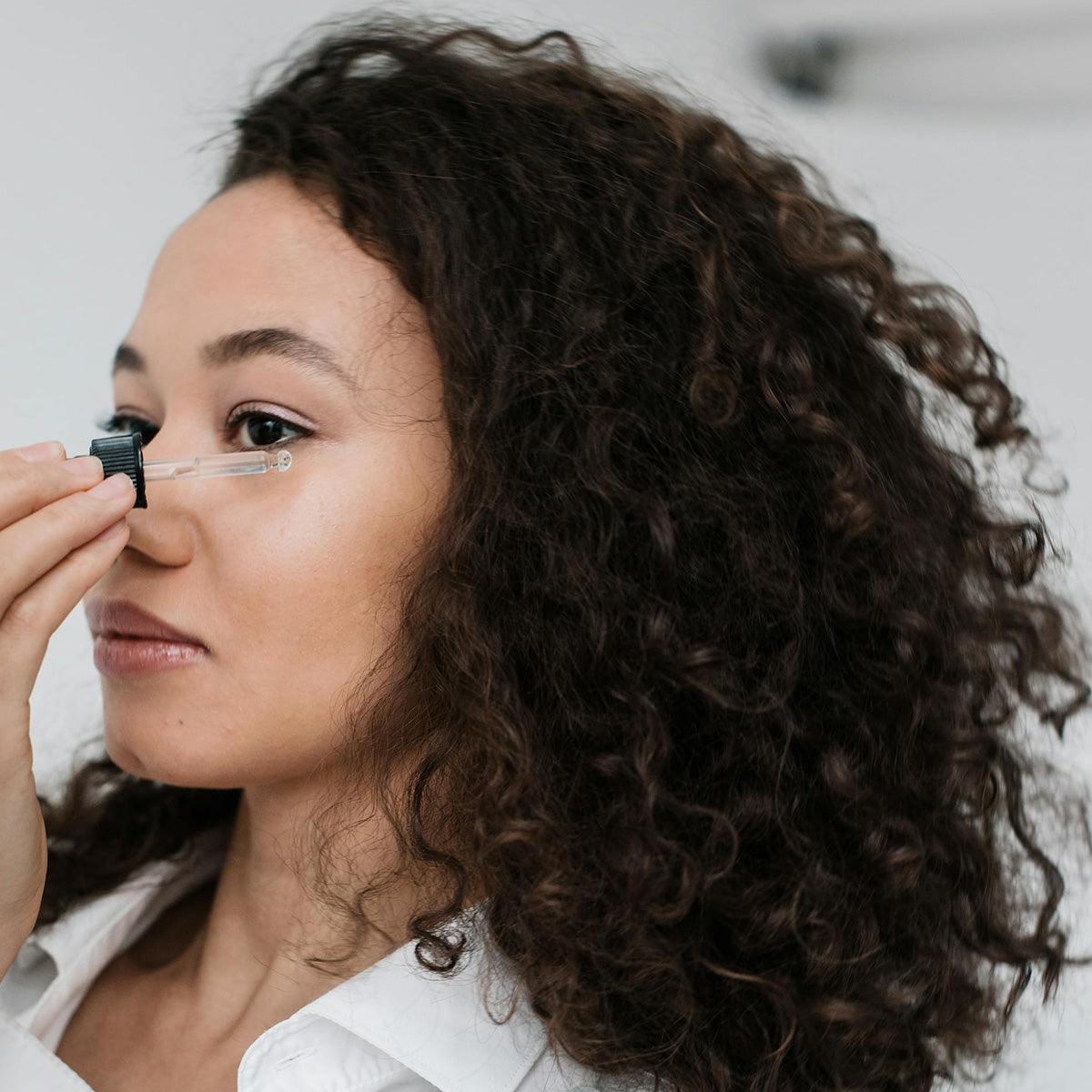
2. OM Botanical Vitamin C Serum , Boosts Daily Sun Protection
While a serum isn’t a sunscreen, layering a brightening vitamin C serum under a mineral sunscreen adds a second layer of defense. The serum uses food‑grade bakuchiol and plant‑based peptides to support collagen while the zinc oxide in the sunscreen reflects UV rays.
Real‑world use: a yoga instructor we spoke with applied the serum each morning, then topped with the reef‑safe SPF 30. She reported softer skin and less post‑sun redness over a month of daily practice.
How it works:
- Vitamin C neutralizes free radicals generated by UV exposure.
- Bakuchiol offers gentle retinoid‑like effects without irritation.
- Peptides help repair the skin barrier, making the sunscreen film more even.
Tips for layering:
- Pat serum onto clean skin and wait 2‑3 minutes before sunscreen.
- Use a nickel‑size amount of sunscreen for face and neck.
- Reapply sunscreen every two hours; the serum stays put.
Pro tip: The serum’s pH is balanced at 5.5, which matches the skin’s natural acidity, so it won’t interfere with the mineral filter’s performance.
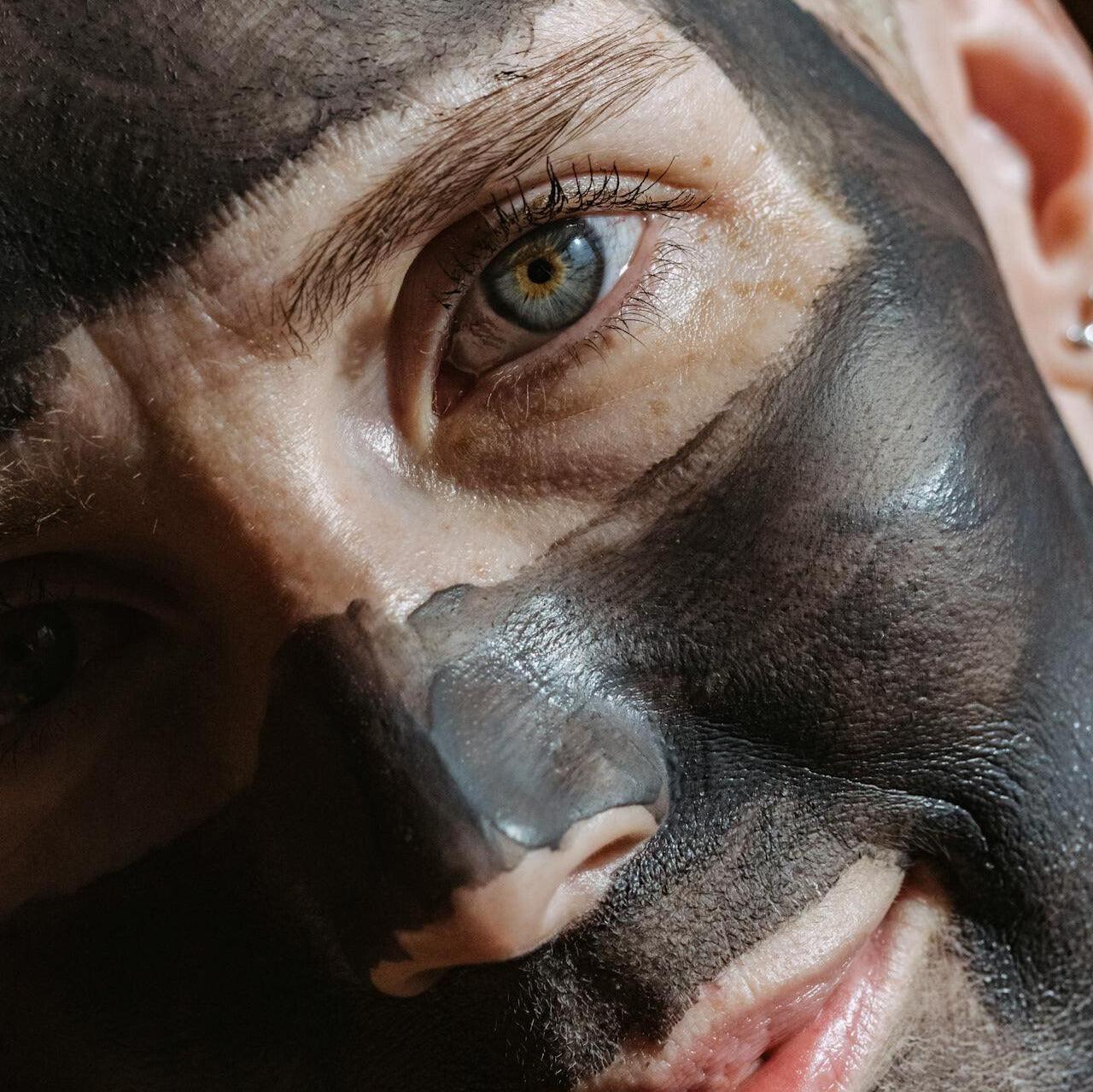
3. OM Botanical Cucumber Basil Calming Mask , After‑Sun Soothe
After a long day in the sun, the skin can feel tight, red, and itchy. This mask mixes cucumber extract, basil oil, and pineapple enzymes to calm inflammation, draw out excess oil, and gently exfoliate dead cells.
Why cucumber? It’s 95% water and packed with silica, which helps retain moisture. Basil adds anti‑bacterial properties that keep breakouts at bay after sweating.
How to use:
- Apply a thin layer after cleansing.
- Leave on for 5‑10 minutes.
- Rinse with lukewarm water and pat dry.
Case study: a surfer with sensitive skin used the mask twice a week for three weeks. She noted a 30% drop in post‑surf redness (measured by a handheld colorimeter) and smoother texture.
Pair it with the reef‑safe sunscreen for a complete sun‑to‑care routine. For more details on the mask’s ingredients, see the brand’s Cucumber Basil Calming Mask page.
4. OM Botanical Skin Food , Ultimate Post‑Sun Moisturizer
Skin Food is a rich, plant‑based moisturizer that locks in hydration after sun exposure. It blends shea butter, oat extract, and marula oil to restore the lipid barrier that UV rays can strip away.
Ingredient spotlight: oat beta‑glucan forms a protective film that reduces transepidermal water loss by up to 25% in clinical tests. Marula oil supplies omega‑9 fatty acids that help calm UV‑induced inflammation.
How to apply:
- After showering, pat skin dry.
- Use a pea‑size dollop for each arm and a nickel for the face.
- Massage in upward strokes until fully absorbed.
Why it pairs well with the SPF 30 sunscreen: the moisturizer’s non‑comedogenic formula doesn’t interfere with the zinc oxide layer, so you keep both protection and barrier repair.
Pro tip: Apply Skin Food at night for overnight repair; the antioxidant blend works best when the skin is in repair mode.
5. OM Botanical Body Lotion , Hydrate from Head to Toe
Body lotion is often overlooked in sun care, yet the arms, legs, and back receive a lot of UV. This lotion uses cocoa butter, shea butter, and oat flour to nourish large skin areas without a greasy feel.
Key benefit: the formula is fragrance‑free and uses only food‑grade botanicals, so it won’t irritate sun‑sensitive skin. The lotion also contains a small amount of non‑nano zinc oxide, giving a light, all‑over SPF 15 boost that works under clothing.
Application routine for a beach day:
- Apply lotion 30 minutes before sunscreen.
- Let it absorb fully (about 5 minutes).
- Follow with the reef‑safe SPF 30 sunscreen on exposed areas.
Real‑world example: a family of four used the lotion on a week‑long camping trip. The kids reported no dry skin or rash, and the parents felt comfortable reapplying sunscreen less often because the lotion’s built‑in SPF added a buffer.
Find the product here: OM Botanical Body Lotion
6. Comparison Table: Which OM Botanical Product Fits Your Sun Care Needs?
For a deeper dive on reef‑safe sunscreen standards, read Consumer Reports’ analysis of reef‑safe products. The report notes that only a handful of sunscreens carry formal certifications, which makes OM Botanical’s clear labeling stand out.
7. How to Choose the Right Reef Safe Sunscreen for Your Skin
Picking a reef‑safe sunscreen isn’t just about spotting the word “reef‑safe.” You need to verify the active filters, particle size, and any added skin‑care benefits.
Step‑by‑step checklist:
- Read the ingredient list. Look for non‑nano zinc oxide or titanium dioxide. Avoid oxybenzone, octinoxate, and octocrylene.
- Check water‑resistance time. Aim for at least 80 minutes if you’ll be swimming.
- Make sure the formula is fragrance‑free if you have sensitive skin.
- Look for added antioxidants (like the micro‑algae carotenoids in OM Botanical’s sunscreen) if you want extra skin protection.
- Consider the texture. Creams work well for dry skin, while lotions suit oily or active users.
Why each step matters: non‑nano minerals stay on the surface and don’t dissolve into the water, protecting coral. Water‑resistance ensures the film doesn’t wash off after a quick dip. Fragrance‑free reduces risk of irritation, especially after sun exposure.
Need a quick reference? Our brand page Broad Spectrum Reef‑Safe Natural Sunscreen SPF30 lists all the key specs in a clean table.
Ready to upgrade your sun game?Try OM Botanical Plant‑based Ayurvedic Skincare free →
8. Frequently Asked Questions About Reef Safe Sunscreen
What makes a sunscreen “reef‑safe”?
A reef‑safe sunscreen uses only mineral UV filters such as non‑nano zinc oxide or titanium dioxide. These particles sit on the skin and reflect UV rays instead of absorbing them and breaking down into chemicals that can harm coral. The product should also avoid the banned ingredients oxybenzone and octinoxate, which have been linked to coral bleaching in laboratory studies.
Is non‑nano zinc oxide truly safe for marine life?
Yes. Non‑nano particles are too large to be ingested by tiny marine organisms. Research published in PubMed shows that when the particles stay above 100 nm they settle quickly and do not enter the food chain, unlike the nano‑sized variants that can be taken up by plankton.
How often should I reapply reef‑safe sunscreen?
Even the best mineral formulas lose effectiveness after water exposure, sweat, or towel‑drying. Aim to reapply every 80 minutes while swimming and every two hours when you’re on land. If you notice the film rubbing off or a white cast fading, it’s time to refresh.
Can I use a reef‑safe sunscreen on my face?
Absolutely. Look for a formula that’s fragrance‑free and non‑comedogenic. OM Botanical’s SPF 30 sunscreen is designed for both face and body, and its lightweight texture minimizes the white‑cast effect on most skin tones.
Do reef‑safe sunscreens provide enough protection for high altitudes?
Yes, as long as the SPF meets your exposure level. SPF 30 blocks about 96 % of UVB rays, which is sufficient for most outdoor activities. For high‑altitude sports, you might choose a higher SPF (40, 50) while still staying mineral‑based.
Are spray sunscreens reef‑safe?
Spray sunscreens often contain small droplets that can be inhaled and may include chemical filters. They also drift into the water more easily. Experts recommend lotion or cream formulas for reliable protection and lower environmental impact.
What should I look for on the packaging?
Check for clear wording: “non‑nano zinc oxide,” “reef‑safe,” and “broad‑spectrum.” If the label lists any of the banned chemicals, skip it. Also verify the water‑resistance claim, most reputable brands state the minutes of protection.
Can I combine a reef‑safe sunscreen with other skin‑care products?
Yes. Apply a serum or moisturizer first, let it absorb, then layer the sunscreen. The mineral layer will sit on top without mixing, so you keep both the antioxidant benefits of the serum and the UV shield of the sunscreen.
9. Conclusion: Protect Your Skin and the Reef with OM Botanical
Choosing a reef‑safe sunscreen is a simple act that protects two worlds at once. OM Botanical’s mineral line gives you clean, food‑grade ingredients, a non‑nano zinc base, and the added antioxidant edge of micro‑algae carotenoids. Pair the SPF 30 sunscreen with the Vitamin C serum for daily antioxidant protection, the Cucumber Basil Mask for post‑sun calm, Skin Food for barrier repair, and the Body Lotion for full‑body coverage.
When you use these products together, you build a routine that shields against UV, soothes inflammation, and feeds the skin’s microbiome. That means fewer sunburns, smoother recovery, and a clear conscience knowing you’re not harming coral reefs.
Ready to make the switch? Visit the Reef‑Safe Sunscreen Collection to grab your starter kit, or explore the Organic SPF Sunblock for a travel‑size option. Your skin, and the ocean, will thank you.
Share