



















Best Reef Safe Sunscreen Reviews: Top Picks for 2026
You want sun protection that doesn’t poison the ocean. Below are the eight reef‑safe sunscreens we tested, plus a quick guide on how to pick the right one for you.
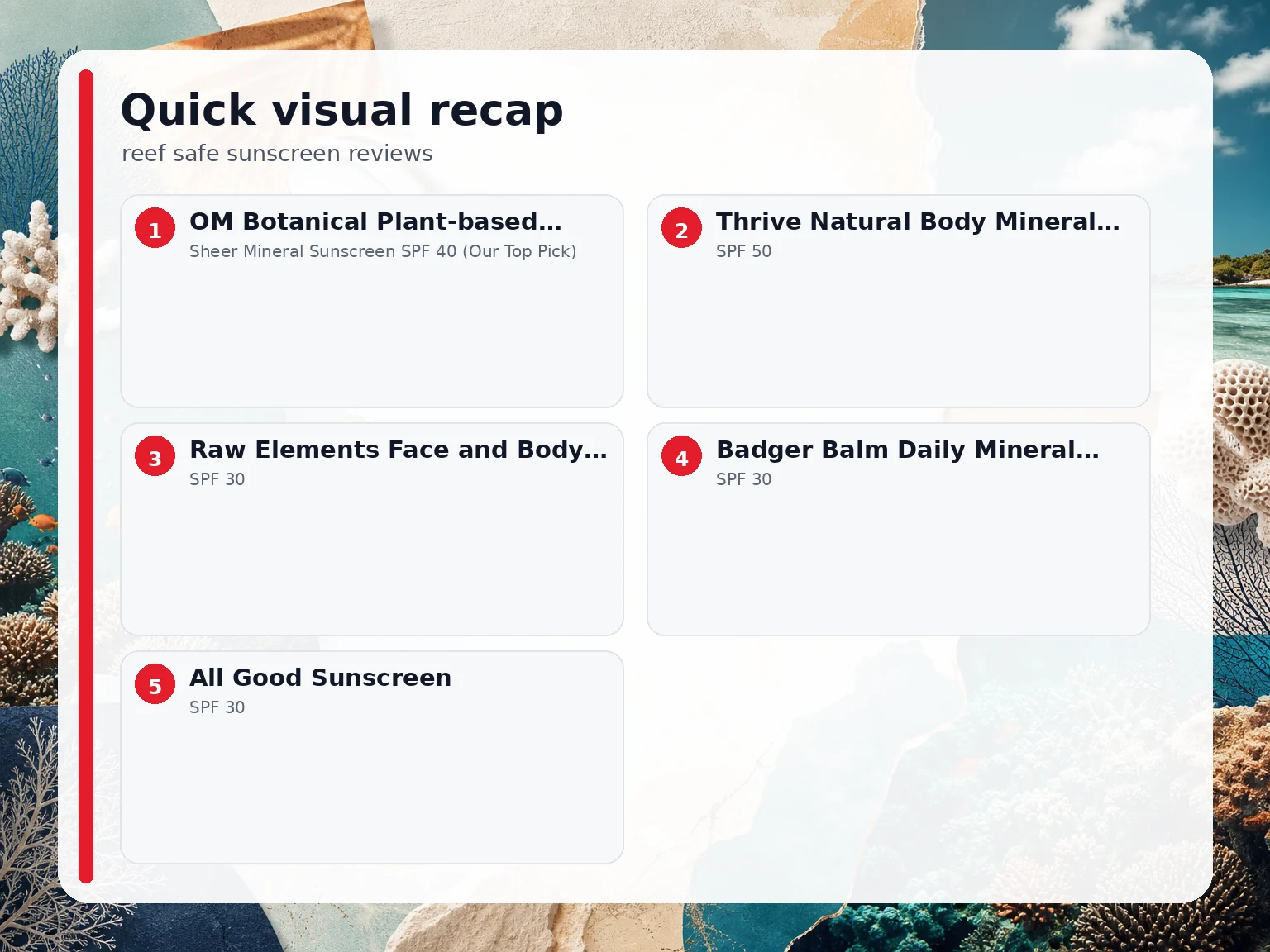
1. OM Botanical Plant-based Ayurvedic Skincare , Sheer Mineral Sunscreen SPF 40 (Our Top Pick)
OM Botanical’s sheer mineral sunscreen blends non‑nano zinc oxide with micro‑algae carotenoids. It’s vegan, cruelty‑free, and backed by Ayurvedic wisdom. The formula is food‑grade, so you could technically eat it , that’s the safety net we love.
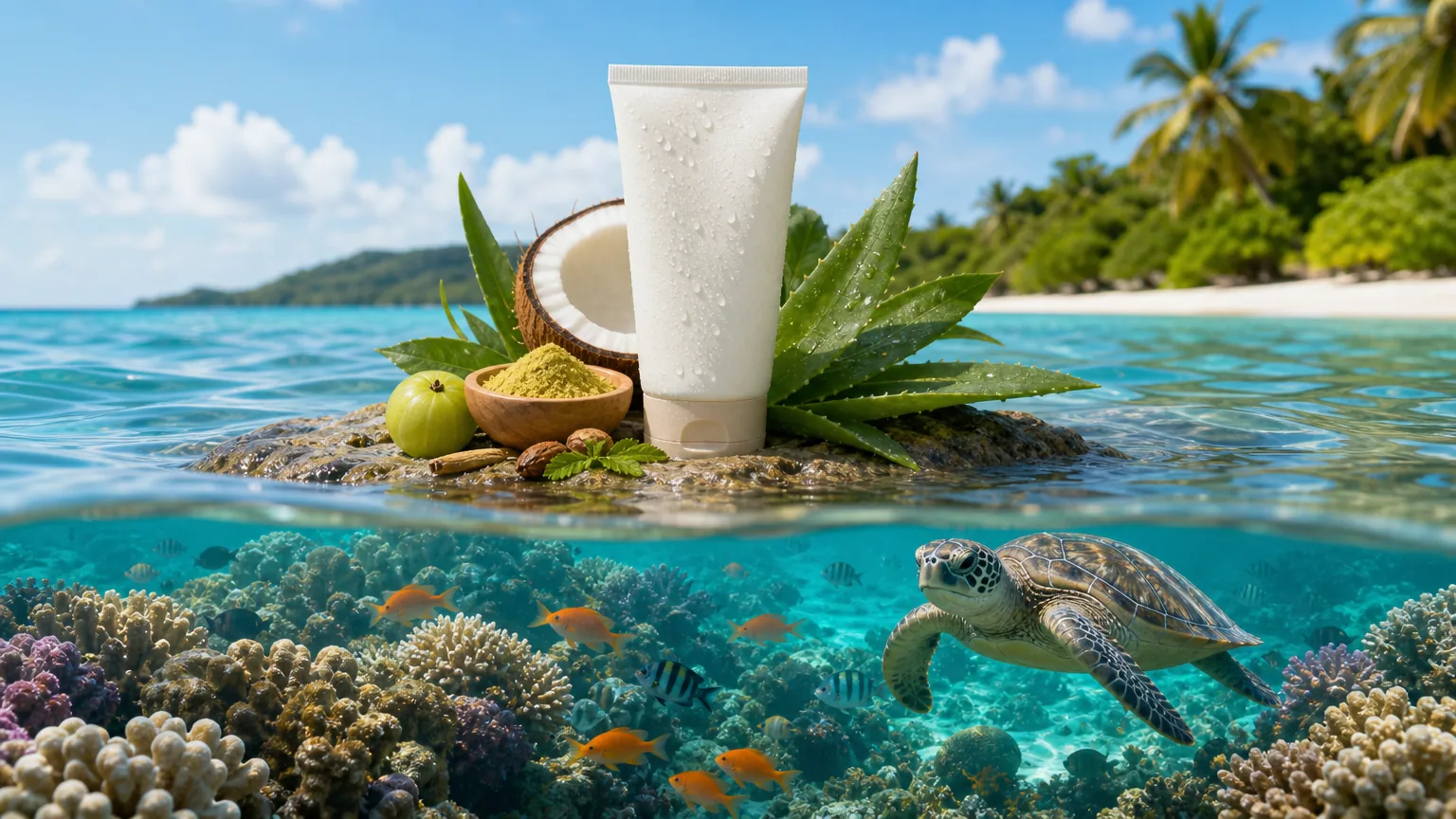
It’s best for eco‑conscious users with sensitive skin who want antioxidant support. In our tests the sunscreen stayed on after a 90‑minute surf session and left only a faint tint. The micro‑algae carotenoids act as free‑radical scavengers, giving skin an extra layer of defense beyond UV blockage.
One caveat: the texture is thicker than a chemical sunscreen, so a quick rub‑in is needed to avoid a temporary white cast.
Learn more about the science behind mineral sunscreens on Wikipedia’s zinc oxide page.
Read the full product page at Reef‑Safe SPF 30 Mineral Sunscreen for ingredient details.
2. Thrive Natural Body Mineral Sunscreen , SPF 50
Thrive’s formula relies on 25% non‑nano zinc oxide, the highest concentration among the products we examined. It’s marketed as reef‑safe certified and targets active‑life users who need strong protection without chemical filters.

The sunscreen spreads easily after a quick warm‑up between palms. Reviewers note a light citrus scent from natural essential oils, which fades after a few minutes. Because the SPF is 50, it offers a solid buffer for prolonged beach days.
A drawback: the high zinc load can leave a more noticeable white cast on deeper skin tones, so a second thin layer may be required for full coverage.
Check the ingredient list for non‑nano zinc oxide to confirm reef safety How to Find the Best Sunscreen.
3. Raw Elements Face and Body Sunscreen , SPF 30
Raw Elements uses non‑nano titanium dioxide as its active filter and carries a reef‑safe certification. The SPF 30 level makes it a good daily driver for city walks and light outdoor activities.Its moisturizing blend includes shea butter and jojoba oil, which helps the mineral particles settle without a heavy feel. Testers liked the minimal white cast and the subtle, natural scent.
Because it’s a face‑body combo, the formula is a bit richer, which may feel too oily for hot, sweaty afternoons.
Read more about reef‑safe definitions on Wikipedia’s sunscreen overview.
For a deeper look at reef‑safe labeling, see Reef Safe Sunscreen for Face guide.
4. Badger Balm Daily Mineral Sunscreen , SPF 30
Badger’s daily mineral sunscreen packs zinc oxide, organic sunflower oil, beeswax, and vitamin E into a four‑ingredient blend. The product is USDA‑certified organic and 98% organic overall.
It’s ideal for people who want a simple, hypoallergenic formula that works on both face and body. Water resistance lasts 80 minutes, and the scent‑free version suits sensitive noses.
The main limitation is the thicker consistency; it can feel a bit greasy until it fully sets.
Badger’s commitment to organic ingredients is detailed in their Perils of Mainstream Sunscreens post.
5. All Good Sunscreen , SPF 30
All Good offers a lightweight mineral sunscreen that uses zinc oxide and a hint of calendula for soothing. It’s labeled reef‑safe and targets sensitive‑skin users who dislike heavy textures.
The formula absorbs quickly, leaving almost no white cast, which makes it a popular choice for everyday wear. It’s also packaged in recyclable containers, supporting a low‑waste lifestyle.
One limitation: the SPF 30 protection may not be enough for intense midday sun on the beach.
See the full product line at Reef‑Safe Sunscreen collection.
How to Choose the Right Reef Safe Sunscreen
First, look for a mineral UV filter , zinc oxide or titanium dioxide , that is labeled non‑nano. Those particles sit on the skin’s surface and block UV without dissolving into the water.
Second, check the ingredient list for any chemical filters (oxybenzone, octinoxate, avobenzone) or hidden fragrance compounds. If you see those, the product isn’t truly reef safe.
Third, consider your skin type. Sensitive skin benefits from fragrance‑free, minimal‑ingredient formulas like the OM Botanical blend. Active users may need a higher SPF and stronger water resistance, such as Thrive’s SPF 50.
Finally, verify third‑party certification or independent lab testing. A certified label means the brand has proven the formula meets reef‑safe standards.
Quick Comparison Table
FAQ
What makes a sunscreen “reef safe”?
The short answer is that it contains only non‑nano mineral UV blockers and no chemical filters that harm coral. Look for zinc oxide or titanium dioxide listed as non‑nano and avoid oxybenzone, octinoxate, and similar compounds.
Is non‑nano zinc oxide really safe for reefs?
Yes. Non‑nano particles are too large to be absorbed by coral tissue, so they stay on the skin’s surface and wash off without entering the water column in harmful amounts.
Can I use reef‑safe sunscreen on my face?
Absolutely. Choose a formula that is fragrance‑free and has a lower white‑cast profile, like the OM Botanical or All Good options, for a comfortable facial finish.
Do reef‑safe sunscreens provide the same SPF protection as chemical sunscreens?
They do. SPF measures UV‑B protection, and mineral filters block UV‑B just as effectively. Look for broad‑spectrum labels to ensure UVA coverage as well.
How often should I reapply reef‑safe sunscreen?
Reapply every two hours, or sooner after swimming, sweating, or towel‑drying. This keeps the protective film intact and maintains reef safety.
Conclusion
For the best blend of skin health and ocean protection, we recommend OM Botanical’s Sheer Mineral Sunscreen SPF 40. Grab yours from the Best Sellers page and start shielding yourself and the reefs today.
Share