














Argan Oil Benefits for Skin: What It Does and How to Use It
Key Highlights
-
Argan oil helps moisturize skin, soften rough areas, support the skin barrier, and maintain a smooth, supple appearance.
-
Its essential fatty acids, vitamin E, and antioxidant compounds support hydration, skin conditioning, and antioxidant protection.
-
Argan oil can be applied after moisturizer as the final step, with a few drops generally enough for the entire face.
-
Choosing a good argan oil involves checking the ingredient label, processing, formulation, additives, and suitability for your skin type.
-
Argan oil can fit into morning or evening routines, but it does not replace sunscreen and should be introduced gradually if you are new to facial oils.
-
OM Botanical focuses on food-grade ingredients, minimally processed botanicals, ingredient synergy, and formulations shaped by real consumer skincare concerns.
Dry, tight, or rough skin can make your complexion look dull and leave your skin feeling uncomfortable throughout the day. In fact, dry skin affects around 50% of adults worldwide, making hydration and moisture retention common skincare concerns.
When the skin barrier loses too much moisture, it can contribute to dryness, rough texture, sensitivity, and a less supple appearance. This is why many people turn to facial oils like argan oil. The argan oil benefits for skin are largely linked to its fatty acids and antioxidant compounds, which may help nourish the skin and support its natural barrier.
In this guide, we’ll explore the benefits of argan oil for skin, what its key nutrients can actually do, which claims are supported by research, and how to use argan oil based on your skin type.
What Does Argan Oil Do for Your Skin?
Argan oil is a nourishing emollient that helps soften the skin, reduce moisture loss, and support a healthy skin barrier. Its naturally occurring fatty acids and antioxidant compounds make it a valuable botanical ingredient for skin that feels dry, rough, or lacking suppleness.
Here are some of the main ways argan oil can support your skin:
-
Helps retain moisture: Forms a nourishing layer over the skin that helps reduce moisture loss and maintain comfortable hydration.
-
Supports the skin barrier: Its fatty acids complement the skin's natural lipid composition, helping maintain the protective barrier.
-
Softens rough skin: Its emollient properties help condition and smooth the skin's surface for a softer feel.
-
Supports supple-looking skin: By helping maintain moisture, argan oil can leave skin feeling more flexible, smooth, and nourished.
-
Provides antioxidant support: Naturally occurring tocopherols and other botanical compounds contribute antioxidant properties that support overall skin wellness.
At OM Botanical, we take this same ingredient-first approach to our formulations. We conduct consumer surveys to understand the pain points people experience with mainstream skincare and use those insights to create products that address those concerns.
What Are the Benefits of Argan Oil for Skin?

Argan oil has been used for centuries in Morocco as a beauty oil and is valued for its nutrient-rich composition. Packed with essential fatty acids, vitamin E, and other antioxidant compounds, it offers several properties that can support healthier-looking skin. Understanding these properties helps explain why argan oil for skin has become a popular choice for moisturizing and nourishing the complexion.
1. Helps Deeply Moisturize Skin
One of the key argan oil benefits for skin is improved moisturization. Its fatty acids can help condition the skin and reduce moisture loss, which can be particularly helpful when skin feels tight, rough, or dehydrated. Regular use can leave the skin feeling softer, smoother, and more comfortable.
2. Supports the Skin's Natural Moisture Barrier
A healthy skin barrier helps keep moisture in while protecting the skin from external stressors. The fatty acids in argan oil can complement the lipids naturally present in the skin, helping support its moisture barrier and maintain a hydrated, resilient feel.
3. Helps Soften and Smooth Rough Skin
Argan oil works as an emollient, helping condition the skin's surface and improve the feel of rough or dry areas. Its lightweight texture can make it a comfortable option for people who prefer facial oils without a heavy or greasy feel.
4. Provides Antioxidant Support
Argan oil naturally contains vitamin E and other antioxidant compounds. Antioxidants help counter oxidative stress caused by free radicals, which can contribute to visible signs of skin aging. This makes antioxidant-rich oils useful as part of a routine focused on maintaining healthy-looking, resilient skin.
5. Helps Maintain Soft, Supple-Looking Skin
Hydration plays an important role in how smooth and supple skin looks. By helping maintain moisture and conditioning the skin, argan oil can contribute to a softer, smoother, and more supple-looking complexion.
6. May Improve the Appearance of Fine Lines
Well-moisturized skin generally appears smoother, which can make fine lines associated with dryness look less noticeable. Argan oil can support this through its moisturizing and conditioning properties, although it should not be considered a treatment that removes wrinkles.
7. Helps Promote a Healthy-Looking Glow
When skin is adequately moisturized and smooth, it can reflect light more evenly and appear more radiant. By conditioning the skin and supporting moisture retention, argan oil can contribute to a naturally healthy-looking glow.
At OM Botanical, we believe these benefits are strengthened through ingredient synergy. We combine thoughtfully selected food-grade ingredients with minimally processed botanicals so complementary ingredients can work together within our formulations. Through consumer surveys, we also identify common skincare concerns and use those insights to guide our formulations.
If your skin tends to feel tight or easily irritated, choosing the right ingredients can make a difference. Learn what to look for when choosing safer, gentler skincare in our guide to the safest skincare brand for sensitive skin.
Why We Use Argan Oil in Our Formulations
At OM Botanical, we choose ingredients based on what they can contribute to the overall formulation, not simply because they are trending in skincare. On our ingredient labels, argan oil appears as Argania spinosa (argan) kernel oil. Extracted from the nuts of the argan tree native to Morocco, this botanical oil has been valued for centuries for its beauty benefits.
What makes argan oil particularly interesting to us is its naturally occurring combination of essential fatty acids, antioxidants, and vitamins. Rather than isolating one property, we consider how these naturally occurring components can complement the other ingredients in a formula.
This reflects our approach to ingredient synergy, where thoughtfully selected ingredients work together to support the overall experience and function of the product.
We use Argania spinosa (argan) kernel oil in our Antioxidant Night Oil and Eye Cream with Peptides, where it contributes to formulations designed to nourish and condition the skin.
This approach also reflects our preference for food-grade ingredients and minimally processed botanicals, while preserving the natural characteristics of the ingredients we choose.
If your skin feels dry, tight, or easily irritated, supporting the skin barrier can help restore comfort and balance. Discover practical ways to support your skin barrier in our complete guide to Ayurvedic herbs for skin barrier repair.
How to Use Argan Oil on Your Face
Adding argan oil to your routine is simple. As an oil-based emollient, it is generally best applied toward the end of your skincare routine, after water-based products, where it can help condition the skin and reduce moisture loss. Understanding how argan oil and skin work together can help you use it more effectively without overloading your routine.
Follow these simple steps:
-
Start with a clean face: Use a gentle cleanser to remove dirt, excess oil, and impurities.
-
Apply hydrating products: Use your toner, essence, or serum first and allow it to absorb.
-
Apply moisturizer: Follow with your usual moisturizer to provide hydration.
-
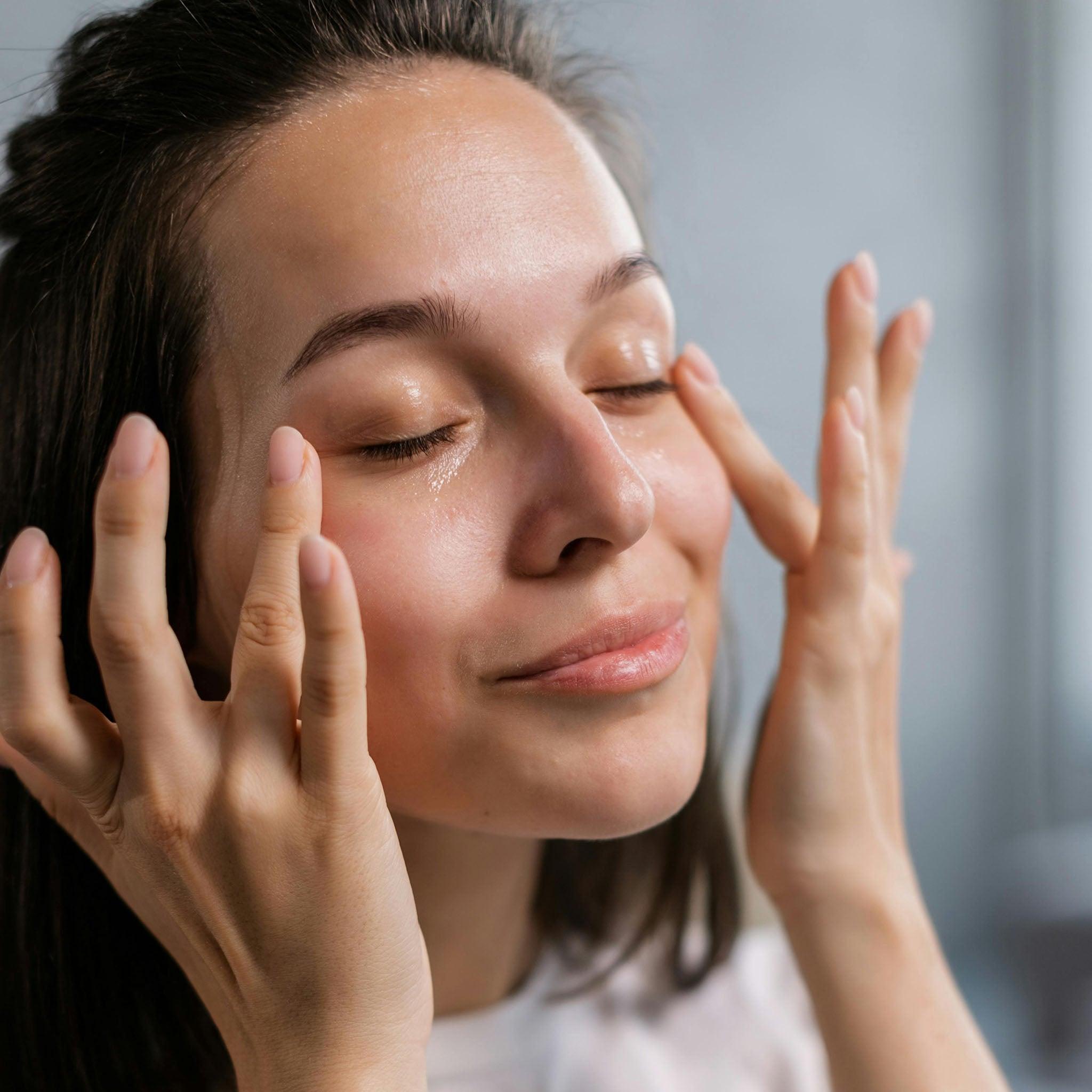
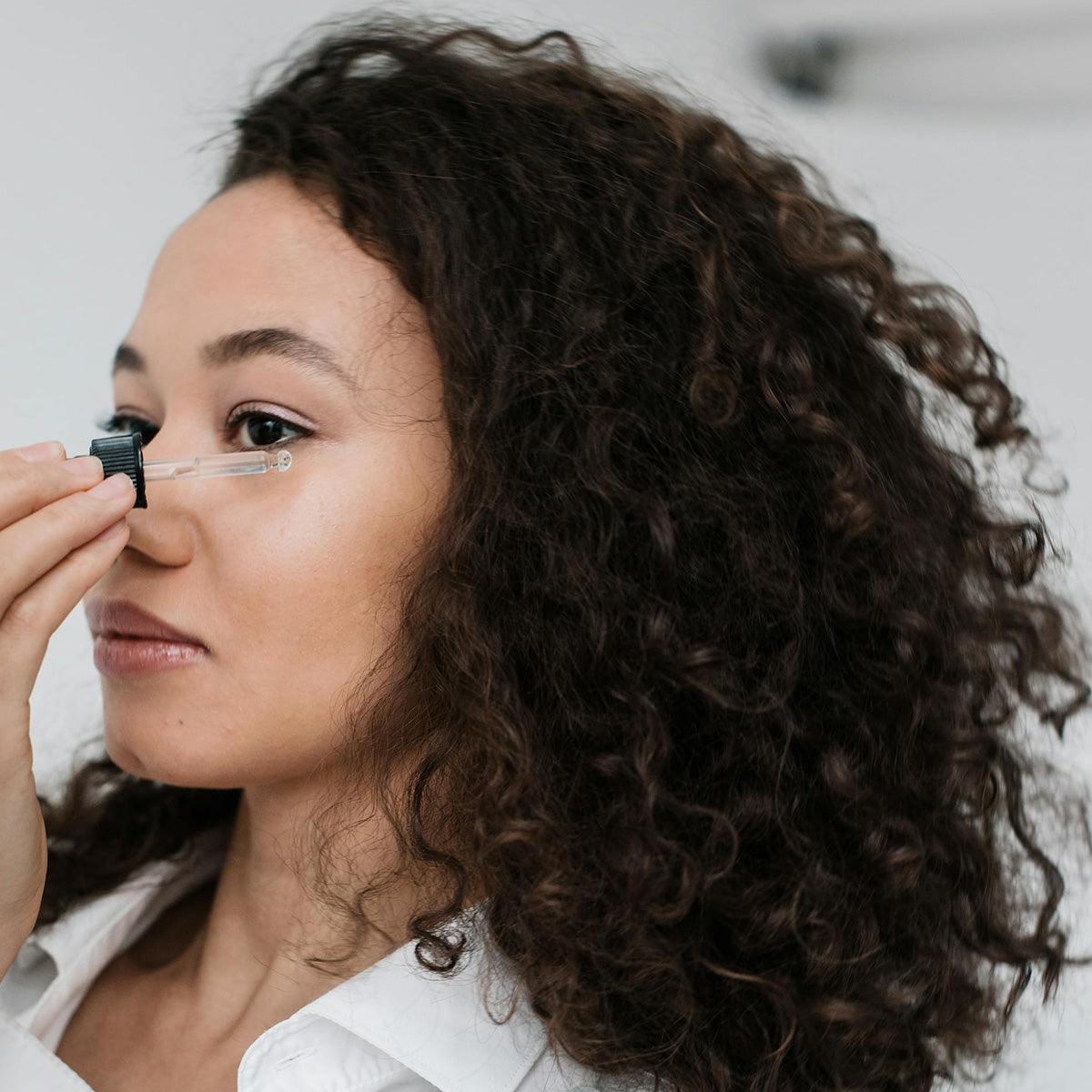
Apply a small amount of argan oil: Warm 2–3 drops between your fingertips and gently press or massage them over your face.
-
Allow it to absorb: Give the oil a little time to settle before applying makeup or other products.
When Should You Use Argan Oil?
Argan oil can fit into both morning and evening argan oil skin care routines. Many people prefer using facial oils at night as the final step, allowing the oil to condition the skin while they sleep.
If you use argan oil during the day, remember that it does not replace sunscreen. Apply your broad-spectrum sunscreen as the final skincare step in your morning routine.
How Much Argan Oil Should You Use?
Start with around 2–3 drops for the entire face. Using more does not necessarily provide greater benefits and may leave your skin feeling unnecessarily oily. Adjust the amount based on your skin type and how your skin responds.
If you're new to facial oils, begin a few times a week and gradually increase usage if your skin tolerates it well. A patch test can also help you determine whether the product suits your skin.
Making the switch to clean skincare? Your skin may need time to adjust. Learn why breakouts can happen during the transition and how to make the change more smoothly.
How to Choose a Good Argan Oil for Skin?

Not all argan oils are formulated the same way. When choosing one for your routine, look beyond the ingredient name and consider the quality, processing, formulation, and purpose of the product. A well-formulated argan oil should complement your skincare routine rather than simply add another layer of oil.
Here are a few things to consider:
-
Check the ingredient label: Look for Argania spinosa (argan) kernel oil when you want argan oil to be a primary ingredient. A transparent ingredient list makes it easier to understand what you're applying to your skin.
-
Consider how the ingredient is processed: Minimally processed botanical oils can retain more of their natural characteristics. Natural variations in colour can occur with botanical ingredients and don't necessarily indicate a problem with the product.
-
Choose based on your skin's needs: If your skin is particularly dry, look for a formulation designed to provide nourishing moisture and support the skin barrier.
-
Consider the complete formulation: Good argan oil skin care products aren't necessarily about having the highest concentration of one ingredient. Look for formulations where ingredients are selected to complement one another through ingredient synergy.
-
Look for unnecessary additives: If you have sensitive skin, you may prefer formulations with fewer unnecessary fragrances or potential irritants.
-
Consider the intended use: A facial oil, eye cream, and moisturizer may all contain argan oil but serve different purposes. Choose a product based on where and how you intend to use it.
Ultimately, the quality of an argan oil formulation matters as much as the ingredient itself. Look for transparent labeling, thoughtful formulation, and ingredients that complement your individual skincare needs.
Why Choose OM Botanical for Botanical Skincare?
More skincare doesn't always mean healthier skin. When dryness, breakouts, or visible signs of aging appear, it's easy to keep adding products and active ingredients, only to leave your skin feeling overwhelmed. At OM Botanical, we take a different approach. We formulate with the goal of supporting your skin's natural balance rather than overwhelming it.
We combine Ayurvedic principles with modern skin science, using food-grade ingredients, whole-plant botanicals, cold-pressed oils, raw butters, and functional ingredients selected with purpose. We also believe in ingredient synergy, thoughtfully combining complementary ingredients so they can work together within a formula instead of relying on a single hero ingredient.
Our approach is about making skincare more purposeful: fewer unnecessary ingredients, thoughtful formulations, and minimally processed botanicals that retain their natural characteristics. We listen to consumer concerns through surveys and use those insights to create products that address real skincare pain points.
If you're looking to simplify your routine while still giving your skin thoughtfully selected, nourishing ingredients, take a closer look at what we've created. Explore our products today!
Final Words
Healthy-looking skin doesn't have to come from a complicated routine or an endless list of products. Sometimes, the goal is simply to give your skin the moisture, nourishment, and care it needs to feel comfortable and balanced.
Argan oil can be a beautiful addition to that approach, especially when your skin feels dry, rough, or lacking softness. Its naturally occurring fatty acids and antioxidants make it a nourishing ingredient that can support hydration, smoothness, and a healthy-looking barrier.
Ultimately, skincare isn't about chasing flawless skin. It's about understanding what your skin needs, choosing ingredients thoughtfully, and creating a routine you can genuinely enjoy using every day.
Frequently Asked Questions
Is argan oil good for skin?
Yes. Argan oil can moisturize, support skin health, and improve softness. Its linoleic acid, oleic acids, and antioxidants may support the skin’s barrier and reduce moisture loss without feeling heavy. Skincare ingredients matter in skincare.
Can I use argan oil on my face every day?
Yes, people can use argan oil as part of a personalized skincare routine. Apply a few drops of pure argan oil after moisturizer, adjusting frequency according to skin needs. Consider the use of argan oil.
Does argan oil clog pores?
Argan oil is generally lightweight, but oily skin may respond differently. Start with a small amount, patch test first, and monitor for breakouts or other side effects before regular use. Its potential benefits vary personally.
Does argan oil brighten skin?
Argan oil may improve the appearance of dull skin by boosting moisture and supporting a healthy skin tone. However, it is not a proven treatment for dark spots or pigmentation. As a face oil, results vary.
Does argan oil help the skin barrier?
Yes. Argan oil may support barrier function by helping reduce moisture loss and conditioning the skin. Its fatty acids can complement the skin’s barrier, supporting hydration and skin health. It may reduce transepidermal water loss.
Should I use argan oil before or after moisturizer?
Generally, apply moisturizer first, then argan oil. This layering approach allows your moisturizer to hydrate while the oil helps seal in moisture. The best way depends on your beauty routine, preferences, and other skincare products.
Can I leave argan oil on my face overnight?
Yes. Leaving argan oil on overnight can provide moisturization and conditioning. Apply a few drops as the final step of your evening routine, when your skin feels dry, tight, or uncomfortable. It may support skin elasticity.
Share