













The Dirty Secret Behind Perfectly White Skincare Creams (And Why Unbleached is Better)
Walk into any luxury department store or pristine apothecary, and you will find shelves lined with skincare creams that look identical: snow-white, perfectly homogenized, pearlescent, and visually "pure." For decades, the global beauty industry has trained our brains to equate this stark white aesthetic with cleanliness, safety, and clinical efficacy.
But it is a beautifully engineered lie.
The reality happening inside the cosmetic chemistry lab is far less pristine. The perfectly white color of conventional skincare is not a sign of purity—it is the result of chemical manipulation, heavy processing, aesthetic bleaching agents, and extreme formula dilution. When you understand the biochemistry of real botanical life, you quickly realize that nature is never white.
This comprehensive deep-dive exposes the hidden mechanics behind the cosmetic industry's obsession with white creams, the hidden dangers of water-diluted formulations, and why shifting toward unbleached, bio-active skincare is the single most important decision you can make for your skin's cellular health.
TL;DR: The Core Truth
-
The Illusion of Purity: Real, unrefined botanical extracts are rich in color (amber, green, brown). To make a skincare cream stark white, manufacturers must either use microscopic, useless percentages of these plants ("fairy dusting") or chemically strip and bleach the formula using opacifiers like Titanium Dioxide.
-
The Bleaching Damage: Chemical refinement and bleaching strip away the delicate plant exosomes, polyphenols, and secondary metabolites that give botanicals their actual healing power.
-
The Water Trap: Most conventional creams list Aqua (water) as their first ingredient, often comprising 70% to 90% of the bottle. Water is a dead filler that dilutes active ingredients and acts as a breeding ground for bacteria.
-
The Preservative Nightmare: Because water breeds microbes, water-based creams require aggressive, synthetic preservatives (like phenoxyethanol or parabens) that disrupt the skin’s living microbiome.
-
The Bio-Active Vanguard: Cutting-edge brands like OM Botanical are pioneering a paradigm shift by completely eliminating water. By utilizing pure, unpasteurized organic Aloe Vera gel as a living, bio-active base and leaving therapeutic plant extracts unbleached, they deliver 100% active formulations that match the skin's biological intelligence.
The Chemistry of the "Perfect White Cream"
To understand why your skincare cream is white, we have to look at what raw botanical ingredients actually look like before they enter a manufacturing plant.
True therapeutic plants, such as Centella Asiatica (Gotu Kola), Licorice, Neem, and Cucumber, are densely saturated with pigmented compounds. They contain green chlorophyll, yellow and orange carotenoids, red anthocyanins, and deep brown tannins. When these ingredients are extracted at therapeutic potencies, the resulting fluid is dark, texturally rich, and aromatic.
How, then, does a formula containing these vibrant plants end up looking like white porcelain? Cosmetic manufacturers rely on two primary methods to achieve this look:
1. Aesthetic Bleaching and Opacification
When a cosmetic chemist mixes a multi-colored array of plant extracts with an oil-and-water emulsion, the result is usually a muddy brown or dull gray cream. Because consumer testing panels historically rejected these natural colors, the industry began adding heavy opacifiers to masks the visual reality of the formula.
The most common culprit is Titanium Dioxide, ground down to non-nano or nano-particles. While these compounds have a legitimate place in mineral sunscreens to reflect UV light, their role in standard night creams, anti-aging serums, and moisturizers is purely cosmetic. They are added to bleach the cream white, reflecting light to create a temporary optical illusion of brighter skin upon application, while doing absolutely nothing to repair cellular damage.
2. Extreme Chemical Refining
Another method involves using chemically altered, "decolorized," or heavily fractionated plant extracts. Through high-heat distillation and harsh chemical solvents (like hexane or acetone), raw plant extracts are stripped of their natural pigments.
Unfortunately, those pigments are the medicine. The molecules that give a plant its rich color are the exact same antioxidants, polyphenols, and flavonoids that combat oxidative stress in human skin. When you strip the color, you strip the efficacy.
[Raw, Deeply Pigmented Plant Extract]
               │
               ▼  (High-Heat Distillation & Solvent Stripping)
[Decolorized / Bleached Ingredient] ──► *Loss of Polyphenols & Exosomes*
               │
               ▼  (Addition of Titanium Dioxide Opacifiers)
[The Pristine White Commercial Cream] ──► *Purely Aesthetic, Biologically Dead*
Why Real Plant Intelligence Isn't White
When we look at advanced biotechnology, we find that the most potent components of plant cells are structurally complex and highly colorful.
Consider Centella Asiatica (Gotu Kola), a legendary Ayurvedic botanical backed by modern dermatology for its profound ability to stimulate collagen synthesis and accelerate wound healing. In its raw, unrefined state, Centella asiatica extract is a deep, rich green. This color indicates the presence of intact triterpenoid saponins (such as asiaticoside and madecassoside) alongside living plant matrix elements.
Similarly, Neem leaf and Licorice root extracts—highly prized for their anti-inflammatory, antimicrobial, and hyperpigmentation-regulating properties—possess distinct, earthy shades ranging from moss green to deep amber.

When a skincare brand preserves these raw colors, they are preserving plant exosomes. Plant exosomes are microscopic, membrane-bound extracellular vesicles that carry microRNA, proteins, and bioactive molecules directly from the plant cell into the human skin cell.
This cellular communication is incredibly delicate. The moment a formula undergoes chemical bleaching or high-temperature homogenization to force it into a uniform white appearance, these delicate exosomal membranes rupture, rendering the plant's evolutionary intelligence completely inactive.
The Dilution Epidermis — The Perils of Water as the First Ingredient
Flip over almost any skincare bottle in your vanity and read the very first ingredient on the INCI (International Nomenclature of Cosmetic Ingredients) list. In over 95% of commercial products, you will see a single word: Aqua (Water).
What the beauty industry doesn't want you to calculate is that water typically accounts for 70% to 90% of the entire product volume. You are essentially paying premium prices for luxury tap water. While this is highly profitable for corporate balance sheets, it introduces severe complications for your skin health.
The Microbial Breeding Ground
Water is the foundational element required for biological life—which means it is also the foundational element required for microbial life. The moment water is introduced into a cosmetic formulation, it becomes an open invitation for bacteria, mold, yeast, and fungi to proliferate.
To prevent your jar of white cream from turning into a science experiment within a week, manufacturers must load the formula with aggressive, broad-spectrum synthetic preservatives. These include compounds such as:
-
Phenoxyethanol
-
Parabens (Methylparaben, Propylparaben)
-
Formaldehyde releasers (DMDM Hydantoin, Imidazolidinyl Urea)
While these chemicals successfully kill bacteria in the jar, they do not stop working when applied to your face. They act as a scorched-earth mechanism on your skin's microbiome—the delicate ecosystem of beneficial bacteria that maintains your skin barrier, regulates pH, and prevents inflammatory conditions like acne, rosacea, and eczema.
The Myth of Water Hydration
There is a common misconception that applying a water-dominant cream hydrates the skin. In reality, pure water applied topically to the skin has a high evaporation rate. As the water content in a cream evaporates into the air, it induces a physical phenomenon known as Trans-Epidermal Water Loss (TEWL).
The evaporating water pulls the skin’s natural moisture upward and out along with it, leaving the skin's surface more dehydrated than it was before application. To combat this dry feeling, manufacturers add heavy synthetic silicones (like Dimethicone) to trap the remaining moisture, creating a plastic-like film over your pores that interferes with the skin's natural desquamation (exfoliation) process.
The Aloe Vera Revolution — Cellular Satiation Over Dilution
If water is a damaging filler and chemical bleaching destroys plant intelligence, what is the alternative?
The alternative is a complete reimagining of cosmetic architecture: replacing water entirely with a living, bio-active botanical base, and leaving the therapeutic plant extracts completely unbleached and unrefined.
This is the exact philosophy championed by OM Botanical. Instead of starting with dead water, their formulations utilize pure, unpasteurized, organic Aloe Barbadensis Leaf Juice as the primary vehicle.
The Biological Synergy of Aloe Vera
Aloe Vera is not a passive filler; it is an active therapeutic powerhouse. The gel of the Aloe plant contains over 75 distinct bio-active compounds, including:
-
Polysaccharides (Acemannan): Long-chain sugar molecules that bind moisture directly to human tissue without creating a suffocating film, dramatically reducing TEWL.
-
Vitamins & Minerals: Rich in Vitamins A, C, and E, which neutralize free radicals at the surface level.
-
Enzymes: Contains bradykinase, which topically reduces excessive vascular inflammation.
-
Sterols: Plant-based lipids that directly reinforce and repair the skin's natural lipid barrier.
When Aloe Vera serves as the base of a formulation, every single drop of the product delivers cellular nourishment. There is zero wasted space, zero dead filler, and because of Aloe's inherent biochemical properties, it integrates seamlessly with human skin cells, acting as an organic transdermal delivery vehicle that carries other botanical actives deep into the dermis.
Where Biotechnology Meets Organic Purity
Maintaining this level of purity requires sophisticated, clean processing techniques. 
By shunning traditional chemical bleaching, high-heat homogenization, and water dilution, the resulting formulations retain their natural, rich hues—varying from soft ambers to warm, earthy greens. They don't look like commercial white porcelain; they look like living earth.
Is Titanium Dioxide in skincare creams safe?
When used in non-nano form within sunscreens, Titanium Dioxide is safe and effective at deflecting UV rays. However, when it is added to standard daily moisturizers or night creams solely as an opacifier to bleach the cream white, it represents an unnecessary risk. Daily application of aesthetic mineral fillers can clog pores, cause micro-irritation, and mask the degradation of underlying active ingredients that may have lost potency through chemical refining.
Why do unbleached skincare products change color over time?
An unbleached product is a living formulation. Just as a fine wine or raw honey evolves, natural polyphenols and plant extracts can oxidize slightly when exposed to light and air, deepening in color. This shift is not a sign of spoilage; it is proof of life. It demonstrates that the antioxidants are active and ready to sacrifice themselves to neutralize free radicals, a process that is chemically blocked or artificially stabilized in bleached, synthetic creams.
Why is waterless skincare better for the environment?
The beauty industry consumes billions of gallons of fresh water annually just to dilute products. By stripping out water, brands significantly reduce their shipping weight and carbon footprint, while eliminating the need for synthetic chemical runoff (like parabens and chemical solvents) from entering our water systems through wastewater.
Deciphering the Cosmetic Label
To help you navigate your next skincare purchase, use this comprehensive reference table to compare the architecture of conventional bleached, water-based creams against premium, unbleached, aloe-based formulations.
| Feature / Metric | Conventional Bleached Creams | Premium Unbleached Formulations (OM Botanical) |
| Primary Ingredient (Base) | Aqua (Water) — Accounts for 70% to 90% of volume. | Organic Aloe Barbadensis Leaf Juice — 100% active. |
| Visual Appearance | Stark, uniform white or pearlescent pink/blue. | Earthy green, pale amber, or soft beige. |
| Aesthetic Modifiers | Titanium Dioxide, Synthetic Dyes, Mica. | None. The color reflects the raw botanical active. |
| Preservative System | Phenoxyethanol, Parabens, Formaldehyde donors. | Natural, self-preserving botanical peptide matrices. |
| Impact on Skin Microbiome | Destructive. Kills both beneficial and harmful bacteria. | Supportive. Nurtures the skin's living flora. |
| Risk of TEWL | High (due to rapid water evaporation at surface). | Extremely Low (Polysaccharides structurally lock in moisture). |
| Bio-Active Potency | Low. Plants are "fairy-dusted" or stripped of pigment. | High. Intact plant exosomes and active polyphenols. |
The Holistic Self-Care Experience
Transitioning to an unbleached skincare routine requires a mental shift. You must unlearn the corporate marketing narrative that says "white equals clean." When you apply a cream that holds its natural amber or green hue, you are participating in a historical lineage of holistic wellness that dates back to ancient Ayurvedic apothecaries, now validated by modern cellular biology.
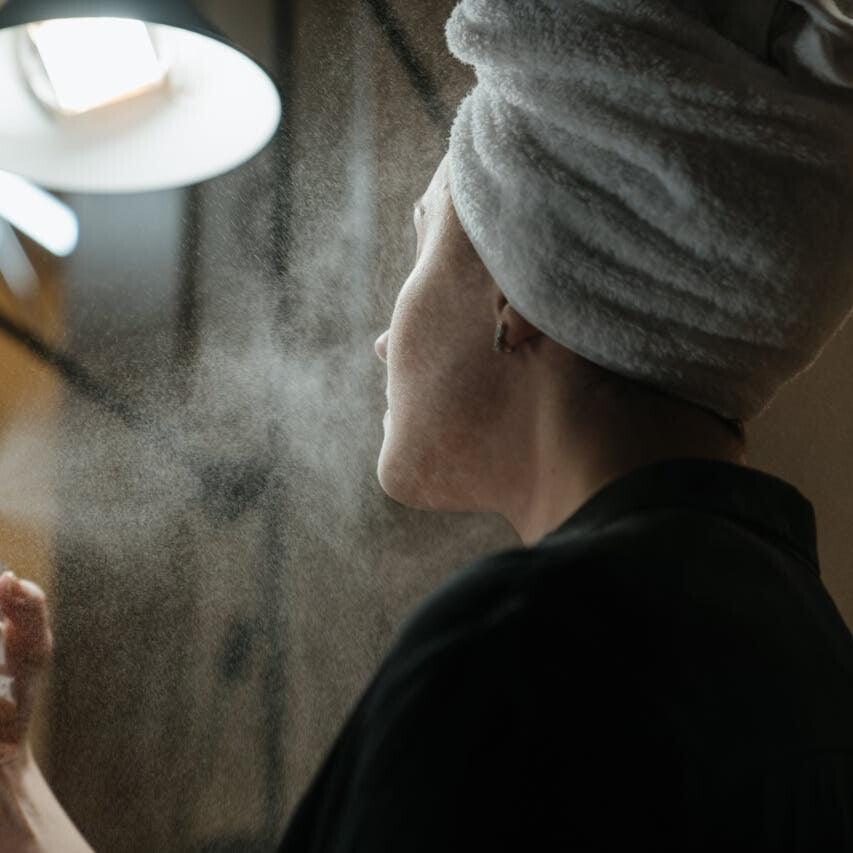
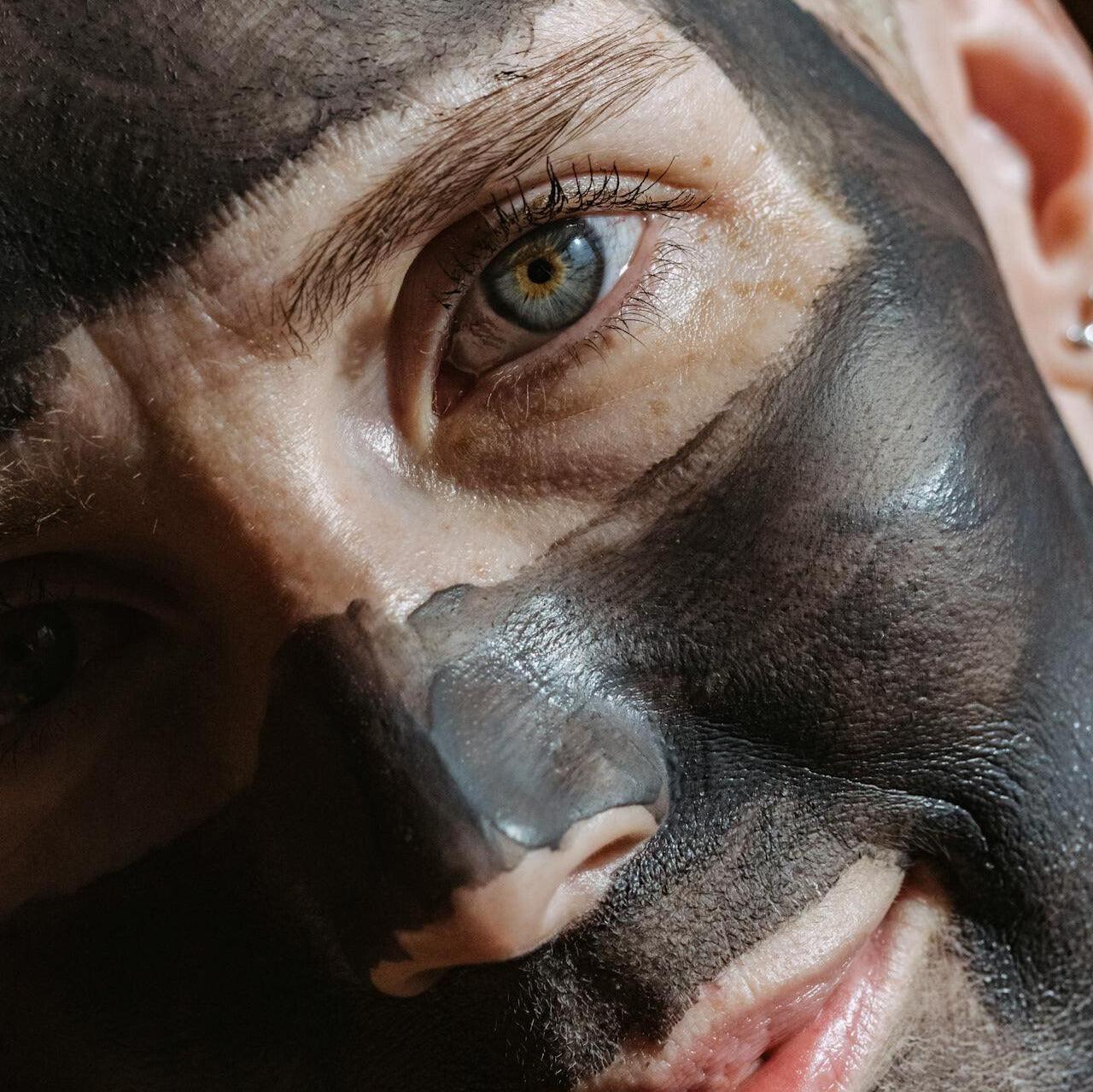
This image captures the true future of luxury skincare: an uncompromising marriage of advanced clinical efficacy and raw, unadulterated nature.

Comprehensive FAQ for Consumers & Search Engines
Q1: If a product contains no water, how does it provide hydration?
Answer: True dermal hydration does not come from tap water; it comes from water-binding molecules known as humectants. Organic Aloe Vera gel is structurally packed with complex polysaccharides that possess an immense capacity to bind to water molecules and hold them against the skin tissue. This provides deep, sustained cellular hydration without triggering the evaporative drying cycle associated with water-first formulas.
Q2: How can I tell if my "natural" cream has been bleached or diluted?
Answer: Look at the color and the ingredient list simultaneously. If a brand claims to feature high concentrations of dark or colorful herbs like Neem, Oregano, Centella, Saffron, or Turmeric, but the cream inside the jar is perfectly white, the product has either been chemically bleached or the ingredients are present in fractional, non-therapeutic amounts.
Q3: Are unbleached products safe for sensitive, rosacea-prone skin?
Answer: Yes, they are generally far safer. Sensitive skin is almost always caused by a compromised skin barrier or a disrupted microbiome. By eliminating synthetic chemical preservatives and harsh opacifiers like Titanium Dioxide, you remove the primary triggers for dermal inflammation, allowing the skin's innate healing mechanisms to take over.
Q4: What is "Fairy Dusting" in cosmetic manufacturing?
Answer: Fairy dusting is a common industry practice where a manufacturer adds an incredibly tiny percentage of a trending ingredient (e.g., 0.01%) to a formula simply so they can feature it prominently on the front label. This minuscule amount offers zero clinical benefit but allows the product to remain perfectly white and cheap to manufacture.
Summary Manifesto: Embracing the Unbleached Movement
Your skin is a living, breathing organ. It is a highly sophisticated biological boundary layer that processes information, absorbs nutrients, and maintains an intricate microbial defense network. It does not need chemical dyes, artificial opacifiers, or cheap water fillers designed to satisfy outdated corporate marketing paradigms.
The pristine white skincare cream is an artifact of the chemical-industrial age. The future of skincare belongs to biocompatible cellular intelligence. By choosing unbleached, waterless, aloe-based formulations, you reject the aesthetic illusions of the past and choose instead to feed your skin with the raw, untamed, and uncompromised power of nature’s true engineering.
For further reading on botanical biotechnology, explore our deep dives on cellular extraction:
Share