


















How to Layer Skincare Products: A Step‑by‑Step Guide
Most people get the order wrong and end up with irritation or wasted actives. In this guide you’ll learn the exact steps to layer skincare products so each ingredient works at its best. We’ll walk through cleansing, balancing, treating, moisturizing, and protecting , all backed by science and Ayurveda.
Step 1: Cleanse & Prep Your Skin
Start with a gentle cleanser that lifts dirt without stripping the skin’s natural oils. A microbiome‑friendly formula keeps the good bacteria happy while removing makeup, sweat, and pollutants. Think of it as clearing the stage before the performance.
For a plant‑based, barrier‑supporting clean, try OM Botanical’s Barrier Balance Creamy Cleanser. It uses enzymes from papaya and pineapple and soothing ingredients such as Chamomile and Licorice. The result is a clean face that still feels soft.
Massage the cleanser in circular motions for about 30 seconds. This gentle friction helps stimulate circulation, gently exfoliates and lets the cleanser reach every nook.
Pat your skin dry with a clean towel. Avoid rubbing , a light pat keeps the moisture layer intact, which is key for the next steps.

Step 2: Tone, Balance & pH Reset
After cleansing, the skin’s pH can sit a little high. A mild, hydrating toner nudges it back to the slightly acidic range (around 5.5) where the microbiome thrives.
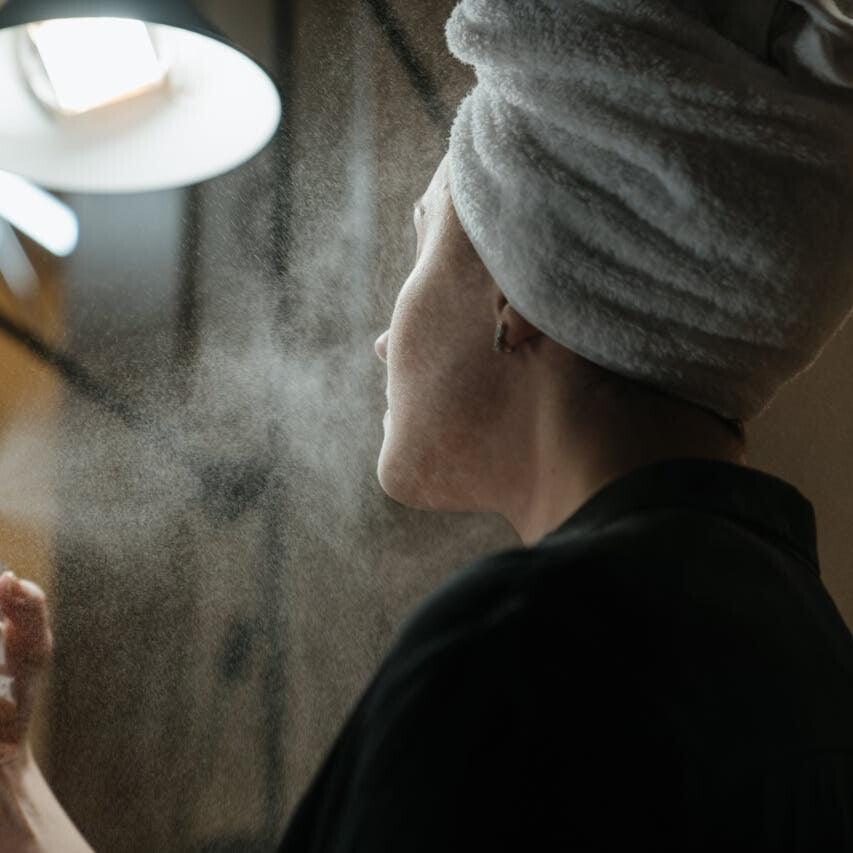
Look for a toner that blends water‑based humectants with soothing actives. The Antioxidant spray and balancing spray from OM Botanical are pH Balancing Toners This helps calm post‑cleanse tightness and prepares the skin for serums.
Apply the toner with a cotton pad or press it directly onto the skin. The goal is a thin, even layer that quickly absorbs.
Wait 30 seconds for the toner to settle before moving on. This pause lets the pH stabilize, which improves the absorption of antioxidant serums later.
Niacinamide: the best ingredient for skin barrier repair is a great example of a post‑toner serum that loves a balanced pH.
Step 3: Apply Serums & Targeted Treatments
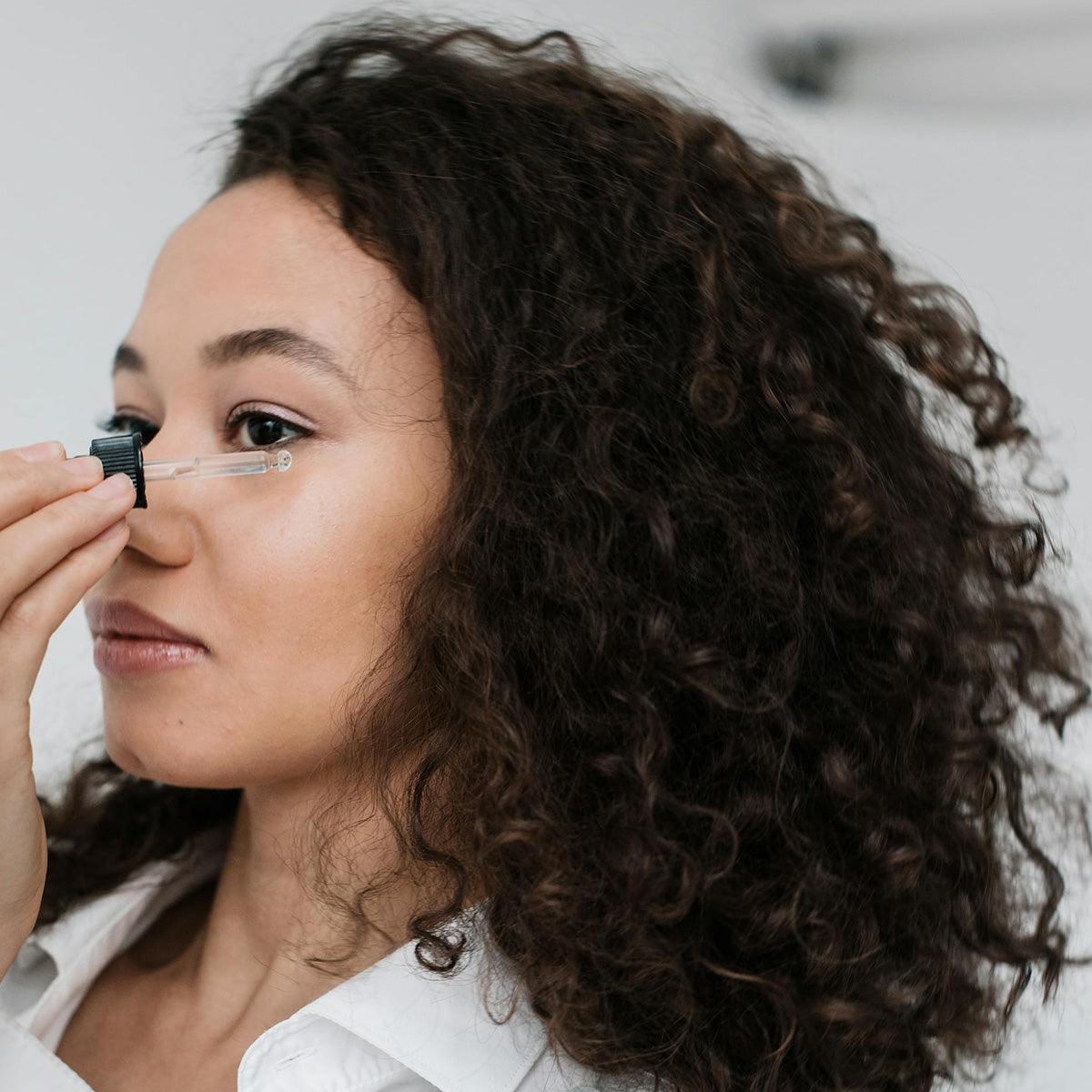
Serums are the workhorses of any routine. They’re packed with actives in a light base that can reach deep layers.
Start with antioxidants like Vitamin C. Apply a few drops and let it sit for a minute. Vitamin C protects against free‑radical damage and brightens tone. Tremella mushroom added to this serum to draw water into the skin, creating a plump look.
Bakuchiol Serum: natural alternative to retinol offers a gentle retinol‑like effect without the harshness, making it ideal for those new to actives. Wait until the skin feels completely dry, about 2‑3 minutes , before layering them. This avoids irritation, especially for sensitive skin.
Finish the serum stage by lightly tapping the product into the skin. Patting helps the skin absorb without pulling.
Step 4: Moisturize & Seal the Layers
Moisturizer is the seal that locks in everything you’ve applied. It should match your skin type , lightweight for oily or richer for dry.
Plant‑based moisturizers that contain barrier‑supporting lipids like ceramide rich unrefined oils or butters) work best with a microbiome‑friendly routine. The OM Botanical Moisture Balance Cream delivers essential fatty acids that the skin’s barrier needs.
Apply a pea‑size amount to damp skin. The water on the surface helps the moisturizer glide and absorb faster.
Massage in upward strokes. This supports lymphatic flow, a principle echoed in Ayurveda for moving “vata” energy.
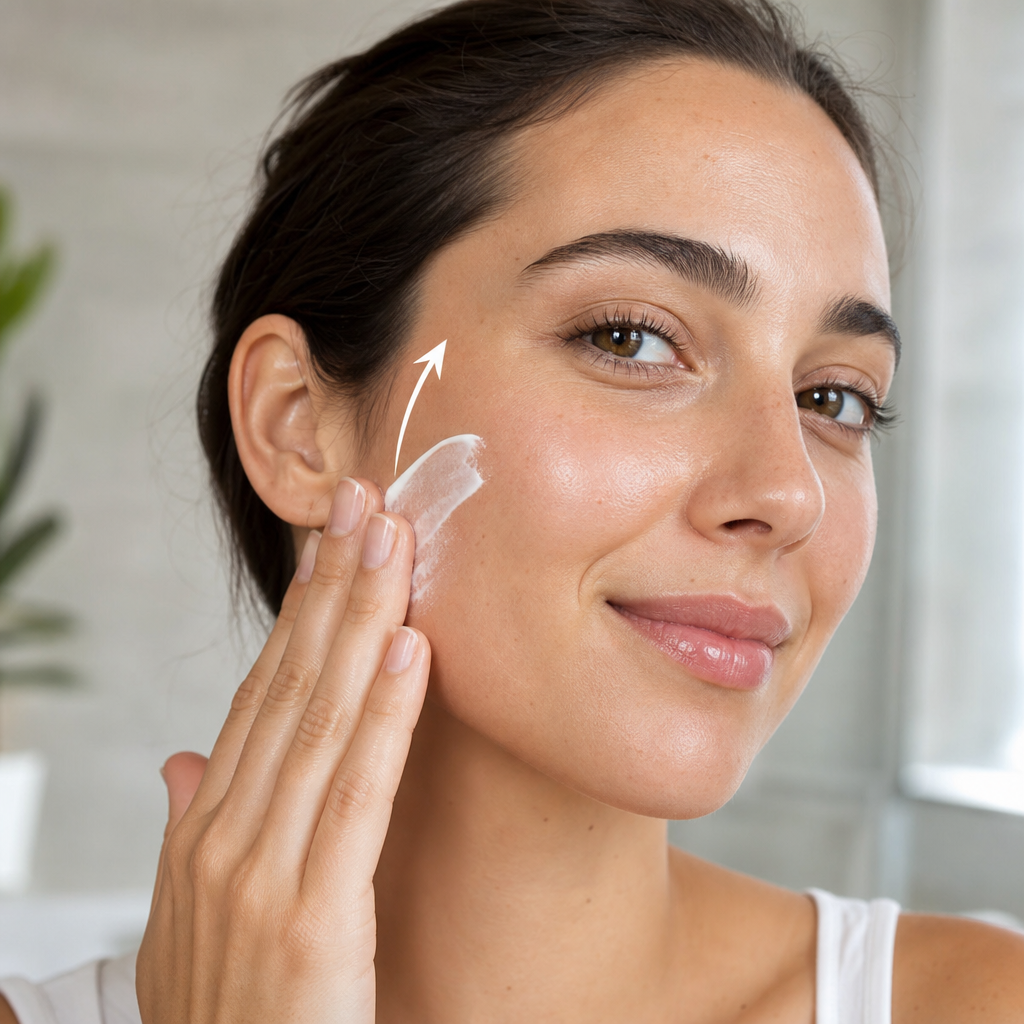 How does mineral sunscreen protect your skin? reminds us that even a good moisturizer needs a final barrier in the morning.
Step 5: Sun Protection & Night‑Time Care
Sun is the number one cause of premature aging. A mineral sunscreen with zinc oxide and raspberry oil forms a physical shield that doesn’t upset the microbiome.
Apply sunscreen as the last step of your morning routine, after moisturizer. Use about a nickel‑size amount for the face and blend outward.
At night, the skin enters a repair mode. This is the perfect window to add richer treatments like peptide creams or oil blends that support barrier renewal.
Never use harsh exfoliants. Instead, focus on soothing ingredients like aloe, centella, or a light oil that won’t clog pores.
Radiant Skin Awaits: Best Botanical Skincare Serums for 2026 offers options that double as night‑time boosters.
Science Layer: Microbiome & Skin Barrier
The skin’s microbiome is a community of friendly microbes that defend against pathogens and keep inflammation low. Disrupting this ecosystem can lead to acne, eczema, or premature aging.
Research shows that products formulated without harsh preservatives or high‑pH surfactants help maintain a balanced microbiome. A study in Wikipedia’s skin microbiome entry explains how a stable bacterial layer supports barrier lipids and reduces transepidermal water loss.
When you layer a microbiome‑friendly cleanser, a pH‑balanced toner, and a barrier‑repair moisturizer, you create an environment where good bacteria thrive.
Look for ingredients like inulin, panthenol, and probiotic extracts. These feed the beneficial microbes and signal the skin to produce more ceramides.
By respecting the skin’s tiny ecosystem, you reduce the need for aggressive spot‑treatments later.
Ayurveda Layer: Balancing the Doshas in Skincare
Ayurveda sees skin health as a mirror of the three doshas, Vata, Pitta, and Kapha. Each dosha has its own temperament, and an imbalance shows up as dryness, redness, or oiliness.
Vata (air & ether) needs grounding, warm oils, and humectants. A rosehip or almond oil base helps calm the dry, flaky feel.
Pitta (fire & water) benefits from cooling herbs like neem, licorice, or aloe. These soothe inflammation and prevent hyperpigmentation.
Kapha (earth & water) thrives on light, clarifying ingredients such as tea tree or gentle exfoliants that keep pores clear.
OM Botanical blends whole‑plant extracts to address all three doshas at once. Gotu Kola, for example, balances Vata with its nourishing properties, while neem calms Pitta fire.
Use a Vata‑balancing oil in the morning, a Pitta‑cooling serum at noon, and a Kapha‑lightening mist before bed. This rhythm mirrors the Ayurvedic principle of “dinacharya” , daily self‑care.
FAQ
Is it better to apply moisturizer before or after serums?
In most cases, apply serums first because they are lightweight and need direct contact with the skin. Moisturizer comes last to lock in the actives and add a protective lipid layer. If you have very sensitive skin, a thin moisturizer can be used as a buffer before powerful serums, a tip supported by recent skin‑care research.
Can I layer a vitamin C serum with a bakuchiol product?
Vitamin C works best on clean, slightly damp skin, while bakuchiol needs a dry surface. Use vitamin C in the morning and bakuchiol at night, or wait at least 15 minutes between the two if you must use them together. This prevents pH conflict and reduces irritation.
How often should I use a toner?
Twice daily is ideal for most people , once after your morning cleanse and once after your evening cleanse. If your skin feels tight, you can add a third application after a mid‑day cleanse with a gentle micellar water.
What makes a sunscreen “mineral” and why is it better for the microbiome?
Mineral sunscreens contain zinc oxide that sit on the skin’s surface and reflect UV rays. They lack the chemical filters that can disrupt the skin’s microbial balance, making them a safer choice for microbiome‑friendly routines.
Do I need to wait between each layer?
Give each product about 30‑60 seconds to absorb. Thinner liquids like serums need less time, while creams benefit from a minute or two. This short pause ensures each layer can settle and work without being diluted by the next.
Can I use the same routine year‑round?
Seasonal changes affect skin barrier needs. In winter, add richer oils or a barrier‑repair cream. In summer, opt for lighter lotions and a higher‑SPF sunscreen. Adjusting the texture keeps the routine effective all year.
How do I know if my routine is too aggressive?
Signs of over‑layering include redness, stinging, or a tight feeling after each step. If you notice these, simplify: cut back to cleanser, toner, one serum, moisturizer, and sunscreen. Gradually re‑introduce actives once the skin calms.
Is it safe to mix plant‑based oils with bakuchiol?
Yes, if you apply the oil after the bakuchiol has fully absorbed (about 5‑10 minutes). This creates a protective seal that reduces irritation while still letting retinol work underneath.
Conclusion
Layering isn’t magic; it’s chemistry. Cleanse, balance, treat, moisturize, and protect , in that order, lets each ingredient hit its target. When you add microbiome‑friendly choices and Ayurvedic herbs, the routine becomes both scientific and full.
We’ve shown how a simple step‑by‑step plan can turn a chaotic shelf of bottles into a harmonious system that supports barrier health, balances doshas, and boosts glow. Try the routine for a week, note how your skin feels, and then fine‑tune with the tips above.
Ready to upgrade? Explore OM Botanical’s full line of plant‑based, microbiome‑supporting products and start building a routine that respects both modern science and ancient wisdom.
Share