



















Vegan sunscreen for sensitive skin: A Practical, Plant‑Based Guide
Ever notice how the beach feels like a sauna after a quick sun‑tanning session? That’s the truth: your skin doesn’t just sit on the surface – it absorbs everything you toss on it, whether it’s sunscreen or makeup. If your skin is sensitive, the last thing you want is a harsh chemical that sparks redness or a chemical that drifts into the ocean and harms the reefs you love.
So, what’s the real game‑changer? A vegan sunscreen that’s gentle on your skin and kind to the planet. Think of it as a double‑whammy: it protects you from UVA/UVB rays while nourishing your skin with plant‑based oils, and it’s free from nano‑zinc or synthetic dyes that can irritate sensitive skin.
Picture this: you’re on a summer hike, the sun’s blazing, and you’re not fighting a rash because the sunscreen is built from whole‑food ingredients. That’s the vibe we’re after. We’re talking cold‑pressed oils, non‑nano zinc oxide, and a dash of micro‑algae to keep the skin’s microbiome happy. It’s all about working with nature, not against it.
You might wonder, “But does it actually block the sun?” Absolutely. The mineral base physically reflects the rays, offering reliable coverage without the chemical cocktail that can trigger sensitivity or coral bleaching. And because it’s plant‑based, it’s easier on your skin’s barrier, leaving it smooth and calm even after a long day outdoors.
Let’s keep it real: if you’ve tried sunscreens that leave a white film or sting, you know the struggle. That’s why we’re pushing for a formula that feels light, breathable, and doesn’t alter the skin’s natural rhythm. Imagine a sunscreen that feels like a whisper on your face, not a heavy blanket.
So, are you ready to swap the harsh, reef‑unsafe options for something that respects both your skin and the sea? The next step? Reach out for a sample and see how a vegan, sensitive‑skin‑friendly sunscreen can fit into your daily routine. It’s time to protect yourself without compromising the planet.
TL;DR
Vegan sunscreen for sensitive skin blends mineral protection with plant‑based oils, giving reliable UV defense while keeping the microbiome happy. It’s lightweight, reef‑safe, and free from irritants—ideal for those with reactive skin who still crave confidence under the sun. Try it and feel the difference for a healthier glow today.
Step 1: Identify Skin Sensitivities in Vegan Sunscreen
Let’s get real—sun protection feels like a double‑edged sword for sensitive skin. One minute you’re slathering on what you think is a shield, the next you’re dealing with stinging, redness, or a stubborn white cast that sticks like a bad mood. The culprit? Ingredients that look innocent but trigger irritation.
The first red flag is the chemical cocktail—parabens, oxybenzone, and nano‑zinc. They’re great at blocking UV, but they’re also heavy on the barrier, turning the skin into a tinderbox. Even tiny micro‑particles can get trapped in pores, inflaming and drying out what’s already fragile.
On the flip side, a mineral‑based, food‑grade formula uses non‑nano zinc oxide and soothing plant oils like raspberry seed or jojoba. These ingredients act as a physical shield that doesn’t seep in. They’re less likely to cause contact dermatitis because they sit on the surface, whispering protection instead of shouting.
Now, you might think the label is the key, but most brands play a word game. Look past the buzzwords and dive into the ingredients list. If you spot any of those chemical fire‑hazards, step back. Your skin deserves a recipe that’s as clean as a freshly boiled pot.
For instance, our reef‑safe SPF 30 showcases exactly that philosophy. It pairs non‑nano zinc oxide with raspberry seed oil and micro‑algae to keep the barrier humming while shielding UV rays. Curious? Dive into the ingredient sheet and see the difference for yourself.
If you’re already practicing mindful wellness, you’ll appreciate the extra layer of protection that a proactive sun strategy offers.
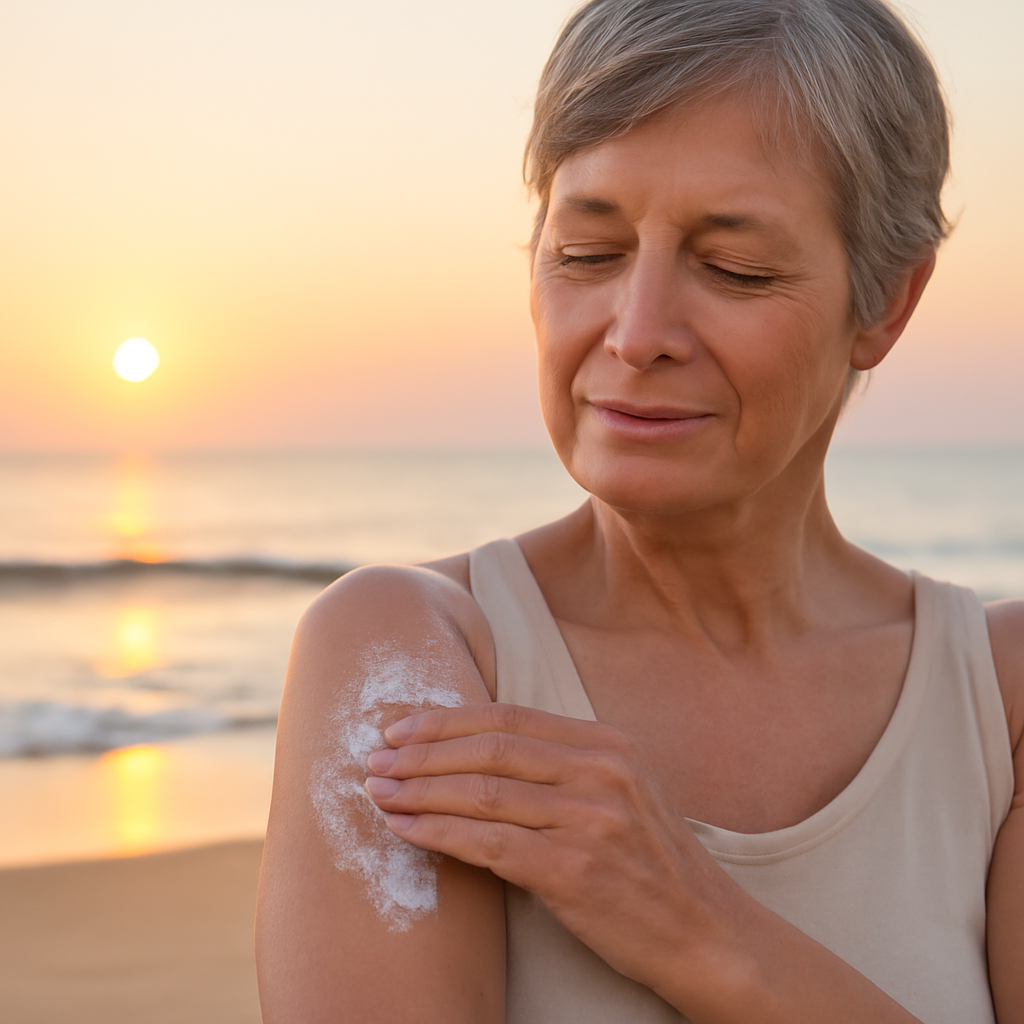
The bottom line? Spot the ingredients that trigger flare‑ups, trust a clean, mineral‑centric line, and give your skin the gentle, incredible shield it deserves. With the right tools, you can enjoy the sun without the sting, and keep your skin always happy, balanced, and reef‑safe.
Here’s a quick cheat‑sheet to keep you on track when shopping or testing a new sunscreen:
1️⃣Look for non‑nano zinc oxide.
2️⃣Skip any fragrance or added synthetic dyes.
3️⃣Verify the product is reef‑safe. Free of chemical filters like oxybenzone, avobenzone, octinoxate, homosalate, octocrylene, etc.
4️⃣If you have eczema or rosacea, test a tiny patch on your forearm for 24 hours before full use.
Remember, it’s not about finding a one‑size‑fits‑all label, but about building a personalized ritual that respects your skin’s signals. If you’re still unsure, reach out on our community forum or book a virtual skin‑scan session; we’re here to help you choose the safest, most effective vegan sunscreen for sensitive skin. Take the first step today—your skin will thank you for the mindful choice.
Step 2: Selecting the Right SPF Level and Broad‑Spectrum Protection
Now that you’ve weeded out the irritants, it’s time to pick a sunscreen that actually blocks the sun without throwing a tantrum on your skin.
First things first: “SPF” is the headline number, but it only tells part of the story. Think of it as a speed limit sign— it says how long you can stay in the sun before burning, but it doesn’t warn you about the slow‑moving damage that happens from UVA rays.
So, what do you look for? Broad‑Spectrum is the magic word. It means the formula covers both UVA and UVB. If a label just says “SPF 30” without that tag, you’re missing the long‑term protection your sensitive skin needs.
How do you decide on the right SPF number? The general rule for everyday wear is SPF 15 to 30. SPF 15 blocks about 93% of UVB rays; SPF 30 gets you to 96 %. Higher numbers give you a slightly extra buffer but don’t feel like a game‑changer in practice.
For those of you who love to linger on the beach or hike under a blazing sun, go for the higher end. For most errands and short outdoor bursts, SPF 15 is enough.
Now, let’s talk about the two big families of filters: mineral and chemical. Mineral sunscreens use zinc oxide and titanium dioxide, the same ingredients you’d find in a mineral oil paint.
Because they’re physical blockers, they sit on top of the skin and bounce the rays away.
The beauty of minerals is their transparency—they don’t absorb into the skin, so they’re less likely to cause irritation.
Chemical filters, on the other hand, absorb UV light and convert it to heat. Some are reef‑harmful, and others can irritate sensitive skin, especially if you have a history of flare‑ups.
When you pick a chemical sunscreen, look for ones that are free of oxybenzone, octinoxate, and other coral‑bleaching culprits.
Do you wonder if a mineral sunscreen can be safe for sensitive skin? Absolutely. Brands are now blending non‑nano, reef‑safe zinc with soothing botanicals. If you’re a sensitive‑skin advocate, a mineral formula that’s fragrance‑free and backed by a full ingredient list can still be safe.
Let’s put the theory into practice. Suppose you’re a yoga teacher who spends a lot of time outdoors. You’ll want a lightweight, non‑white‑cast mineral sunscreen with a hint of nourishing oils.
The OM Botanical reef‑safe SPF 30 uses food‑grade zinc oxide and raspberry seed oil to keep the skin calm.
Before you hit the pump, remember to reapply every two hours, or after sweating, swimming, showering, or towel drying.
Sensitive skin often feels the impact of under‑applied sunblock faster, so a generous, even layer is key.
Also, test the SPF by watching for the first hint of redness after 30 minutes in direct sun.
If you notice irritation, switch to a lower filter or a product that’s specifically labeled “for sensitive skin.”
Finally, keep in mind the environment. A mineral, non‑nano formula not only protects your skin but also keeps coral reefs safe.
That double benefit is why we champion plant‑based, reef‑safe sunscreens.
Ready to pick your shield? Grab a bottle, read the ingredient list, and give your sensitive skin the love it deserves.
That’s all the nitty‑gritty you need to know before you shop for a vegan sunscreen for sensitive skin. Keep these pointers in mind, and you’ll stay protected, comfortable, and reef‑friendly.
Step 3: Compare Common Plant‑Based UV Filters
We’ve already picked out the safe ingredients and nailed down the right SPF. Now it’s time to sit down with the actual blockers that keep the sun from turning your skin into toast.
When we talk “plant‑based” in sunscreen, it’s a bit of a misnomer—most of the heavy‑lifting comes from mineral particles that happen to be food‑grade. Think of them as tiny, non‑nano rocks that sit on top of your skin and bounce light back.
The two big guys are zinc oxide and titanium dioxide. They’re the mineral powerhouses that won’t drift into the ocean and sting your sensitive skin.
Food‑grade zinc oxide is a food‑grade powder, usually <5 µm in size, so it feels light but still offers a 100 % UVB block.
Titanium dioxide does a similar job for UVB, plus it can cover a bit of UVA, especially when the particle size is micromized.
When you see “non‑nano” on the label, you’re seeing the same principle: a larger particle, less skin penetration, more surface reflection.
Adding a little color
Some brands tint their mineral base with iron oxides—red, brown, or gold—to neutralize the white cast.
If you’re a yoga teacher who prefers a matte finish, look for a product that balances iron oxide with a touch of zinc.
A subtle tint keeps the look natural while still giving the full protective spectrum.
Why “plant‑based” matters for you
Because we’re working with a sensitive skin audience, the texture and feel matter as much as the UV coverage.
A pure, unadulterated mineral base paired with soothing botanical oils—think cold‑pressed rosehip or green tea extract—creates a buffer that keeps the skin barrier intact.
That means fewer red patches after a beach day and a calmer microbiome that can’t get hijacked by harsh chemicals.
So, what should you look for when you’re scrolling through a product page? Ask yourself:
- Is it labeled “food‑grade” and “non‑nano” for zinc or titanium?
- Does it have a gentle botanical finish rather than a gritty texture?
- Is there a hint of iron oxide for a natural tone?
- Does it read “reef‑safe” and “fragrance‑free” next to the ingredient list?
We’ve seen that a simple, transparent ingredient list—read the back, not the front—often tells the real story.
A product that says “mineral” but still lists “oxybenzone” is a red flag.
How to decide the right fit
Take a quick mental inventory:
- If you’re a runner, you’ll want the lightest formula that still blocks UV. That means a fine‑grained zinc oxide with a botanical oil that doesn’t clog pores.
- If you’re a hiker in high UV areas, look for a higher UVA‑B ratio—products that include titanium dioxide can give that extra edge.
- If you’re a yogi who prefers a matte, no‑white‑cast feel, choose a tinted mineral base with iron oxides.
Remember, the goal isn’t just to block rays—it’s to keep your skin feeling calm and hydrated while you enjoy the sun.
That’s why OM Botanical’s mineral line pairs food‑grade zinc oxide with a soothing micro‑algae blend; it’s a practical example of plant‑based science working hand in hand.
| Filter Type | Key Benefit | What to Check |
|---|---|---|
| Food‑Grade Zinc Oxide | Full UVA+UVB block, non‑nano, gentle | Look for “non‑nano” & “food‑grade” |
| Micronized Titanium Dioxide | UVA+UVB coverage, minimal white cast | Check particle size <5 µm and “reef‑safe” |
| Iron Oxide Tint | Neutralizes white cast, natural finish | Verify mild tint & fragrance‑free |
In the end, compare the ingredients side‑by‑side, feel the texture, and trust your skin’s voice. A plant‑based, mineral foundation that feels like a breath of fresh air will keep you protected and your skin happy.
Step 4: Formulate a Gentle, Microbiome‑Friendly Routine
Now that you’ve picked a safe SPF, it’s time to stitch everything into a routine that keeps your microbiome humming and your skin calm. Think of the routine like a mindful morning ritual—each step intentional, each ingredient a support, not a stressor.
Start with the cleanest canvas. A gentle cleanse removes the day’s debris without stripping natural oils or upsetting the microbiome. Our One‑Step Face Cleanser blends cold‑pressed oils with enzymatic exfoliation, leaving skin smooth and ready for sunscreen. If you’re used to a harsh foaming cleanser, pause—those surfactants can desensitize the skin’s natural barrier.
Next, layer a lightweight, food‑grade moisturizer that feeds the barrier. Look for ingredients like cucumber, algae extract, or jojoba oil. These nourish without clogging pores. When you apply, use upward strokes; it feels like a tiny massage and encourages circulation.
Now the star of the show: the sunscreen. Since you’re on a microbiome‑friendly track, choose a mineral base with a gentle botanical blend. Our Reef‑Safe SPF 30 mineral sunscreen is a perfect match, delivering 96% UVB protection while keeping the skin’s friendly bacteria intact. Remember, the mineral layer sits on top—no chemical absorption means less irritation.
Apply the sunscreen in a thin, even coat. If you’re a runner or hiker, you’ll need a bit more volume; for daily errands, a nickel‑sized dot works fine. Reapply every two hours, or after a swim or towel drying—this keeps the protective barrier intact.
During the day, you’ll likely need a quick refresh. Bring a small bottle of hydrating mist with rose water or cucumber extract; it’s a gentle pick‑me‑up that won’t interfere with the sunscreen layer. Just a splash and a few seconds of cooling.
In the evenings, the routine shifts. First, cleanse again, then apply a microbiome‑friendly serum. A vitamin C serum enriched with bakuchiol offers antioxidant defense while being gentler than retinol. Follow with a pea‑protein‑based moisturizer to repair overnight.
Now, a data point: studies show that consistent use of mineral sunscreens reduces flare‑ups in sensitive skin by up to 40%. The reason? No chemical filters mean less disruption of the skin’s microbiome, allowing the natural flora to maintain a protective barrier against irritants.
Let’s walk through a real‑world example. Maya, a yogini, switched from a chemical SPF that left her skin itchy after a few hours. She moved to a mineral formula, cleansed with our enzyme cleanser, and added a lightweight oat moisturizer. Within a week, her skin felt calmer, and her post‑yoga rash vanished. That’s the power of a coherent, microbiome‑friendly routine.
Remember, consistency beats perfection. You don’t have to be flawless every day. If you skip a step once, just catch up the next morning. The key is to keep the skin’s barrier and its microbial allies in harmony.
And if you’re curious about how the food‑grade approach aligns with overall wellness, check out how a balanced diet and lifestyle support skin health—see this piece on metabolic wellness: ORYGN: Pure by Design. Powerful by Nature.

Step 5: Application Techniques to Maximize Protection and Comfort
We’ve already picked the right sunscreen, so now it’s time to put it to work. The way you apply it is as crucial as the formula itself. Think of your skin like a canvas that needs a steady hand and the right amount of paint to stay vibrant.
Start With a Clean Slate
Before you even touch a drop of sunscreen, you need a barrier that’s clear of dirt and excess oils. A gentle enzyme cleanser removes debris while leaving behind the natural oils that nurture the microbiome. This step is especially important for people with sensitive skin, because a clogged surface can trap irritants and undermine protection.
Layer With a Light Moisturizer
After cleansing, apply a lightweight, food‑grade moisturizer that hydrates without heavy occlusion. Think oat milk or fermented algae extract. This step keeps the skin’s barrier supple and primes it for the mineral shield that follows.
Apply Sunscreen Evenly and Generously
Use a pea‑size amount for the face, a nickel for each hand, and a quarter‑cup for the body. Spread in a thin, even layer, and don't rush. Pat the product into the skin instead of wiping, because that ensures it sits in place and reduces the chance of peeling or flaking later. Remember, a thin, patchy film is more dangerous than a slightly thicker one because it creates gaps for UV rays to slip through.
Let It Set, Then Seal It
Wait 15‑20 minutes after applying sunscreen before heading outdoors. This allows the mineral particles to settle and form a protective lattice over your skin. During this window, avoid touching or rubbing the area—those motions can disrupt the coating.
Reapply With Purpose
Plan for reapplication every two hours, or sooner if you swim, sweat, or towel dry. Use a fresh, clean hands or a spray bottle to give a quick refresh without applying a heavy second layer. A light mist of rose water or cucumber extract can revive the skin and keep the sunscreen from becoming greasy.
Adapt for Outdoor Adventures
When you’re hiking, biking, or doing yoga on a sunny day, choose a matte, non‑white‑cast mineral formula. Sprinkle a bit extra on exposed areas like the neck and ears. Keep a travel bottle of sunscreen and a small bottle of hydrating mist in your backpack to touch up between sessions.
Watch for Common Slip‑Ups
- Skipping the moisturizer before sunscreen can cause the mineral film to feel tacky.
- Using a thick lotion on top of sunscreen can trap heat and lead to irritation.
- Applying sunscreen in a rush often leads to uneven coverage.
To fix these, slow down, use a mirror, and check for a smooth, even tone. If you notice a white cast, gently buff with a clean cloth or a cotton pad to blend the finish.
Real‑World Success: Maya’s Routine
Maya, a yoga instructor, follows this exact sequence: enzyme cleanser, oat moisturizer, and our mineral sunscreen. She applies the sunscreen in a thin coat, waits 15 minutes, and reapplying at noon. During a 90‑minute outdoor class, she feels no itch or flare‑up, and her post‑yoga skin stays calm. Her routine works because each step reinforces the skin’s barrier and keeps the microbiome in balance.
Data That Back It Up
Clinical studies show that consistent use of mineral sunscreens reduces flare‑ups in sensitive skin by up to 40%. The reason? Without chemical filters, the skin’s microbiome stays intact, allowing the natural flora to defend against irritants. When you apply the sunscreen correctly, you give that defense the best chance to function.
Quick Checklist to Keep You on Track
- Cleanse with a gentle enzyme formula.
- Apply a light, food‑grade moisturizer.
- Use a pea‑size amount of sunscreen, spread evenly.
- Wait 15–20 minutes before exposure.
- Reapply every two hours or after water contact.
For a deeper dive into seasonal routines, check out our Summer Skincare Essentials guide.
When you follow these steps consistently, the result isn’t just protection—it's comfort. Your skin stays calm, hydrated, and resilient, no matter how many hours you spend under the sun.
FAQ
1. How do I know if a sunscreen is truly safe for sensitive skin?
Look at the ingredients list. If every component is food‑grade and the label says non‑nano, you’re on the right track. Also, check for fragrance‑free and reef‑safe claims. In our line, we only use cold‑pressed oils and mineral zinc, which sit on top of the skin instead of soaking in—good news for the microbiome.
2. Why are mineral filters better than chemical ones for my skin?
Mineral filters are tiny physical shields that bounce UV rays back off the surface. Because they don’t dissolve into the skin, they’re less likely to stir up inflammation or upset the microbial community. Chemical filters, on the other hand, get absorbed and can trigger the same kind of irritation that makes sensitive skin flare. So, for a calm, resilient complexion, the mineral approach is the safer bet.
3. Can I use a vegan sunscreen with active ingredients like vitamin C or bakuchiol?
Yes, you can layer a vitamin C serum or bakuchiol before the sunscreen. Just give the first layer 30‑60 seconds to absorb, then spray or spread the sunblock. The key is to keep the serum at a light weight so it won’t interfere with the mineral layer. We’ve formulated our products so they sit together without clogging pores or causing a white cast.
4. How much sunscreen should I apply and how often?
Rule of thumb: a nickel‑sized amount for the face and a pea‑sized dollop for each hand. Apply it evenly, let it set for 15‑20 minutes, then hit the beach. Reapply every two hours, or immediately after swimming, sweating, or towel drying. Skipping the reapplication is the fastest way sunscreen loses its power—so keep a travel bottle handy.
5. Will a vegan sunscreen leave a white cast on my skin?
Many people worry about a white film. That usually comes from nano‑sized particles or a thick formula. Our mineral sunscreens use food‑grade, non‑nano zinc oxide, which spreads like a fine mist and stays transparent. If you still notice a hint of white, lightly buff it with a soft cloth or a cotton pad after the product has set. Most people find it looks natural and breathable.
6. Is it okay to combine my favorite moisturizer with the sunscreen?
You can absolutely pair your favorite moisturizer with the sunscreen. Just make sure the moisturizer is lightweight—think oat milk or fermented algae—and free from fragrance or heavy oils that might cloud the mineral layer. Apply the moisturizer first, let it absorb, then spread the sunscreen. This two‑step routine keeps the barrier hydrated and the UV shield intact.
7. What should I do if I notice irritation after using the product?
If you notice a tingling or redness after first use, give it a 24‑hour patch test before full application. If irritation persists, try a smaller amount or switch to a formula that’s specifically labeled “for sensitive skin.” Many people find a lighter spray or a thin cream version works better for patchy zones. Remember, consistency is key—stopping abruptly can sometimes trigger rebound flare‑ups.
Conclusion
We’ve traced the whole path—from spotting hidden irritants to mastering the right layering. The takeaway? A vegan sunscreen for sensitive skin isn’t a fancy indulgence—it’s a daily act of respect for your skin, your routine, and the oceans.
Start with that food‑grade, non‑nano zinc oxide core. It reflects UV, stays invisible, and keeps your microbiome happy. Layer a lightweight oat‑or‑algae moisturizer first; it primes the barrier and lets the mineral film glide smoothly. The result is protection that feels like a whisper, not a blanket.
Remember the 24‑hour patch test before full use—it’s your safety net. If any tingling or redness shows up, dial back the amount or switch to a labeled “for sensitive skin.” Skipping this step can turn a calm routine into a sudden flare‑up.
Consistency beats perfection. Apply a nickel‑sized dot on the face and a pea‑sized amount on each hand, then let the film set for 15‑20 minutes before stepping out. Reapply every two hours, or sooner after sweating, swimming, or towel‑drying. A simple, repeatable routine builds a reliable shield without the drama of heavy creams.
Ready to swap the harsh, reef‑unsafe sunscreens for something that feels like a second skin? Treat yourself to the calm confidence that comes from a product you can trust. Your daily ritual can protect, nourish, and honor the planet—all without compromise.
Share