


















What Is Skin Microbiome? A Complete Guide to Balance and Care
Most people think skin care is only about creams and masks. The truth is far deeper, tiny microbes live on every square inch of you. If you know what the skin microbiome is, you can keep those microbes happy, and your skin will thank you. In this guide you’ll learn the science, the Ayurvedic view, the things that throw the balance off, and simple steps you can take at home.
What Is the Skin Microbiome?
The skin microbiome is the community of bacteria, fungi, viruses and even tiny mites that call your skin home. Think of it as a bustling city that lives in the grooves of your pores and the surface of your arms. Researchers have counted billions of these microbes on an adult’s skin, spread over about 1.8 m² of surface area.
Scientists use DNA sequencing to see which species are there. The biggest groups belong to four bacterial families: Actinobacteria (about 52% of the load), Firmicutes (24%), Proteobacteria (16%) and Bacteroidetes (6%) (source). Within those families, three genera , Cutibacterium, Staphylococcus and Corynebacterium , make up 45‑80% of everything you see under the microscope.
These microbes do more than just sit there. They help keep the skin barrier strong, make the surface slightly acidic, and chase away invaders that could cause infection. In return, the skin provides food (like sebum) and a safe place to live. When the partnership works, you get smooth, clear skin. When it breaks, you see redness, breakouts, or dryness.
For a quick visual, imagine a map of a city where each neighborhood hosts a different micro‑resident. That map changes with age, climate, and what you put on your skin. Understanding the importance of a healthy skin microbiome can help you make better choices.
Key Takeaway: The skin microbiome is a diverse, living ecosystem that supports barrier health and protects against pathogens.
Why a Balanced Microbiome Matters for Your Skin
A healthy microbiome keeps the skin barrier tight. The barrier is a thin layer of lipids and proteins that stops water from escaping and blocks irritants. Good bacteria produce short‑chain fatty acids that keep the surface pH around 5.5, a level that discourages harmful germs.
When diversity drops, you see a spike in bad bugs like Staphylococcus aureus. Studies of acne, eczema and psoriasis all show a sharp loss of microbial variety and a ten‑fold rise in total bacterial density (Wikipedia). In atopic dermatitis, the Shannon diversity index falls from 4.49 in healthy skin to 2.9 in lesions , a clear sign of imbalance.
That shift also fuels inflammation. Bad microbes send signals that trigger immune cells, leading to redness, swelling and the itch you feel. Over time, chronic inflammation ages the skin faster, making fine lines appear sooner.
Because the microbiome talks to immune cells, keeping it balanced also supports overall skin immunity. It helps the skin produce antimicrobial peptides that act like tiny soldiers against infection.
When you choose products that respect this ecosystem, you give your skin a chance to stay resilient. When you strip away the microbes with harsh surfactants, alcohols and chemicals, you open the door for irritation and breakouts.
Common Factors That Disrupt the Skin Microbiome
Every day you expose your skin to things that can shake the microbial balance. Below is a quick look at the biggest culprits.
One study that tracked volunteers over nine weeks found that stopping a deodorant caused a drop in both chemical and microbial diversity on the armpit, while re‑introducing the product pushed the community back toward its original state. The chemistry of the product lingered on the skin for up to two weeks, showing how long a single product can shape the microbiome.
Even simple habits like frequent hand washing can shift the balance on your fingertips, because the skin there is constantly wet and exposed to soaps.
Ayurvedic View: Microbiome and the Tri-Doshic Balance
Ayurveda sees the skin as a mirror of the three doshas , Vata, Pitta and Kapha. Each dosha governs a different skin quality. Vata relates to dryness and barrier strength, Pitta to inflammation and redness, and Kapha to oil and texture.
The microbiome fits right into that picture. Too many oil‑loving microbes (like Cutibacterium) can push Kapha high, leading to shine and clogged pores. An overgrowth of Staphylococcus aureus can fire up Pitta, causing flare‑ups and heat. When beneficial microbes are low, Vata suffers, and the skin feels rough and dehydrated.
Balancing the doshas means feeding the right microbes. Warm, moist herbs such as neem and turmeric calm Pitta, while grounding oils like sesame soothe Vata. Kapha‑balancing blends often contain bitter herbs that keep the bacterial load in check.
Our own research page on tri‑doshic balance explains how each Ayurvedic ingredient can nudge the microbiome toward harmony. When the doshas are in sync, the skin barrier stays strong and the microbiome thrives.
Think of it as a three‑way conversation: the doshas set the tone, the microbiome replies, and the skin shows the result.
How to Support Your Skin Microbiome Naturally
The easiest way to help your microbes is to keep the environment they love. Below is a step‑by‑step routine you can try.
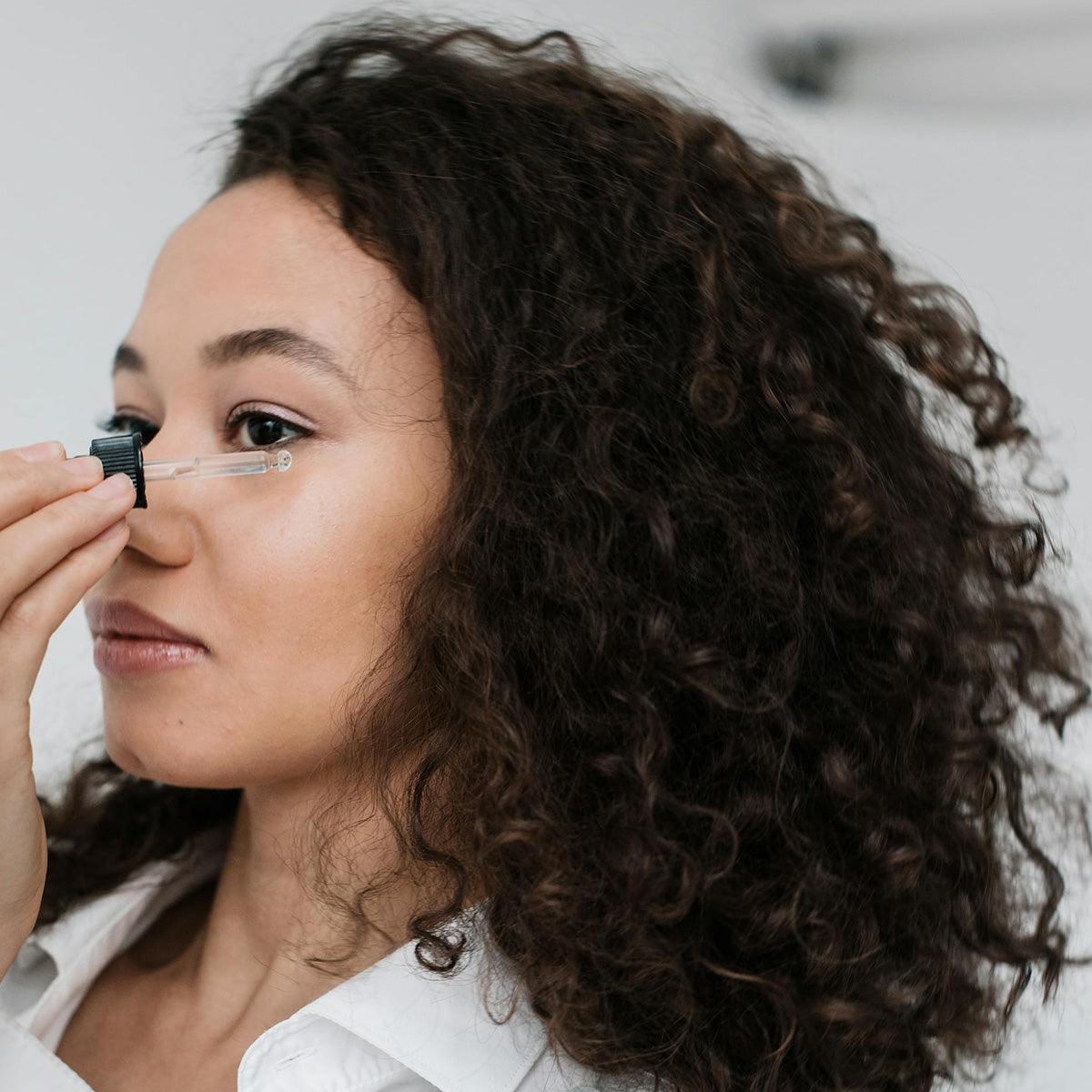
Our own Biome Balancing Serums follows this formula. It combines fermented barley water (prebiotic) with plant‑derived peptides that signal the skin to produce more ceramides, strengthening the barrier while keeping microbes fed.
Beyond products, lifestyle matters. Eat a diet rich in fiber, polyphenols and fermented foods , the same nutrients that nurture gut microbes also reach the skin through circulation. Stay hydrated; water helps keep the surface pH stable.
When you travel or switch routines, give your skin a 48‑hour break from new actives. This pause lets the microbiome settle before you add another stressor.
Finally, track your skin’s reaction. A simple pH strip can tell you if the surface is too alkaline (above 5.5). If it is, swap to a more gentle cleanser.
Frequently Asked Questions
What exactly is a skin microbiome?
The skin microbiome is the collection of microscopic life , bacteria, fungi, viruses and mites, that lives on the outer layer of your skin. It helps keep the barrier tight, balances pH and fights off harmful germs.
How can I tell if my microbiome is out of balance?
Signs include sudden breakouts, persistent redness, dry patches that don’t improve with moisturizers, or a feeling of tightness after cleansing. A pH strip reading above 5.5 often points to a disturbed community.
Do all cleansers kill skin bacteria?
Not all. Sulfate‑free, pH‑balanced cleansers remove dirt without stripping the protective microbes. Look for ingredients like licorice, chamomile or Thyme that are gentle on the microbiome.
Can probiotics in skincare really help?
Yes. Probiotic‑infused serums deliver live or dead beneficial bacteria that can out‑compete bad microbes and boost the skin’s own defenses. They also provide prebiotic fibers that feed existing good bacteria.
Is there a link between diet and skin microbes?
Absolutely. Foods rich in fiber, polyphenols and fermented products send nutrients to the skin through the bloodstream, supporting a diverse microbial community.
How often should I use an exfoliant?
Fruit enzymes are safest to use for your microbiome health, even daily. Avoid abrasive exfoliants at all times. Limit strong acids to once a week. Over‑exfoliating removes the lipid layer that good microbes need to thrive and can raise skin pH.
Are there any ingredients I should avoid?
Stay away from high concentrations of alcohol, synthetic fragrances, parabens, and mineral oil. These can disrupt the acid mantle and choke the microbes.
What role does Ayurveda play in modern microbiome care?
Ayurveda uses herbs that naturally support the microbes linked to each skin condition. By balancing Vata, Pitta and Kapha you also nurture a healthy microbial community.
Conclusion
Understanding what the skin microbiome is changes how you pick products and plan your routine. A balanced community protects the barrier, steadies pH and keeps inflammation at bay. When you feed the good microbes with plant‑based, food‑grade ingredients and avoid harsh chemicals, you give your skin the chance to repair itself naturally.
At OM Botanical we blend ancient Ayurvedic wisdom with modern microbiome science. Our formulas, like the Biome Balancing Serums, are built to feed the microbes while soothing the skin. Give your skin the simple, clean care it deserves and watch the difference over weeks, not days.
- Cleanse with a gentle, plant‑based cleanser that lists ingredients like gram flour or chamomile. Avoid sulfates and synthetic fragrances.
- Pat the skin dry. Rubbing can damage the barrier and stress microbes.
- Apply a prebiotic serum, think fermented radish root, aloe, niacinamide or bakuchiol. These fibers rich botanicals feed good bacteria.
- Follow with a microbiome‑friendly moisturizer that uses cold‑pressed oils (jojoba, safflower) and avoids mineral oil. Learn how to choose a microbiome-friendly moisturizer.
- Finish with a mineral sunscreen that does not contain oxybenzone or other harsh filters.
Share