












Understanding Witch Hazel for Skin Care: Everything You Need to Know

Key Highlights
Witch hazel comes from Hamamelis virginiana, a flowering shrub native to North America with a long history in folk medicine and skin care.
Its witch hazel extract contains tannins that give it astringent properties and can help manage excess oil on the skin’s surface.
Short-term skin benefits may include less visible oil, calmer skin inflammation, and temporary relief for minor skin issues.
Alcohol content matters because regular formulas can have a stronger drying effect and may stress the skin barrier.
Alcohol free witch hazel is often preferred for sensitive skin and ongoing use in witch hazel products.
A patch test helps lower the risk of skin irritation, allergic reactions, and other side effects.
Introduction
If you have seen witch hazel in toners, facial mists, or other skin care products, you may wonder if it is truly worth using. Witch hazel, often made from Hamamelis virginiana, has been used for generations as a botanical skin care ingredient. It is known for helping with oiliness, visible pores, and temporary soothing. Still, not every formula works the same way. That is why understanding the plant, the extract, and the alcohol content can help you make a smarter choice for your skin care routine.
The Science Behind Witch Hazel in Skin Care
Witch hazel extract comes from Hamamelis virginiana, a plant valued for its medicinal properties and long use in skin care. In topical use, its main skin benefits are linked to tannins and other plant compounds that can tighten the skin’s surface, reduce excess oil, and calm some visible irritation.
At the same time, the effects of witch hazel depend on the formula and how often you use it. It may help short-term skin conditions like puffiness, bug bites, or oily skin, but repeated use of harsher versions can lead to dryness or skin sensitivity. The details matter, so let’s start with where it comes from.
What Is Witch Hazel? Plant Origins and Extraction Process
Witch hazel usually refers to Hamamelis virginiana, a flowering shrub that grows through a good portion of North America. It has thin yellow flowers and a long record of use in skin care and home remedies. Native American communities used it for wounds, insect bites, and other skin concerns.
The extraction process usually uses the bark, twigs, and leaves. These plant parts are steamed or distilled to produce a clear liquid that is sold as witch hazel extract. Some versions are distilled with alcohol, while others are made through water-steam distillation for alcohol free witch hazel.
If you enjoy DIY skin care, natural witch hazel extracts are available in liquid form and hydrosol-style options. Even then, choose carefully. Purity, alcohol content, and skin type still matter when adding a folk medicine ingredient to modern skin care.
Key Active Components and Their Skin Effects
The best-known compounds in witch hazel extract are tannins. These are responsible for its astringent properties, which can create a temporary tightening effect on the skin’s surface. That is one reason a lot of people use witch hazel for oily skin or enlarged-looking pores.
Those same tannins can also influence how skin cells respond to irritation. In the short term, they may help reduce redness, puffiness, and excess oil production. This makes witch hazel useful in some witch hazel toners, spot applications, and products aimed at shiny or breakout-prone skin.
Witch hazel also contains antioxidant compounds that may offer some antioxidant protection against free radicals. That sounds promising, but balance is important. Some tannins may also be sensitizing, especially with regular basis use, so the overall effect depends on formula strength and your skin barrier.
Comparing Water Based Witch Hazel vs. Alcohol Free Witch Hazel
Not all witch hazel products feel the same on skin. The biggest difference often comes down to alcohol content. Regular distilled versions may contain around 14% to 15% alcohol, which can increase the drying effect and may impair the skin barrier over time.
By contrast, alcohol free witch hazel or water based witch hazel is usually chosen when you want a gentler formula. It may still provide some astringent feel, but it is often better suited to sensitive skin, dry skin, or combination skin that does not handle harsh toners well.
Feature |
Water Based Witch Hazel |
Alcohol Free Witch Hazel |
Regular Alcohol-Distilled Witch Hazel |
|---|---|---|---|
Base |
Water or steam-distilled liquid |
No added alcohol |
Often distilled with ethanol |
Alcohol content |
Low to none |
None |
Commonly around 14% to 15% |
Skin feel |
Light, less harsh |
Gentle, less stripping |
Fast-drying, tighter feel |
Drying effect |
Lower |
Lower |
Higher |
Best skin type |
Combination skin, dry skin |
Sensitive skin, ongoing use |
Oily skin for short-term use |
Main concern |
May be milder in effect |
Better for skin barrier support |
Can lead to dryness and irritation |
Core Skin Benefits of Witch Hazel
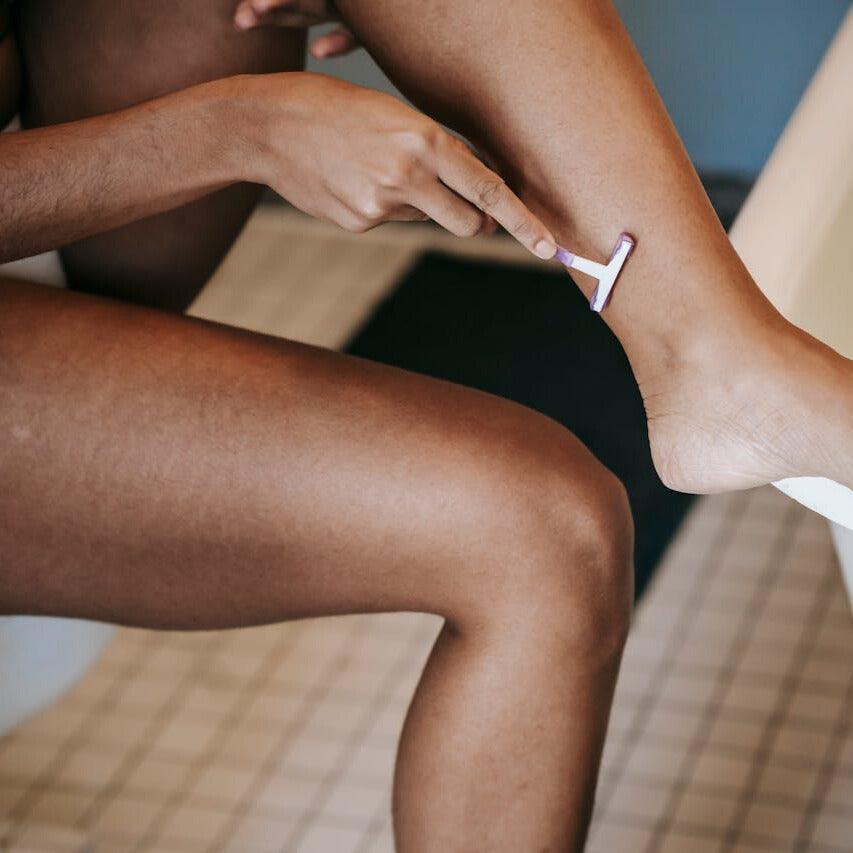
In skin care, the main skin benefits of witch hazel are fairly clear. It can act as a natural astringent, help manage excess oil, and calm visible skin inflammation. You also see it used for minor skin issues like bug bites, razor burn, puffiness, and sun-exposed skin.
That said, the effects of witch hazel are often temporary. Many witch hazel products work best when used thoughtfully rather than heavily. To understand where it fits best, it helps to look at oily skin, sensitive skin, and aging concerns one by one.
Natural Astringent for Oily and Acne-Prone Skin
If you struggle with oily skin, witch hazel can be useful because it works as a natural astringent. Its tannins help create a temporary tightening effect on the skin’s surface, which can make pores look smaller and leave skin feeling less greasy after cleansing.
For acne-prone skin, that oil-reducing action may help in a minor degree. It can lower visible shine and reduce some redness linked to breakouts. Still, it is not a replacement for proven acne ingredients, and over-drying the skin may actually push oil production higher in some cases.
Useful short-term effects may include:
Less excess oil across the forehead, nose, and chin
A cleaner-feeling skin’s surface after toner use
Temporary calming of inflamed blemishes
So, can witch hazel help with acne or breakouts? Yes, it may support oily skin, but gentle formulas matter.
Calming Properties for Sensitive and Irritated Skin
Witch hazel is often described as soothing, and there is a reason for that. It has calming properties that may help with skin irritation from insect bites, razor burn, puffiness, and sunburn. In short-term use, it can reduce the look of swelling and discomfort.
Still, sensitive skin needs extra care. Some formulas contain alcohol or higher levels of tannins that may increase skin sensitivity instead of calming it. That means witch hazel is not automatically safe for every face, especially if your skin barrier is already stressed.
Before you use witch hazel on delicate skin, remember:
Choose alcohol free formulas when possible
Do a patch test before full-face use
Stop if you notice stinging, dryness, or allergic reactions
The main side effects can include irritation and dryness, so the gentlest option is usually the smartest one.
Antioxidant Protection and Anti-Aging Potential
Another reason witch hazel gets attention is its antioxidant protection. Plant compounds in the extract may help defend skin from free radicals, which are unstable molecules linked with visible stress and premature aging. That gives witch hazel some appeal beyond oil control alone.
You will also see claims that its tightening effect helps with fine lines or skin sagging. On the surface, that can be true in a temporary way. The skin can look a bit firmer after application because of its astringent action, especially in toners or facial mists.
But there is a limit. If a formula has high alcohol content or causes resulting daily irritation, it may work against the skin barrier and contribute to free radical damage instead. So the anti-aging value depends less on hype and more on gentle, balanced formulation.
Application Methods and Best Practices
How you use witch hazel matters just as much as which bottle you buy. In most skincare routine setups, it appears in witch hazel toners, spot treatments, or occasional soothing applications for skin issues. Used well, it can support oily or irritated skin without overwhelming it.
Good application methods focus on clean skin, light layers, and follow-up hydration. You also want to watch for dryness, especially if your product has alcohol content. Next, let’s cover how to apply it properly, how to choose the right version, and what ingredients to prefer or avoid.
How to Properly Apply Witch Hazel to the Face
Start with a gentle face wash. Witch hazel is not the best makeup remover and has poor performance compared with proper cleansers, especially for long-wearing products. After cleansing, pour a small amount of the clear liquid onto a cotton ball or cotton pad.
Then swipe it gently over the face, focusing on oil-prone areas if needed. You do not need to scrub. Extra pulling is not helpful, and repeated rubbing can stress skin. Let it dry, then follow with moisturizer to help protect hydration and support the skin barrier.
For best results:
Do a patch test before first use
Apply after cleansing, not in place of face wash
Moisturize after use to reduce dryness
If your skin feels tight or irritated, cut back. Less can work better with witch hazel.
Selecting Suitable Witch Hazel Formulations for Your Skin Type
Choosing the right formula starts with your skin type. If you have oily skin, a witch hazel extract product may help cut visible shine and support a cleaner-feeling finish. Even then, harsh alcohol-heavy versions can backfire if they leave your skin overly stripped.
If you have dry skin or sensitive skin, alcohol free witch hazel is usually the better match. Combination skin often does best with lighter, water based options that control shine in the T-zone without leaving the cheeks tight or flaky. You want balance, not a squeaky feeling.
A simple guide can help:
Oily skin: look for gentle oil-control formulas
Dry skin: choose alcohol-free with soothing add-ons
Combination skin: use targeted or lighter applications
The difference between regular witch hazel and alcohol-free witch hazel is often about comfort, drying effect, and how well your skin barrier holds up over time.
Ingredients to Prefer or Avoid in Witch Hazel Skin Care Products
When checking labels, pay close attention to alcohol content first. Lower amounts of alcohol are still not ideal for many people, especially with ongoing use. If your skin is easily irritated, the safest choice is usually alcohol free witch hazel with supportive natural ingredients.
Helpful additions can make a big difference. Aloe vera may help offset dryness. Hyaluronic acid can support hydration, while vitamin E adds extra antioxidant support. These kinds of natural ingredients make witch hazel products feel more balanced, especially in facial toner formulas made for regular use.
Here is what to look for:
Prefer aloe vera, tremella mushroom, and vitamin E
Avoid high alcohol content and harsh additives
The right formula should feel calming and light, not sharp, tight, or uncomfortable after application.
Conclusion
Witch hazel is a versatile ingredient that offers a myriad of benefits for your skin. Its natural astringent properties make it an excellent choice for those with oily or acne-prone skin, while its calming effects can soothe irritation and sensitivity. By opting for alcohol-free witch hazel, like the one used by OM Botanical, you ensure that your skin receives the gentlest care without the harsh drying effects of alcohol. Embracing this potent botanical into your skincare routine not only enhances your complexion but also supports a healthy, balanced skin barrier. Explore the wonders of witch hazel and discover how it can transform your skincare regimen today!
Frequently Asked Questions
Is Witch Hazel Safe for Sensitive Skin and Are There Side Effects?
Witch hazel can be safe for sensitive skin in gentler formulas, but it may still cause skin irritation, dryness, or allergic reactions in some people. Alcohol-heavy versions are more likely to create problems. Always do a patch test first, especially if your skin is reactive or already compromised.
Can Witch Hazel Help with Acne and Breakouts?
Witch hazel extract may help acne-prone or oily skin by reducing excess oil and calming some redness. It works best as a support step, not a full acne treatment. If overused, it can worsen skin issues by drying the skin and triggering more oil production.
Why Does OM Botanical Choose Alcohol Free Witch Hazel?
OM Botanical chooses alcohol free witch hazel because it is a gentler option for the skin barrier than regular alcohol-based versions. In witch hazel products made for sensitive skin and ongoing use, removing alcohol helps lower the risk of dryness, tightness, and irritation while keeping the formula more balanced.
Share