











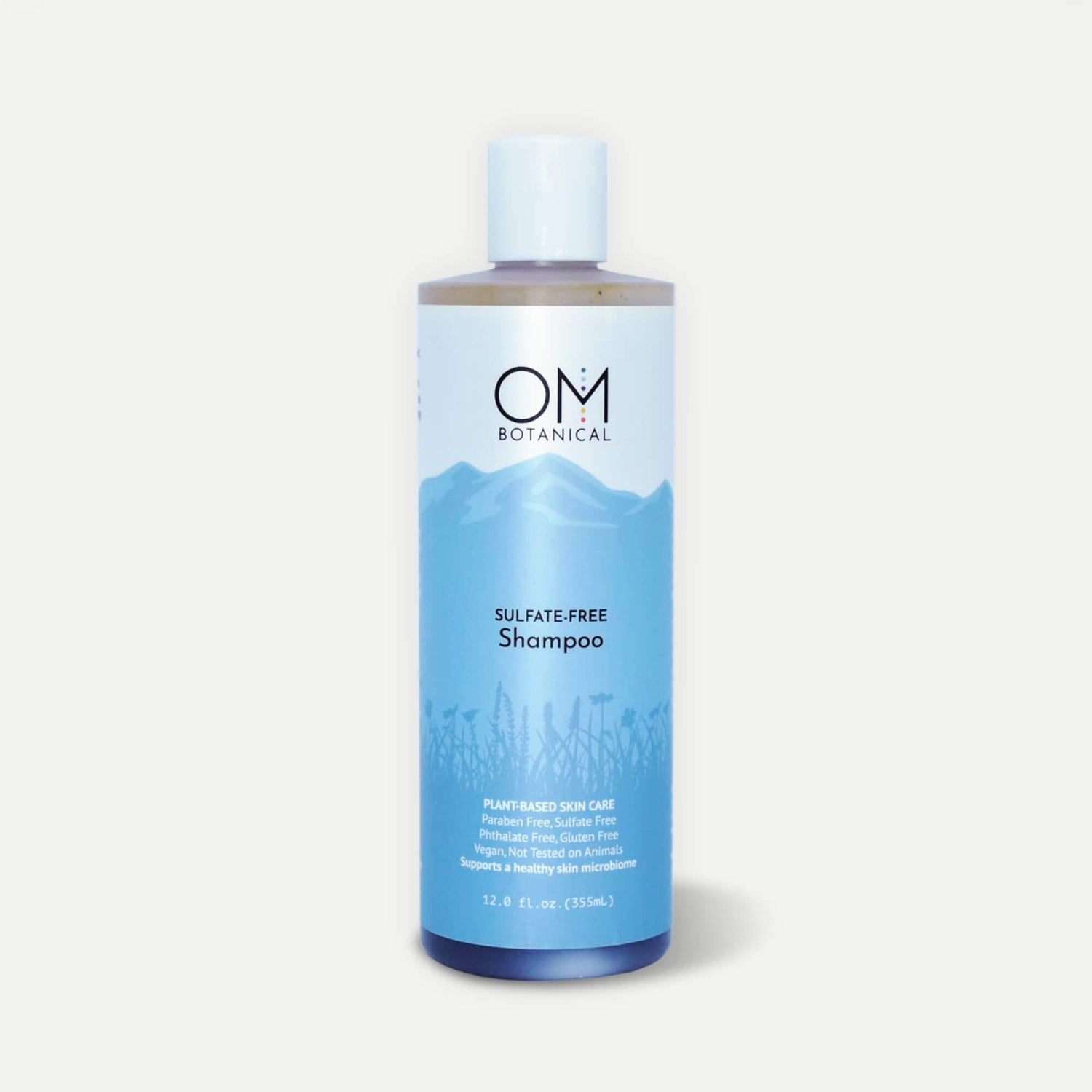
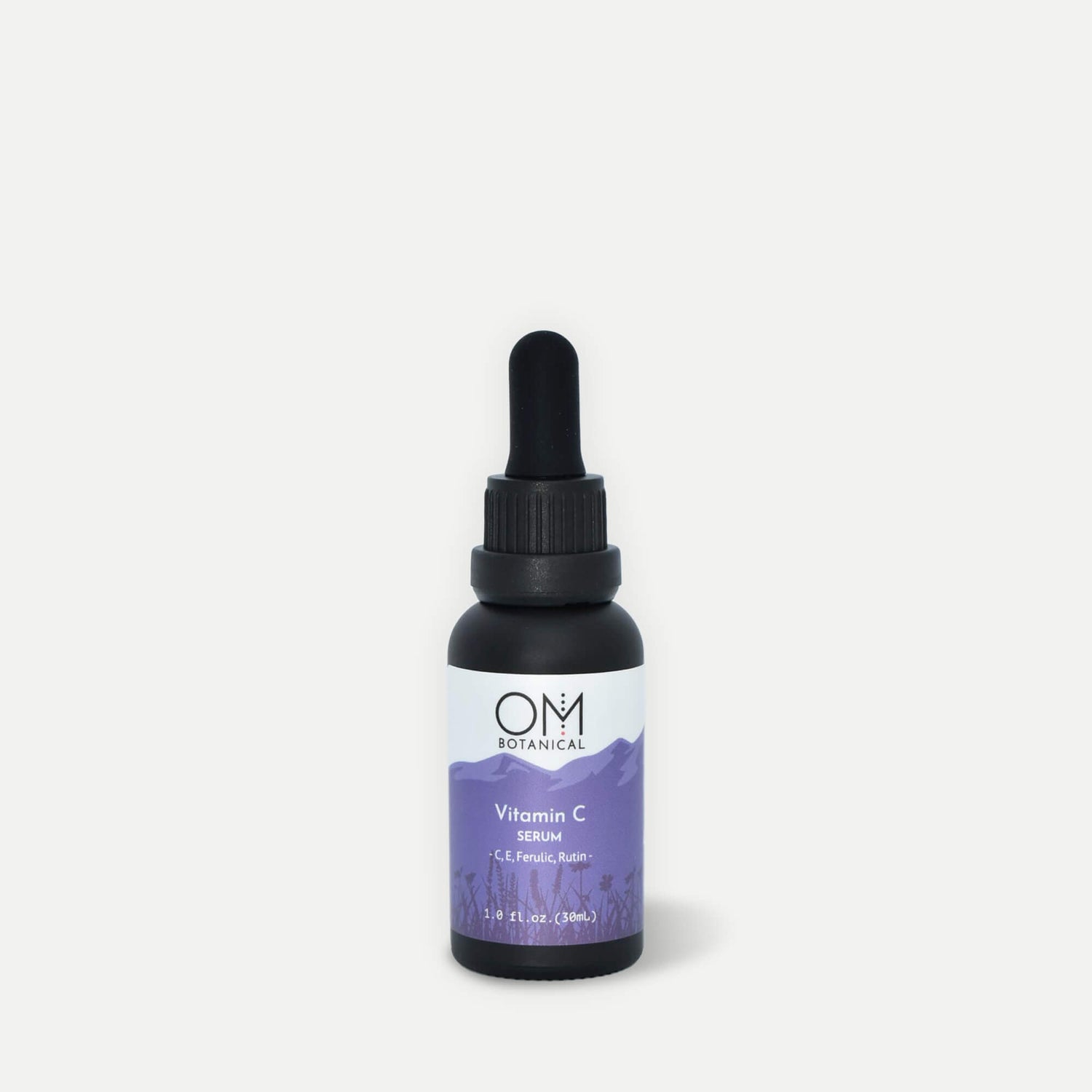
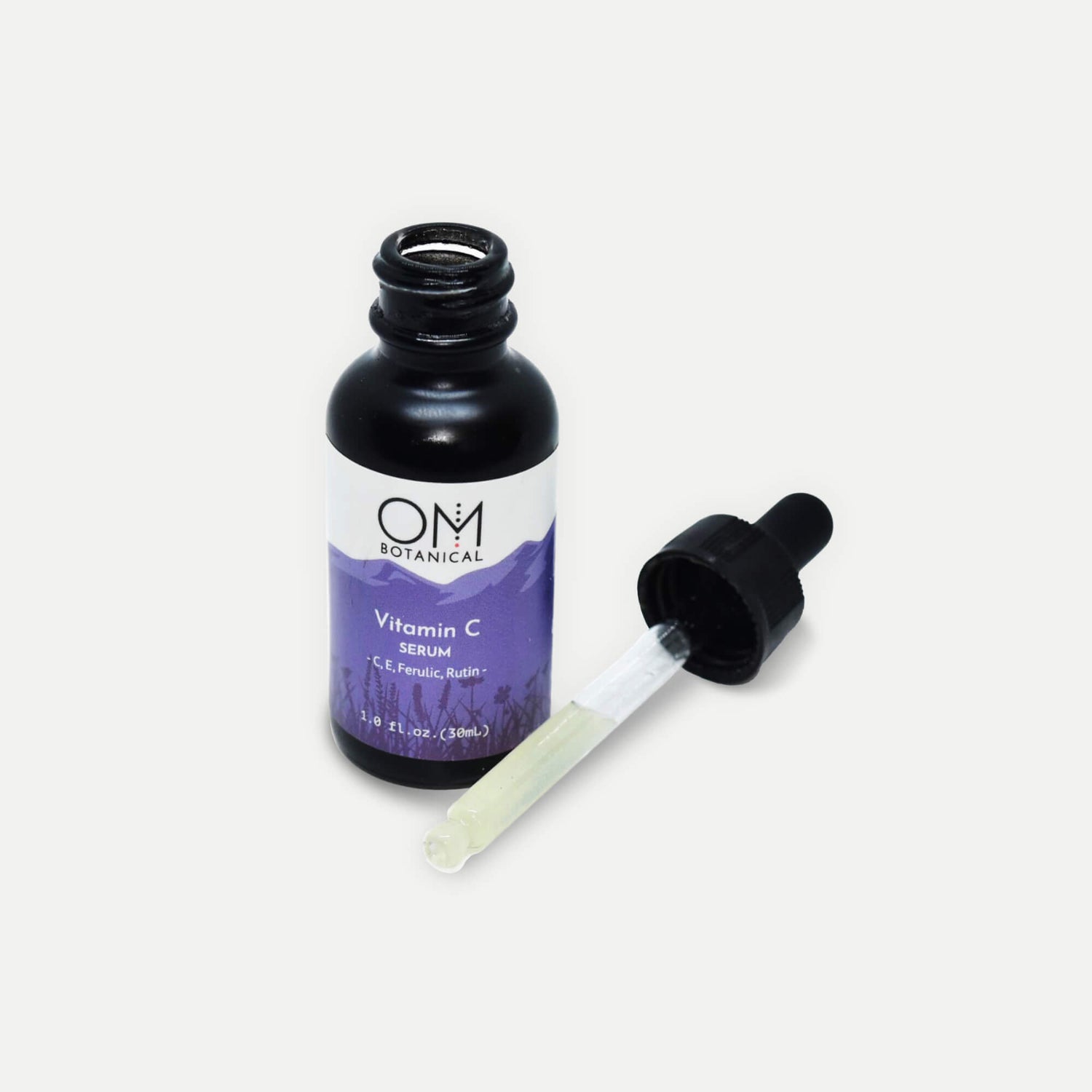
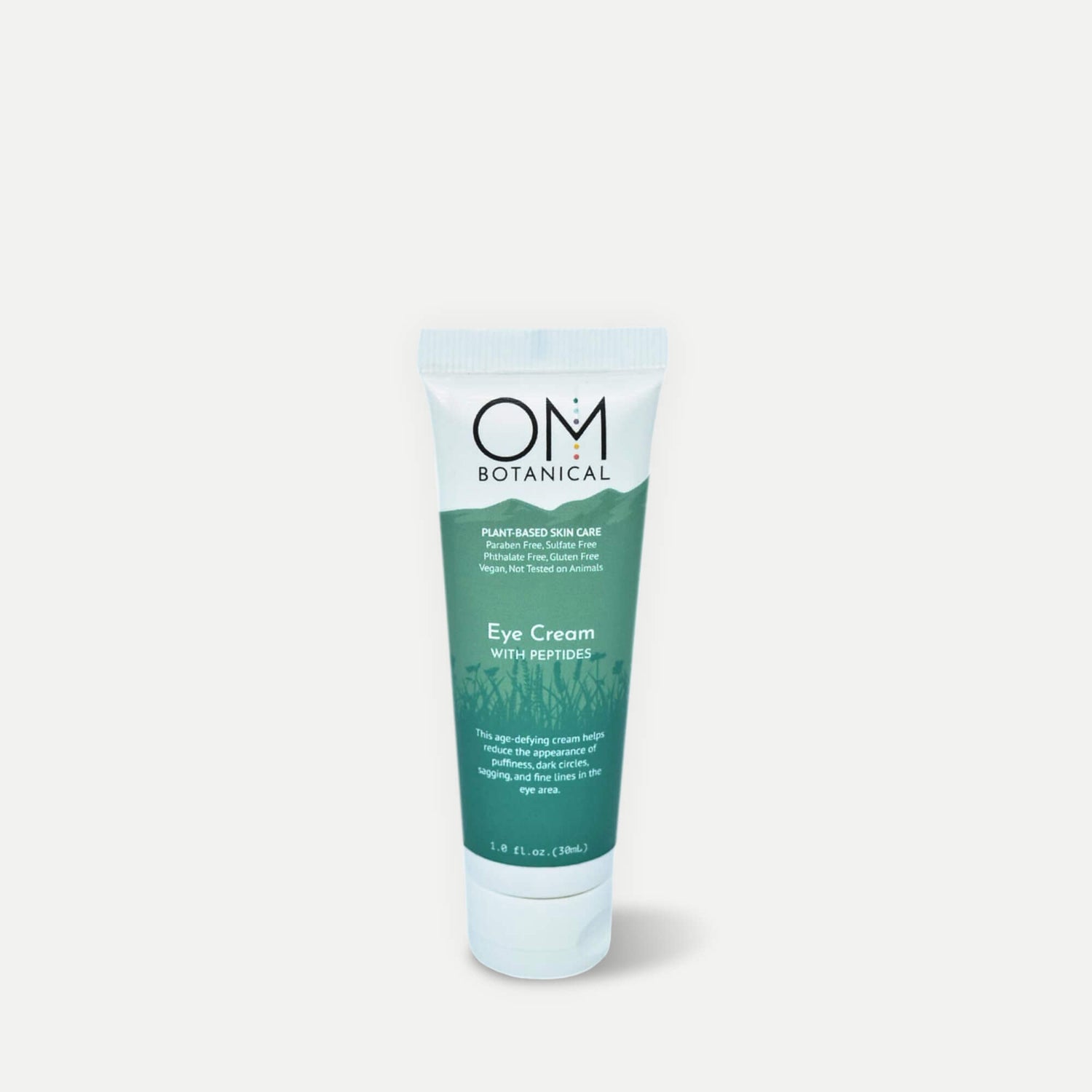
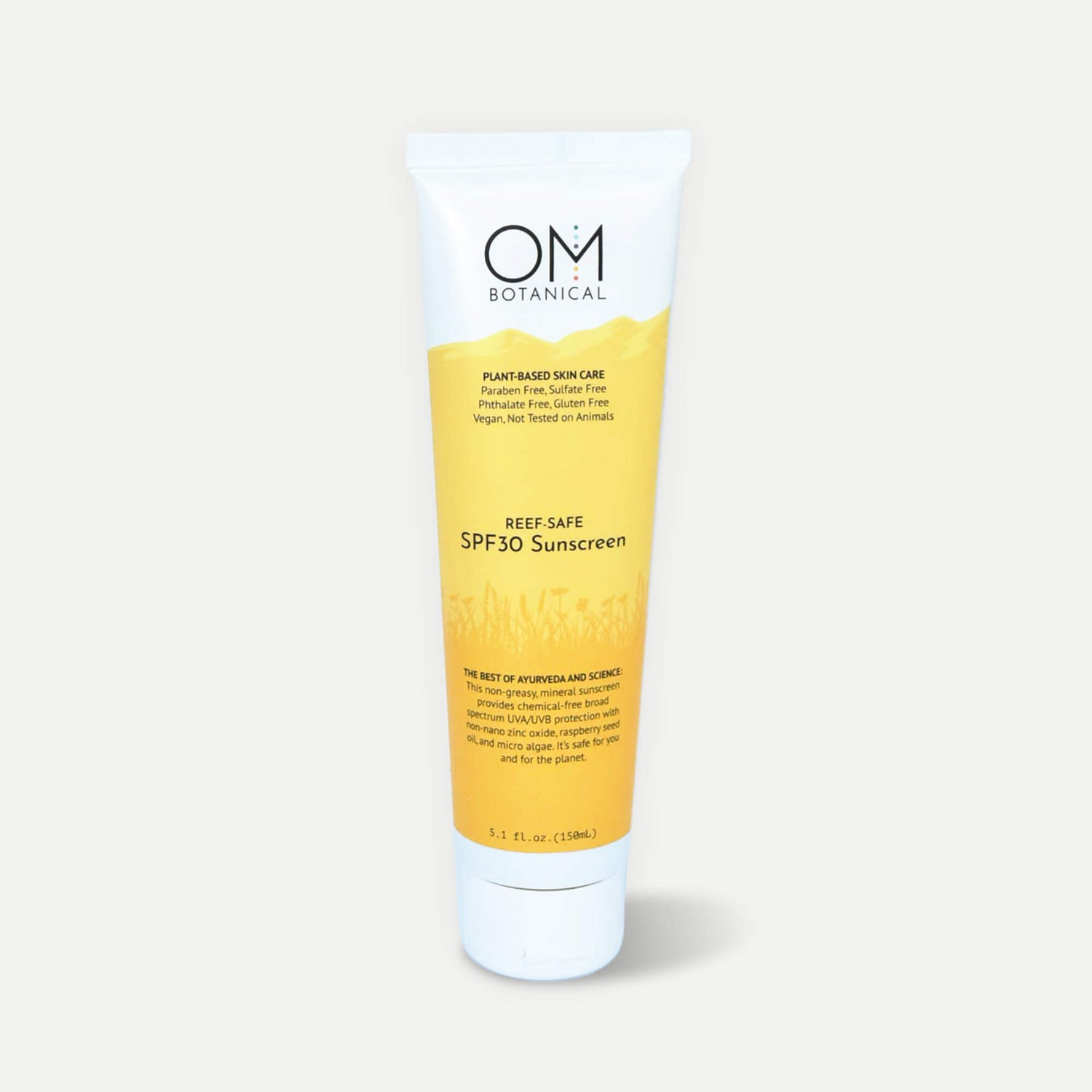
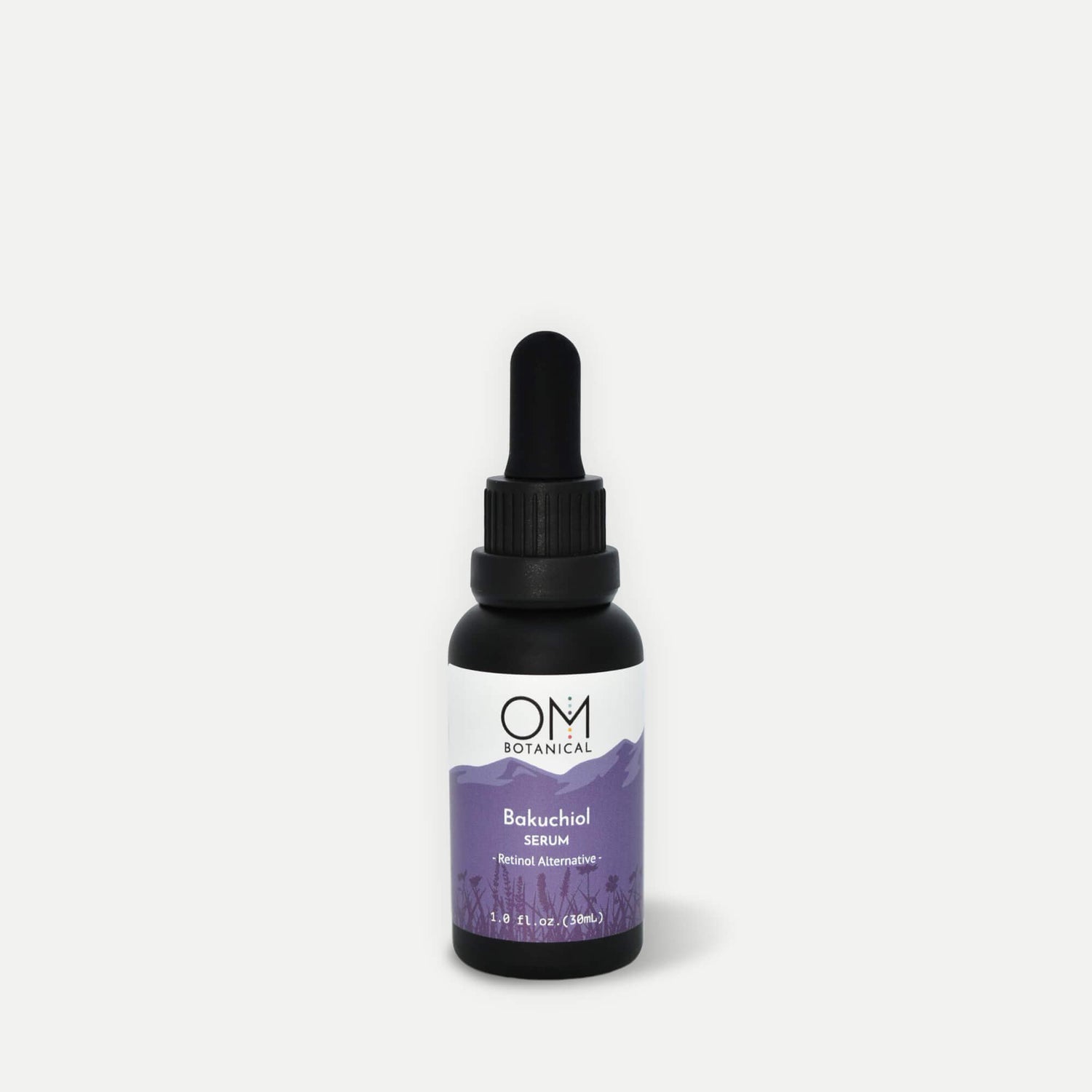
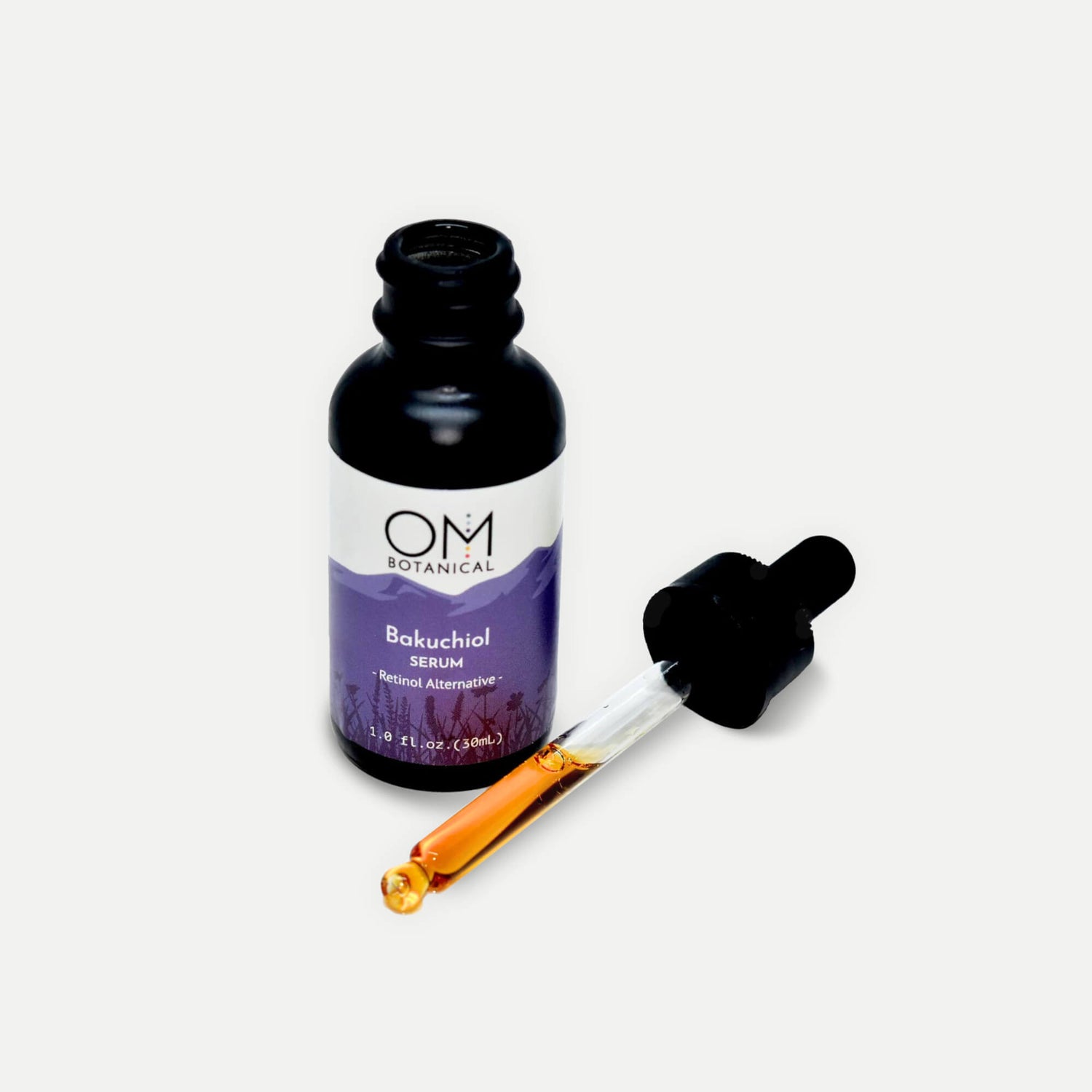
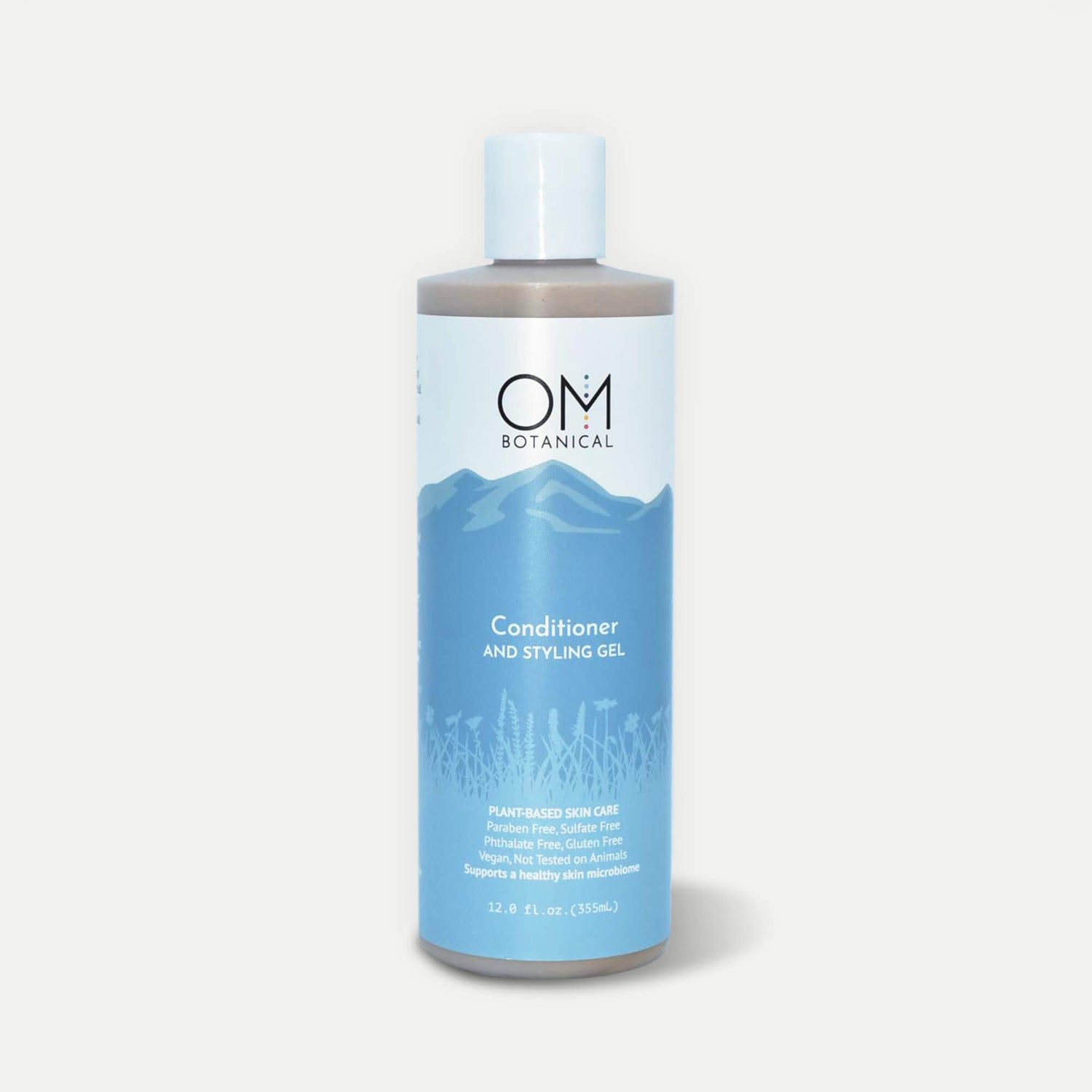
Modern skincare is finally catching up to what ancient Ayurvedic wisdom always knew: the skin isn’t just a barrier; it’s a living ecosystem. When we blend time-tested Ayurvedic principles with modern biochemistry, we get mindful formulations that heal, balance, and celebrate skin’s innate intelligence. This approach is more effective - and kinder - than many mainstream products loaded with irritants. OM Botanical’s plant-powered, full-spectrum formulations exemplify this synergy: gentle, science-supported, and deeply nourishing.
Introduction: Why Mindful Formulations Matter
You’ve probably seen skincare labeled “clean,” “natural,” or “clinical.” But what does that really mean for your skin?
Let’s be honest — skin is complex. It’s not a static shell; it’s a dynamic organ teeming with microbiomes, signaling pathways, lipid barriers, and immune activity. Treating it with products that only mask problems without addressing root causes? That’s like putting a band-aid on a leaky roof.
This is where mindful formulations come into play. They combine:
Ayurvedic wisdom — thousands of years of botanical intelligence
Modern science — evidence-based ingredient function and safety
Holistic philosophy — systems thinking, not quick fixes
And this blend? It doesn’t just feel good — it works.
Part I: Ayurveda: Ancient Wisdom for Modern Skin
Ayurveda is often described as the “science of life.” For skincare, its principles anchor on balance: nourishment, detoxification, and harmony.
1. The Three Doshas and Your Skin
In Ayurveda, the skin reflects the balance of your doshas — Vata, Pitta, and Kapha:
Vata skin tends toward dryness, fine lines, and sensitivity
Pitta skin often shows inflammation, redness, or irritation
Kapha skin leans oily but may lack radiance
Ayurveda teaches that skin wellness requires balancing of these doshas with tri-doshik products for a healthy glowing skin.
2. Herbal Allies in Ayurveda
Ayurveda uses whole plants — not isolates — to tap into what’s called full-spectrum activity. For example:
Herb
Traditional Use
Modern Correlate
Turmeric
Brightens, detoxes
Anti-inflammatory (curcumin studies show NF-κB inhibition)
Cucumber
Cools and soothes
Anti-irritant, mild antimicrobial
Gotu Kola
Healing, firming
Stimulates collagen synthesis (asiaticoside data)
Neem
Cleansing, purifying
Antioxidant and antibacterial properties
Ayurveda never believed in random botanicals - each plant was chosen for a purpose.
Part II: Modern Skin Science: The Why Behind the Wow
Ayurveda provides the why. Modern science provides the how — usually backed by peer-reviewed studies.
1. Skin Barrier Biology 101
The outermost layer of skin, the stratum corneum is often compared to a brick wall: dead cells (“bricks”) held together by lipids (“mortar”).
When this lipid mortar is compromised:
TEWL (transepidermal water loss) increases
Sensitivity rises
Redness and irritation occur
Ceramides, fatty acids, and cholesterol are core to barrier repair, and many Ayurvedic oils naturally supply these.
2. Microbiome: Your Skin’s Invisible Partner
Healthy skin hosts billions of microbes that protect against pathogens and support immunity.
Recent science shows that:
Disrupting the microbiome increases inflammation markers like IL-1α
Prebiotic and postbiotic ingredients help maintain microbial balance
Ayurvedic herbs often act as prebiotic substrates, feeding beneficial skin flora.
Part III: Mindful Formulations — Marrying Tradition and Evidence
So how do we make something that feels scientifically credible and deeply aligned with nature’s intelligence?
1. Start With Whole-Plant Extracts (Not Isolates)
Many mainstream brands use isolated actives, a purified compound stripped out of its context. But plants work synergistically: the whole is greater than the sum of its parts.
Full-spectrum phytoextracts:
Deliver multiple antioxidants
Provide multisystem support (e.g., anti-inflammatory + barrier support + microbiome balance)
Reduce irritation risk
For example, Gotu Kola extract contains triterpenoids, flavonoids, and polysaccharides — not just one “hero” molecule, which supports both hydration and structural integrity.
2. Phytoceramides + Fatty Acids: Barrier Love
Plant oils rich in linoleic acid (like safflower and castor) help reinforce the lipid mortar of the stratum corneum. Research shows:
Topical linoleic acid increases ceramide levels and improves barrier function.
That’s why mindful formulations include full-spectrum cold pressed oils, and virgin, unrefined plant butters, not just random “moisturizers.”
3. Gentle Actives That Respect Skin’s Ecosystem
Instead of brutal exfoliants and stripping detergents:
Bakuchiol (from Psoralea corylifolia) gently renews without barrier compromise
Non-nano zinc oxide calms and protects, without irritation
Science validates these choices with lower irritation indices and sustained improvement in skin biomarkers.
Part IV: Why Conventional Skincare Often Falls Short
Here’s the truth: many mainstream brands prioritize feel and marketing over function and biology.
1. Harsh Surfactants & Stripping Foams
Ingredients like SLS/SLES, common foaming agents, can:
Strip natural oils
Increase TEWL
Disrupt microbiome balance
This can lead to a cycle of irritation, dryness, and over-exfoliation.
2. Fragrance and Irritants Galore
Fragrance is one of the top triggers for contact dermatitis. The more synthetic additives we use, the higher the irritation risk, especially for sensitive skin.
3. Actives Without Supporting Lipids
A potent actives-only approach (vitamin C, retinoids) without balancing lipids can cause:
Redness
Flaking
Barrier compromise
Unlike mindful formulations, many conventional products ignore the context in which an ingredient should function.
Part V: The Ayurvedic + Science Advantage: Real Evidence, Real Results
Let’s look at some research that backs this blended approach.
1. Turmeric and Curcumin, Not Just Trendy
Clinical studies show:
Curcumin down-regulates inflammatory pathways like COX-2 and NF-κB
Topical curcumin improves erythema and keratinocyte health
This aligns with the Ayurvedic use of turmeric for “heating imbalance and inflammation.”
2. Gotu Kola and Collagen Support
Research indicates:
Asiaticoside — a constituent of Gotu Kola — stimulates type I collagen synthesis
Enhanced fibroblast activity and wound healing
This supports Ayurveda’s claim that Gotu Kola promotes strength and rejuvenation.
3. Plant Oils and Barrier Biomarkers
Studies measuring TEWL and ceramide content have found:
Cold Pressed Oils rich in linoleic acid significantly increase ceramide synthesis
Oils fortified with antioxidants reduce oxidative stress markers like MDA (malondialdehyde)
Modern data validating ancient oil therapies? Yes, please.
Part VI: What Mindful Formulations Look Like in Practice
Here’s the essential checklist of what mindful formulations must include:
✔ Full-Spectrum Botanicals
Whole plant extracts retain natural ratios of phytoactives that work synergistically.
✔ Barrier-Respecting Hydrators
Ingredients like:
Tremella mushroom
Glycerin
Plant polysaccharides
These attract water without stripping lipids.
✔ Lipid-Rich Plant Oils
High in essential fatty acids to support:
Barrier repair
Hydration
Elasticity
✔ Soothing Phytoactives
Botanicals like aloe, centella, and licorice root help modulate inflammation.
✔ Microbiome-Friendly Components
Prebiotic plant fibers and gentle surfactants preserve microbial diversity.
Real World Application: AM + PM Mindful Skincare Routine
Here’s a gentle, evidence-based routine you can follow — no guesswork needed:
Morning
CleanseA mild, non-stripping herbal cleanser (no sulfates)
HydrateTremella mushroom + plant polysaccharides
Protect & SootheNon-nano zinc oxide + antioxidant botanicals
SealLipid-rich botanical oil to lock in moisture
Evening
Cleanse GentlyRemove impurities without stripping
TreatBakuchiol and botanical antioxidants
NourishFull-spectrum plant serums and peptide creams
Repair & SealCeramide-rich botanical oils
This routine supports:
Barrier integrity
Microbiome balance
Hydration and resilience
Part VII: Minimizing Risk: A Science-Backed Guide
Even mindful formulations need to be used with awareness. Here’s how to avoid common pitfalls.
1. Patch Test First
Always test new products on a small area. Skin sensitivity is real.
2. Introduce Actives Slowly
Especially if you’re new to acids or botanicals.
3. Watch for Cumulative Irritants
Abrasive exfoliants + too many actives = barrier compromise.
4. Pair With Barrier Repair Ingredients
Ceramides, fatty acids, and cholesterol improve tolerance and outcomes.
How OM Botanical Does It Differently (in a Good Way)
Now, a gentle note on why mindful formulators like OM Botanical stand out:
1. Full-Spectrum Focus
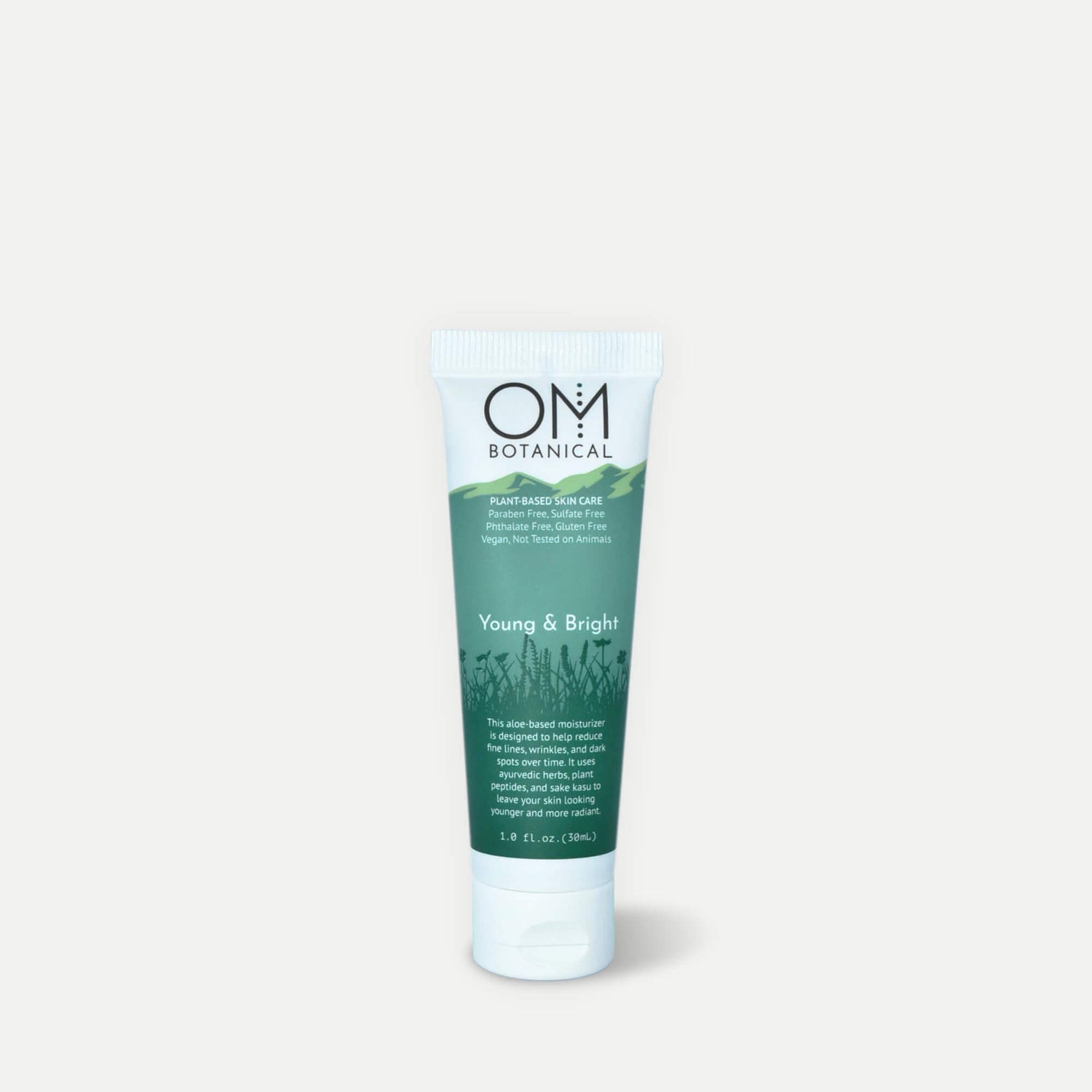
OM Botanical harnesses whole plants, not stripped isolates, to preserve nature’s synergistic chemistry.
2. Microbiome-Considerate Formulas
By avoiding harsh detergents and balancing with plant-derived prebiotic components, OM Botanical supports microbial harmony.
3. Ayurvedic Roots + Modern Validation
Every ingredient choice is backed by both traditional insight and scientific rationale, not marketing hype or latest trend.
4. Transparency and Safety
No hidden irritants, no unnecessary synthetics, and no compromise on efficacy.
In short: formulations that respect biology, not override it.
Frequently Asked Questions (FAQs)
Q1: What does “mindful formulation” really mean?
Answer: It means creating products that honor the biology of the skin — considering barrier health, microbiome balance, and long-term wellness — rather than just chasing short-term cosmetic effects. It blends traditional botanicals with evidence-based biochemistry.
Q2: Is Ayurveda scientific?
Answer: Ayurveda is a systems-based science. Modern research has validated many traditional botanicals for anti-inflammatory, antioxidant, and barrier-supporting effects. The strength of Ayurveda lies in its holistic approach to balancing skin physiology, which increasingly aligns with systems biology.
Q3: Can natural formulas really be as effective as clinical actives?
Answer: Yes, when they’re mindfully formulated. Many botanicals contain multifunctional compounds that support barrier repair, hydration, and cellular signaling — often with lower irritation risk than isolated synthetics.
Q4: What should I avoid in mainstream skincare?
Answer: Harsh sulfates, synthetic fragrances, unnecessary dyes, and high concentrations of actives without barrier support are common culprits of irritation. These can undermine skin wellness over time.
Q5: Is “clean beauty” always better?
Answer: Not necessarily. “Clean” is often a marketing term. The real measure is biological compatibility, how ingredients affect barrier function, inflammation, and microbiome balance. Mindful formulations prioritize these scientific outcomes.
Q6: How long until I see results?
Answer: Most people begin noticing improved hydration and reduced sensitivity within 2–4 weeks. Barrier repair and structural changes can take longer, anywhere from 6–12 weeks, because skin renewal cycles take time.
Conclusion: The Future of Skincare Is Mindful
We’ve reached a turning point in skincare.
No longer is beauty about quick fixes, harsh actives, or empty promises. The future — and the healthiest skin, comes from mindful formulations that honor both ancient wisdom and modern science.
Ayurveda teaches us to listen to the body. Modern research teaches us why those plant medicines work. When we bring both together — as mindful formulators do — we get skincare that’s not just cosmetic, but transformational.
And that’s real skin wellness.