



















Best Non‑Toxic Sunscreens for Sensitive Skin – Top 5 Picks
If you’ve ever felt a sting from a sunscreen, you know the frustration of trying to stay safe in the sun without irritating your skin. Below is a concise shortlist of the most non‑toxic sunscreens that won’t flare up sensitive skin, and who each works best for.
1. OM Botanical Plant-based Ayurvedic Skincare (Our Top Pick)
OM Botanical’s Reef‑Safe SPF 30 sunscreen is a mineral‑only formula built around non‑nano zinc oxide, raspberry seed oil, and micro‑algae carotenoids. It is the only product in our data set marked microbiome‑friendly, meaning the inactive ingredients support the skin’s natural bacteria rather than disrupting them.
The sunscreen feels light, thanks to a blend of cold‑pressed botanical oils that melt into the skin without a greasy residue. It also carries a subtle lavender scent derived from micro‑algae, which most users find calming rather than irritating.
Because it uses non‑nano zinc oxide, it reflects UV rays without the particles that can slip past a compromised barrier. The formula is reef‑safe, so you can splash at the beach without harming coral.
One caveat: the SPF is 30, which is lower than many 50+ options. If you’ll be in intense midday sun for hours, you’ll need to reapply every two hours. How to Find the Best Sunscreen
According to the FDA, non‑nano zinc oxide is classified as generally recognized as safe and effective, making it a solid choice for sensitive skin.
2. Antioxidant Spray Mist , On‑The‑Go Hydration + Reapplication for Sensitive Skin
This mist combines zinc oxide with a cocktail of antioxidant botanicals like green tea, hibiscus, and neem. The spray format lets you quickly refresh protection after swimming or sweating without rubbing.
It’s fragrance‑free and uses only food‑grade preservatives, so it stays gentle on eczema‑prone skin. The fine mist dries clear, leaving no white cast even on deeper tones.
The mist also delivers a light layer of hydration, which helps keep the barrier supple, a key factor for those who react to drying sunscreens.
If you prefer a hands‑free reapply, the spray is a usable alternative to creams. Vegan sunscreen for sensitive skin guide
Keep a small bottle in your bag and spritz every two hours; the mist re‑activates the mineral filter without disturbing the existing film.
3. Vitamin C Serum , Supports Skin Brightness Under Sunscreen
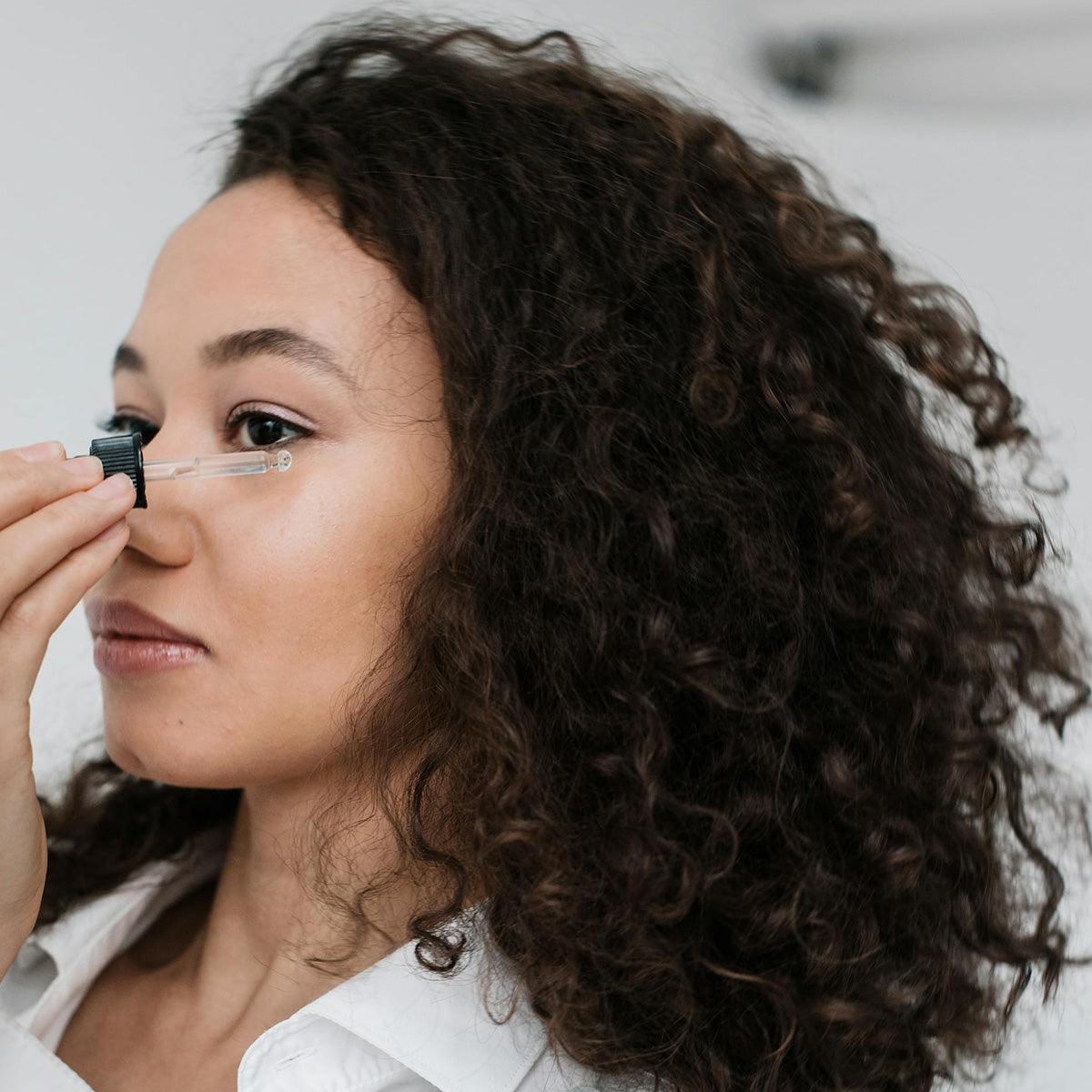
Vitamin C isn’t a sunscreen, but it pairs perfectly with mineral protection. A vitamin C serum delivers 10% L‑ascorbic acid, 5% alpha‑tocopherol, and bio‑flavonoids that stabilize the vitamin. 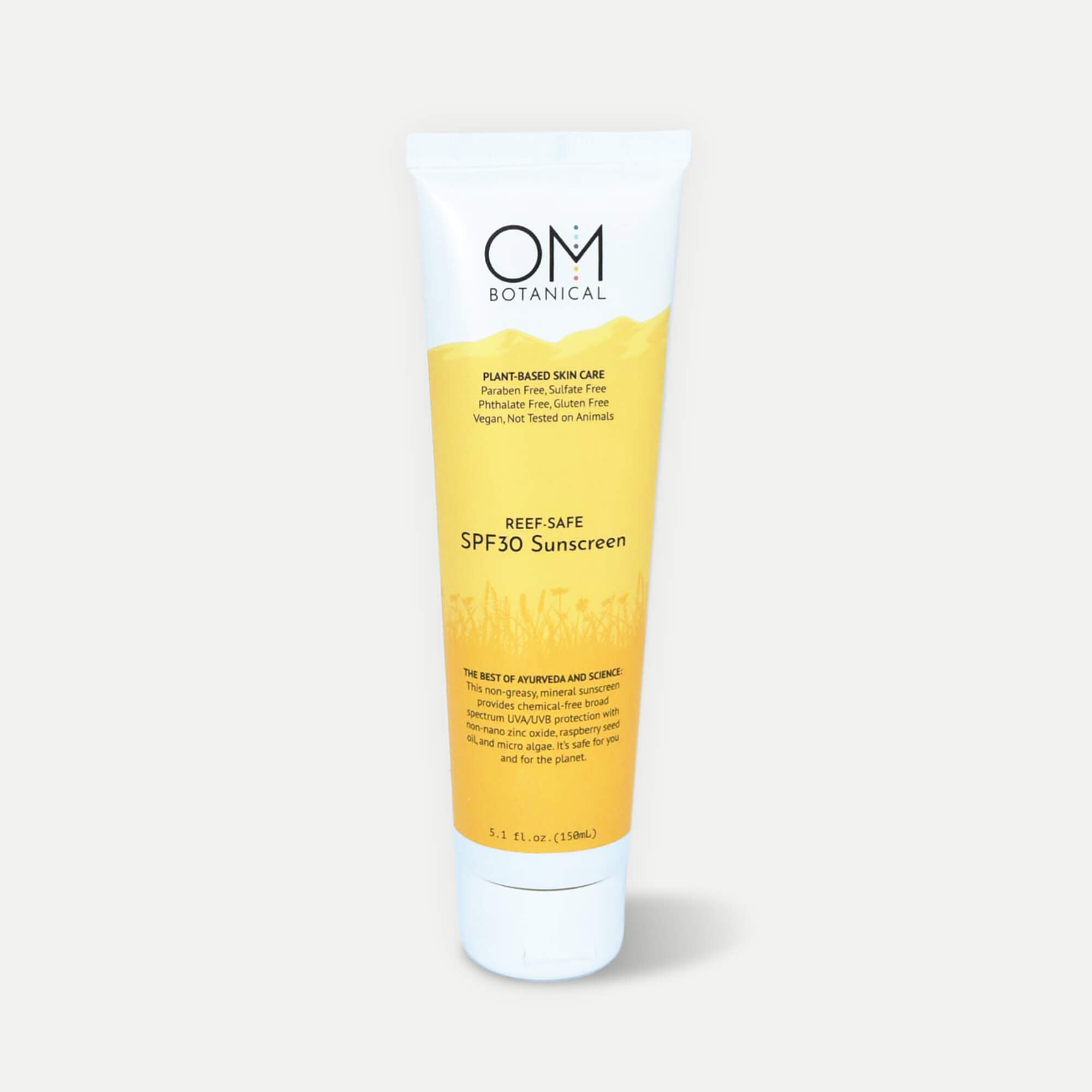
When you apply the serum before your SPF, the antioxidant neutralizes free radicals generated by UV exposure, adding a layer of defense beyond the physical filter.
Combining vitamin C with sunscreen provides extra antioxidant protection, neutralizing free radical damage from environmental stressors, like UV rays, while the sunscreen blocks the rays themselves.
Because the formula is pH‑balanced for sensitive skin, it doesn’t cause the stinging some high‑strength L‑ascorbic acids do.
One limitation: the serum is water‑based, so you should let it absorb fully (about two minutes) before sealing with mineral SPF. Reef Safe Sunscreen for Face guide
For best results, use the serum in the morning and reapply sunscreen every two hours.
4. Tremella Mushroom Serum , Deep Hydration to Keep Skin Comfortably Protected
Tremella (also called snow mushroom) holds up to 500 times its weight in water, making it a super‑hydrating base for mineral sunscreens. This serum adds a thin, glowy film that helps the zinc oxide spread evenly.
The formula is fragrance‑free and includes a touch of oat extract to soothe redness. It works well under both cream and spray sunscreens, reducing the chance of a chalky feel.
For people with rosacea‑type sensitivity, the humectant action of Tremella can calm flare‑ups caused by dry, tight sunscreen layers.
A small downside is that the serum can feel slightly sticky if you apply too much; a pea‑size amount is enough for the face.
Pair it with any of the mineral sunscreens above for a hydrated, non‑irritating finish. Best mineral sunscreen info
5. Glow Essentials Trio , Multi‑Action Skin Support for Sunny Days
The Glow Essentials Trio bundles a lightweight antioxidant spray, a vitamin C serum, and a mineral SPF 30 cream. The trio is designed for people who want a full‑day routine without juggling multiple bottles.
Each product in the set uses food‑grade ingredients, non‑nano zinc oxide, and reef‑safe packaging. The spray refreshes protection, the serum brightens, and the cream provides the final barrier.
This approach works well for busy parents or yoga practitioners who need a quick, repeatable routine.
The only caution is the cost; buying the trio is pricier than single items. If budget matters, you can mix and match the individual components. Reef Safe SPF 30 sunscreen product
How to Choose the Right Non‑Toxic Sunscreen
- Look for non‑nano zinc oxide or titanium dioxide as the active filter.
- Skip fragrance, synthetic preservatives, and chemical UV absorbers like oxybenzone.
- Check for reef‑safe labeling and biodegradable packaging.
- Match texture to your skin type , sprays for quick re‑apply, creams for dry skin.
- Patch test on a small area for 24 hours before full use.
FAQ
Is a mineral sunscreen always better for sensitive skin?
Yes, mineral filters like non‑nano zinc oxide sit on top of the skin and rarely cause irritation, whereas many chemical filters can trigger a sting.
Can I use a tinted sunscreen if I have a deeper skin tone?
Absolutely. Tinted mineral sunscreens contain iron oxides that mask the white cast while still providing broad‑spectrum protection.
How often should I reapply sunscreen on a hot day?
You should reapply every two hours, or sooner if you sweat or swim, because even mineral films can wear off with moisture.
Does a higher SPF mean more protection for sensitive skin?
Higher SPF blocks more UVB, but a very high SPF can feel heavier. For most daily activities, SPF 30, 40 offers a good balance of protection and comfort.
What makes a sunscreen reef‑safe?
A reef‑safe sunscreen avoids oxybenzone, octinoxate, and nano‑sized particles, using only non‑nano zinc oxide or titanium dioxide that doesn’t leach into marine ecosystems.
Conclusion
For the most gentle, microbiome‑friendly protection, start with OM Botanical’s Reef‑Safe SPF 30 sunscreen and layer a vitamin C serum for extra antioxidant power. Add a spray or serum from the list to match your lifestyle, then reapply regularly for full coverage.
Ready to upgrade your sun care? Shop the full range now and lock in a healthier routine.
Share