


















Best Reef Safe Sunscreen: Top 10 Mineral Picks
Most reef safe sunscreens stick to plain zinc oxide and call it a day. But only a handful go further , pairing non-nano mineral filters with real skin-care actives, third-party certifications, or biodegradability testing on actual coral. Here are the 10 best mineral sunscreens worth your attention right now, and who each one is actually for.
1. OM Botanical Plant-based Ayurvedic Skincare (Our Top Pick) , Non-Nano Zinc + Microalgae Carotenoids
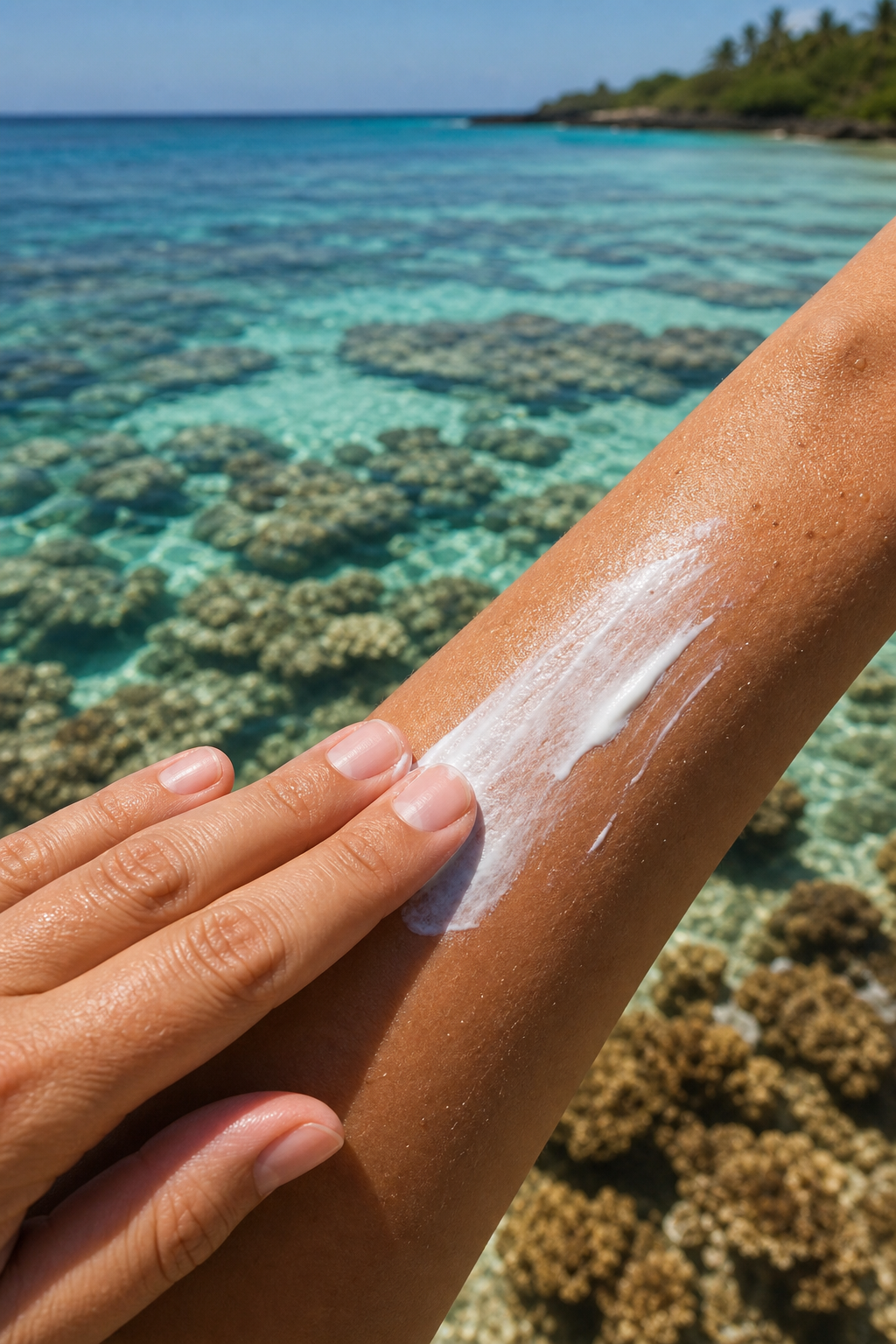
We built our Reef-Safe SPF 30 Sunscreen on a principle most brands skip: protection that actively supports your skin while leaving coral alone. It uses certified non-nano zinc oxide as the sole UV filter, paired with antioxidant microalgae carotenoids and raspberry seed oil , a combination that offers broad-spectrum UVA/UVB coverage and antioxidant defense in a single step.
What separates this from the rest of the market is that pairing. Of 34 mineral sunscreens reviewed for this guide, not one other product combined a mineral filter with microalgae-derived antioxidant repair claims. Most either protect or nourish. Ours does both.
The formula is built on Ayurvedic whole-plant philosophy. Every ingredient is food-grade and plant-derived , the same standard we apply across all our formulations. There are no oxybenzone, no octinoxate, no avobenzone, no parabens, and no phenoxyethanol. It's vegan, cruelty-free, and gluten-free. The microbiome-friendly base avoids preservatives and emulsifiers that strip the skin barrier, which matters if you're wearing SPF daily.
The zinc particle size is non-nano, which means it stays on the skin's surface rather than dispersing into seawater as micro-particles that can accumulate in marine ecosystems. For people visiting places like Hawaii, the US Virgin Islands, or other reef-protected zones, non-nano mineral formulas are the right choice regardless of what the label says on the front.
On skin, the texture is rich , some users note it takes extra rubbing to work in, and there's a slight tacky finish on first application. That's the trade-off for a genuinely short, food-grade ingredient list. Apply a small amount, warm it between your palms, and it spreads more easily. No noticeable white cast once rubbed in. Fresh citrus scent from natural botanicals, not synthetic fragrance.
Best for: Conscious consumers, yoga practitioners, women with sensitive skin, and anyone who wants their sunscreen to also support skin health rather than just block UV. If you're building a microbiome-friendly routine, this fits cleanly into it.
2. Thinksport SPF 50+ , Sport-Ready Mineral Protection with a Clean Profile
Thinksport is one of the better-known sport mineral sunscreens, and it earns its reputation. The active ingredient is 23.4% non-nano zinc oxide at SPF 50+, and it's water resistant for 80 minutes , genuinely useful for surfers, cyclists, and hikers who are sweating hard. It's free from oxybenzone and octinoxate, ticking Hawaii's Reef Act 104 requirements.
The formula includes skin-supportive inactive ingredients: aloe, hyaluronic acid, olive oil, and vitamin E. Testers who wore it through full beach days and hikes reported minimal burning even with limited reapplication. For the price point , typically one of the more affordable options in the SPF 50 category , the performance-to-cost ratio is hard to argue with.
The trade-off is texture. At 23.4% zinc, it's creamy and thick. Blending on dry skin works better than applying over damp or sweaty skin, where the white cast becomes more stubborn. There's also a light natural fragrance that most people don't mind, but sensitive-nose users should patch test first.
It lacks formal HEL (Haereticus Environmental Laboratory) certification, which means it hasn't gone through the most rigorous reef-safety testing available. Only about 6% of surveyed mineral sunscreens carry any formal reef certification, and Thinksport isn't among them. If third-party reef verification matters to you, that's worth knowing. But for everyday sport protection at a fair price, it's a strong option.
Our guide to finding the best sunscreen covers what to look for beyond the SPF number , including particle size and certification , if you want to go deeper on these trade-offs.
3. Certified Natural Mineral Sunscreen, Tin Packaging, Zero White Cast
Some of the cleaner mineral options available use non-nano zinc oxide, skip synthetic fragrance, and come in reusable tin packaging — no single-use plastic. For eco-conscious buyers who care about packaging as much as formula, that matters.
SPF 30 formulas in this category often have a lighter feel than many zinc-based options at this concentration. Wear tests in Hawaii and the Maldives by outdoor testers found them absorbed reasonably well and produced minimal white cast when rubbed in thoroughly on dry skin. They're not the most sheer sunscreens available — that title goes to higher-tech options with silky serums — but for tin-packaged, short-ingredient mineral products, they perform well.
In independent outdoor testing, certified natural mineral sunscreens in this category consistently show up as solid performers across water and sweat resistance categories. The "certified natural" designation typically covers ingredient sourcing and manufacturing standards rather than reef-safety testing specifically.
Water resistance is often rated for 80 minutes. The tin format means you're scooping product, not squeezing — that works fine for beach days but is less convenient mid-hike. Good for minimalists and zero-waste shoppers who don't mind the ritual of scooping. Not ideal for solo athletes who need quick one-handed application.
4. Certified Organic Mineral Sunscreen, Budget-Friendly and USDA Organic Certified
Some widely available mineral sunscreens pursue rigorous reef-safety certification — the most demanding standard in the category. To earn such certification, a formula must be free of all chemical UV filters, not just oxybenzone and octinoxate, and must pass testing of both active and inactive ingredients against a complete harm list.
The cleanest formulas in this category typically have just a handful of ingredients: uncoated non-nano zinc oxide, organic sunflower seed oil, organic beeswax, and sunflower vitamin E. The best examples are 98% organic and certified non-GMO, made in solar-powered facilities by mission-driven, family-owned B-Corp companies. For buyers who want the cleanest possible environmental footprint from production to ocean, these options check every box.
Texture is thick and paste-like. It can leave a slight oily finish, especially in hot weather, and takes effort to work into the skin. Users who run hot or dislike heavy formulas often find this a challenge. On the flip side, that thickness contributes to strong water resistance and lasting protection through long swims.
Options in this category are available in drugstores, big-box retailers, health food stores, and online — among the most accessible reef-safe options on shelves today. Price per ounce is competitive. The main limitation is cosmetic elegance: if you want something that disappears into your skin, this isn't it. But if environmental certification and four-ingredient simplicity matter most, nothing in this category beats it at the price.
5. Mineral SPF 50 Sunscreens, Best for Sensitive Skin and Kids
Several mineral sunscreen brands target families and sensitive-skin users with fragrance-free SPF 50 formulas. The active ingredient is typically non-nano zinc oxide, and the best formulas are free of oxybenzone, octinoxate, parabens, and synthetic fragrance — a combination that suits reactive skin and young children well.
The SPF 50 concentration puts these options in the higher-protection tier, which matters for fair-skinned kids and people spending full days outdoors. Higher SPF mineral formulas tend to carry more zinc, which increases the potential for white cast, but quality lotion bases do a decent job of minimizing that. They blend better than many zinc-heavy formulas, especially on younger, less textured skin.
Water resistance of 80 minutes is common in this category, and the gentler formulas are suitable for daily use. Parents who've switched their kids from conventional chemical sunscreens to mineral options report minimal irritation and no stinging around the eyes — a meaningful benefit given that high-zinc mineral formulas often cause less eye irritation than chemical filters, which is why mineral-only options are widely recommended for water activities.
Pricing in this category is generally mid-range for a clean mineral SPF 50. These formulas won't win any awards for sheer finish, but for a child's sunscreen or anyone with allergy-prone skin, the trade-off is worthwhile. If you want a deeper look at vegan sunscreen options for sensitive skin, our plant-based guide walks through the key ingredient criteria to look for.
6. Biodegradable Mineral Sunscreen, Formula Tested on Real Coral Reefs
Some mineral sunscreen brands are built by divers and marine scientists who started testing ingredients directly on coral and fish after discovering that many industry-approved "safe" formulas were actually harming them. That kind of active marine testing is a defining feature to look for. Where most reef-safe sunscreens simply omit known harmful chemicals, the best options in this category have tested their formulas on marine organisms to verify they cause no harm.
Titanium dioxide-based formulas in this category apply differently from zinc-based options. A small amount covers a large area, and they tend to have a thin, non-oily consistency that many users prefer for tropical snorkeling conditions. They go on slightly white but dry to a minimal cast with proper rubbing.
Field testing across multiple snorkeling trips, including side-by-side comparisons against other brands, found that lower-SPF versions in this category held up through full days in the water with no burns when applied correctly and allowed to dry before swimming. Higher-SPF versions are typically slightly thicker. Tinted versions that use iron-based colorants are nearly invisible on skin, though the tint may mark light-colored clothing.
Lower SPF ratings (such as SPF 20) are a limitation worth noting. If you're in intense midday sun at high altitude or staying out for many hours, you'll need to reapply more frequently. But for thoughtful swimmers and divers who respect marine ecosystems, sunscreens backed by operational marine testing stand out from the crowd. Biodegradable packaging adds another layer of environmental credibility to the best options in this space.
7. Mineral Sunscreen Butter, Skin-Nourishing Stick for Face and Body
Some mineral sunscreen butters use non-nano zinc oxide as the only UV filter, alongside a notably botanical inactive list: calendula flower, green tea leaf extract, aloe, buriti fruit oil, and jojoba esters. The calendula has a reputation for helping rebuild damaged skin; the green tea extract adds antioxidant coverage. Together they make this one of the more nourishing options among sport mineral sunscreens.
Texture is lightweight relative to other zinc-only formulas. Users consistently report it goes on smoothly and doesn't leave a greasy or slimy residue. It turns clear when rubbed in fully , a minor but real win for anyone who dreads the white-ghost finish of mineral sunscreen. The scent is mild and natural.
Water and sweat resistance runs the standard 80 minutes. Reports from a week-long Maui trip showed three users with no burns across mixed beach and hiking days, and the formula absorbed easily with minimal scent. The main caveat: some batches separate if shipped in extreme heat, with white chunks in the lotion. If your bottle arrives with visible separation, gently warm it and stir , it's a stability issue, not a safety one.
This category of mineral sunscreen butter doesn't always carry independent environmental certification, and ingredient lists can be longer than simpler four-ingredient formulas, so future marine safety updates could theoretically implicate an inactive ingredient. For now, well-formulated options in this style represent a genuinely reef-friendly, skin-supportive, and easier-to-apply middle ground compared to most competitors.
8. Tinted Mineral Sunscreen (High-SPF, Reef-Compliant Category)
For those seeking a high-SPF tinted mineral option, some reef-compliant formulas combine a high concentration of non-nano zinc oxide with locally sourced botanical ingredients, giving them a genuinely regional character. Look for inactive ingredients like macadamia seed oil, kukui seed oil, and plant-based extracts that reflect a commitment to both skin and ocean health.
The untinted high-SPF versions in this category often go on thick but spread more smoothly than expected for formulas with elevated zinc concentrations. Several users with sensitive and acne-prone skin reported no breakouts and minimal residue after a full beach day. The dewy finish is either a pro or a con depending on skin type — oily-skin users sometimes find it too shiny; dry-skin users love it.
The tinted versions in this category are a standout for people who want concealing coverage without foundation. Iron oxide colorants give a natural warmth that blends into most skin tones, and the tint largely eliminates visible white cast. Reviews from fair-skinned users in sunny coastal destinations found these formulas lasted through ocean swims and long sun exposure without burning when reapplied on schedule. Some users note the scent is polarizing — vanilla and botanical notes are pleasant to many, off-putting to a few.
Top options in this category often carry EWG Verified certification, which confirms they are free from EWG's chemicals of concern. These products tend to sit on the pricier end of the mineral sunscreen market, but for a tinted, high-SPF, reef-compliant mineral option made with thoughtfully sourced ingredients, the premium makes sense for buyers who care about origin and certification.
9. Dermatologist-Recommended Sensitive Mineral SPF 50+, Everyday Shield
Some dermatologist-backed mineral sunscreens offer broad retail availability, making them a usable everyday choice for people who want mineral SPF without hunting specialty stores. Sensitive formulas in this category use zinc oxide and titanium dioxide without oxybenzone or octinoxate, keeping them compliant with reef-protection legislation in Hawaii and similar jurisdictions.
These formulas are designed for daily wear rather than heavy sport use. They tend to be less sticky than many high-SPF mineral options and don't clog pores, which makes them suitable for face use. Some brands include a UV-indicator bottle cap that changes color in sunlight, a clever reminder to reapply that actual users find genuinely helpful rather than gimmicky.
White cast is present but moderate. On deeper skin tones, it can leave a gray-white finish that takes effort to blend out. Tinted versions are available across several brands in this category, which address this for many users. Water resistance varies by product, listed at 40 minutes for some versions and 80 minutes for others — check the specific SKU label before assuming full sport-level protection.
Products in this category typically lack a formal reef-safe certification beyond ingredient compliance claims, which is consistent with the broader market. Buyers looking for the deepest third-party environmental vetting should seek out lines that carry independent environmental certification. For reliable daily-use dermatologist-recommended mineral SPF, this category of sensitive mineral sunscreens works well.
10. Clean Beauty Mineral SPF Lotion , Clean Beauty Brand with Broad Appeal
The clean beauty mainstream has produced a category of mineral sunscreens that people discover when they start researching what's in their SPF after years of conventional products. The best formulas in this space use non-nano zinc oxide, skip oxybenzone and octinoxate, and maintain a restricted ingredient list that excludes a range of questionable chemicals.
The lotion versions in this category apply smoothly for mineral formulas, with a texture that sits between a lotion and a light cream. White cast is minimal to moderate depending on how much product you use and your skin tone. Tinted versions help reduce the effect further.
Brands in this space often market through direct-sales models, so prices can vary depending on where you buy. The better formulas are genuinely clean, and some companies have been vocal about advocating for stricter US cosmetic safety legislation , a credibility point that resonates with conscious consumers who want to support advocacy alongside their purchase.
The main limitation here is the same one across the entire reef-safe market: no formal third-party reef-safety certification. Formulas that avoid known harmful ingredients still may not have undergone independent marine testing of the full formula. For clean beauty newcomers transitioning from chemical SPF, this category offers accessible, well-packaged entry points. For people who have already committed to mineral-only SPF, the other options on this list offer more transparency or more niche performance features at comparable prices.
How to Choose a Reef Safe Sunscreen: Quick Buyer's Checklist

"Reef safe" is not a regulated term. The only reliable way to verify a sunscreen is truly safe for coral is to check the active and inactive ingredients yourself, not trust the front label. Here's what to actually look for.
Hawaii was the first state to ban oxybenzone and octinoxate, and island nations including Palau, Bonaire, and Aruba followed. When you're traveling to any of these destinations, chemical sunscreens aren't just environmentally questionable , they're illegal. Always check local regulations before you pack.
On SPF performance: most people apply about 25, 50% of the recommended amount, which significantly drops effective protection. A full body application needs roughly one ounce. Use more than you think you need, and reapply every two hours or immediately after toweling off. The gap between SPF 50 and SPF 100 is small when applied correctly, but the gap between applying enough and not applying enough is large regardless of SPF number.
For face use specifically, a lighter texture matters. Our face-specific reef safe sunscreen guide walks through how to layer mineral SPF into a daily skincare routine without the white cast or tacky finish that frustrates most people switching from chemical formulas.
And beyond sunscreen: UPF clothing, a wide-brim hat, and seeking shade between 10am, 2pm reduce your total UV load significantly. Less sunscreen in the water is better for coral regardless of formula.
Frequently Asked Questions
Is reef safe sunscreen actually safe for coral reefs?
Mineral sunscreens with non-nano zinc oxide or titanium dioxide are significantly safer for coral than chemical formulas containing oxybenzone or octinoxate, which cause coral bleaching and DNA damage. However, "reef safe" is not a regulated term, and even mineral formulas aren't guaranteed harmless without independent marine testing. Badger's certified formula and Stream2Sea's direct coral testing represent the highest standard of verified safety currently available.
What is non-nano zinc oxide and why does it matter?
Non-nano zinc oxide uses particles larger than 100 nanometers, which means they stay on the skin's surface rather than penetrating tissue or dispersing easily into seawater. Nano-sized particles can be absorbed by coral and marine organisms in high concentrations. Most mineral sunscreens , about 97% in our review dataset , now use non-nano zinc, but it's worth verifying on the label since some brands don't disclose particle size.
Does mineral sunscreen leave a white cast?
Yes, most mineral sunscreens leave some degree of white cast because zinc oxide is a white mineral. The intensity depends on the zinc concentration, base formula, and how well you blend it. Higher SPF products typically use more zinc and cast more. Tinted mineral sunscreen formulas use iron oxides to counteract the effect. Applying to dry skin and warming the product in your palms before applying both reduce visible cast significantly.
Which reef safe sunscreen is best for kids?
Look for a fragrance-free, non-nano zinc formula that is gentle enough for sensitive skin. Badger also makes a kids version with a tangerine and vanilla scent using the same four-ingredient certified formula as the adult sport version. For kids spending full days in the water, 80-minute water resistance and SPF 50 are the two specs worth prioritizing.
How often should I reapply reef safe mineral sunscreen?
Reapply every two hours of sun exposure, or immediately after swimming, sweating, or toweling off , whichever comes first. Mineral sunscreens with 80-minute water resistance don't wash off instantly, but friction and water reduce coverage over time. Most adults significantly under-apply on the first application, which matters more than reapplication frequency. Use roughly one ounce for full body coverage per application.
Is OM Botanical sunscreen safe for sensitive skin?
Yes. OM Botanical's broad spectrum reef-safe mineral sunscreen is formulated without synthetic fragrances, parabens, or microbiome-disruptive preservatives. The food-grade, whole-plant ingredient list is one of the shortest and cleanest in the mineral sunscreen category. The microalgae and raspberry seed oil base is designed to support the skin barrier rather than strip it, making it well-suited for reactive or microbiome-sensitive skin types.
The Right Pick for You
If you want one sunscreen that protects your skin, supports coral, and goes on clean with no synthetic chemicals, start with OM Botanical's mineral SPF 30 , it's the only formula on this list that pairs non-nano zinc with antioxidant microalgae carotenoids, and it fits naturally into a conscious daily routine. Visit the OM Botanical SPF collection to find the right size and see full ingredient details before you buy.
Share