





















Best Microbiome Friendly Skincare Products for Healthy Skin
Your skin’s microbiome is the tiny army that keeps your complexion smooth, hydrated, and clear. When that community gets off‑balance, you see breakouts, redness, and dullness. Below are the nine microbiome‑friendly products that actually feed those good microbes, plus a quick checklist to help you pick the right one.
1. OM Botanical Plant-based Ayurvedic Skincare (Our Top Pick) , Safe‑Enough‑to‑Eat Formulas
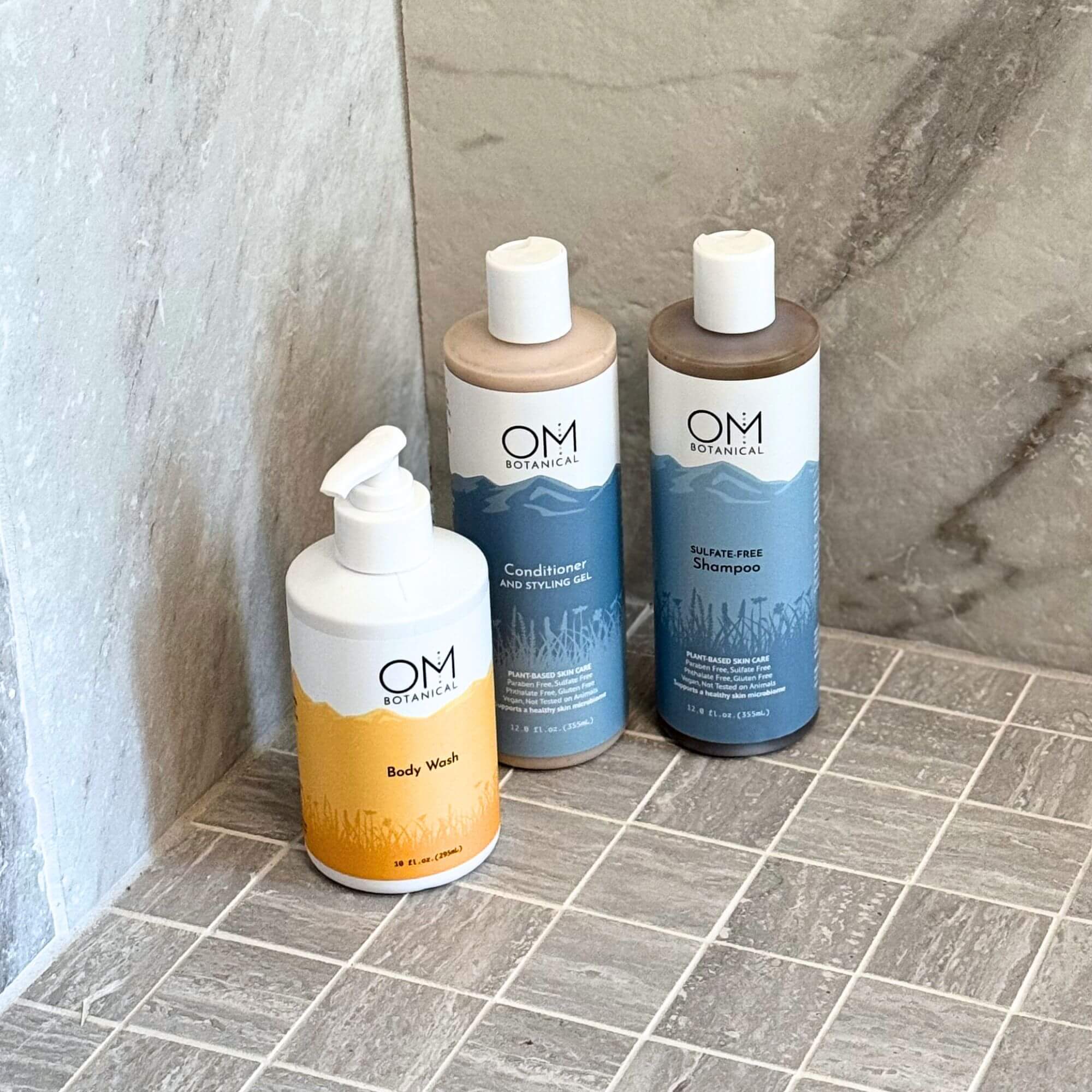
OM Botanical blends full‑spectrum Ayurvedic herbs with food‑grade, plant‑derived ingredients that are literally safe‑enough‑to‑eat. The brand’s formulas avoid preservatives that harm microbes, and they list every component on the label for full transparency. Because the actives are whole‑herb extracts, the skin receives the whole botanical matrix, not isolated isolates. This approach supports barrier repair, reduces inflammation, and keeps the skin’s pH in the sweet spot for bacterial health. Maintaining a balanced skin microbiome is essential for these benefits.
2. Prebiotic Cleanser
A prebiotic cleanser uses aloe‑based fibers that feed beneficial bacteria while gently lifting dirt. Its mild surfactants keep the skin’s natural acidity intact, so you won’t strip away the good microbes. The formula also contains oat extract to soothe irritation, making it a solid choice for sensitive or acne‑prone skin.
3. Microbiome‑Supporting Serums
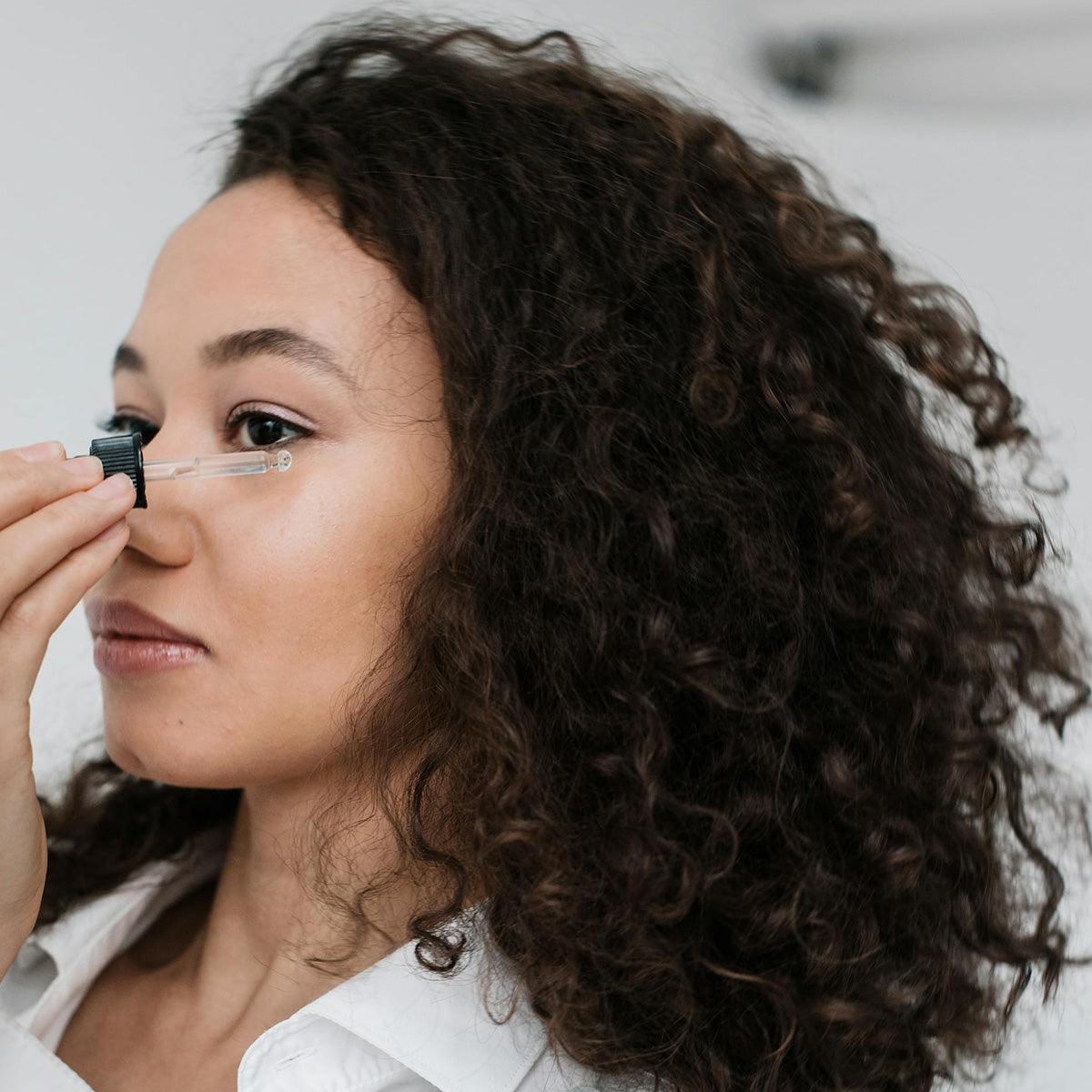
Serums formulated with pre‑biotics, post‑biotics, and gentle ferment extracts can help maintain a balanced skin microbiome. These ingredients work to soothe redness and support the skin’s natural defenses.

4. Herbal Toner, pH‑Balanced balancing Toner that Feeds Good Bacteria
This Aloe vera‑based toner stays at a skin‑friendly pH of 5.5. It blends rose water, green tea, and licorice root to calm inflammation and provide antioxidants. The low‑pH environment helps good bacteria flourish while keeping opportunistic microbes in check. A study on skin pH and microbiome health noted that maintaining a slightly acidic surface supports bacterial diversity ( Wikipedia).

5. Moisturizer, Non‑Comedogenic with Pre‑ & Post‑Biotics
This moisturizer combines prebiotic Aloe vera with post‑biotic fermented radish root to nurture the skin’s microbiome throughout the day. Its lightweight, non‑comedogenic base uses cucumber, and its plant‑based, food‑grade formulation mimics the skin’s natural sebum without clogging pores. The formula also includes ceramides rich jojoba oil for barrier strength and even skin tone. The ingredient list shows the exact pre‑ and post‑biotic blend.
6. Mineral sunscreen with zinc oxide
Mineral sunscreens using zinc oxide provide broad‑spectrum UV protection without synthetic chemical filters that can disrupt the skin’s microbiome. Formulated with antioxidant‑rich botanical extracts, they help neutralize free radicals generated by sun exposure. Being reef‑safe, they avoid harming marine ecosystems, making them a responsible choice for eco‑conscious users.
7. Gentle Plant‑Based Enzyme Exfoliating Face Cleanser
This one step face cleanser uses a low concentration of fruit enzymes derived from papaya and pineapple, paired with licorice and chamomile extracts. The enzymes exfoliate dead skin cells without over‑stripping, while the Ayurvedic herbs provide anti‑inflammatory benefits. Because the pH is carefully balanced, this cream cleanser supports microbial diversity rather than disrupting it. Users report smoother texture after two weeks of use.
Nighttime microbiome‑friendly facial Oil
A nighttime antioxidant oil blends ceramide rich cold pressed oils such as marula, pomegranate seed, argan and avocado with a plant‑derived vitamin E complex to support the skin’s lipid barrier, creating a stable environment for beneficial microbes overnight. These antioxidant oils may help reduce cortisol‑related inflammation, a factor in microbiome imbalance.
9. Whole‑Body Plant‑Based Lotion
A full‑body lotion that combines cold‑pressed plant oils and butters such as: kokum, mango, and shea butter, rich in omega fatty acids—to provide nourishment that supports the skin’s microbial community across the arms, legs, and torso.
How to Choose the Right Microbiome Friendly Product
- Look for food‑grade, whole‑plant ingredients.
- Check that the pH is around 5.5 ± 0.5.
- Avoid sulfates, parabens, phenoxyethanol, and synthetic fragrance.
- Prefer a microbiome‑friendly moisturizer that lists live probiotic cultures or prebiotic fibers.
- Consider your skin type: lightweight gels for oily zones, richer creams for dry areas.
FAQ
Is microbiome friendly skincare really better for acne?
Yes. Supporting the skin’s natural bacteria helps keep acne‑causing microbes in check, reducing breakouts and inflammation.
What ingredients damage the skin microbiome?
Harsh surfactants, high‑pH soaps, alcohol, and synthetic preservatives can strip away good bacteria and raise skin pH, leading to dysbiosis.
Can I use regular moisturizer with a microbiome product?
You can, but choose a moisturizer that shares the same pH‑balanced, food‑grade philosophy; otherwise you may undo the benefits.
How long does it take to see results?
Most people notice smoother, calmer skin within two to four weeks of consistent use, as the microbiome rebalances.
Do I need to patch‑test these products?
Yes. Apply a small amount to your inner forearm for 48 hours; if no redness or itching appears, the product is likely safe for your skin.
Ready to give your skin the microbial boost it craves? Try OM Botanical Plant‑based Ayurvedic Skincare free →
Start by swapping your current cleanser for a prebiotic option and add a probiotic serum. Your skin will thank you with a clearer, more resilient glow.
Share