
















How to Strengthen Your Skin Barrier with 5 Natural Steps
Feeling tight, flaky or red after a wash? That’s a sign your skin barrier is cracked. When the barrier weakens, moisture leaks out and irritants slip in. In this guide you’ll learn five clear steps you can take today to repair and protect that protective wall, all with gentle, plant‑based ingredients.
Step 1: Identify the Signs of a Damaged Skin Barrier
Before you can fix anything, you need to know what’s wrong. A healthy barrier keeps water in and keeps bad stuff out. When it fails, you’ll notice a few tell‑tale clues.
- Skin feels tight right after cleansing.
- Redness appears after exposure to wind or hot water.
- Flaky or rough patches show up on the cheeks or arms.
- Products that used to feel soothing now sting or burn.
- Fine lines look deeper because the skin has lost plumpness.
These signs all point to a loss of lipids, natural moisturizing factors, or a disrupted acid mantle. Dr. Melissa Piliang of the Cleveland Clinic explains that the barrier is “the outer layer of dead cells, lipids and proteins that act like armor.” Cleveland Clinic notes that a broken barrier lets pollutants and microbes pass more easily, which fuels irritation.

To confirm, you can do a quick home test. After washing, wait a minute and then press a clean fingertip to your cheek. If the skin feels dry or pulls away, the barrier is likely compromised.
That tiny percentage shows most products ignore the microbes that help keep the barrier strong. Recognizing the signs is the first step toward a healthier skin wall.
Want a deeper dive on how to keep that wall strong? Check out our Skin wellness guide for a full routine overview.
Step 2: Simplify Your Skincare Routine, Ditch Harsh Ingredients
When the barrier is weak, every product you slap on matters. Too many actives, strong surfactants, or high‑pH cleansers can tear the wall further.
First, look at the ingredient list. If you see sodium lauryl sulfate, alcohol, or fragrance, those are red flags. They strip natural oils and raise the skin’s pH above the ideal 5.5 range.
Next, trim the routine. A single gentle cleanser and a basic moisturizer are enough while you heal. Skip double‑cleansing, skip harsh exfoliants, and hold off on retinoids or high‑strength vitamin C until the barrier feels calm.
Why does this work? Less irritation means the skin can focus on rebuilding lipids instead of fighting inflammation. A calmer skin also means the friendly bacteria can repopulate.
Looking for a starter routine? Our Skincare routines page walks you through a minimal, effective approach.
Remember, simplicity is power. You don’t need a dozen products to fix a barrier. One clean cleanser, one soothing moisturizer, and consistency will do the trick.
Step 3: Nourish with Plant‑Based Oils and Ceramides
Once you’ve stopped the damage, you need to feed the barrier. The stratum corneum is like a brick wall; the bricks are skin cells and the mortar is lipids. Plant‑based oils and ceramides act as that mortar.
Research shows that oils such as olive, safflower, and jojoba provide essential fatty acids that mimic the skin’s natural lipids. PMC notes that these fatty acids help restore the intercellular lipid matrix, reducing transepidermal water loss.
Here’s how to pick the right oil:
- Look for cold‑pressed, food‑grade oils. They keep the full spectrum of antioxidants.
- Choose oils rich in linoleic acid if you have oily or acne‑prone skin. Linoleic acid helps balance sebum.
- Pick oils or butters high in oleic acid (Shea butter) for dry or mature skin. Oleic acid boosts softness.
Ceramides are the star players for barrier repair. They make up about half of the skin’s natural lipid mix. When you apply a ceramide‑rich serum and creams, you directly replenish the missing mortar.
Our own Biome Balancing Serums blend plant‑derived ceramides rich lipids with adaptogenic herbs and peptides. That blend is the only product in a recent 44‑product survey to claim microbiome‑friendly support. OM Botanical explains that the full‑spectrum herbs work together to soothe inflammation while the ceramides rich lipids seal in moisture.
How to use:
- After cleansing, pat skin dry but leave a thin film of water.
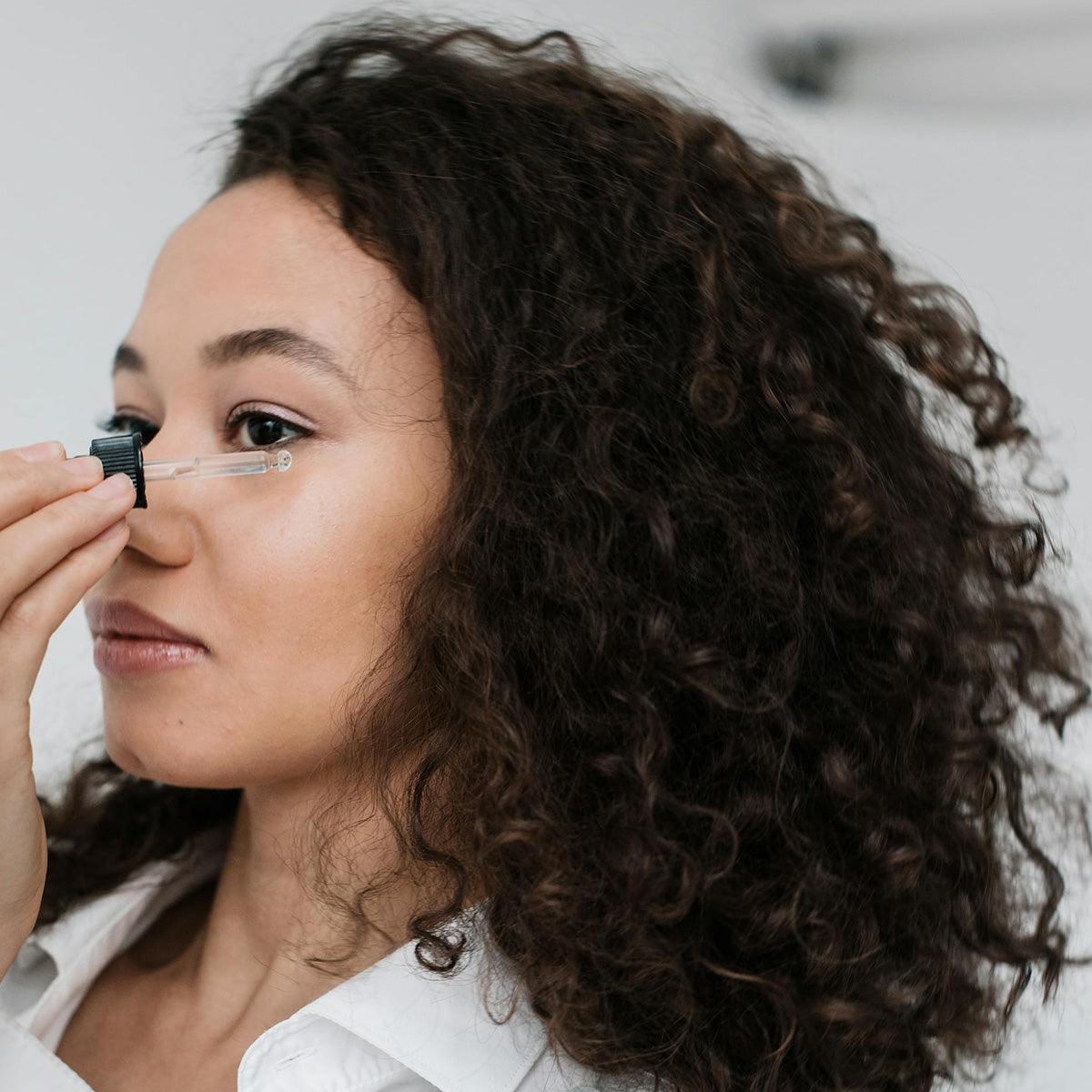
- Apply 3‑5 drops of a plant‑oil or serum. Press gently; don’t rub.
- Follow with a ceramide rich cream if you need extra barrier strength.
Consistency matters. Use the ceramide rich oils and antioxidants combo twice daily for at least four weeks before expecting visible change.
Read more about why plant peptides matter in The Power of Plant Peptides in Skincare. The article explains how peptides boost lipid production from within.
Step 4: Support Your Skin Microbiome with Gentle Cleansing
Your skin hosts millions of microbes that act like a friendly guard force. When you use harsh soaps, you wipe out both bad and good bacteria, leaving room for troublemakers.
Gentle cream cleansers work by lifting dirt without stripping lipids. A balanced pH (4.0‑5.5) keeps the acid mantle intact, which in turn preserves the habitat for beneficial microbes.
Here’s a quick checklist for a microbiome‑friendly wash:
- Surfactant: Look for decyl glucoside or shikakai or soapnuts.
- pH: Between 4.0 and 5.5.
- Fragrance‑free: Even natural scents can irritate sensitive skin.
- No added preservatives like phenoxyethanol.
Why these matter: A study in Usable Dermatology found that high‑pH soaps swell the stratum corneum and let microbes that cause acne thrive. A low‑pH cleanser keeps the skin’s ecosystem balanced.
Switching to a gentle, pH‑balanced cleanser can calm redness within a week and improve texture in a month.
Need help picking a microbiome‑friendly moisturizer after you cleanse? Our guide How to Choose a Microbiome Friendly Moisturizer walks you through the key ingredients to look for.
Remember to patch test any new cleanser on the inner forearm for 48 hours before using it all over the face.
Step 5: Protect and Seal with a Moisturizer and SPF
Even a repaired barrier can be undone by UV exposure or harsh weather. A good moisturizer locks in the oils you just added, while sunscreen shields the skin from sun‑driven damage.
Look for moisturizers that contain three pillars: humectants (like glycerin or tremella mushroom), occlusives (squalane or shea butter), and barrier‑boosters (ceramide rich lipids, niacinamide). These work together to pull water in, keep it from evaporating, and rebuild the lipid matrix.
Niacinamide is especially useful. Studies show it increases ceramide production, which directly strengthens the barrier.OM Botanical’s niacinamide serum pairs well with a light cream for day use.
When you choose a sunscreen, avoid formulas that contain chemicals like oxybenzone or octinoxate, as they can irritate the microbiome. Look for mineral sunscreens with zinc oxide and added antioxidants.
A recent study measured the effect of four sunscreens on skin homeostasis. All four slightly raised skin pH but also reduced erythema, indicating an anti‑inflammatory benefit. PMC suggests picking a sunscreen that balances protection with minimal pH shift.
Application steps:
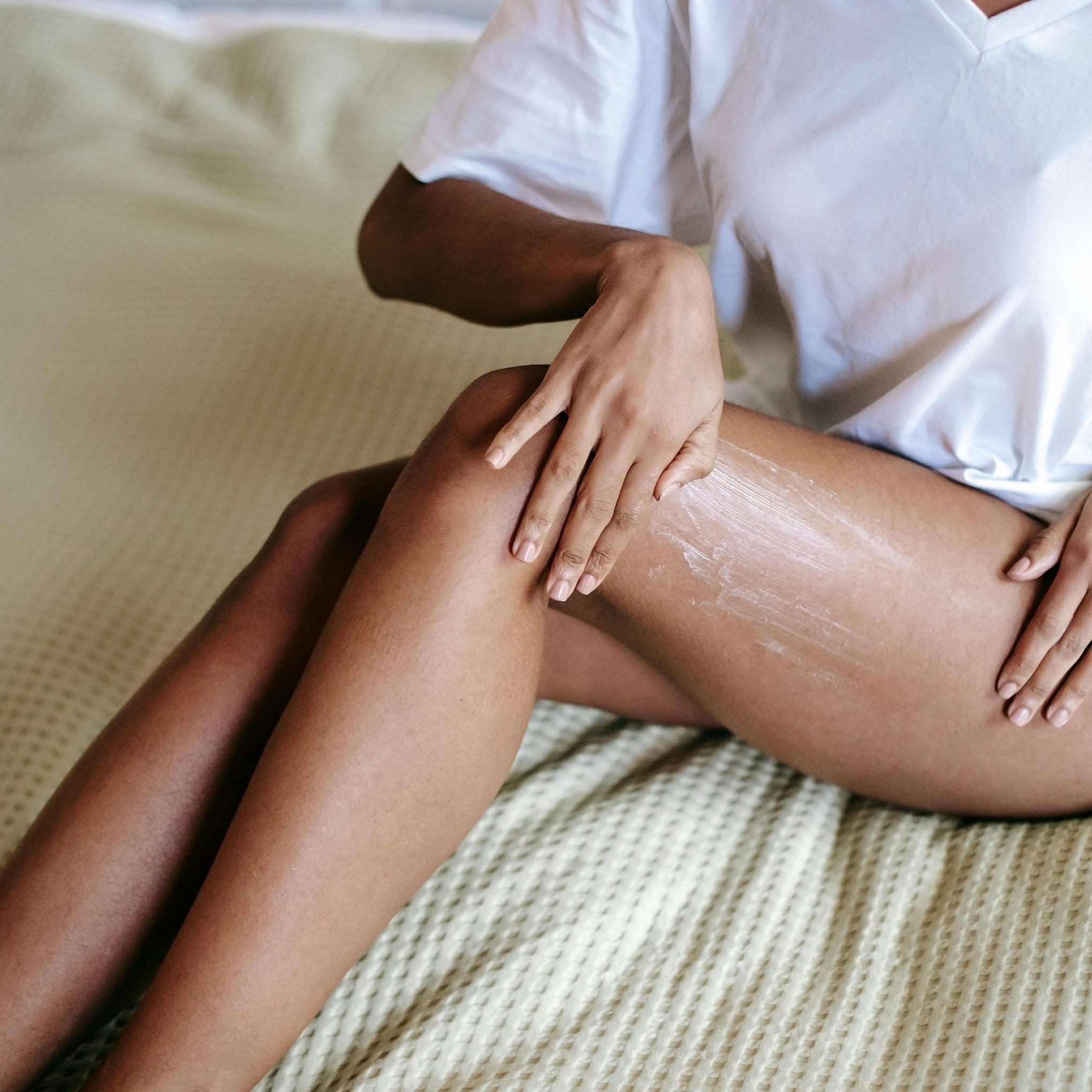
- After your serum, apply moisturizer while skin is still damp. Pat, don’t rub.
- Wait two minutes, then spread a pea‑size amount of SPF 30+ across the face, neck, and ears.
- Reapply SPF every two hours if you’re outdoors.
Stick with this routine for at least six weeks. You’ll notice less redness, smoother texture, and a visible glow.
For a deeper look at niacinamide’s science, see Niacinamide: The Best Ingredient for Skin Barrier Repair.
Frequently Asked Questions
What exactly is the skin barrier?
The skin barrier is the outermost layer of dead skin cells, lipids and proteins that act like a brick wall. It keeps water in and keeps irritants out. When the barrier is intact, the skin feels soft and resilient. When it’s broken, you get tightness, flakiness and irritation.
How can I tell if my barrier is damaged?
Notice how your skin feels after washing. If it feels tight or stingy, that’s a sign. Red patches, dry flakes, and increased sensitivity to products also point to a compromised barrier. A simple test is to press a fingertip to your cheek after a cleanse; if it pulls away, the barrier needs help.
Do I need to stop all actives while repairing?
Not necessarily, but pause strong exfoliants, retinoids and high‑strength vitamin C until the skin calms. Stick with gentle hydrators, ceramides and antioxidants. Once the barrier feels stable (usually after 3‑4 weeks), you can re‑introduce actives gradually.
Why are plant‑based oils better than synthetic ones?
Cold pressed plant oils keep the natural fatty‑acid profile that matches skin lipids. They also carry antioxidants that fight inflammation. Synthetic oils can be heavier and may block pores, while cold‑pressed, food‑grade oils feed both the skin and its microbes.
Can sunscreen hurt my barrier?
Some chemical filters can raise the skin’s pH and irritate sensitive microbiomes. Mineral sunscreens with zinc oxide are gentler and often include soothing botanicals. Choose a formula that lists a pH near 5.5 and avoids fragrance.
How long does it take to see results?
Barrier repair is a gradual process. Most people notice less redness and tighter moisture within two weeks. Full texture improvement and a steady glow typically appear after four to six weeks of consistent care.
Conclusion: Your Skin Barrier Deserves Better
We’ve walked through five natural steps that target the root of barrier trouble. First, you learned to spot the warning signs. Then you stripped away harsh actives, fed the skin with plant oils and ceramides, protected the friendly microbes with a gentle cleanse, and finally sealed everything with a smart moisturizer and sunscreen.
Each step builds on the last, creating a sturdy, hydrated wall that keeps irritants out and moisture in. When you follow this routine, you’re not just treating a symptom , you’re restoring the skin’s natural defense system.
If you’re ready to upgrade your regimen, start with a simple cleanse and our Biome Balancing Serum. The rest of the steps will fall into place naturally. Your skin will thank you with a softer feel, a smoother look, and a radiant glow that lasts.
Stay patient, stay consistent, and remember that a healthy barrier is the foundation for all other skin goals.
Share