














The Perfect Remedy for Rosacea: Niacinamide Serum
A Science-Backed Guide to Calmer, Clearer Skin
If you're one of the millions who deal with rosacea, you know it's more than just a little redness. It's a daily struggle with inflammation, sensitivity, and frustration. Whether it's the constant flushing, burning sensations, or those stubborn little bumps, consistent care for rosacea can impact not just your skin—but your confidence, too. To reduce rosacea flare-ups naturally, gentle skin care routines are recommended, such as using alcohol-free cleansers, applying cold compresses, and avoiding abrasive exfoliants. Natural ingredients like licorice, aloe vera, and chamomile extracts are often suggested for their calming and anti-inflammatory properties. Additionally, protecting skin from sun exposure by wearing broad-spectrum mineral sunscreen and minimizing triggers like spicy foods or alcohol can help manage symptoms.
Fortunately, there's a gentle, science-backed solution gaining traction in the skincare world: Niacinamide serum.
This powerhouse form of Vitamin B3 is increasingly recognized by dermatologists and researchers as a natural, effective remedy for managing rosacea symptoms—without the harsh side effects of traditional treatments.
Let's dive into what makes niacinamide serum perfect for rosacea, how it works, the clinical research behind it, and how to make it part of your skincare routine.
What Is Rosacea? Understanding the Condition
Rosacea is a chronic inflammatory skin condition that affects over 16 million people in the U.S. alone. While it's more common in fair-skinned individuals, effective management of rosacea can help improve the condition and alleviate symptoms. It can affect anyone. The hallmarks of rosacea include:
Persistent redness (especially across the cheeks, nose, and forehead)
Flushing and visible blood vessels
Bumps and pimples that resemble acne
Dryness, itching, or burning
Eye irritation (ocular rosacea)
Oral medications may occasionally be recommended, though rosacea isn't caused by poor hygiene, and that myth still lingers. It's actually a result of immune system dysregulation, skin barrier dysfunction, vascular hypersensitivity, and sometimes, an overgrowth of skin mites known as Demodex folliculorum.
For those with rosacea, a daily skincare routine should focus on soothing the skin and protecting the skin barrier. Key steps include using a gentle, fragrance-free cleanser; applying a light, non-irritating moisturizer to maintain hydration; and always wearing sunscreen to protect sensitive blood vessels from UV damage. Avoid harsh exfoliants or products that can trigger flushing and persistent redness.
Oral medications may occasionally be recommended, though rosacea isn't caused by poor hygiene, and that myth still lingers. It's actually a result of immune system dysregulation, skin barrier dysfunction, vascular hypersensitivity, and sometimes, an overgrowth of skin mites known as Demodex folliculorum.
Common rosacea triggers include:
Alcohol (especially red wine)
Hot weather
UV radiation
Stress and anxiety
Chemical based skincare products
With the right treatment, symptoms can be significantly minimized. And that's where niacinamide comes in.
What Is Niacinamide and Why Does Your Skin Love It?
Niacinamide, also called nicotinamide, is the active, skin-loving form of vitamin B3. It's water-soluble, non-acidic, and has a long-standing reputation in dermatology for treating sensitive, inflamed, and aging skin, as well as skin irritation.
Used topically in serums and creams, niacinamide supports the skin's barrier function, reduces inflammation, evens out skin tone, regulates sebum, and increases hydration—all of which make it a holy grail ingredient for those with rosacea-prone skin.
Best of all, niacinamide is:
Non-irritating and suitable for sensitive skin
Safe for long-term use
Compatible with other calming ingredients like hyaluronic acid and Centella Asiatica
Affordable and widely available
How Niacinamide Serum Calms Rosacea—Backed by Science
Now let's get into the good stuff—how niacinamide actually works to calm rosacea symptoms, with clinical evidence to back up each claim.
1. Powerful Anti-Inflammatory Effects
Niacinamide helps dial down the redness by inhibiting pro-inflammatory cytokines like IL-1, IL-6, and TNF-alpha.
🔬 Study Spotlight: A 2004 study published in International Journal of Dermatology found that topical niacinamide significantly reduced inflammation in rosacea and acne patients without causing irritation. Participants showed visible improvement after just four weeks.
2. Repairs and Strengthens the Skin Barrier
If you've ever described your rosacea-prone skin as “thin” or “easily irritated,” that's because your skin barrier is compromised. The sun's UV rays can exacerbate this condition, making it more important to protect your skin. Niacinamide boosts ceramide production, which helps seal in moisture and keep irritants out.
🔬 Study Spotlight: Dermatologist Dr. Zoe Draelos demonstrated in her 2006 trial that 2% niacinamide significantly improved the barrier function in individuals with sensitive skin, which is always a good idea for reducing transepidermal water loss (TEWL)—a key measure of skin barrier health.
3. Reduces Redness and Flushing
Niacinamide works on vascular smooth muscle, helping calm those sudden flushing episodes. It also supports microcirculation, reducing persistent facial redness over time.
🔬 Study Spotlight: Clinical trials involving 5% niacinamide showed significant reductions in facial erythema (redness) over 4–8 weeks. Patients reported smoother, calmer complexions with less visible blood vessels.
4. Regulates Sebum Production
If your rosacea comes with oily patches or acne-like bumps (papulopustular rosacea), niacinamide can help by regulating sebum output without drying out your skin.
🔬 Study Spotlight: In a controlled study by Shalita et al., a 4% niacinamide gel reduced sebum excretion rates significantly over six weeks, particularly in the T-zone.
5. Neutralizes Free Radicals and Oxidative Stress
Rosacea flares are often triggered by UV exposure, pollution, and internal stress—all of which generate free radicals that damage your skin. In addition to these factors, certain lifestyle changes can also play a role in managing rosacea. Niacinamide acts as an antioxidant, neutralizing these radicals and supporting your skin's natural healing process.
Microbiome Balance: The Missing Link in Rosacea and Niacinamide’s Secret Strength
While most people focus on inflammation or triggers, one of the most overlooked causes of rosacea is a disrupted skin microbiome. This ecosystem of bacteria, fungi, and microscopic mites acts as a shield—and when it's thrown off balance, rosacea can worsen dramatically, leading to significant improvements in symptoms when properly addressed.
What Is Skin Microbiome Dysbiosis?
Dysbiosis occurs when harmful microbes overpower beneficial ones due to environmental factors or the use of chemically aggressive products with alcohol, SLS, and other high foaming surfactants or synthetic preservatives and perfumes, including products with manuka honey for its beneficial properties.
Common causes
Harsh cleansers that strip the skin's natural oils
Topical antibiotics that kill off protective bacteria
Synthetic preservatives, sulfates, and alcohols in skincare
UV exposure and pollution
Using abrasive exfoliants or overuse of synthetic actives and natural remedies
When this balance tips, it can cause:
Increased inflammation and sensitivity
Overgrowth of Demodex folliculorum (linked to rosacea lesions)
Poor wound healing and prolonged redness
Heightened response to common rosacea triggers
Niacinamide: A Microbiome-Friendly Hero
Unlike many harsh treatments, niacinamide is microbiome-safe. In fact, studies show it helps rebuild microbial diversity and reduce inflammation caused by dysbiosis.
How niacinamide supports your skin’s microbiome:
Strengthens the skin barrier, providing a stable home for good microbes
Reduces Demodex-linked inflammation without disrupting good flora
Balances pH, helping beneficial bacteria thrive
Regulates sebum, which influences microbial growth
Does not disrupt skin flora even with prolonged use
🔬 A 2019 review in Experimental Dermatology emphasized that niacinamide helps preserve microbial balance in sensitive skin conditions, offering a gentle, long-term solution.
How to Use Niacinamide Serum for Rosacea Relief
Ready to add niacinamide serum to your skincare routine? Here's how to do it safely and effectively:
✅ Choose the Right Concentration
For rosacea, start with 5% to 10% concentration
Higher levels (12%) also work, but bust be pH balanced and buffered.
✅ Apply Properly
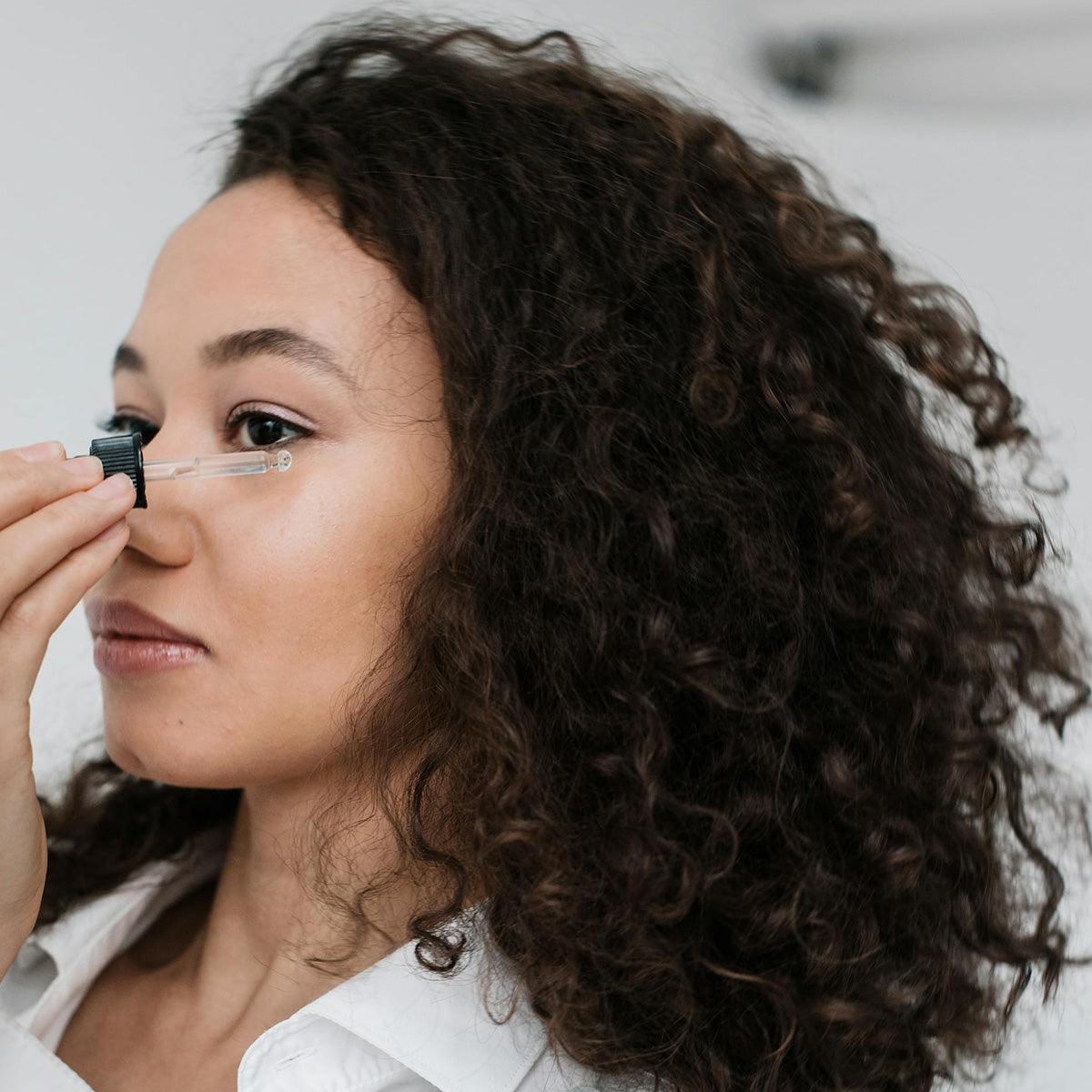
Use once daily after cleansing and before moisturizing
If well tolerated, increase to twice daily after a week
Apply on damp skin to boost absorption and hydration
Best Ingredients to Pair With Niacinamide for Rosacea
To amplify the soothing effects of niacinamide, pair it with these rosacea-friendly ingredients:
Centella Asiatica (Gotu Kola) – anti-inflammatory and collagen-stimulating
Tremella Mushroom (Nature's Hyaluronic Acid) – hydrates and plumps without irritation. Azelaic acid is also beneficial for its calming properties.
Panthenol (Provitamin B5) – improves skin resilience
Aloe Vera – soothing, healing and redness-reducing
Niacinamide vs. Traditional Rosacea Treatments
Unlike topical antibiotics or steroids, niacinamide doesn't compromise your skin microbiome or barrier—and there's no risk of resistance or rebound.
🚫 Common Treatment Pitfalls:
Metronidazole: antibiotic resistance, dryness
Steroids: thinning skin, dependence
Retinoids: irritation, redness, purging
✅ Niacinamide Advantages:
Gentle and non-irritating
Safe for long-term use
Microbiome-friendly and barrier-repairing
Works synergistically with other calming ingredients
Choosing the Best Niacinamide Serum for Rosacea
Look for serums that are:
5–12 % niacinamide that is pH balance and buffered.
Free from alcohol, parabens, synthetic fragrance, and sulfates
Enhanced with calming botanicals like Centella Asiatica, aloe vera, and raw honey.
OM Botanical's Niacinamide Face Serum is specially formulated for rosacea-prone skin. This 12% Niacinamide Serum is a plant-powered, microbiome-safe solution designed with sensitive skin in mind. Despite its high concentration, it's buffered with soothing botanicals like Centella Asiatica, and aloe vera, making it both effective and gentle. Unlike conventional high-strength serums that can irritate rosacea-prone skin, OM Botanical's formula is pH-balanced, fragrance-free, and 100% non-toxic, making it a powerful option for those who need visible results without compromising skin health.
Additional Rosacea Triggers to Avoid
Identifying and avoiding common triggers is essential for managing rosacea effectively. Many individuals find that certain lifestyle habits and environmental factors can exacerbate their symptoms. For instance, spicy foods are notorious for provoking flushing and redness in rosacea-prone skin. Foods that contain high levels of spices, such as peppers and hot sauces, can lead to increased blood flow to the skin, resulting in a flare-up. Similarly, the sun's UV rays and lack of protection from products containing zinc oxide are a significant trigger for many, as they can cause inflammation and worsen existing redness. Protecting your skin from these triggers is vital for maintaining clearer, calmer skin.
Additionally, being mindful of environmental factors and medical treatments can make a difference. Factors such as extreme temperatures, whether hot or cold, can provoke rosacea symptoms. Moreover, pollution and exposure to harsh weather conditions can irritate the skin and lead to flare-ups. Thus, understanding these common triggers is crucial for anyone looking to manage their rosacea effectively.
Common lifestyle and environmental triggers
When it comes to rosacea, awareness of lifestyle and environmental triggers can significantly impact symptom management. One of the primary culprits is UV exposure. The sun's rays can lead to increased redness and swelling, making sun protection like mineral sunscreens with titanium dioxide an absolute must for those with rosacea. Always wear a broad-spectrum sunscreen with at least SPF 30 and reapply every two hours when outdoors.
Environmental factors such as pollution and allergens can also worsen rosacea. Urban areas with high levels of air pollution may see more pronounced symptoms. Furthermore, eye irritation from allergens can contribute to the discomfort associated with ocular rosacea, especially in severe cases. It's essential to limit exposure to known allergens and pollutants when possible, and consider using air purifiers indoors to mitigate these effects.
Lastly, avoid irritants in skincare products, particularly those containing alcohol, fragrances, or harsh exfoliants. These ingredients can strip the skin's barrier and lead to increased sensitivity. Before using any new product, be sure to perform a patch test to ensure it's suitable for sensitive skin. Opt for gentle, hydrating products specifically formulated for sensitive skin. By managing these triggers, you can help keep your rosacea symptoms at bay.
Is Rosacea an Autoimmune Disease?
Understanding whether rosacea is an autoimmune disease is a complex topic. While rosacea is classified as a chronic inflammatory skin condition, current research does not categorize it strictly as an autoimmune disease. However, some studies suggest that it may involve an overactive immune response, particularly in the context of certain triggers. Effective treatment plans are essential for managing rosacea symptoms and improving patients' quality of life.
Individuals with rosacea often experience symptoms due to heightened immune reactions, which can lead to chronic inflammation and exacerbate skin issues. Consulting with a healthcare provider is crucial for those experiencing symptoms, as they can help distinguish rosacea from other conditions and suggest appropriate treatment options and management strategies. It's essential to recognize that while rosacea can significantly affect one's quality of life, it is manageable with the right treatment plan tailored to individual needs.
Conclusion: Calm the Redness, Restore the Balance
Rosacea is complex, but your skincare doesn't have to be. Niacinamide serum offers a well-rounded, science-backed remedy for redness, inflammation, barrier damage, and—crucially—microbiome imbalance. For many patients, topical medications can enhance the effectiveness of niacinamide in addressing these skin issues.
By supporting your skin's immune response, protecting its barrier, and promoting a healthy microbial environment, niacinamide helps heal from the inside out—gently, safely, and holistically.
Say goodbye to redness, reactivity, and rosacea-induced stress. Say hello to balance, calm, and confidence—naturally.
Share