


















Simple Minimalist Skincare Routine: 3 Steps to Healthy Skin

Most people think a minimalist routine means only a cleanser. That’s a myth. You can strip away the noise and still cover skin, hair and the body with three thoughtful steps. In this guide we’ll walk you through each step, explain the science behind the barrier and microbiome, and show how OM Botanical’s plant‑based, Ayurvedic formulas fit the plan.
By the end you’ll have a clear, evidence‑backed routine you can start today without guessing which product does what.
Step 1: Cleanse with a Gentle, Plant‑Based Cleanser
A clean slate is the foundation of any routine. The goal is to lift dirt, oil, and makeup without tearing the skin’s natural barrier. Start your routine with a good face wash that looks for a formula that uses mild surfactants derived from plants, keeps the pH near 5.5, and adds a touch of soothing botanicals.
Here’s a quick way to test a cleanser:
-
Wet your face with lukewarm water.
-
Dispense a pea‑size amount and massage for 60 seconds.
-
Rinse and pat dry. Your skin should feel fresh, not tight.
If you feel a sting, the surfactant is too harsh. Swap it for a plant‑based option that feels like a soft breeze.
When you choose a cleanser, read the label for ingredients such as chamomile, licorice and aloe , they calm irritation and add antioxidants. Avoid sulfates, alcohol and synthetic fragrances, which can disrupt the skin’s microbiome.
For a deeper look at why a balanced pH matters, see the skin wellness guide that explains how each layer of care supports overall health.

Step 2: Balance & Protect the Skin Barrier
The skin barrier is the wall that keeps water in and pollutants out. When that wall is cracked, you see dryness, redness, and faster signs of premature aging, affecting your overall skin tone. Repairing it means feeding the cells with lipids, ceramides, and barrier-supporting actives.
Key ingredients to look for:
-
Niacinamide , boosts ceramide production.
-
Tremella mushrooms, pulls water into the outer layer.
-
Bakuchiol, a natural molecule that shields cells from stress.
Apply a thin layer after cleansing, letting it sink in before any heavier cream. This creates a “sandwich” effect: the barrier stays sealed while the next step adds moisture.
Because the barrier works hand‑in‑hand with the skin microbiome, choosing products that are microbiome‑friendly is essential. Look for formulas that list prebiotic aloe, fermented botanical extracts or low‑dose phenoxyethanol as the only preservative.
For more on barrier science, check out the skincare routines page where we break down which actives work best for different skin types.
According to Wikipedia’s overview of the skin barrier, a healthy barrier maintains a slightly acidic pH (around 5.5) and contains lipids that limit water loss. Keeping those conditions steady is why a simple serum can be more effective than a multi‑step cocktail.
Step 3: Hydrate and Nourish with Minimalist Moisturizer
Moisturizer is the final seal in your morning routine. It should lock in the active ingredients and actives you just applied and supply the skin with long‑lasting hydration. The best minimalist moisturizers are light, non‑comedogenic and packed with humectants and barrier‑friendly oils.
What to look for:
-
Plant‑derived glycerin, draws water into the skin, making it ideal for dry skin.
-
Plant‑derived glycerin , draws water into the skin.
-
Cold‑pressed jojoba or argan oil , mimics natural sebum without feeling greasy.
Use a pea‑size amount and massage in upward strokes. Cover the face and neck. If you have very dry patches, add a second layer in the evening.
Many people wonder if a moisturizer can also protect from UV rays. While a dedicated sunscreen is still needed, some minimalist creams include mineral filters like zinc oxide. Those give a light shield while you focus on barrier repair.
Our own sustainable routine guide recommends pairing a plant‑based moisturizer with a reef‑safe mineral sunscreen for full‑day protection.
When you feel the moisturizer sink in without a heavy film, you’ve hit the sweet spot of hydration plus breathability.
Science Layer: Microbiome & Inflammation Explained
The skin microbiome is the community of good bacteria that lives on the surface. It feeds on the natural oils you produce and, in return, sends signals that keep inflammation low.
When you use harsh surfactants or overload the skin with acids, you can wipe out those helpful microbes. The result is a cycle of irritation, redness and breakouts.
Research shows that a balanced microbiome reduces the production of inflammatory cytokines, which are the messengers that cause swelling and redness. Feeding the microbes with prebiotic ingredients like fermented aloe helps keep the skin calm.
Finish with a lightweight moisturizer that contains food‑grade humectants while avoiding the urge to try new products too frequently.
-
Cleanse with a sulfate‑free, plant‑based formula.
-
Apply a serum that lists prebiotic botanicals.
-
Finish with a lightweight moisturizer that contains food‑grade humectants.
According to Wikipedia’s entry on the human microbiome, the skin hosts a unique set of microbes that act like a fingerprint , no two people have the exact same community.
Understanding this relationship lets you choose products that nurture, not destroy, those tiny allies.
Solution: Minimalist Routine with OM Botanical Products
OM Botanical blends Ayurvedic wisdom with modern molecular science. Their three‑step minimalist line covers cleanse, barrier support, and moisturize, all while protecting against UV damage and staying microbiome‑friendly, often leading to better results for skin health.
Step 1 ,Gentle Enzyme Cleanser: an enzyme‑rich, plant‑based cleanser that lifts grime without stripping lipids. It contains oat and green tea extracts that calm irritation.
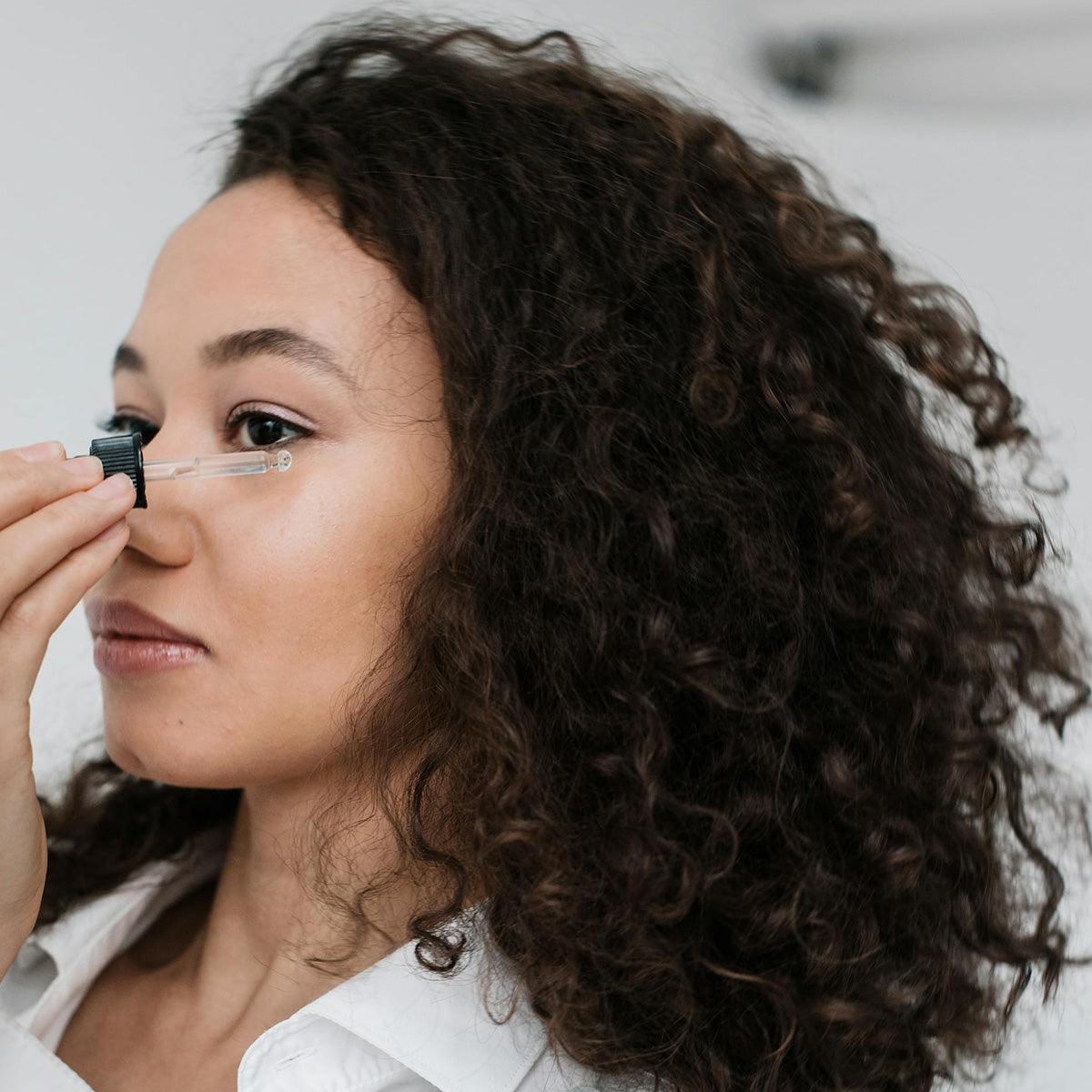
Step 2 ,Barrier‑Balancing Serum: a blend of niacinamide, tremella mushroom and peptides. Each ingredient was chosen for its proven role in barrier repair and microbial support.
Step 3 ,Young and Bright Moisturizing Cream: a lightweight cream with Vitamin B3, sake kasu, cold‑pressed jojoba oil and a tiny amount of fermented radish root as a safe preservative. The formula is food‑grade, meaning the ingredients are safe enough to eat.
Because the trio is designed to work together, you avoid the “layer‑on‑everything” trap that many routines fall into. The result is smoother texture, less redness and a glow that comes from inside the skin, not from a shine‑inducing silicone.
If you need a deeper dive, the skin reset page walks you through how each product fits into seasonal changes and how to adjust the routine when you travel.
Overall, the OM Botanical approach proves that minimalism doesn’t mean cutting corners, it means choosing the right three ingredients that do the most work.

FAQ
Is a minimalist routine enough for oily skin?
Yes. Oily skin often benefits from fewer products that can overload the pores. A gentle cleanser removes excess oil and sebum without stripping the barrier. Follow with a light serum that contains niacinamide, it regulates oil production. Finish with a non‑comedogenic moisturizer that includes humectants like tremella mushroom. This three‑step flow keeps shine in check while maintaining hydration.
Can I skip sunscreen if I only use a moisturizer with mineral filters?
A moisturizer with mineral filters provides a low level of protection, typically SPF 15‑20. For everyday indoor activities that involve brief outdoor exposure, it may be enough. However, if you plan to be outside for longer than 30 minutes, apply a dedicated broad‑spectrum sunscreen of at least SPF 30. This layered approach protects against UV‑induced inflammation, dark spots, and supports barrier health. When switching to minimalist skincare, a common mistake to avoid is relying solely on products that combine multiple functions, such as a moisturizer with mineral filters, for sun protection. You should not skip dedicated sunscreen if you're spending more time outdoors, as adequate UV protection is crucial for maintaining healthy skin even with a simplified routine.
How does the skin microbiome affect acne?
Acne thrives when harmful bacteria outcompete the good ones. Harsh cleansers can wipe out beneficial microbes, leaving space for *Propionibacterium acnes* to multiply. A microbiome‑friendly routine that addresses your skin concerns feeds the good strains with prebiotic ingredients like fermented aloe. Over time you’ll see fewer breakouts and less redness because the skin’s natural defense stays strong.
What’s the difference between tremella mushroom and Vitamin B5 for hydration?
Tremella Mushroom is a powerful humectant that pulls water into the outer skin layer while gently exfoliating dead skin cells. Vitamin C serum and Vitamin B5 (panthenol) not only draw moisture but also help repair the barrier by stimulating lipid synthesis. Using both together gives immediate hydration from Snow mushroom and long‑term barrier repair from B3 and B5, which is why many minimalist moisturizers combine them.
Do I need an extra serum for anti‑aging?
If your primary concerns are fine lines and loss of elasticity, a serum with bakuchiol can be added a few times a week. However, the OM Botanical balancing serum already includes niacinamide and peptides, which boost collagen production and help remove dead cells while protecting against oxidative stress. Many users find that the three‑step routine keeps their skin youthful without an extra anti‑aging product.
How often should I change my routine?
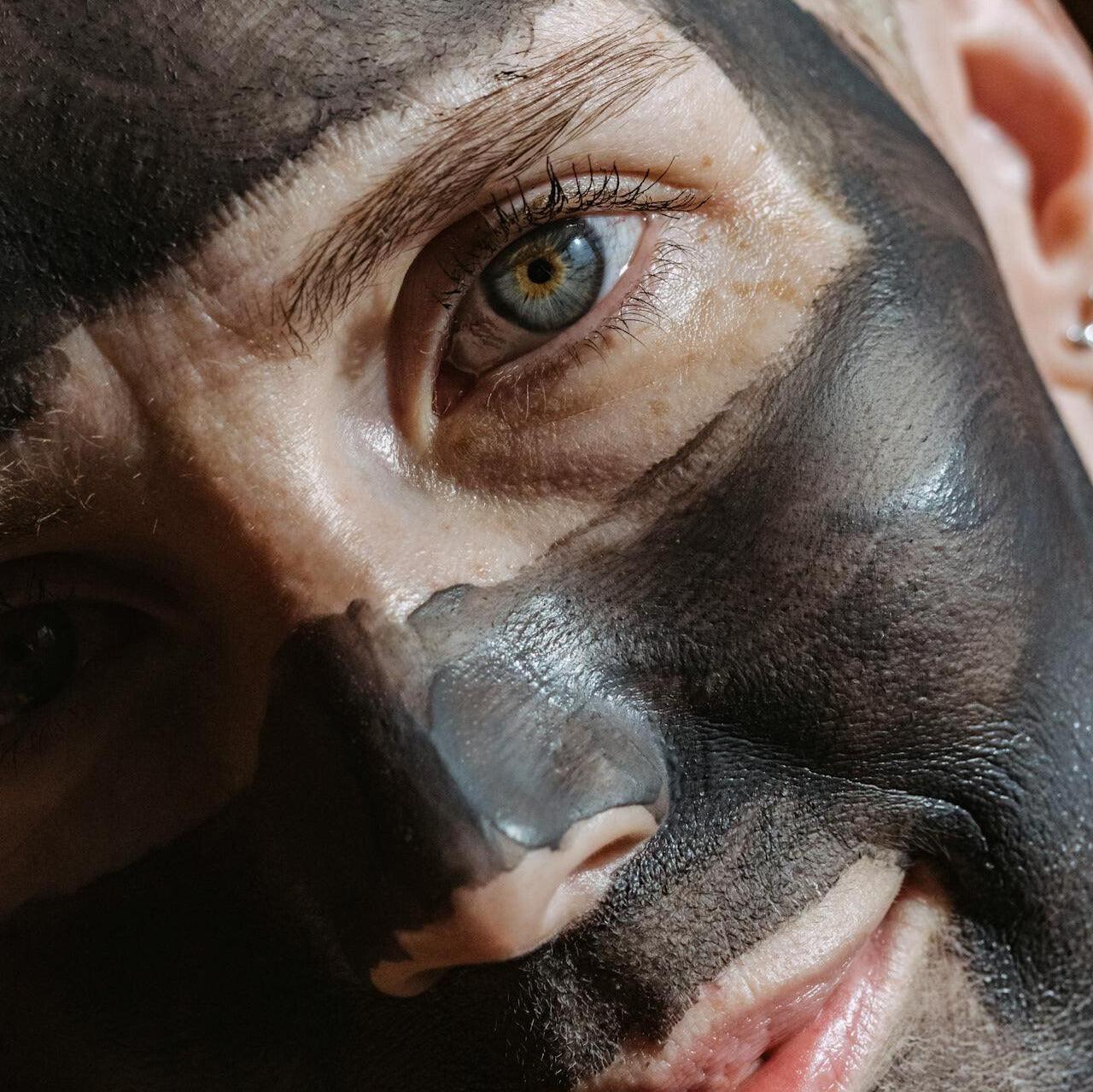
Skin changes with season, hormone shifts and lifestyle, affecting your skin texture. Stick with a core three‑step routine for at least six weeks to see how it works. If you notice new dryness, oiliness or irritation, tweak one layer at a time, for example, switch to the right products like a richer moisturizer in winter or add a gentle mask in summer. Tracking these changes in a simple journal helps you spot patterns.
Is a plant‑based routine safe for sensitive skin?
Plant‑based formulas can be very gentle, but you still need to watch for potential irritants like essential oils or high concentrations of fragrance. Choose products that are labeled fragrance‑free and contain soothing botanicals such as chamomile or oat. to achieve balanced skin. OM Botanical’s cleanser and moisturizer are both free of synthetic fragrances and help protect your skin against free radicals, making them a solid choice for sensitive types.
Can I use this routine alongside prescription acne medication?
Yes, as long as you keep the prescription product as the treatment layer and use the minimalist routine around it. Cleanse first, apply your prescribed medication, then follow with the barrier-support serum and moisturizer. The gentle, barrier-friendly products help reduce irritation that can come from strong actives like willow bark or thyme, and they also protect your skin against sun damage.
Conclusion
Simple does not mean ineffective. A three‑step minimalist skincare routine that cleanses, balances and hydrates can keep the barrier strong, the microbiome happy and the skin looking fresh. OM Botanical’s plant‑based line shows how Ayurvedic herbs and modern science can work together in just a few skincare products. Start with a gentle cleanser that includes salicylic acid, add a barrier‑support serum and finish with a lightweight, Vitamin B5‑rich moisturizer. Adjust for sun exposure, seasonal changes or specific concerns, and you’ll see steady improvement without the overwhelm of a 12‑step regimen.
Ready to try it? Visit the basic face‑care duo page and grab the three essentials. Your skin will thank you for the simplicity.
Share
Share