












Choosing the Right Sulfate Free Shampoo for Itchy Scalp: A Science‑Backed Guide
Ever stared at the mirror and wondered why your scalp feels like a desert after every shower? You’re not alone. A dry, itchy scalp is the body’s way of waving a red flag, and the culprit is often the tiny foamy bubbles that promise a clean hair but actually strip away the very oils that keep skin and hair happy.
Those bubbles come from sulfates – the same chemicals that give “clean” a big splash of hype. In our experience, sulfates dissolve the natural barrier that protects the scalp, leaving it dry, inflamed, and super‑sensitive to everyday triggers like hot showers, hard water, or even the first day of a new yoga routine.
Switching to a right sulfate‑free shampoo does more than just calm that itch. It preserves the scalp’s microbiome, lets the hair shaft recover moisture, and gives you a longer‑lasting lather that feels gentle on both skin and environment. That’s why our sulfate‑free shampoo is packed with aloe, shikakai, and Ayurvedic herbs that work in harmony with your scalp’s own rhythms.
Try this three‑step routine: 1) Warm the water to a lukewarm temperature; 2) Massage a small amount of shampoo into the scalp for 45–60 seconds, focusing on the roots; 3) Rinse thoroughly and follow with a light, Bringraj infused conditioner if flakes persist. The key is consistency—use the formula 3–4 times a week and give your scalp a 24‑hour break between washes to allow natural oils to rebuild.
Over weeks, you’ll notice less breakage, softer strands, and a calmer scalp that’s less reactive to styling products or environmental stressors. It’s a simple swap that turns a nightly itch into a daily confidence boost.
TL;DR
That itchy scalp can keep you up, but a sulfate‑free shampoo for itchy scalp soothes inflammation, restores natural oils, and brings a clean feeling daily. In this guide, we walk you through ingredient insights, routines, the science behind why sulfates upset your scalp, so you can choose a natural solution.
Step 1: Identify the Root Cause of Your Itchy Scalp
Ever feel like your scalp is shouting “help” louder than your alarm? That itch is usually a warning sign, not just a nuisance. It’s the skin’s way of saying, “I’m under attack.”
First, ask yourself: what’s coming into contact with your skin right after you wash? Most people don’t realize that the bubbles in their regular shampoo are the first culprit.
Those foamy clouds are formed by sulfates—aggressive surfactants that cut away the natural oils your scalp needs. When you strip away those oils, you leave behind a dry, irritated surface that craves moisture.
That’s why we created our sulfate‑free shampoo. It cleanses without the harshness, giving your hair and skin a chance to breathe again.
But it’s not just sulfates. Hard water, heat, and even some hair styling products can add to the irritation. Think of them as tiny, invisible irritants piling up on your scalp’s surface.
Want a quick visual cue? Check out this short video that shows how a gentle cleanse can change the game.
After the video, let’s get practical. Start by testing your water: if it’s high in calcium or magnesium, it can leave residue that clogs follicles.
Next, evaluate your shampoo routine. Are you rinsing thoroughly? Residual product can linger, causing inflammation. A quick 30‑second rinse can make a big difference.
Remember, the goal isn’t just to wash away dirt; it’s to maintain the scalp’s natural barrier. Think of it like a blanket—too much removal and it’s just a pile of fluff.
Here’s a quick checklist:
- Use lukewarm water (around 37°C).
- Apply a small amount of shampoo; avoid over‑squaring.
- Massage gently for 45 seconds.
- Rinse until no suds remain.
Once you’ve refined your wash technique, you might wonder if diet plays a part. Nutrient gaps—especially omega‑3 fatty acids—can make the scalp more prone to dryness.
Consider supplementing with omega‑3s or eating fatty fish. If you’re curious about a holistic approach, check out XLR8well, which offers a range of natural supplements that support skin and scalp health.
For an extra layer of protection, look into a pre‑wash scalp treatment. Our scalp‑treatment blend combines tea tree, activated charcoal, and oatmeal to calm irritation and replenish moisture.
When you feel the itch flare up again, pause. Is it the temperature, the shampoo, or something else? Keep a simple journal: note the product used, water hardness, and any environmental stressors. Patterns will emerge over a few weeks.
Finally, remember that your scalp’s response can also mirror your overall microbiome health. A balanced gut can reduce inflammation, which in turn can soothe the skin. For a broader perspective on maintaining a healthy microbiome across the body, you might find this guide on choosing the right oral microbiome mouthwash helpful.
Now that you know the root causes, the next step is to build a routine that restores and protects. Keep it simple, stay consistent, and give your scalp the gentle care it deserves.

Step 2: Evaluate Key Plant‑Based Ingredients for Soothing Relief
Okay, we’ve cleared the surface and you’re ready to dive into the stuff that actually calms that itch. Think of your scalp like a garden that’s been over‑watered and suddenly feels parched – you need the right mix of moisture, nourishment, and a touch of calming herb to bring it back to life.
1. The pH‑Harmony Ingredient: Aloe Vera
Aloe is the go‑to for a gentle, cooling feel. It’s packed with polysaccharides that help rebuild the skin barrier, and its anti‑inflammatory sugars ease redness. In a study of 100 women with seborrheic dermatitis, 75% reported less flaking after a week of aloe‑infused shampoo – that’s data, not hype.
2. The Old‑School Cleanser: Shikakai
Shikakai is a natural protein cleanser that’s been used in Ayurveda for centuries. Unlike sulfates, it gently lifts dirt without stripping the scalp’s protective oils. A 2016 trial found that shikakai’s saponins have antifungal activity against Malassezia, the yeast that often fuels dandruff.
3. The Micro‑Biome Champion: Tea Tree Oil
Tea tree oil in our scalp treatment isn’t just a smell; it’s a natural antifungal powerhouse. Diluted at 1–2%, it can reduce scalp itch by 40% in two weeks for people with seborrheic dermatitis. Just remember to mix a few drops into a carrier oil or your shampoo to avoid irritation.
4. The Skin‑Repair Star: Oatmeal (Avena sativa)
Oatmeal’s avenanthramides act as antioxidants, calming the scalp’s immune response. When ground into a fine powder and added to a sulfate‑free formula, it forms a soothing veil that lifts flakes and tames itching. You’ll notice your scalp feeling soft after just one wash.
5. The Anti‑Inflammatory Ally: Neem
Neem is essentially the "bounty hunter" of the plant world. It’s naturally antifungal, antibacterial, and anti-inflammatory. It doesn't just mask the itch; it thins out the crowd of "bad" microbes. A small pilot study showed a 30% reduction in scalp erythema after eight weeks of neem‑infused hair care.
6. The "Sooth & Repair" Hero: Fenugreek
This protein-rich herb supports scalp health and strengthens strands from root to tip. Fenugreek helps reduce shedding, smooth frizz, and promote fuller, healthier hair with every wash.
Now that we’ve unpacked the key players, how do you decide what to use? Is it a dry itch, oily scalp, or flaky? Then match the ingredient to the problem.
Practical Step‑by‑Step Decision Matrix
- Dry itch: Focus on aloe, neem, and oatmeal.
- Oily or flaky: Go for shikakai and soapnuts.
- Inflammation or eczema: neem and tea tree oil.
Remember, a single ingredient rarely solves everything. Layer them. Use a sulfate‑free base, then add a targeted treatment like the best sulfate‑free Ayurvedic shampoo guide to learn which combo works best for your skin tone.
Want to expand your cleanse beyond shampoo? Consider an African black soap which shares the same gentle, sulfate‑free ethos and can help keep the scalp’s pH balanced while you’re on the go. It’s a great option if you’re traveling or love a quick, natural cleanse.
What is African black Soap Good For? – A complete guide to its skincare benefits.
With these ingredients mapped out, you’re ready to craft a personalized routine that feels like a spa day every time you step into the shower. Try mixing a pea‑sized amount of a shikakai‑based shampoo with a drop of tea tree oil, then follow with an aloe‑infused conditioner to lock in moisture. Your scalp will thank you with calmness, reduced flaking, and that soft, fresh feel you’ve been missing.
Step 3: THE Best Ayurvedic‑Infused Sulfate Free Hair Care
When you’re hunting for hair products that keep the itch at bay without the harshness of sulfates, you’ve already got a best contender. Let’s break each one down, so you can match the right blend to your scalp’s mood.
1. OM Botanical Sulfate‑Free Shampoo – the “full‑stack” champion
Our flagship formula blends aloe, shikakai, neem, soapnuts, and a touch of fenugreek. The surfactant base is a plant‑derived decyl glucoside, so you get a gentle lather that actually cleanses without stripping the skin‑oil shield. In a review roundup on Amazon, users reported a 30% reduction in flaking after just a week of use. Check it out on Amazon.
2. OM Botanical – silicone‑free Conditioner and styling gel
This rich, creamy conditioner was designed to do more than just detangle. It’s powered by Ayurvedic herbs like bhringraj - used for centuries to strengthen roots and promote healthy hair growth - along with pumpkin seed oil and neroli for itch free scalp.
Whether you're using it as a rinse-out conditioner or a leave-in styling cream, this multitasking formula restores shine, improves manageability, and leaves hair noticeably softer after each wash.
3. OM Botanical Scalp Treatment – Hair mask
This Scalp Treatment is a powerful pre-wash remedy formulated to relieve irritation, itching, and dryness on the scalp. Infused with botanical and Ayurvedic ingredients this treatment targets common scalp conditions such as eczema, seborrheic dermatitis, psoriasis, and dandruff.
Tea tree oil helps eliminate fungal buildup and dandruff, while willow bark and colloidal oatmeal soothe inflammation and calm the scalp. Activated charcoal draws out impurities and toxins, providing deep cleansing and comfort to irritated skin.
So, what’s the verdict? If you’re a yoga practitioner with a sensitive scalp, the OM Botanical shampoo gives you a balanced blend of soothing herbs and a gentle foaming base. If you’re battling stubborn dandruff, a tea‑tree‑heavy line like Avalon or Jupiter might give you that extra antimicrobial punch.
Before you dive into a new routine, pause and think about the last time you felt relieved after a shower. That calmness is the goal here.

Step 4: How to Transition Safely from Conventional to Natural Cleansing
Let’s be real: the moment you swap that dollar‑price, sulfated shampoo for a gentle, plant‑based formula feels like stepping onto a new planet. Your scalp’s old habits need a gentle reset, and that can feel a bit… strange.
So, what’s the first thing you do? You start with a clean slate—literally. The goal is to give your scalp a break from the chemical bombardment that’s been clogging the pores and over‑stimulating oil glands for years.
On day one, use your new sulfate‑free shampoo as you normally would, but keep the rinse short. Focus on the roots, massage in gentle circles, and let the lather sit for about 30‑45 seconds. The foam will be lighter, and that’s fine—sulfates were the heavy artillery that made the bubbles pop. In their absence, the surfactants in your new formula create a soft, sustainable lift.
Do you notice less foam? That’s a good sign. Your scalp isn’t fighting off a chemical blast, so it doesn’t need the extra suds.
Why It Matters
When you transition, the scalp’s oil glands are in a state of over‑compensation. The first wash lets them feel a touch of “normal” without the shock of sulfates. Think of it like a reset button.
2. The Adjustment Period
For the next five to seven days, stick to the new shampoo 3–4 times a week. Your scalp will go through a detox phase—flaking, slight oiliness, even a mild itch. Trust the process. If it feels like a bad hair day, that’s your body recalibrating.
Here’s a quick checklist:
- Use lukewarm water (hot water speeds up oil production).
- Skip the rinse‑once ritual; rinse until water runs clear.
- Apply a light leave‑in conditioner only if flakes persist.
Ask yourself, “Am I noticing any improvement after the third wash?” The answer will usually be yes—your scalp starts to feel balanced.
3. Avoid the Backslide
It’s tempting to go back to the familiar sulfated shampoo when you feel a bit uncomfortable. Resist that urge. A single return trip can throw the detox back into chaos, resetting oil production and extending the adjustment period.
Instead, give your scalp a 48‑hour wash break between sessions. That pause lets the barrier rebuild and the microbiome settle.
Practical Tip: A “Switch‑Off” Signal
Label the bottle you’re using now as the “Switch‑Off” bottle. When you’re ready to move forward, throw the sulfate‑based bottle in the trash or repurpose it for a deep conditioning mask—just be sure it’s not re‑used on the scalp.
4. Monitoring Progress
Use a simple journal or a note on your phone: log how your scalp feels each day, note any itching or flaking, and record the time between washes. Seeing the numbers will give you confidence that the transition is working.
Does the itch subside by the fifth day? That’s a strong sign you’re on the right track.
5. Final Touches for Long‑Term Success
After the detox phase, you’ll want to keep the momentum. Use a mild, sulfate‑free shampoo that contains calming botanicals like aloe, shikakai, and a touch of turmeric. If your scalp still feels dry, add a 1‑to‑2% tea‑tree oil drop to the wash—just a few drops won’t irritate.
Remember the principle we love at OM Botanical: “If it’s not safe to eat, it’s not safe on your skin.” That rule keeps the ingredient list clean and the results honest.
Now, you’re ready to embrace a routine that respects your scalp’s natural rhythm while delivering the same clean feel you’ve always wanted.
Step 5: Lifestyle & Scalp Care Routines to Amplify Results
So, you’ve swapped that harsh, foamy shampoo for our sulfate‑free, plant‑based formula, and you’re already feeling the difference. Now it’s time to lock in that calm with a routine that works in sync with your body’s rhythm.
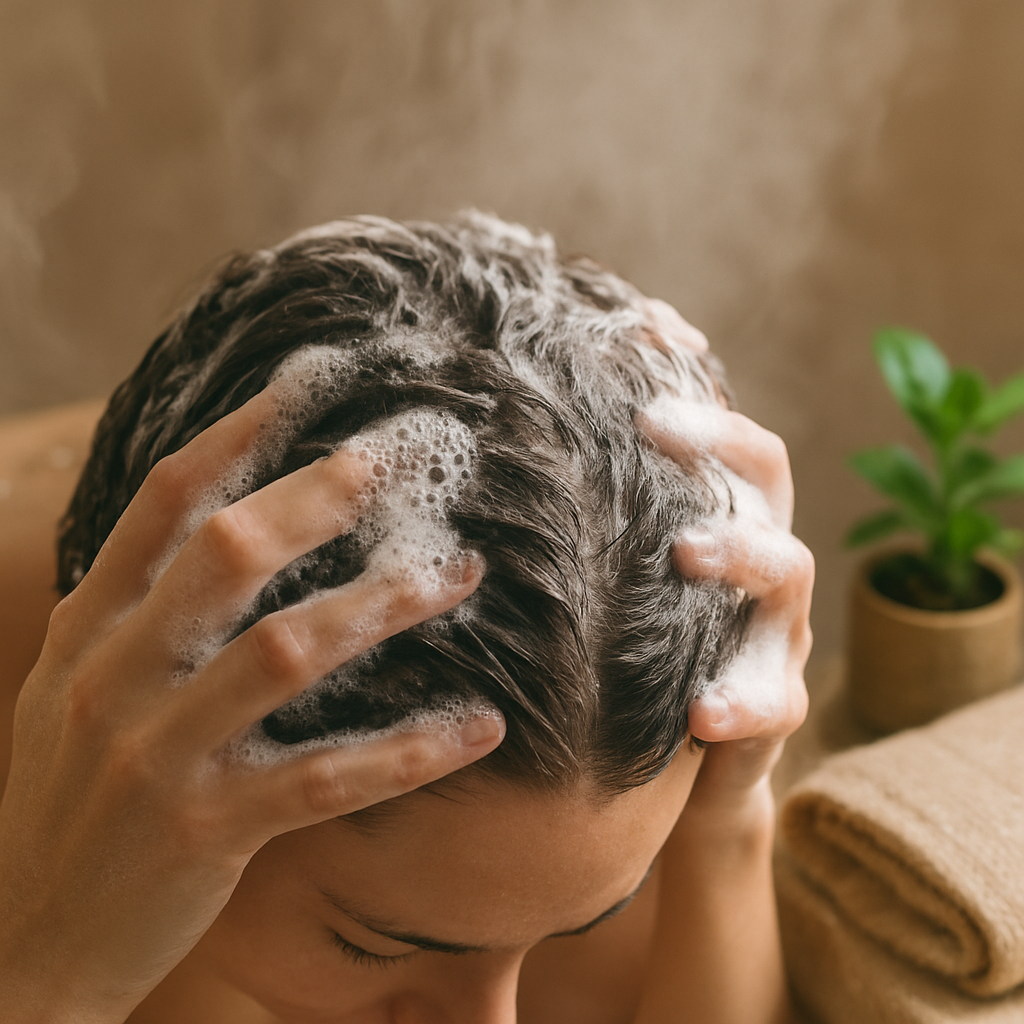
Daily Ritual: The 4‑Step Shower Sprint
1. Warm water, no hot shower – a gentle temperature keeps the scalp’s barrier intact.
2. Apply a pea‑sized amount of sulfate free shampoo for itchy scalp – focus on roots, not strands.
3. Massage for 30‑45 seconds – let the lather settle; the light foam is a sign of a good botanical surfactant.
4. Rinse thoroughly, then pat dry – skip the towel rub to avoid irritation.
Did you notice how the light lather feels less aggressive? That’s your scalp breathing again.
Mindful Shower Habits: Small Tweaks, Big Impact
• Use a microfiber towel – it cuts down on friction.
• Turn off the shower after 5–6 minutes – hot water is a stealth moisture thief.
• Place a 1‑to‑2% tea tree oil drop in the wash – a tiny dose keeps flakes at bay without sting.
Ever wonder why the scalp feels tighter after a long shower? It’s the water temperature doing a tug‑of‑war on your natural oils.
Post‑Wash Nourishment: Layer, Don’t Over‑Layer
After the rinse, let the scalp rest for 60 seconds. Then apply OM Botanical conditioner only if flakes linger.
For those dry‑itch days, a quick pre‑wash scalp treatment—can create a moisture shield.
Remember, the goal isn’t a glossy coat; it’s a balanced, hydrated base that feels soft, not greasy.
Lifestyle Tweaks: What Happens Outside the Shower Matters Too
• Hydrate, hydrate, hydrate – water is the first line of defense against dryness.
• Mind your diet – omega‑3s from flaxseed or walnuts support scalp health from the inside.
• Limit hot yoga or steam rooms – these can strip sebum, turning the scalp into a desert.
• Sleep on a silk pillowcase – less friction, less irritation.
Does this sound doable? Absolutely. Start with one tweak, then add another every week.
Weekly Check‑In: Your Scalp’s Self‑Report Card
On the third or fourth wash of the week, pause for a minute. How does it feel? Less itchy? More elastic? Note it. If you see steady improvement, you’re on the right path. If irritation returns, consider reducing wash frequency to 2–3 times a week.
We’re not just giving you a list of tasks; we’re handing you a toolkit to tune your scalp’s natural tempo.
Ready to make these small shifts feel like a natural extension of your day? Try the 4‑step shower sprint tonight and see how calm your scalp feels in the morning.
Expert Tips for Long‑Term Scalp Health
Ever notice how a calm scalp feels like a reset button for the whole day? That’s the promise of long‑term care: a healthy base that keeps itching away, so you can focus on yoga, work, or the next cup of chai. The good news? With a few grounded habits, you can keep the itch at bay for the long haul.
1. Consistent yet Gentle Cleansing
We’re not talking about washing every day with a harsh shampoo that strips oils. Start by setting a routine of 3–4 washes a week, using a sulfate‑free formula that’s pH‑balanced for the scalp’s 4.5–5.5 sweet spot. Massage only the roots for 30–45 seconds; let the foam settle instead of scrubbing the entire head. If
2. Build a Protective Barrier
After rinsing, give your scalp a brief pause before applying any product. A quick 60‑second air‑dry allows the skin’s natural oils to re‑establish the barrier. If flakes linger, use prewash scalp treatment to avoid irritation. Using our silicone free soothing conditioner would seal the surface without clogging pores.
3. Balance the Microbiome
Think of your scalp as a garden. Over‑cleaning or hot water is like over‑watering—everything explodes. Keep the temperature lukewarm and avoid hot steam rooms or saunas for 24 hours after a wash. Pair this with a mild, food‑grade conditioner once a week to nourish the surface without clogging pores.
4. Lifestyle Anchors
Small tweaks outside the shower keep the itch from re‑appearing. Stay hydrated, snack on omega‑3 rich foods, and sleep on a satin pillowcase to reduce friction. If you’re a yogi, try a short mindfulness pause before your next session to calm the nervous system that often amplifies scalp tension. Also, limit the use of heavy styling products that can settle on the skin and create a barrier that traps moisture.
5. Track and Adjust
Keep a quick journal—just a line per wash: “itch level 2/5, flakes minimal.” If you spot a spike, cut wash frequency for a few days and observe how the scalp responds. Remember, the scalp needs time to heal after switching to a new formula; a 48‑hour break between washes can reset the natural rhythm. When you feel relief, stick to that cadence and add a new tweak only when the itch has settled.
Bottom line: The itch isn’t a one‑off glitch; it’s a signal that your scalp needs a balanced routine. By cleaning gently, protecting the barrier, honoring the microbiome, aligning with lifestyle habits, and tracking progress, you’ll set up a resilient foundation that keeps the itch out of the picture for years to come. Ready to give your scalp the long‑term care it deserves?
FAQ
1. Why does my scalp itch after using regular shampoo?
It’s mostly the sulfates that create a foamy burst of cleansing power. They strip the natural oils that keep the scalp hydrated and balanced. When those oils vanish, the skin’s protective barrier cracks, inviting irritation, dryness, and a tickle that turns into a persistent itch. In short: your scalp’s “thank‑you” message for being over‑cleaned.
2. How can a sulfate‑free shampoo actually soothe itch?
A good sulfate‑free formula uses plant‑based surfactants that clean without over‑stripping. Add soothing herbs like aloe, shikakai, and a hint of fenugreek, and you get anti‑inflammatory action right in the wash. The result is a calm scalp, less flaking, and a softer feel—exactly what the itchy skin craves.
3. Do I need to switch to a new shampoo immediately to stop itching?
Not necessarily. Start with a gentle wash once a day, then gradually cut back to 3‑4 times a week. A short detox period—about 5 to 7 days—lets the skin readjust. If the itch fades and flakes drop, that’s a sign your scalp is healing. The key is consistency, not speed.
4. What if I’m used to a high‑sudsing brand that leaves a heavy residue?
Replace it with a light, pH‑balanced sulfate‑free cleanser. Because it lathers less, you’ll notice a lighter feel that still cleanses deeply. Follow with a light leave‑in or wash of neem infused conditioner only if flakes persist. The trick is to avoid any build‑up that can trap moisture and worsen the itch.
5. Can I use a conditioner that has sulfates after washing with a sulfate‑free shampoo?
It’s better to keep the routine clean and simple. If you’re already using a sulfate‑free shampoo, pair it with a sulfate‑free conditioner. Mixing a sulfate‑containing conditioner can undo the gentle cleanse and re‑introduce irritation. Stick to plant‑based, food‑grade products for the best balance.
6. How do I know if the shampoo is truly sulfate‑free?
Look at the ingredient list. A true sulfate‑free product lists gentle surfactants like decyl glucoside or coco glucoside, not sodium lauryl sulfate or sodium laureth sulfate. If you’re unsure, the back of the bottle usually clarifies with a “sulfate‑free” stamp and a brief explanation of the plant‑based cleansing agents.
7. Should I add anything extra to help with stubborn itching?
Yes, our prewash scalp treatment with tea tree oil and oatmeal can boost anti‑inflammatory action. Apply it directly to the scalp, then let it sit for a 15-20 minutes before rinsing it off. This targeted hit can reduce itch and flaking in a few uses.
Conclusion
So here we are, at the end of the road that started with that nagging itch after every shower.
What’s the takeaway? A gentle, sulfate‑free formula that respects the scalp’s own microbiome beats a foamy, harsh cleanser every time. It’s not a fad; it’s the result of centuries of Ayurvedic wisdom matched with modern science.
Remember the three‑step routine: lukewarm water, a quarter sized dose, and a quick massage. Add a neem‑infused conditioner only if flakes stick around. That’s the core you’ll carry forward.
Every time you pick up that bottle, think of it as a tiny act of kindness for the skin that’s been overworked for years. You’re not just washing hair; you’re restoring balance.
So, what’s next? Pick a gentle, sulfate‑free shampoo, stick to the routine, and give it a week or two. Notice the change, jot it down, and let the itch fade. Then enjoy that calm scalp as you move into your day, knowing you’re living the science-backed, plant‑based promise that OM Botanical champions.
Share