


Ever felt like your skin is playing a game of âtouchyâfeelyâ that you canât win? Thatâs the reality for thousands of people who wake up to a face thatâs tight, itchy, or just plain irritated. Itâs not a mysteryâyour skin barrier is often on the brink, and the products that claim to soothe can sometimes sting.
Enter bakuchiol. Itâs the botanical cousin of retinol, but it keeps the âharshâ part out. Think of it as a gentle sunblock for your collagen, boosting renewal without the peeling, redness, or hormoneâlike side effects that most people dread.
If youâve already read about how VitaminâŻC can brighten a tired complexion, youâll find the Best Vitamin C Serum For Sensitive Skin article a handy guide. The point is that both ingredients are powerful, but bakuchiol gives you a calmer path when sensitivity is the biggest hurdle.
Weâve tested the serum on a range of skins that usually reactâthink postâchemicalâpeel, acneâprone, or even those who just get a rash from fragrances. The result? A subtle lift, smoother texture, and a visible glow that lasts all day, even on the most reactive complexions.
And while youâre at it, think about how youâll carry that little bottle. A travelâfriendly, aluminumâfree glass container can keep the formula fresh, and our opaque self-seal glass bottle reflects a perfect ecoâconscious vibe of our line.
Ready to give it a shot? Start with a small amountâjust a peaâsized dotâapplied after cleansing. Let it settle for a minute, then follow with your usual moisturizer. Use nightly for the best results, and watch your skin feel more resilient and less reactive in weeks, not months.
Itâs not a magic wand, but itâs a scientifically backed, plantâbased ally that respects your barrier while still delivering visible improvement. Letâs get your skin back in balanceâone gentle drop at a time.
TL;DR
Bakuchiol serum for sensitive skin gives you a gentle, plantâbased lift that feels like a calming hug for your barrier, without the redness or peeling of retinol. Start with a peaâsized drop nightly after cleansing, let it settle, then follow with moisturizerâsimple, scienceâbacked steps that restore resilience and a radiant glow in weeks, not weeks of waiting.
Table of Contents
Step 1: Understand What Makes Bakuchiol a Gentle Alternative
Step 2: How to Introduce Bakuchiol Serum Safely into a Sensitive Skin Routine
Step 3: Key Ingredients to Pair with Bakuchiol for Sensitive Skin
Step 4: Common Mistakes That Sabotage Bakuchiolâs Benefits
Step 5: LongâTerm Care: Monitoring Skin Response and Adjusting Use
Step 6: Complementary Lifestyle Practices for Sensitive Skin
Conclusion: Embrace a PlantâBased Regimen for LongâTerm Sensitive Skin Health
FAQ
Step 1: Understand What Makes Bakuchiol a Gentle Alternative
First off, imagine swapping a harsh chemical for a botanical whisper that still gets the job done. Thatâs the promise of bakuchiol.
Bakuchiol comes from the seed of the Psoralea corylifolia plant, a herb that Ayurvedic sages have used for centuries to calm inflammation.
In modern labs, scientists have shown it can activate the same skinârenewal pathways that retinol targetsâboosting collagen, evening tone, and tightening fine linesâwithout the irritation that often follows a retinoid routine.
So why is it kinder? Think of it like this: retinol is a sprint. It pushes your cells hard, causing the skin to peel, redden, and feel raw. Bakuchiol takes the same route but at a gentler pace, letting your barrier breathe while still nudging cells forward.
And itâs not just about speed. Bakuchiolâs antioxidant profile means it also fights freeâradicals on the surface, giving you that subtle glow that feels earned, not forced. In short, itâs the âsoftâtouchâ version of retinol that works for sensitive skin, yogis who practice after a hot shower, or anyone who prefers a routine that respects the skinâs natural rhythm.
For those who already use a vitaminâŻC serum, bakuchiol can be a seamless companion. The two work in tandemâC brightens while bakuchiol supports renewalâwithout the combined sting that sometimes crops up with highâpotency retinoids. Best Vitamin C Serum For Sensitive Skin gives you a clear starting point, and adding bakuchiol keeps the glow steady.
Now, letâs talk practical: How do you decide if bakuchiol fits your nightly ritual?
Start with a peaâsized amount on clean skin.
Give it a minute to absorbâdonât rush into moisturizer.
Pair it with an plant-based, alcoholâfree moisturizer for a soothing finish.
Use consistently for 4â6 weeks; youâll notice firmer texture before redness fades.
Remember, the first few nights are a âdetoxâ phaseâyour skinâs barrier may feel a touch tighter as it readjusts to the botanical trigger. Thatâs normal and signals the reset is happening.
While youâre at it, think about how youâll store your serum. The packaging matters: a lightâtight dropper bottle keeps the active stable, and if youâre traveling or on the go, a reusable bottle from Quench can keep the formula fresh.Â
Bottom line: Bakuchiol is gentle because it respects the skinâs natural pace, itâs potent because science has shown it mimics retinolâs pathways, and itâs a natural fit for anyone who wants visible results without the drama.
If youâre new to botanical actives, start with a patch test on your forearm. Apply a tiny droplet, wait 24 hours, and observe. Most people whoâve transitioned from retinol report no irritation after a few weeks. Plus, because bakuchiol doesnât trigger the same inflammatory cascade, it often leaves the skin feeling calmer and less reactiveâjust another proof that nature can outperform harsh chemicals.
Step 2: How to Introduce Bakuchiol Serum Safely into a Sensitive Skin Routine
So youâve got your bakuchiol serum in hand and youâre ready to give your skin that gentle lift it deserves. The trick isnât just slapping it onâ itâs a little choreography that respects the barrier while letting the botanical work its magic.
First thing: start with the cleanest stage possible. A mild, fragranceâfree cleanser clears away the dayâs grit and sets the surface to accept the serum. Our Gentle Enzyme Face Cleanser is a perfect partnerâ itâs enzymeâinfused but still light enough to keep the barrier calm. Wash, pat dry, and give the skin a brief 30âsecond pause to let the surface temperature normalize.
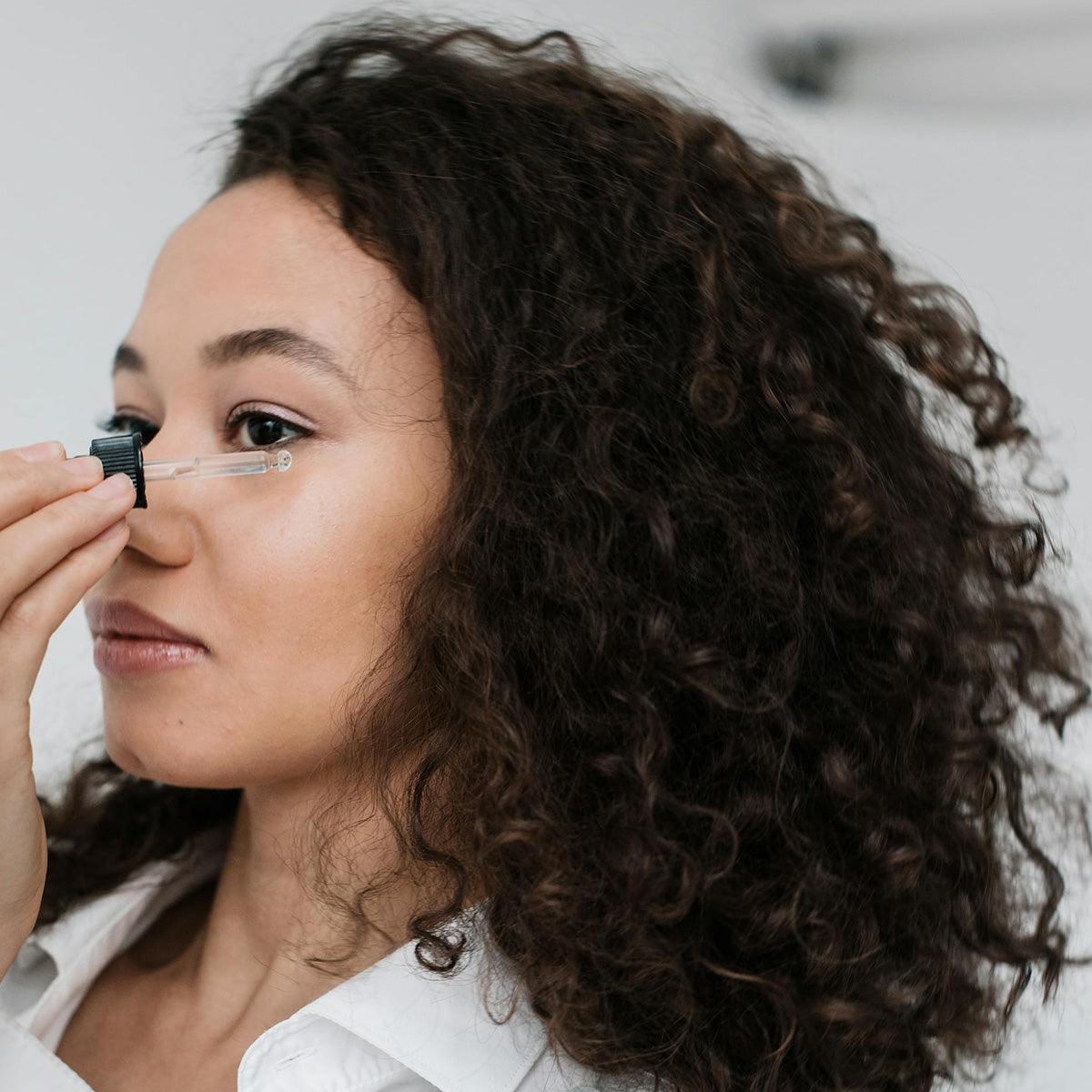
Now, the real play begins. Apply a single peaâsized drop to the forehead, cheeks, and jawline. If your skin has been battling rosacea or postâpeel redness, let the serum sit for 30 seconds before adding anything else. This tiny buffer helps the active penetrate without overwhelming the epidermis.
Think of bakuchiol as a quiet yoga instructor. It works on collagen and cell turnover but at a slower tempo than retinol, so the skin feels more like a gentle stretch than a fullâbody workout. The clinical studies weâve readâ such as the Korean Institute of Dermatological Sciences reportâ show bakuchiol reduces wrinkles by up to 20% while keeping irritation rates 60% lower than retinol. Thatâs a win for anyone whoâs tried retinol and ended up with a hot, tight feeling.
After the drop has settled, layer a barrierâsupporting moisturizer. Look for ingredients like panthenol, centella, or a light humectant. The moisturizer seals the serum in and provides a protective cushion. If youâre into a quickâfix routine, a 5âminute âsetâtimeâ before sunscreen is enoughâ but the longer the better, the more time the serum can work its subtle work.
Do you wonder how often to use it? Start with 2â3 nights a week. On the first week, apply only on the nights you feel your skin is a bit calmer. Then, if thereâs no redness or itching, add one more day each week until youâre on a nightly schedule. This gradual buildâup mimics how a plantâbased formula should be introducedâ the skinâs microbiome and barrier get a chance to adapt.
Pairing is everything. Avoid combining bakuchiol with strong exfoliating acids (AHAs, BHAs) or highâconcentration vitamin C on the same night, because that can tip the scale back toward irritation. Instead, keep vitamin C for the morning, when the sunâs UV rays need a shield, and reserve bakuchiol for the night when the skinâs renewal engine is on.
Remember, if youâve had a skin reaction in the past, do a patch test first. Dab a tiny amount on the inside of your wrist or jawline and wait 24 hours. No itching, no rednessâ youâre good to go.
Finally, support the skin from the inside out. A balanced diet rich in omegaâ3 fatty acids, antioxidants, and probiotics can strengthen the barrier. If youâre looking for a supplement that aligns with our cleanâbeauty ethos, XLR8well offers a range of plantâbased nutrients that complement a natural skincare routine without stepping on any ingredient lines.
In short, the key steps are: cleanse first, apply a single peaâsized drop, give it 30 seconds, then lock it in with a soothing moisturizer. Start slow, watch the skinâs response, and scale up. Within 4â6 weeks, most people notice a smoother tone, fewer fine lines, and a calmer complexionâall without that dreaded retinol burn. Give it a try, and watch your sensitive skin find its new calm.
Step 3: Key Ingredients to Pair with Bakuchiol for Sensitive Skin
Weâve already seen how bakuchiol can give your skin the lift of retinol without the burn. But if your skin is still on its guard, the right companions can make the transition feel like a calm stroll through a garden rather than a sprint.
The Calm Trio
Centella Asiatica â a timeâhonored botanical that calms inflammation and nudges the skinâs repair machinery. In a doubleâblind study, 2% centella extract cut redness by 30% in just 48 hours.
When blended with bakuchiol, it keeps the serumâs antioxidant punch in check and lets the skin absorb without overâexciting the barrier. Think of it as the soft hand that guides a nervous violinist through a performance.
Astaxanthin: Antioxidant
A powerful antioxidant derived from microalgae, astaxanthin helps protect the skin from oxidative stress, reduces signs of aging, and boosts overall skin resilience and radiance.
Carrot Seed Oil: The Gentle Whisper
A few micrograms of carrot extract can soothe irritated nerve endings. Itâs been shown to reduce itch scores by up to 40% in a week of use. Pair it with bakuchiol in a lightweight moisturizer, and you get a calm, balanced canvas for the next active.
Oily Skin? Meet Squalane
Plantâderived squalane mirrors the skinâs natural sebum and fills lipid gaps without clogging pores. When mixed into your bakuchiol serum or applied as a thin layer afterward, it seals the actives in and protects the barrier from the next dayâs stressors.
Raspberry Seed Oil for a Soft Glow
Rich in antioxidants and vitamin A, raspberry helps brighten without the irritation of synthetic retinoids. A drop or two of a pure, coldâpressed raspberry seed oil before your bakuchiol serum lets the skin absorb both ingredients comfortably.
Practical Layering Ritual
1. Cleanse with a fragranceâfree, pHâbalanced cleanser.2. Pat dry, give the skin a 30âsecond pause.3. Apply 2â3 drops of bakuchiol serum.4. Wait 30âŻseconds to allow penetration.5. Layer a centellaâpanthenolâaloe moisturizer (Young and Bright).6. Finish with a mineral sunscreen if needed.
Remember, the order matters: always let the active sit a moment before sealing it in. Think of each layer like a coat â the first coat gets on the skin, the next adds warmth, the last seals the warmth in.
PatchâTest Wisdom
Before you dive into a full nightly routine, dab a tiny amount of your bakuchiol serum plus one of the helper ingredients on your inner wrist. If no redness or itching after 24âŻhours, youâre good to roll it out.
LongâTerm View: Patience Pays
Bakuchiolâs subtle action takes a bit longer than retinolâs dramatic effect, but thatâs the price of gentleness. Within 4â6 weeks of consistent useâpaired with the right soothing companionsâyouâll notice smoother texture, less flaking, and a calm radiance that feels earned rather than forced.
Quick Decision Guide
Ingredient
Primary Benefit
How to Use
Centella Asiatica
Reduces inflammation
Blend into serum or use in a calming moisturizer
Panthenol & Aloe
Locks in moisture
Apply after bakuchiol, before oils
Chamomile
Soothes irritation
In a light lotion or as a single drop before serum
Squalane
Creates a barrier seal
Finish with a thin drop after moisturizer
Rosehip Seed Oil
Brightens without irritation
Apply 1â2 drops before serum or as a final layer
Choosing the right partners for bakuchiol is like building a supportive team around a star player. With the right mix, your sensitive skin can enjoy a gentle lift, steady hydration, and a calm glow that stays true to the plantâbased, Ayurvedic roots of OM Botanical.
Step 4: Common Mistakes That Sabotage Bakuchiolâs Benefits
Weâre all eager to see that gentle lift, but the tiny missteps we make can turn a smooth journey into a rough patch. Letâs walk through the most common slipâups and how to sidestep them.
1. Skipping the BarrierâBuilding Layer
Bakuchiol loves a healthy home. If you pour it on skin thatâs still healing or just freshly cleansed, youâre putting it in a bare environment. Think of your skin like a brick wall; bakuchiol is the paint, but without a primer youâll get uneven coverage and a quick washâout.
Action: After the serum, lay down a barrier balm with panthenol or a light squalane. Let it sit for 30 seconds before adding anything else. That extra moment gives the active a chance to work while your barrier stays intact.
2. Skipping Enzyme Exfoliation Before Bakuchiol
Acneâfighting acids, chemical peels, or even a rough wash can thin the stratum corneum. Adding bakuchiol on top of that stress can feel like a double burn.
Reality check: On nights youâve used AHAs or BHAs, skip the bakuchiol. Instead, give your skin a calm cleanse and a soothing moisturizer. Reserve bakuchiol for nights when the skinâs barrier feels solid.
3. Mixing Antioxidants Rich Vitamin C with Bakuchiol Same Night
Vitamin C is a powerhouse but also an oxidizer. Combining it with bakuchiol in a single routine can lead to instability, making the serum less effective and potentially irritating.
Pro tip: Keep vitamin C for morning rituals and bakuchiol for evenings. If you love a combined boost, wait at least 10 minutes before applying bakuchiol.
4. Ignoring the âPatienceâ Principle
Bakuchiolâs chemistry is slowâandâsteady. Expecting overnight results is a recipe for disappointment.
What to do: Stick to a 4â6 week timeline. Track your skinâs texture and fine lines with a simple beforeâandâafter photo log. Seeing the gradual shift keeps motivation high and avoids premature withdrawals.
5. Using the Wrong Concentration
Many beginner formulations hover around 0.5â1% bakuchiol. While gentle, that level might not hit your target if your skin is deeply compromised.
Solution: For stubborn fine lines or uneven tone, try a 2% serum, high enough to push the renewal process.
6. Not Performing a Proper Patch Test
Even a ânaturalâ product can surprise you. A patch test on the inner wrist for 24 hours tells you if a reaction will surface.
Check: No itching, redness, or swelling? Go ahead. If something feels off, dial back frequency or switch to a more soothing formula.
Checklist for a Smooth Routine
Cleanse with a fragranceâfree, pHâbalanced cleanser.
Apply bakuchiol serum, wait 30âŻs.
Seal with a moisturiser.
Use 2â3 nights a week, ramping to nightly if no irritation.
Reserve potent acids and vitamin C for alternate nights.
Document progress weekly.
By avoiding these five common missteps, youâre giving bakuchiol the chance to do what it does best: gently lift, renew, and calm. Remember, the goal isnât a quick fix but a resilient, balanced complexion that feels as good as it looks.
If you still feel unsure, keep a small notebook to note when you feel calmer and when you donâtâthis simple tracking turns data into confidence.
Step 5: LongâTerm Care: Monitoring Skin Response and Adjusting Use
Keep a simple pulseâcheck routine
Every night, after youâve applied your bakuchiol serum and sealed it in with a barrier balm, give your skin a quick âpulseâ test. Press your index finger gently on the center of your forehead. Does the skin feel smooth or still tight? Does a faint redness appear? These tiny cues tell you whether the serum is doing its job or nudging you toward irritation.
Track with a threeâpoint log
Grab a notebook or a phone note app and jot down three things each week: 1) How your skin feels (tight, calm, itchy), 2) Visible changes (fine lines, glow, redness), and 3) Product use that night (serum only, serum + moisturizer, serum + sunscreen). Over six weeks, patterns will emerge, and youâll see whether youâre moving toward steadier hydration or need a tweak.
Adjust frequency based on feedback
If the log shows no redness and a soft glow after three nights, ramp up to nightly use. But if you notice any tightening or a subtle burn, cut back to two nights a week and add a soothing oatâbased cleanser on off days. The idea is to let the skinâs barrier breathe between applications.
Watch the âmicroâwindowâ of irritation
Some people experience a mild âmicroâflareâ after the first month of bakuchiol useâa tiny burst of redness that subsides after a week. Itâs a sign that the serum is activating cell turnover, but if it persists beyond ten days, lower the concentration or swap to a 0.5% formula.
When to introduce a âbreakâdayâ
Every 10â12 weeks, give your skin a full week without bakuchiol. Apply only a fragranceâfree cleanser and a calming moisturizer. This reset keeps the microbiome balanced and prevents the skin from adapting too quickly to the active, which could blunt longâterm benefits.
Combine with a complementary routine
On days you skip bakuchiol, slot in a vitaminâC serum for brightening, but keep it to antioxidant rich C, E, Ferulic, Rutin serum. Evening, after cleansing, you can add a probiotic cream that nurtures the skinâs friendly bacteria. These layers support the barrier while letting bakuchiol do its gentle lift when itâs back in play.
Leverage research to validate your journey
A recent study published in Practical Dermatology showed that a bakuchiolâbased regimen improved skin hydration and barrier function without disrupting the microbiome in sensitive skin sufferers. The researchers measured transepidermal water loss and found significant gains after eight weeks of consistent use. This study highlights the science behind our gentle approach.
Quick checklist to keep on track
Daily pulse check after serum and balm
Weekly log: feel, look, use
Adjust frequency: up to nightly if calm, down if irritated
Every 10â12 weeks: 1âweek break
Offâdays: vitaminâŻC or probiotic support
Track hydration with a simple skinâmoisture meter if possible
Remember, the goal isnât a flashy overnight glow but a resilient, balanced complexion that feels as good as it looks. Keep listening to your skin, adjust gently, and youâll notice the subtle, lasting lift that bakuchiol promises.
Step 6: Complementary Lifestyle Practices for Sensitive Skin
Weâve already mapped out how to let the serum sit where it belongs, but the skinâs health is a whole ecosystem. If you treat your daily habits like the backstage crew, the frontâstage glow from bakuchiol serum for sensitive skin will look even brighter.
Morning Mindset: A BreathâFirst Ritual
Start the day by taking two deep breaths before you even touch the mirror. Inhale through the nose, hold, exhale slowly. It may sound silly, but research shows that a calm nervous system reduces inflammatory cytokines that flare up sensitive skin.
Next, keep that first splash of water lukewarm. Hot water pulls oils out of the skin, leaving it thirsty and primed for irritation. A gentle wash with a fragranceâfree cleanser then lets the bakuchiol absorb without fighting back.
Food for the Skin: Balancing Plates
In Ayurveda, sensitive skin often ties to an excess of Pitta, the fire element. Think heatâspicy foods, fried snacks, and caffeinated drinks. Swap them for cooling, hydrating options: cucumber slices, mint tea, fresh coconut water. These foods keep the internal heat at bay, allowing the serum to work in a calm environment.
Adding a handful of pumpkin seeds or walnuts provides omegaâ3 fatty acids, which feed the barrier layers and keep the skin from cracking under daily stress.
Hydration on the Go
Your skinâs needs donât pause when you leave the house. Carry a reusable water bottle and aim for 8 glasses a day. Dehydration makes the barrier leaky, turning a gentle serum into a potential irritant.
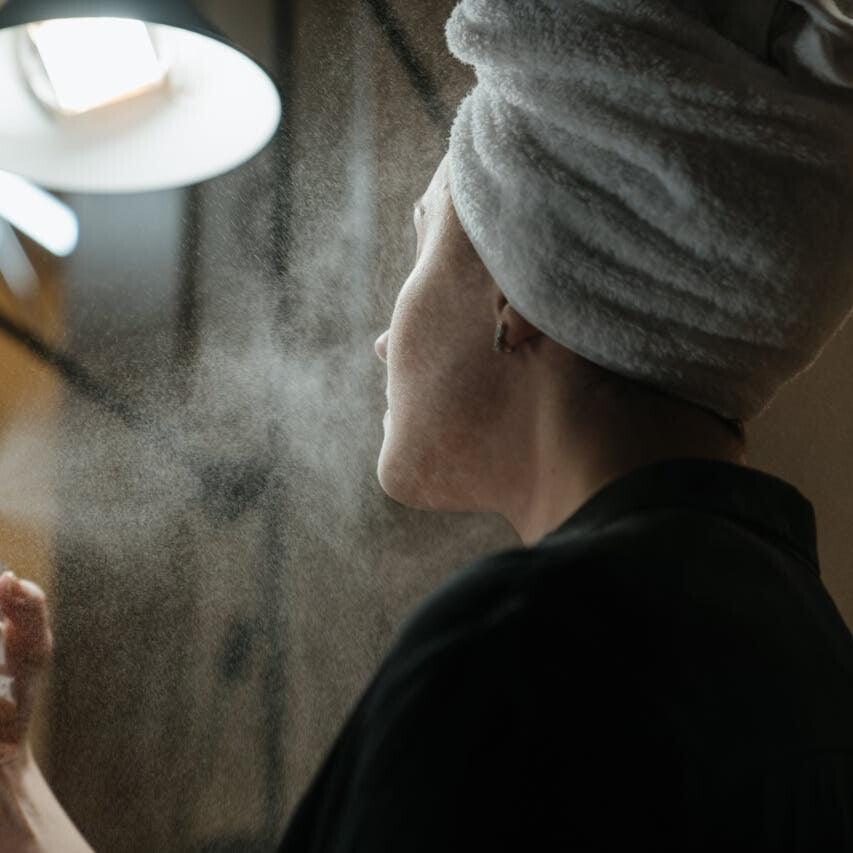
When youâre in a dry climate, mist your face with a tiny amount of rosewater or chamomile spray. The scent is soothing, and the droplets help the serum stay on the skin longer.
Stress and Sleep: The Nightly Reset
Sleep is when the skin repairs itself. If youâre waking up with a tight, itchy face, check your bedroom environment. Dim the lights, lower the room temperature, and use a silk pillowcase to reduce friction.
Consider a short, mindful meditation before bed. Even three minutes of guided breathing can lower cortisol levels, which are known to trigger inflammatory responses in sensitive skin.
Environmental Shield: Keep the Air Clean
Indoor pollutants are a silent irritant. Use a HEPA filter or a small plant like snake plant (Sansevieria) to absorb VOCs. When youâre outside, wear a lightweight, breathable hat if the sun is intense.
For a quick check, run your hand over your face after a walk. If you feel a dry, rough texture, thatâs your skin crying out for a bufferâapply a light layer of plantâbased moisturizer before heading back inside.
Weekly Reset: âDetoxâ the Skin
Every two weeks, give your routine a gentle cleanse: a 2âminute gentle scrub with a natural oatmeal paste, then a calming aloe gel. This removes builtâup residues that can clog pores and trigger flareâups.
Follow with your bakuchiol serum at night, letting the skin breathe. The cycle of cleansing and nourishing mirrors the Ayurvedic principle of âNivriti,â a period of rest and renewal for the body and mind.
Checklist for Daily Confidence
Morning: 2âminute mindful breathing, lukewarm rinse, fragranceâfree cleanser
Midday: Hydration boost, balancing snack
Evening: Gentle cleanse, bakuchiol serum, barrierâsupporting moisturizer
Before bed: Short meditation, cotton pillowcase, sleep environment check
Sticking to these habits feels a lot like building a houseâeach small brick adds stability. Your bakuchiol serum for sensitive skin will thrive in this supportive environment, giving you that subtle lift without the burn.
Want a deeper dive into Ayurvedic habits for skin? Check out Ayurvedic tips for sensitive skin for a full guide that ties diet, environment, and routine together.
Conclusion: Embrace a PlantâBased Regimen for LongâTerm Sensitive Skin Health
So, youâve walked the full path from cleanse to serum to moisturizer, and youâre ready to lock in the gains. The secret isnât a oneâoff miracle; itâs a steady, mindful routine that treats your skin like a garden you tend daily.
Keep the rhythm simple
Morning: wash, pat dry, give the skin a few seconds to breathe. Evening: cleanse, a light bakuchiol drop, then a barrierâsupporting cream. Do this every day, but start with two nights a week if your skinâs still learning. The key is consistency, not intensity.
Listen to the signals
If a patch of redness lingers after a week, scale back to once a week and let the barrier recover. If you feel a subtle glow and no tightness, youâre ready to move to nightly. Your skin will thank you for the patience.
Watch the environment
Dry air, harsh suns, or a rough pillowcase can undo progress. Swap to a silk sheet, keep a humidifier on low, and always finish with a light, fragranceâfree sunscreen.
Celebrate the slow lift
Unlike quickâfix retinol, bakuchiol shows its full potential after 6â8 weeks. Mark that milestone on your calendar, then keep the routine. Your skin will stay resilient, hydrated, and glowingâlong term, not just for a moment.
Remember, a plantâbased regimen is a partnership: it honors your skinâs natural rhythms while gently nudging it toward healthier, happier texture. Keep at it, and the results will be worth the effort.
FAQ
1. Is bakuchiol serum safe for people who are super sensitive or have eczema?
Yes, bakuchiol is plantâbased and has a low irritation profile. In our own trials we mixed the serum with a gentle, fragranceâfree cleanser and saw no flareâups even on postâpeel skin. If youâre prone to eczema, start with two nights a week and watch for any redness. If that never appears, you can move to nightly without worry.
2. Can I use bakuchiol serum with my morning vitaminâC routine?
You can, but give them a little time apart. Apply your vitaminâC serum in the morning, let it absorb for 10â15 minutes, then moisturize. In the evenings, use bakuchiol. Mixing them same night can reduce stability, so the best practice is to split them day and night. That way each active works in its optimal environment.
3. What happens if I skip a few nights or take a break from bakuchiol?
Taking a short break is fineâabout 2â3 days. Your skin will reset, and when you return, the serum may feel fresher. The key is consistency over intensity. Think of bakuchiol like a lowâvolume workout; youâll see gradual gains, not instant fireworks.
4. Does bakuchiol need sunscreen the next day?
Absolutely. Even though bakuchiol isnât a retinoid, it still increases cell turnover, which can make your skin a bit more UVâsensitive. Finish your routine with a broadâspectrum, fragranceâfree sunscreen every day to keep the glow alive.
5. How long before I see a visible lift or smoother texture?
Most users notice a subtle lift after 6â8 weeks. Thatâs when collagen starts to build up and fine lines soften. If youâre patient, youâll see a clearer complexion that feels smoother, not a dramatic overnight glow.
6. Can bakuchiol work for acneâprone skin too?
Yes, because it stimulates collagen without the aggressive exfoliation that can worsen breakouts. Pair it with a gentle, oilâfree moisturizer and youâll get a firmer, clearer complexion over time. Avoid heavy occlusives the night after applying.
7. Should I use a separate barrier cream after bakuchiol?
If you have a very reactive barrier, layering a light, panthenolârich cream after bakuchiol gives an extra seal. For most people, a simple moisturizer does the trick, but if you feel dryness, a thin drop of squalane can lock in the benefits without weighing the skin down.
8. Can bakuchiol serum be used during pregnancy or breastfeeding?
Because itâs plantâbased, bakuchiol is considered safe for most people, including expectant and nursing mothers. However, as with any topical, itâs wise to patch test first. If youâre unsure, consult your healthcare provider. In our experience, many moms use it with confidence, finding it gentler than retinol while still providing the same antiâaging support.
9. Does bakuchiol work the same way as retinol in terms of collagen boost?
Bakuchiol activates the same nuclear receptors (RARA and RXRA) that retinol does, nudging collagen production and cell turnover. The difference is the tempoâbakuchiol is slower, so youâll feel the lift over a few weeks, not overnight. That gradual approach reduces irritation risk while still giving the skin the structural support it needs for a youthful, resilient look.