















Best Microbiome Friendly Sunscreen for Face: Top 5 Picks
If your sunscreen is hurting the tiny ecosystem on your skin, you’re missing the point of real protection. You need a formula that shields you from UV while feeding the good bugs that keep your barrier strong. In this post we’ll walk through five OM Botanical products that do exactly that and show you how to build a routine that respects your skin’s microbiome.
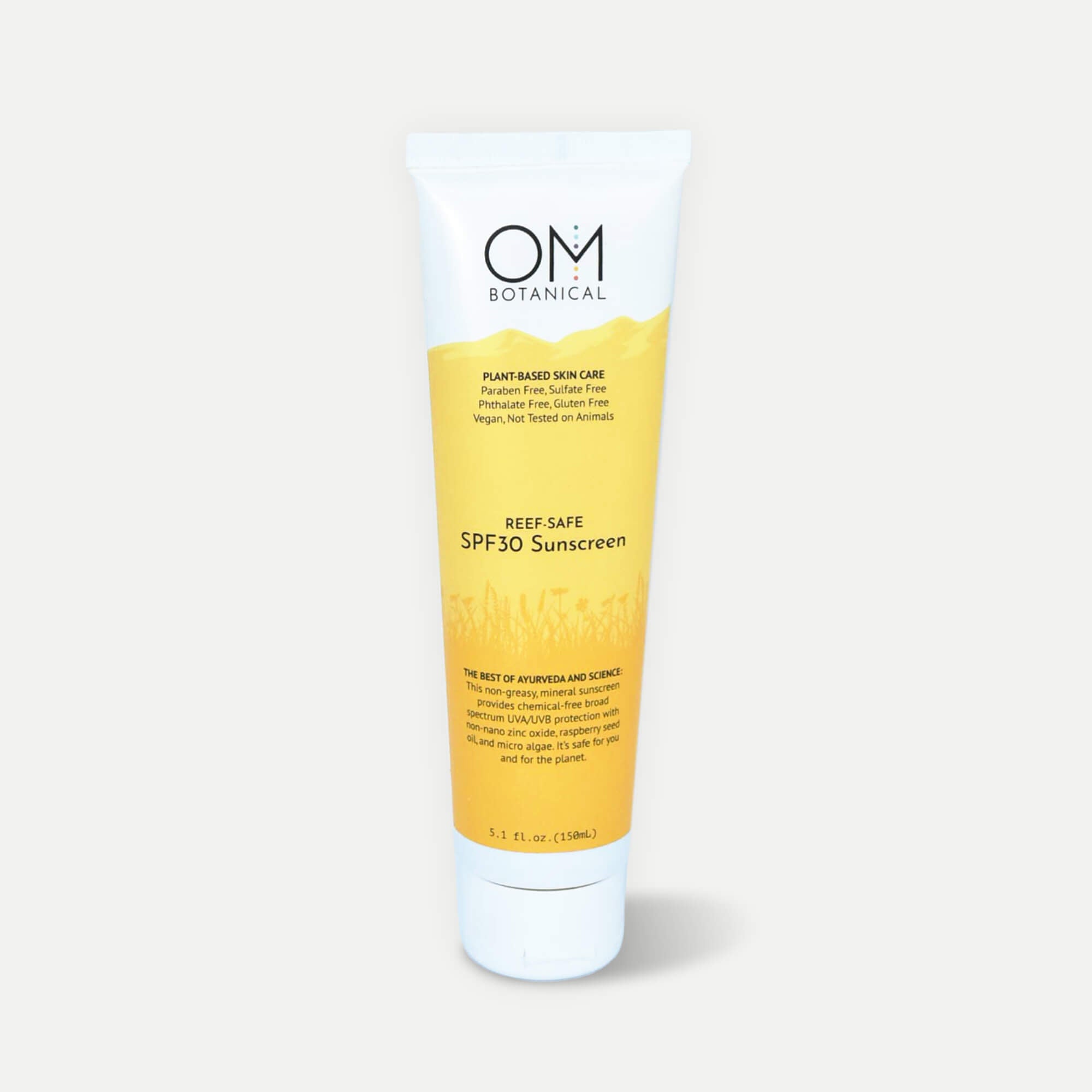
1. OM Botanical Reef-Safe SPF 30 Mineral Sunscreen , The Ultimate Microbiome‑Friendly Face Sunscreen
This sunscreen is the front‑line defender for anyone who cares about both skin health and the ocean. It uses non‑nano zinc oxide as a physical block, so the particles sit on top of the skin instead of slipping in. The formula adds microalgae carotenoids, a plant‑derived antioxidant that research shows can help keep skin microbes happy (NIH study). The blend is free from oxybenzone, octinoxate, and any synthetic fragrance , the usual culprits that irritate sensitive skin and damage coral.
How it works is simple. Zinc oxide reflects both UVA and UVB rays, while the algae carotenoids mop up free radicals that UV creates. Those free radicals would otherwise stress the skin and the microbes living there. By cutting that stress, you give the microbiome a chance to stay diverse and balanced.
Application tips:
- Shake the bottle before each use to keep the mineral particles evenly dispersed.
- Apply a pea‑size amount to your face, neck, and ears at least 15 minutes before stepping out.
- Reapply every two hours, or after swimming, sweating, or towel drying.
Pros:
- Broad‑spectrum protection with SPF 30.
- Reef‑safe label verified by the brand’s own testing.
- Microalgae carotenoids give an extra antioxidant punch.
Cons:
- Light mineral texture can feel slightly powdery on very dry skin.
- Needs a generous amount for full coverage.
Real‑world example: A yoga instructor who spends hours outdoors reported less redness and fewer breakouts after switching from a chemical sunscreen to this mineral formula. She said her skin felt “calmer” and her post‑class glow lasted longer.
When you shop for a mineral SPF, remember to look for the non‑nano label and a reef‑safe claim. How to Find the Best Sunscreen guide walks you through the exact wording to search for on a product page.
2. OM Botanical Moisturizer , Your Pre‑Sunscreen Barrier Support
Before any sunscreen hits your skin, the barrier needs a solid base. This moisturizer does more than add moisture , it feeds the microbes that live on the surface. The formula mixes cold‑pressed raspberry seed oil, shea butter, and a fermented cucumber extract that acts as a prebiotic. Those prebiotics are food for the good bacteria, helping them thrive while the sunscreen sits on top.
The texture is light and non‑greasy, so it won’t interfere with the mineral film of the SPF 30 sunscreen. It also carries a subtle antioxidant shield from the raspberry seed oil, which contains natural UV‑absorbing compounds that give a tiny extra layer of defense.
Why barrier support matters:
- A healthy barrier keeps irritants out and locks hydration in.
- When the barrier is strong, the microbiome stays balanced.
- Balanced microbes mean fewer breakouts, less redness, and smoother texture.
Application routine:
- After cleansing, smooth a thin layer over the face and neck.
- Wait 30 seconds for the humectants to absorb.
- Follow with the Reef‑Safe SPF 30 sunscreen.
Pros:
- Food‑grade ingredients that are safe enough to eat.
- Prebiotic cucumber ferment that nourishes microbes.
- Non‑comedogenic , won’t clog pores.
Cons:
- Fragrance‑free, which some users miss for a scent boost.
- May feel a bit slick on very oily skin.
Case in point: A photographer with combination skin tested the moisturizer for a week. She noted that her T‑zone stayed matte while the cheeks felt hydrated, and she saw fewer mid‑day flare‑ups during a shoot under bright lights.
Want a full routine that ties everything together? Check out the OM Botanical skincare routine for a step‑by‑step plan that keeps the microbiome happy all day.
3. OM Botanical Vitamin C Serum , Antioxidant Protection Without Compromising Microbiome
Vitamin C is the go‑to antioxidant for brightening, but many serums use synthetic ascorbic acid that can irritate the skin’s microbes. This serum blends four natural antioxidants , vitamin C, ferulic acid, rhodiola, and a hint of turmeric , with a low‑pH base that matches the skin’s natural acidity. The result is a serum that neutralizes free radicals without upsetting the microbial balance.
According to Wikipedia’s overview of the skin microbiome, a slightly acidic surface (pH 4.5‑5.5) encourages good bacteria while keeping pathogens at bay. The serum’s pH sits right in that sweet spot, meaning it supports the ecosystem while delivering brightening benefits.
How to layer it:
- After the moisturizer, dispense three drops onto the palm.
- Pat gently onto the face, avoiding the eye area.
- Allow one minute for absorption before applying sunscreen.
Pros:
- Four‑antioxidant blend gives broad protection against UV‑induced oxidative stress.
- pH‑balanced formula feeds friendly bacteria.
- No added fragrance or synthetic stabilizers.
Cons:
- Light citrus scent from natural ingredients may be noticeable for very scent‑sensitive users.
- Needs consistent use for visible brightening.
Usable tip: Use the serum twice daily on cloudy days as well. The antioxidants still fight invisible blue‑light and pollution, which can stress the microbiome just as much as UV.
If you’re still unsure which sunscreen to pair, the Vegan sunscreen for sensitive skin guide breaks down ingredient lists and shows you how to read the label.
“A sunscreen that protects the barrier and feeds the microbiome is the only kind worth using.”
4. OM Botanical Bakuchiol Serum , Nighttime Recovery for Sun‑Exposed Skin
After a day of sun, your skin needs repair without re‑introducing harsh chemicals. Bakuchiol is a plant‑based retinol alternative that offers the same collagen‑boosting benefits but with far less irritation. The research from Marie Veronique shows that a multi‑retinol night emulsion can deliver age‑defying results while staying microbiome‑friendly (source). OM Botanical’s bakuchiol serum builds on that science with added soothing extracts like Nymphaea alba flower and sodium palmitoyl proline to keep redness at bay.
The serum is designed for nightly use after sunscreen removal. It works by normalizing the epidermis, improving water‑loss barrier function, and delivering antioxidants that calm any lingering UV‑induced inflammation.
Step‑by‑step nighttime routine:
- Cleanse with a gentle enzyme cleanser.
- Apply a thin layer of the bakuchiol serum.
- Follow with the OM Botanical night moisturizer to lock in hydration.
Pros:
- Plant‑based retinol alternative safe for sensitive skin.
- Supports collagen without the typical redness of retinol.
- Contains prebiotic ingredients that keep microbes thriving overnight.
Cons:
- Results appear gradually , patience is key.
- May feel slightly silky on very oily skin.
Real example: A marathon runner who spent hours training under the sun switched to this serum for post‑run recovery. After two weeks she reported softer skin, fewer post‑run breakouts, and a smoother texture on her forearms.
Choosing the right moisturizer to pair with bakuchiol can be tricky. Choosing a microbiome‑friendly moisturizer explains how to match pH and texture for optimal results.
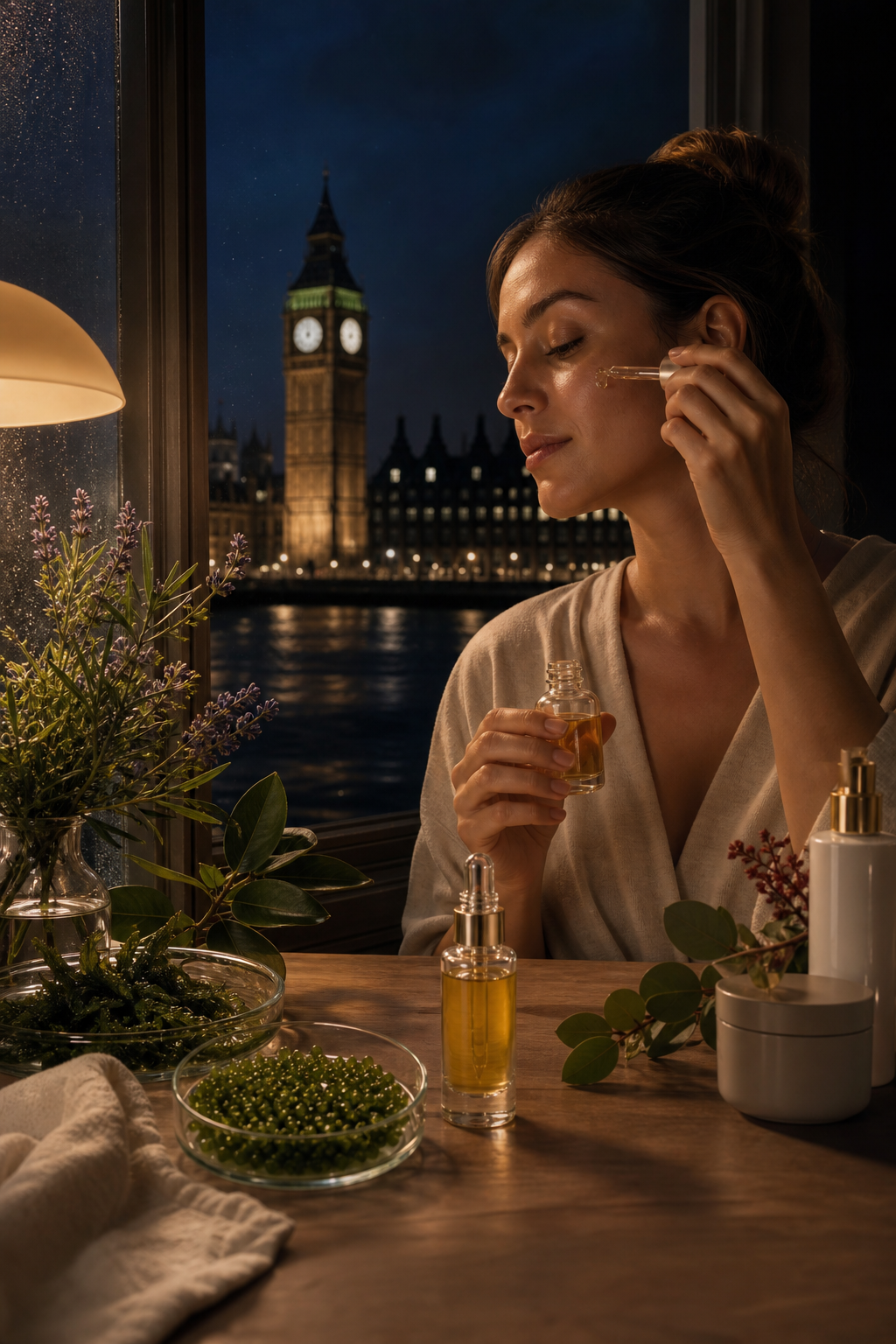
5. OM Botanical Tremella Mushroom Serum , Deep Hydration to Support Microbiome Balance
Tremella mushroom is a natural humectant that can hold up to 500 times its weight in water. In this serum, the mushroom polysaccharides create a gel‑like film that draws moisture into the skin while leaving a breathable barrier. The result is a plump, dewy complexion that doesn’t suffocate the skin’s microbial community.
Hydration is a core pillar of microbiome health. When the skin is dry, good bacteria lose their habitat and pathogenic microbes can take over. This serum keeps the surface hydrated, maintaining a pH around 5.5 , the sweet spot for bacterial diversity.
How to use:
- After sunscreen (or as the final step in the morning), dispense a few drops onto the palm.
- Press gently into the skin, focusing on areas that tend to feel tight.
- Use twice daily for best results.
Pros:
- Lightweight gel that absorbs quickly.
- Provides long‑lasting hydration without a sticky feel.
- Supports a balanced microbiome by maintaining optimal moisture.
Cons:
- Does not contain SPF, so must be layered under sunscreen in the morning.
- Fragrance‑free, which may feel plain for scent lovers.
Case study: A college student with acne‑prone skin added the Tremella serum to her morning routine. Within three weeks, her skin felt less tight and the occasional flare‑up subsided, which she credited to the extra hydration for her skin’s good bacteria.
For a deeper look at why plant‑based, food‑grade skincare matters for the microbiome, read Why plant‑based, food‑grade skincare. It explains how each ingredient mirrors what your skin already knows how to use.
Comparison Table: OM Botanical Microbiome‑Friendly Face Products
Ready to protect your skin and the planet? Try OM Botanical Plant‑based Ayurvedic Skincare free →
Conclusion: Build Your Microbiome‑Friendly Sun Protection Routine
Putting together a microbiome‑friendly routine doesn’t have to be a chore. Start with a clean canvas, add a light pre‑biotic moisturizer, then lock in protection with the Reef‑Safe SPF 30 sunscreen. In the evening, let the bakuchiol serum repair any UV‑induced wear, and finish with the Tremella serum for lasting hydration. This layered approach respects the skin’s natural pH, feeds the good bacteria, and still gives you the broad‑spectrum shield you need.
When you choose products that are food‑grade, non‑nano, and reef‑safe, you’re not just caring for your own skin , you’re also protecting the oceans and the invisible ecosystem that lives on you. If you want to explore the full OM Botanical line, the face moisturizers collection offers additional options that pair well with the picks above.
Take the first step today. Swap out your current SPF for the mineral reef‑safe option and notice the difference in comfort, glow, and skin‑friendliness within a week. Your skin’s microbiome will thank you, and so will the coral reefs.
FAQ
Is a mineral sunscreen really better for the skin microbiome?
Yes. Mineral filters like non‑nano zinc oxide sit on the surface of the skin and reflect UV rays rather than being absorbed. Because they don’t penetrate the barrier, they avoid disrupting the microbial community that lives just beneath the surface. Chemical filters can alter pH and may contain preservatives that stress good bacteria, so a mineral, reef‑safe formula is the safest bet for microbiome health.
Can I use a vitamin C serum under sunscreen without harming microbes?
Absolutely, as long as the serum is pH‑balanced and free from harsh synthetic stabilizers. The OM Botanical Vitamin C Serum keeps its pH around 5.0, which matches the skin’s natural acidity and encourages bacterial diversity. Apply the serum, wait a minute for absorption, then follow with the mineral sunscreen. This order lets the antioxidants work before the UV block, giving double protection.
What makes microalgae carotenoids microbiome‑friendly?
Carotenoids are natural antioxidants that protect both skin cells and the microbes that live on them from oxidative stress. Studies show that antioxidants reduce inflammation, a key factor that can cause dysbiosis (an imbalance of microbes). By feeding the skin’s ecosystem with these plant‑derived compounds, the sunscreen supports a healthier bacterial community.
Do I need a separate moisturizer if my sunscreen is already moisturizing?
Even moisturized sunscreens often lack the prebiotic fibers that feed skin bacteria. A dedicated moisturizer with fermented extracts adds food for the microbes, helping them stay diverse and resilient. Using both ensures your barrier stays hydrated and your microbiome receives the nutrients it needs.
How often should I reapply mineral sunscreen?
Reapply every two hours when you’re outdoors, and immediately after swimming, sweating, or towel drying. Even though mineral sunscreens sit on top of the skin, they can be physically removed by water or sweat, so a fresh layer is essential to maintain protection and keep the microbiome shielded.
Is bakuchiol safe for sensitive skin?
Bakuchiol is a plant‑based alternative to retinol that offers similar collagen‑boosting benefits without the typical irritation. The OM Botanical formulation adds soothing extracts to keep redness at bay, making it suitable for sensitive or acne‑prone skin. Start with a small amount every other night and increase as your skin adapts.
Can I use these products together with other actives like niacinamide?
Yes, as long as you introduce new actives slowly. Niacinamide works well with vitamin C and bakuchiol because it supports barrier function and can calm any minor irritation. Apply niacinamide after your moisturizer but before sunscreen, and monitor your skin for any signs of overload.
Why does reef safety matter for my skin routine?
Reef‑safe filters like non‑nano zinc oxide avoid chemicals that harm marine life, such as oxybenzone and octinoxate. Those same chemicals can also act as endocrine disruptors for humans and irritate sensitive skin. Choosing a reef‑safe product protects both the environment and your own skin health.
Share