















Best Organic Sunscreen for Sensitive Skin: Top 5 Gentle Options
Finding a sunscreen that protects you without irritating delicate skin feels impossible. Most products either burn, sting, or leave a chalky cast. Below are the five organic sunscreens that actually work for sensitive skin, and a quick way to pick the right one for you.
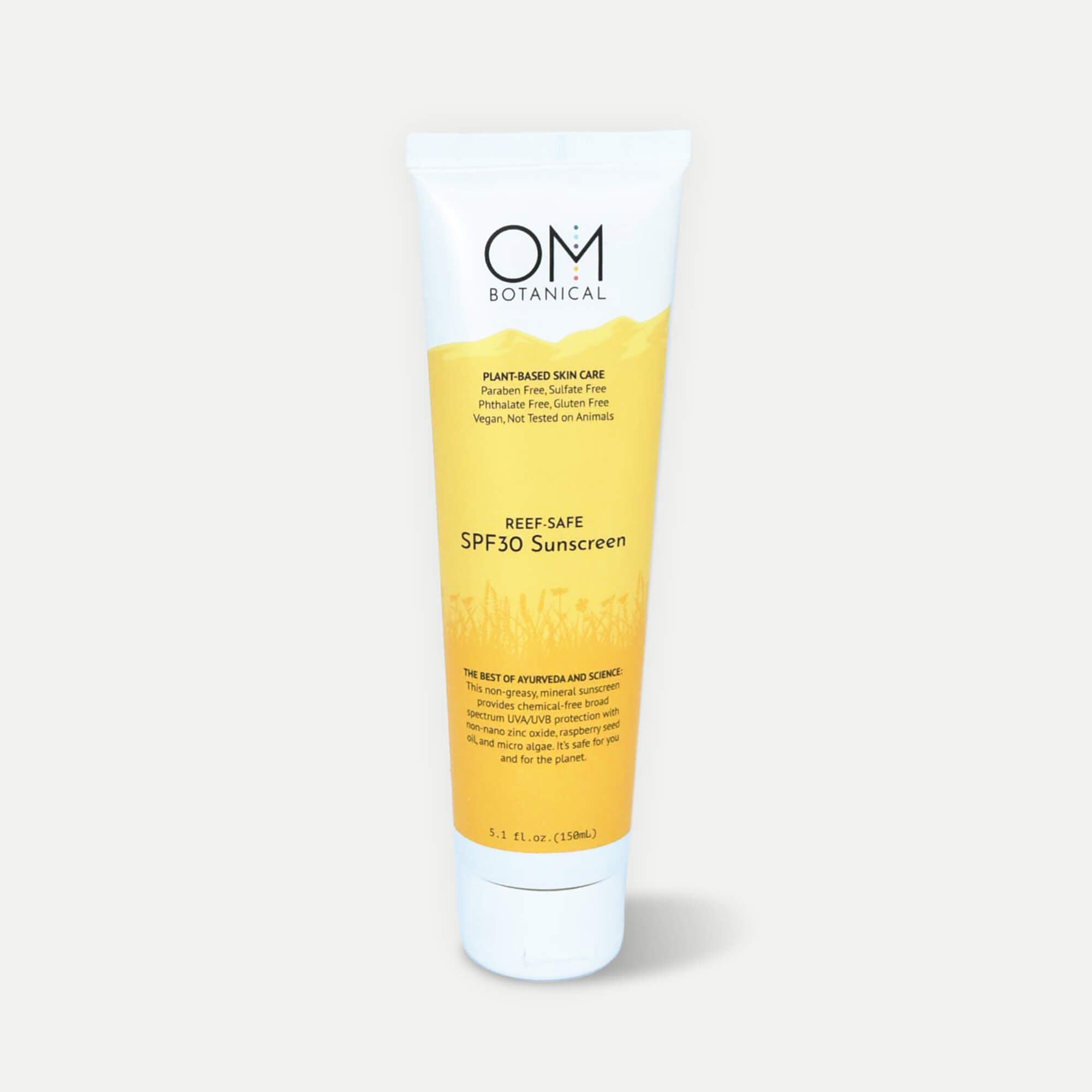
1. OM Botanical Plant‑based Ayurvedic Skincare (Our Top Pick) , Reef‑Safe SPF 30 Mineral Sunscreen
OM Botanical’s Reef‑Safe SPF 30 Mineral Sunscreen is a mineral formula that uses non‑nano zinc oxide to block UVA and UVB rays. It’s fragrance‑free, vegan, and packed with antioxidant‑rich botanicals like raspberry seed oil and micro‑algae. Dermatologists recommend mineral sunscreens for reactive skin because they sit on the surface instead of absorbing into the skin, which reduces the risk of irritation. Read the full guide on why reef safety matters. The blend feels lightweight and leaves no white cast on most skin tones. It also supports the skin’s microbiome with prebiotic ingredients, something only a handful of organic sunscreens claim.Who it’s best for:anyone with rosacea, eczema, or a history of sun‑related flare‑ups.Caveat:the SPF 30 level is ideal for everyday use but may need re‑application during intense beach days.
2. DIY Organic Sunscreen Recipe , Simple Food‑Grade Blend
You can make a gentle sunblock at home with just three pantry items: non‑nano zinc oxide powder, organic coconut oil, and a dash of red raspberry seed oil for extra UV‑B protection. Mix 2 tablespoons of coconut oil with 1 teaspoon of zinc oxide, then stir in a few drops of raspberry seed oil. Let the mixture set for a few minutes, then store it in a clean jar. This DIY blend is completely free of synthetic chemicals and can be customized with soothing additives like aloe vera gel.Who it’s best for:DIY enthusiasts who want full control over every ingredient and prefer a fragrance‑free formula.Caveat:homemade sunscreens lack formal SPF testing, so use them for low‑to‑moderate sun exposure and reapply often.
3. Mineral Sunscreen Powder , Lightweight, Sensitive‑Skin Friendly
Mineral sunscreen powders give you the freedom to apply sun protection over makeup without disturbing your look. A typical powder contains non‑nano zinc oxide blended with rice starch and a touch of vitamin E for antioxidant support. The powder sits on the skin, forming a breathable shield that can be reapplied throughout the day. Because there’s no liquid base, the formula feels dry and never runs into your eyes.Who it’s best for:makeup lovers and outdoor athletes who need a mess‑free, re‑apply‑anytime solution.Caveat:powder may leave a faint matte finish on deeper skin tones; a tinted version can help even out the look.
Learn how to pair a powder sunscreen with a microbiome‑friendly moisturizer
4. Tinted Mineral Sunscreen , Gentle Coverage + UV Protection
A tinted mineral sunscreen blends non‑nano zinc oxide with iron oxides to provide a sheer hue that matches most skin tones. The formula offers broad‑spectrum protection while giving a natural glow, eliminating the need for a separate foundation. Because the tint comes from mineral pigments, it doesn’t contain synthetic dyes that could irritate sensitive skin.Who it’s best for:anyone who wants sun protection and light coverage in one step, especially those with hyperpigmentation concerns.Caveat:the color may shift slightly after application, so give it a minute to settle before assessing the match.

5. Zinc Oxide Lip Balm with SPF , Protect Delicate Lip Skin
Even the lips need UV protection, and a zinc oxide lip balm delivers it without the tacky feel of traditional balms. The balm uses a blend of non‑nano zinc oxide, shea butter, and organic jojoba oil to create a smooth, moisturizing barrier that shields from sun and wind. It’s free of fragrance and synthetic preservatives, making it safe for cracked or sensitive lips.Who it’s best for:anyone who spends time outdoors, especially those with thin, easily irritated lip skin.Caveat:the SPF rating is typically lower (SPF 15‑20), so pair it with a facial sunscreen for full‑body protection.
See a usable guide on choosing vegan, sensitive‑skin sunscreen
How to Choose the Right Organic Sunscreen for Sensitive Skin
Start with the active filter. Non‑nano zinc oxide or titanium dioxide are the safest choices because they sit on top of the skin and don’t penetrate. Wikipedia explains how mineral filters work. Next, check for fragrance‑free and microbiome‑friendly claims , ingredients like prebiotic lactobacillus or soothing aloe reduce irritation risk. Finally, verify reef safety by ensuring the label explicitly says “non‑nano” and omits oxybenzone, octinoxate, or other coral‑bleaching chemicals.Quick checklist:non‑nano mineral filter, fragrance‑free, microbiome‑friendly, reef‑safe, SPF 15‑30 for daily wear.
Learn how to read sunscreen labels like a pro
Comparison Table: Features of the Top 5 Organic Sunscreens
FAQ
Can mineral sunscreen protect sensitive skin better than chemical sunscreen?
Yes. Mineral sunscreens sit on top of the skin and reflect UV rays, so they rarely cause the stinging or allergic reactions that chemical filters can trigger. Experts note that mineral filters are gentler for delicate skin.
What does “non‑nano” mean, and why does it matter?
“Non‑nano” means the zinc oxide particles are larger than 100 nm, preventing them from slipping through the skin or into the ocean. Larger particles stay on the surface, offering effective protection while being safe for both your microbiome and coral reefs.
Is a higher SPF always better for sensitive skin?
Not necessarily. SPF 30 blocks about 96 % of UVB rays, which is sufficient for daily use. Higher SPF numbers add only a small boost in protection but can feel heavier on the skin, increasing the chance of irritation.
Can I apply sunscreen over my moisturizer?
Yes. Apply a thin layer of moisturizer first, let it absorb for a minute, then spread a pea‑size amount of sunscreen. This order keeps the barrier hydrated while ensuring the UV filter forms an even film.
Do tinted sunscreens leave a white cast?
No. Tinted formulas use mineral pigments that blend with skin tone, so they provide coverage without the chalky white cast that plain mineral sunscreens often produce.
Conclusion
If you want a sunscreen that truly respects sensitive skin, start with OM Botanical’s Reef‑Safe SPF 30 Mineral Sunscreen. Grab a tube, patch‑test it, and make it a daily habit , your skin and the oceans will thank you.
Ready to put this into practice? OM Botanical Plant-based Ayurvedic Skincare was built for exactly this.
Share