














Best Natural Moisturizers for Sensitive Skin
If your skin reacts to almost everything, you need a moisturizer that feels like a calm hug, not a chemical assault. In 2026, more people are looking for skin‑care that feeds the microbiome and respects Ayurvedic wisdom. This list shows eight options that keep irritation at bay while delivering real hydration. We’ll walk through each pick, break down the key ingredients, and give you tips on how to fit them into a simple routine.
1. OM Botanical Moisturizer , Lightweight Daily Hydration
Our first pick is the Daily Moisturizer that balances oily, acne‑prone skin while calming redness. It uses cold‑pressed sunflower oil, aloe vera juice, and cucumber peel , all food‑grade ingredients that are safe enough to eat. Because the formula is low‑fragrance, it won’t trigger a flare on the most reactive complexions.
How it works: the humectant aloe pulls water into the top layer, while the sunflower oil forms a light barrier that slows loss. The cucumber peel adds a dose of vitamin C, which brightens without irritating. Users notice softer skin after just a few days because the barrier repairs itself.
Usable tip: apply to damp skin after a gentle cleanser. The moisture on your face helps the ingredients lock in faster.
For a science‑backed view of why a balanced microbiome matters, see Wikipedia’s overview of the human microbiome. The page explains how a diverse skin‑friendly community keeps inflammation low.

2. OM Botanical Young and Bright , Intense Repair for Dry Sensitive Skin
The Young and Bright is a richer cream built for dry, reactive, aging skin. It blends ceramide rich cold pressed jojoba oil, kokum butter, and a blend of Ayurvedic herbs like gotu kola and licorice. These botanicals have been used for centuries to aid collagen synthesis, soothe irritation and support the skin barrier.
What makes it stand out is the inclusion of fermented plant extracts. Fermentation breaks down complex molecules so the skin can absorb them more easily. The result is a cream that feels plush yet absorbs without a greasy film.
How to use: scoop a pea‑size amount onto your fingertips and press gently onto the face and neck. Follow with a sunscreen if you’ll be outside.
Because the formula avoids synthetic preservatives, it stays gentle for long‑term use. The Ayurvedic focus means the product also aims to balance the three doshas, which can help calm flare‑ups that feel like a hormonal swing.
For deeper insight into barrier repair, the NIH book chapter on skin barrier function ( NIH Skin Barrier Overview) outlines how lipids and ceramides lock moisture in.

3. OM Botanical Fragrance Free Baby Lotion , Ultra‑Gentle for All Ages
This lotion is free from essential oils, fragrance, and dyes, making it a safe choice for newborns, toddlers, and adults with ultra‑sensitive skin. The base is a blend of mango butter, jojoba oil, and aloe juice, all known for soothing dry patches.
The formula also includes calendula extract, which has anti‑inflammatory properties that calm redness. Because the product is fragrance‑free, you avoid the hidden irritants that many “natural” lotions hide behind a scent.
Apply quarter size amount after a bath, massaging until fully absorbed. It works well as a daily moisturizer or a post‑shower soothing step.
We recommend this lotion for anyone who finds regular baby creams too heavy or scented. Its light texture lets the skin breathe while still delivering a solid barrier boost.
Want to see the full ingredient story, check out Our Ingredients page where each component is listed with its source.
4. OM Botanical Body Lotion , All‑Over Hydration Without Irritation
The Organic Body Lotion targets the whole body, from arms to legs. It mixes colloidal oatmeal, tremella mushroom, and chamomile , a trio that soothes, hydrates, and supports the skin’s natural pH.
Colloidal oatmeal is a classic barrier‑repair agent that reduces itch. Tremella mushroom is a natural source of polysaccharides that act like a plant‑based hyaluronic acid, pulling water into the skin. Chamomile adds a calming antioxidant punch.
Because the lotion is free from parabens, sulfates, and synthetic fragrances, it works well for eczema‑prone areas. The texture is creamy yet non‑sticky, so you can apply it after a shower and dress right away.
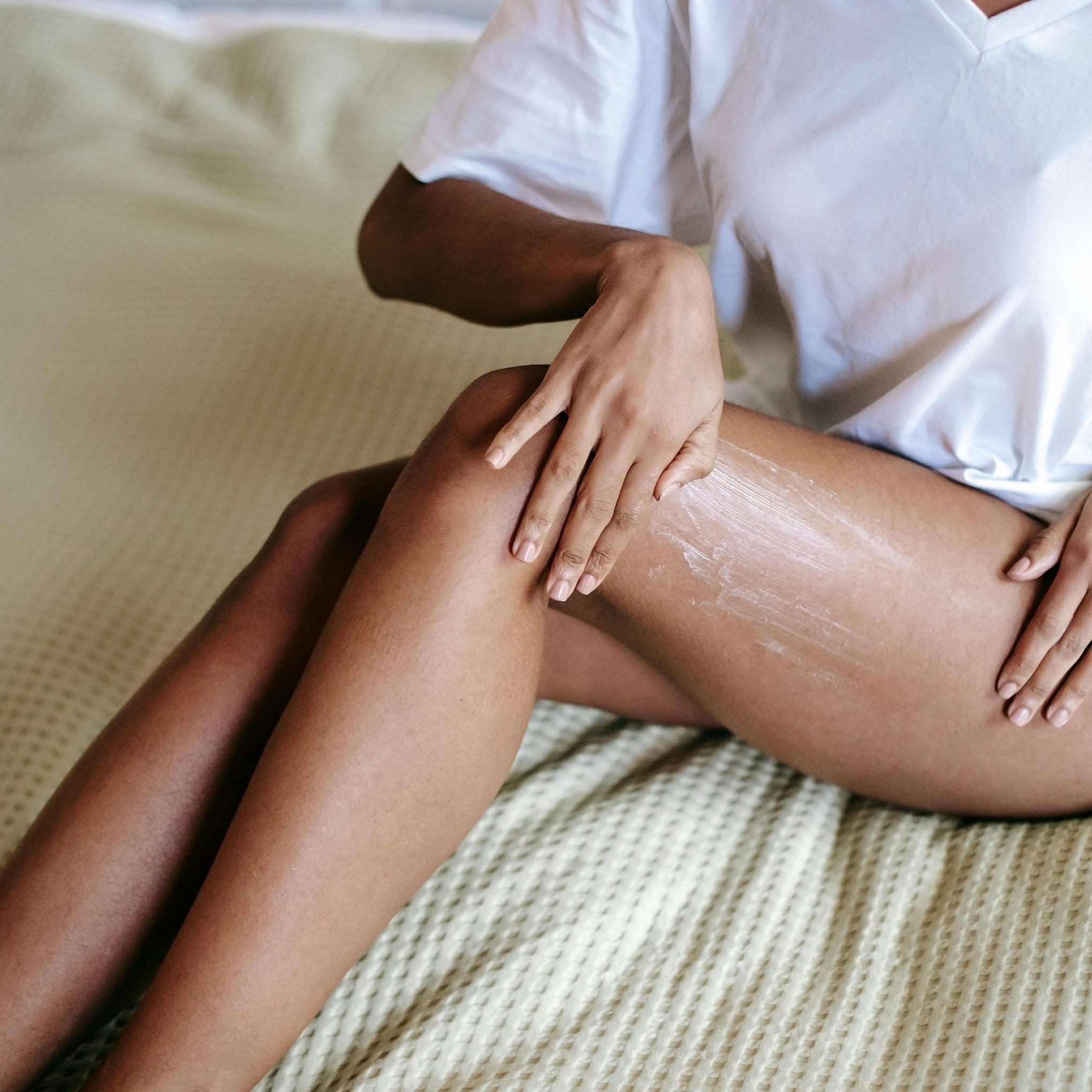
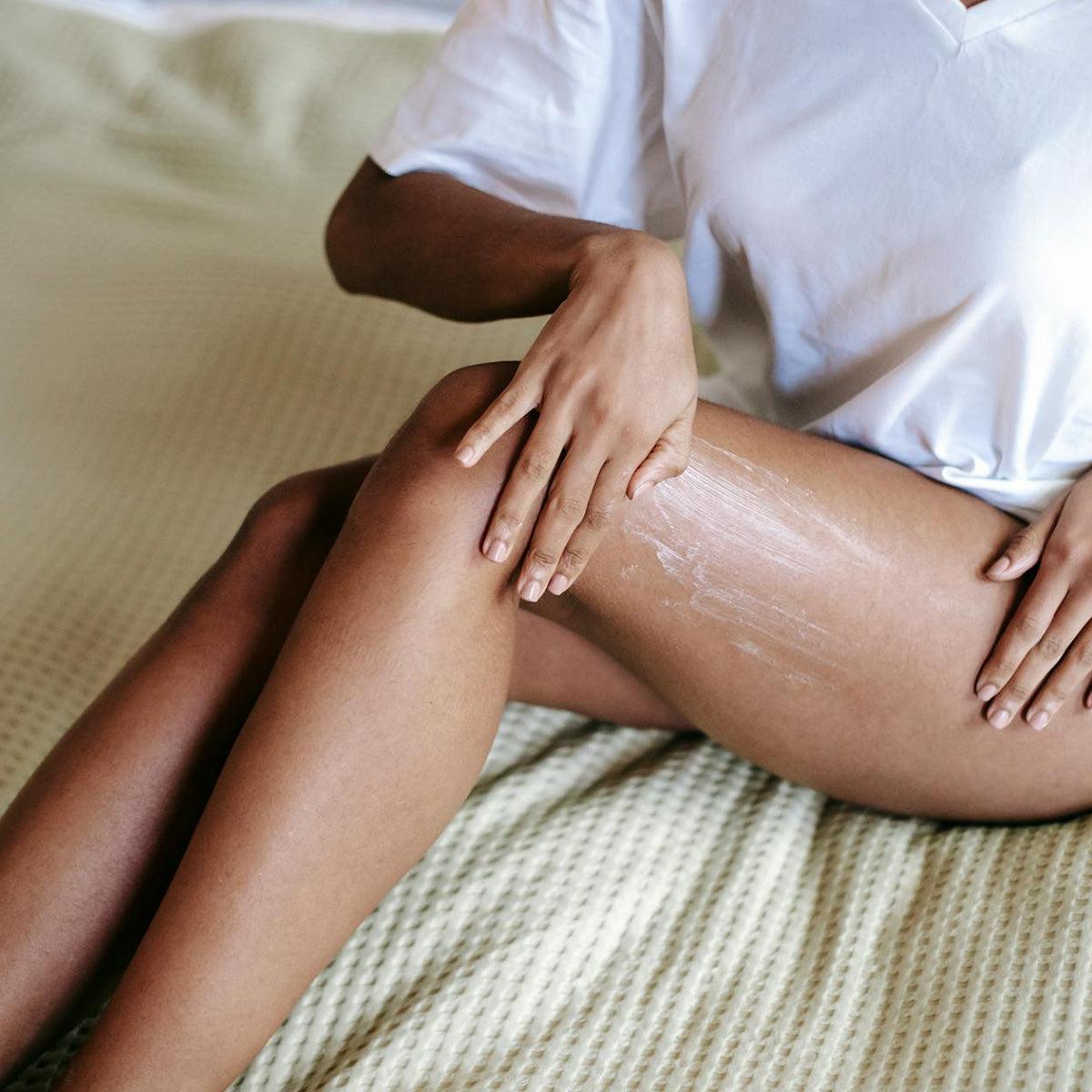
Apply a generous amount to damp skin, then massage in circular motions. The motion itself helps stimulate circulation, which can improve the skin’s ability to absorb nutrients.
For a broader view of how natural moisturizers support the skin barrier, the CDC’s skin health page ( CDC Skin Health) outlines the role of moisturizers in preventing barrier loss.
5. OM Botanical Magnesium Body Lotion, Calming Relief for Sensitive Skin
Magnesium has a reputation for relaxing muscles, but it also soothes irritated skin. This body lotion blends magnesium chloride with aspen bark extract and shea butter. The magnesium helps calm inflammation, while aspen bark provides a soothing film that reduces redness.
The formula is light enough for daily use but rich enough to tackle flare‑ups on elbows, knees, and even the scalp. Users report a cooling sensation that lasts for an hour after application.
Apply a thin layer after a shower, focusing on areas that feel tight or itchy. The lotion absorbs in under a minute, leaving no residue.
Because it’s free of artificial fragrance and uses only food‑grade minerals, it won’t trigger a reaction even on the most reactive skin.
Pair this lotion with a gentle, sulfate‑free cleanser for best results. The cleanser removes irritants without stripping the natural oils that keep the barrier strong.
Comparison Table: Key Features of Top Natural Moisturizers
All five products share three core traits: food‑grade botanicals, fragrance‑free formulas, and a focus on barrier repair. If you need a lightweight option for daytime, choose the Daily Moisturizer. For night‑time repair, Young and Bright offers richer nutrition.
How to Choose the Right Natural Moisturizer for Sensitive Skin
Picking a moisturizer isn’t about chasing trends. It’s about matching your skin’s needs to the right ingredients.
First, look for a short, transparent ingredient list. If you see a long list of unrecognizable ingredients, chances are the formula includes hidden irritants.
Second, check for humectants like aloe or glycerin. These pull water into the skin. Third, verify there is an emollient, something like jojoba oil or shea butter, that smooths the surface.
Fourth, make sure the product is fragrance‑free or uses only natural essential oils at low levels. Synthetic fragrance is a common trigger.
Fifth, ask if the brand uses Ayurvedic herbs or microbiome‑friendly extracts. OM Botanical combines both, giving you a dual benefit of ancient wisdom and modern science.
Finally, do a patch test. Apply a tiny dab on your inner forearm for 24 hours. If no redness or itching appears, the product is likely safe for daily use.
"A moisturizer that feeds the skin’s microbes is the most sustainable way to calm sensitivity," says a dermatologist specializing in barrier health.
Frequently Asked Questions
Is a natural moisturizer always safe for sensitive skin?
Not always. "Natural" only tells you the source, not the purity. Some plant extracts can still be irritating if they’re highly concentrated. Look for products that are fragrance‑free, use food‑grade ingredients, and have a short ingredient list. A patch test is the best way to confirm safety before you commit to daily use.
What ingredients should I avoid in a moisturizer for sensitive skin?
Avoid synthetic fragrance, parabens, phenoxyethanol, sulfates, and heavy mineral oils. These can disrupt the skin barrier or trigger allergic reactions. Instead, choose moisturizers with aloe, licorice, cucumber, and gentle oils like jojoba or safflower. The OM Botanical line sticks to these safe choices.
How does the microbiome affect skin irritation?
The skin’s microbiome is a community of good bacteria that help protect against pathogens. When a product contains harsh chemicals, it can wipe out these allies, leading to redness and itching. A microbiome friendly moisturizer, like those from OM Botanical, feeds the good bacteria with prebiotic fibers and food‑grade botanicals, keeping the skin calm.
Can I use the same moisturizer on my face and body?
Yes, if the formula is non‑comedogenic and fragrance‑free. The OM Botanical Body Lotion is light enough for the face, while the Daily Moisturizer works well on the body. Just watch for any localized reactions and adjust if needed.
Do Ayurvedic ingredients really help sensitive skin?
Ayurvedic herbs like gotu kola, licorice, and ale vera have anti‑inflammatory compounds that have been used for centuries. Modern studies show these botanicals can reduce redness and support barrier repair. OM Botanical blends them with modern extraction methods to keep the actives potent.
How often should I reapply my moisturizer?
Apply twice a day, once in the morning after cleansing and once at night before bed. If you’re in a dry climate or after a shower, a quick top‑up mid‑day helps lock in moisture. The key is consistency; the skin barrier builds strength over weeks of regular use.
What’s the difference between a lotion and a cream?
Lotions have a higher aloe content, so they feel lighter and absorb faster. Creams contain more oils and butter, offering stronger occlusion for very dry skin. Choose a lotion for daytime comfort and a cream for nighttime repair.
Do I need a separate sunscreen if I use a natural moisturizer?
Yes. Most moisturizers, even natural ones, don’t provide adequate UV protection. Pair your moisturizer with a mineral sunscreen that’s also fragrance‑free to keep the barrier intact. OM Botanical’s SPF moisturizer is a good combo if you want all‑in‑one protection.
Conclusion
Finding a natural moisturizer that truly respects sensitive skin is hard, but the market isn’t empty. OM Botanical stands out because every product is food‑grade, microbiome‑friendly, and rooted in Ayurvedic tradition. Whether you need a light daily cream, a deep‑night repair, or a soothing body lotion, the brand offers a clear path to calm, hydrated skin.
Start with a short patch test, then pick the option that matches your routine. Stick with it for a few weeks, and you’ll notice less redness, softer texture, and a skin barrier that feels stronger. Your skin deserves care that feeds, not fights, it’s time to make that switch.
Share