













Best Natural Skincare for Rosacea: 5 Plant‑Based Picks
Rosacea can make your face feel like a constant fire alarm. Red patches, stinging, and flare‑ups turn everyday life into a guessing game. The good news? The right skin‑care can quiet the alarm and let your skin breathe. In this list we walk through five plant‑based picks that calm redness, protect the barrier, and keep irritation at bay.
1. Complete One Step Cleanser
A creamy, non-foaming face cleanser that removes dirt, oil, and buildup while helping your skin stay balanced, soft, and calm. Aloe-based and microbiome-friendly for daily use across all skin types.
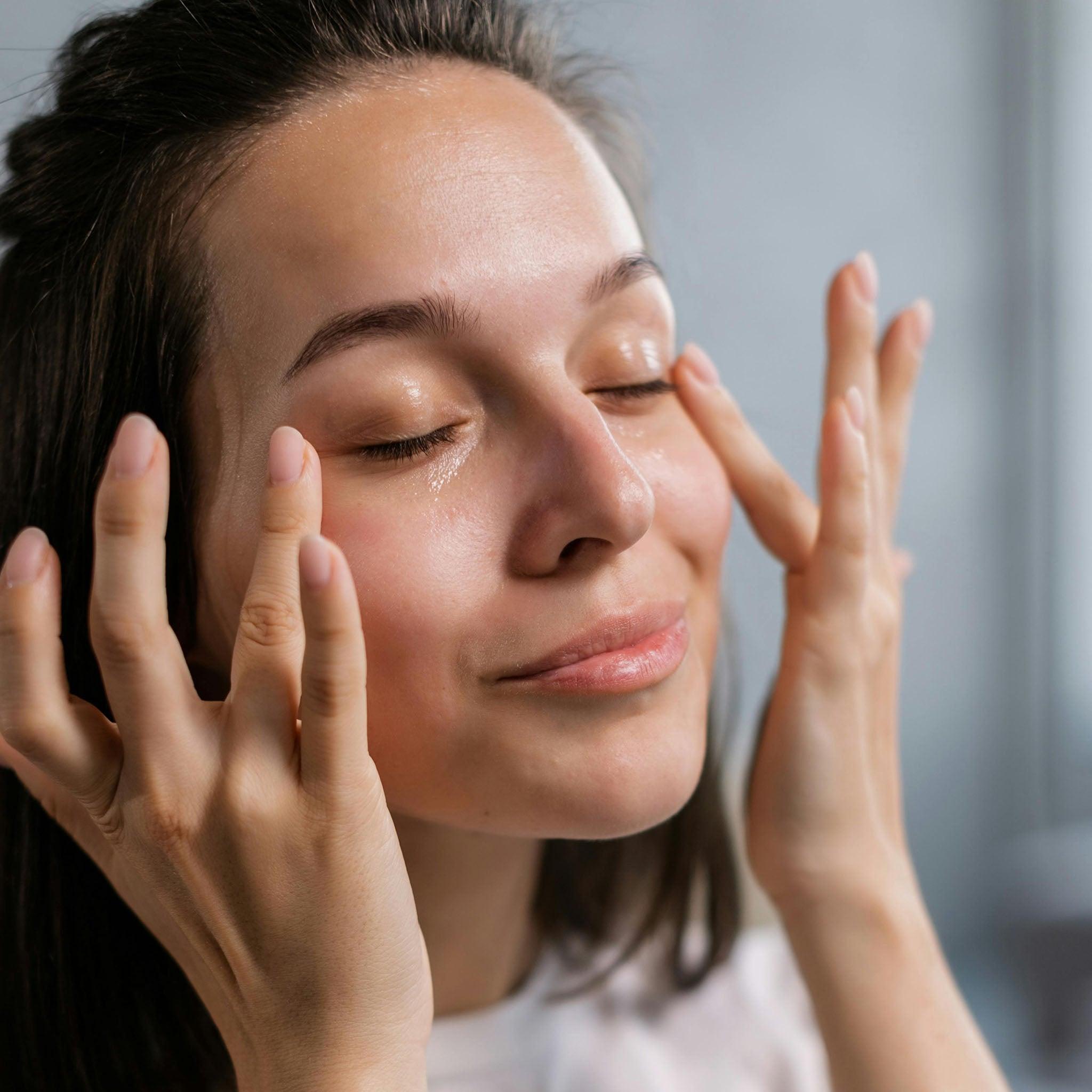
How to use: Cleansing your face may seem straightforward, but there are a few nuances that can elevate your skincare game. First and foremost, remember to cleanse twice daily—once in the morning to remove overnight oil and once at night to wash away the day's pollutants, as it removes dirt effectively. Using lukewarm water is key; it opens up your pores without being harsh, ensuring that the cleanser can work its magic effectively.
When applying the OM Botanical One Step Face Cleanser, take a moment to massage it into damp skin using gentle, circular motions. This not only helps to lift away impurities from your damp skin but also encourages blood flow, giving your skin a natural glow. Rinse thoroughly and pat dry with a clean towel—no rubbing needed! This simple yet mindful approach transforms cleansing from a chore into a soothing ritual that leaves your skin refreshed and rejuvenated.
2. Adaptogen Serum Trio, Soothing Rosacea Rescue
The adaptogen serum trio bundles three plant‑adaptogen serums that target persistent erythema. A clinical trial of a similar adaptogen serum showed a 33% drop in redness after 12 weeks, proving that plant‑based actives can move the needle on rosacea symptoms.
Each serum in the trio focuses on a different layer of the skin. The first serum is rich in bakuchiol, a retinol‑like compound that promotes cell turnover without the burn. The second delivers niacinamide, which strengthens the barrier and reduces inflammation. The third adds a blend of four antioxidants to soothe vascular irritation.
Why the trio works: the three serums together create a homeostatic loop. Bakuchiol encourages fresh skin, niacinamide locks in moisture, and the antioxidants fight free radicals. This multi‑angle approach mirrors the body’s own defense mechanisms.

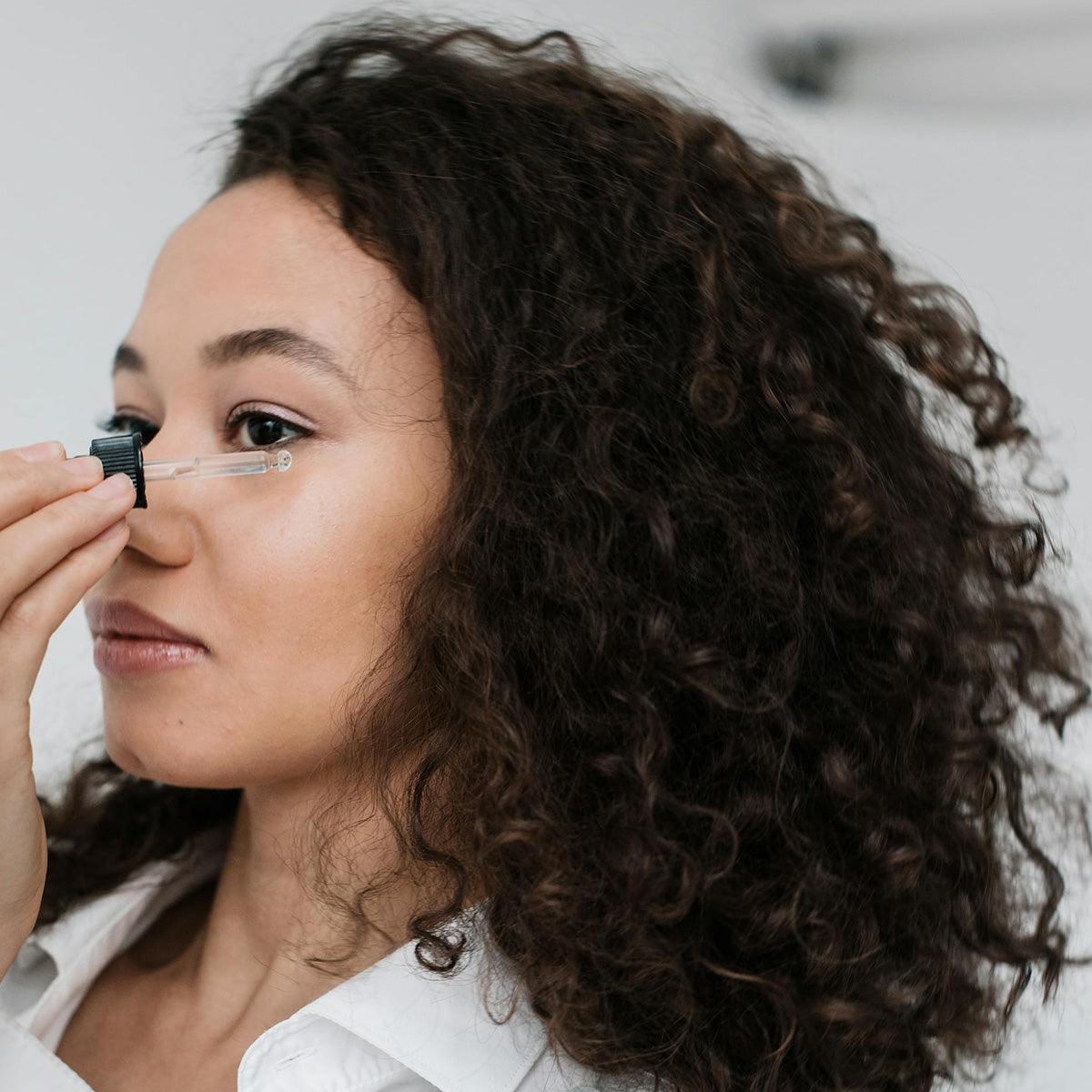
How to use: Apply the bakuchiol serum at night, niacinamide in the morning, and the antioxidant blend both AM and PM. Let each layer dry before the next. Consistency is key, the skin barrier takes weeks to rebuild.
For those who love ingredient transparency, the trio lists each botanical extract, from cold‑pressed jojoba oil to whole‑plant gotu kola. comfrey is highlighted for its anti‑inflammatory action, making the set a solid choice for rosacea‑prone skin. Learn more about this super serum trio.
3. Nighttime Restorative Oil, Anti‑Inflammatory Healing
Nighttime is when the skin does its repair work. The Nighttime Restorative Oil supplies a cocktail of marula, argan, pomegranate, and avocado oils, each packed with polyphenols that fight oxidative stress.
Research from the National Rosacea Society shows that antioxidant‑rich oils can reduce post‑inflammatory hyperpigmentation in rosacea patients, making the skin appear more even over time.
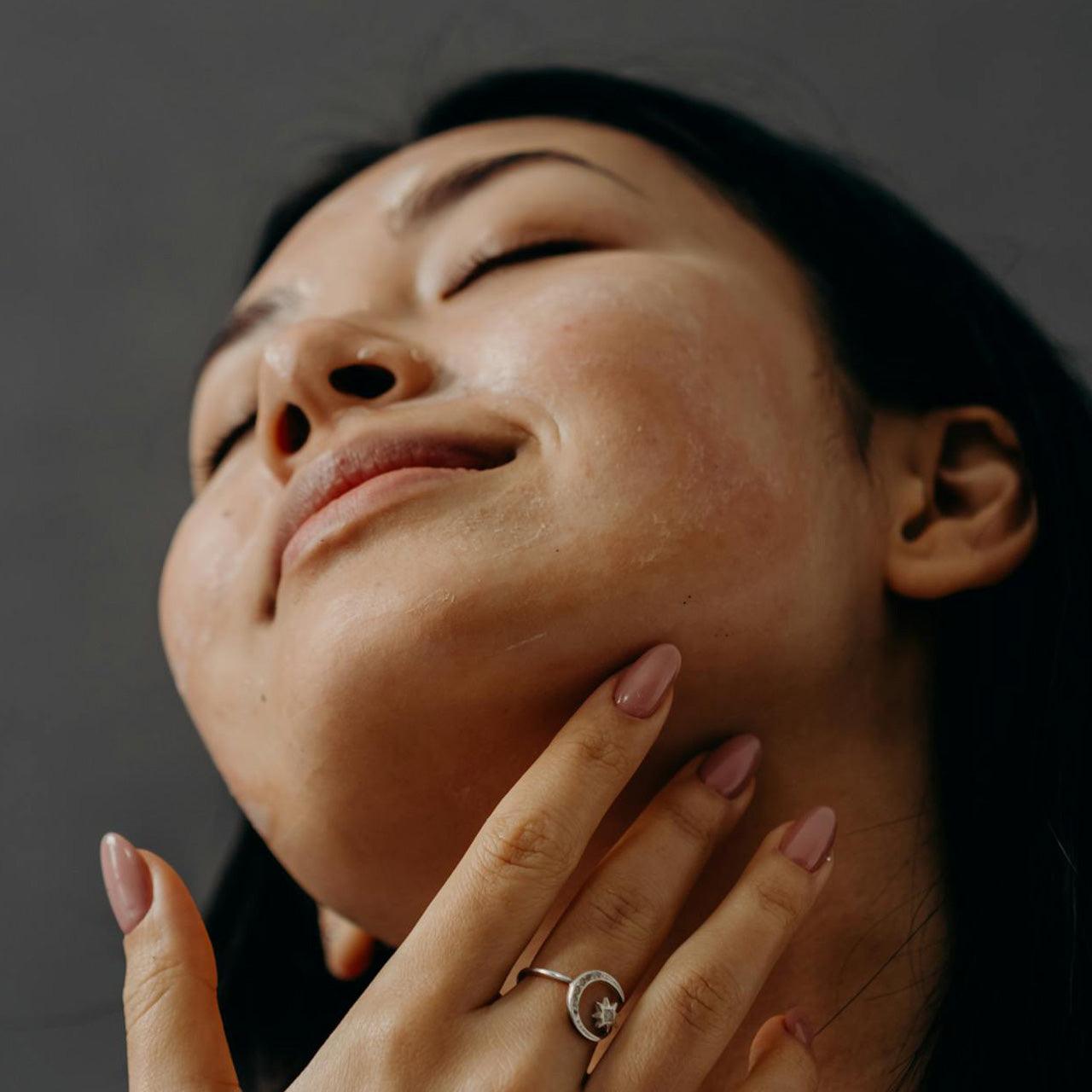
Application tip: warm a pea‑size amount between your palms, then press lightly onto the face after cleansing. The oil spreads easily and leaves a subtle sheen, not a greasy film.
Because the formula is oil‑based, it pairs well with a lightweight daytime moisturizer that contains ceramides rich jojoba oil. Together they create a 24‑hour barrier support system.
The product page lists every ingredient, from cold‑pressed avocado oil to organic pomegranate seed extract. Nighttime Restorative Antioxidant Oil also carries the National Rosacea Society’s Seal of Acceptance, confirming its safety for sensitive skin.
4. Cooling Facial Mist, Instant Cooling Relief
A quick spritz can be a lifesaver when a flare hits during the day. The cooling facial mist blends witch hazel, comfrey, aloe, and aspen bark to drop skin temperature and calm vascular dilation.
Witch Hazel supplies antioxidants, while aspen bark brings natural salicylates that reduce inflammation without the harshness of synthetic acids. Aloe adds a prebiotic boost for the skin microbiome, and comfrey provides a soothing, hydrating effect.
Unlike many facial mists that contain alcohol, this formula stays pH‑balanced at 5.5, matching the skin’s natural environment. That balance helps keep good bacteria happy, a key factor in rosacea management.
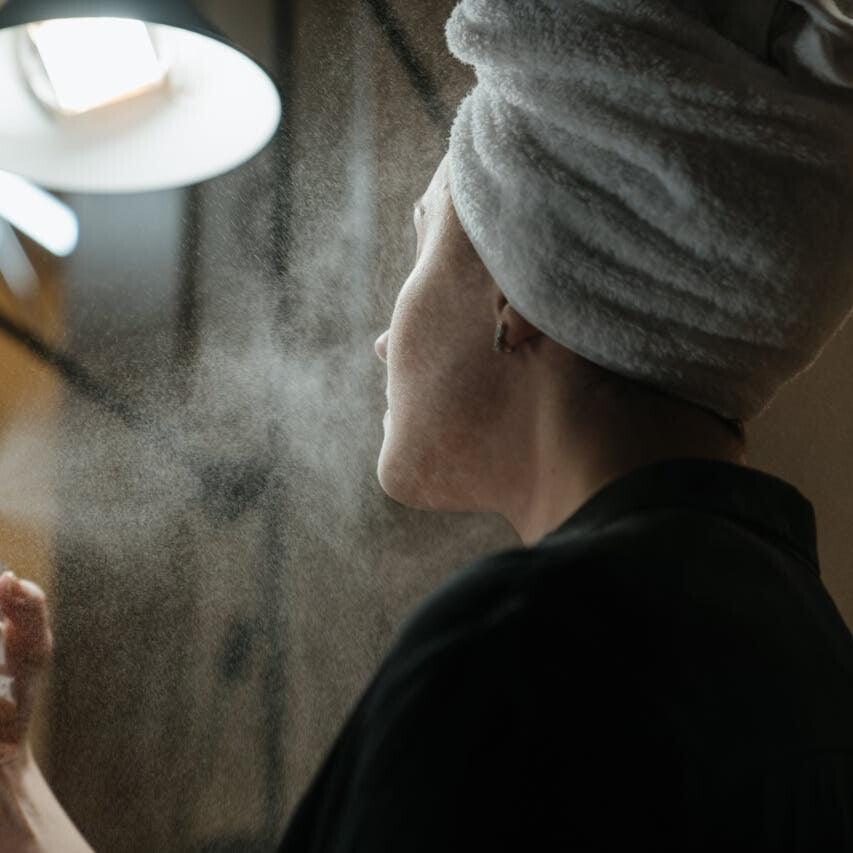
Use the mist anytime redness spikes, after a workout, in a hot café, or when the wind bites. Spray from 6‑8 inches away, let it dry, and follow with a light moisturizer.
For an extra calming layer, you can mist over a thin sheet of gel‑cream that contains niacinamide. The combination creates a cooling barrier that lasts for hours.
Cooling Facial Mist earned the Rosacea Society’s Seal of Acceptance, confirming that its ingredients are low‑irritant and microbiome‑friendly.

5. SPF 30 Mineral Sunscreen for Sensitive Skin
Sun exposure is a notorious rosacea trigger. A mineral sunscreen that sits on top of the skin, reflecting UVA and UVB, avoids the irritation that chemical absorbers can cause.
This SPF 30 formula uses zinc oxide at 15% and adds cucumber and aloe vera to soothe the skin while it protects. The texture is semi‑transparent, leaving a natural finish without a chalky cast.
On sunscreen safety, mineral filters like zinc oxide have a lower risk of provoking rosacea flare‑ups compared to avobenzone or octocrylene.
Apply a pea‑size amount to the face and neck 15 minutes before stepping outdoors. Reapply every 80 minutes, especially if you sweat or swim.
Because the formula is reef‑safe, it won’t harm marine life, aligning with sustainable skin‑care values. Pure, Potent, Plant‑Based Skincare by OM Botanical discusses why mineral sunscreens are a smart choice for sensitive skin.
How to Choose the Right Rosacea Skincare
Picking the right products can feel overwhelming, but a short checklist helps you stay focused. First, scan the ingredient list for food‑grade botanicals and avoid anything with fragrance, alcohol, or harsh surfactants.
Second, consider your skin’s current barrier status. If you notice tightness or peeling, choose a formula rich in ceramides, glycerin, and humectants. Third, think about your daily routine: a minimalist set of cleanser, serum, moisturizer, and sunscreen works best for most people.
Lastly, patch‑test new products on a small area of the forearm for 48 hours. If no sting or redness appears, you’re likely safe to add it to your regimen.
Quick Comparison of the 5 Picks
FAQ
Is natural skincare really better for rosacea?
Natural skincare avoids many synthetic irritants that can trigger rosacea flare‑ups. Plant‑based ingredients such as niacinamide, aloe, and willow bark have documented anti‑inflammatory properties and tend to be lower on the irritation scale. When you pair natural actives with a microbiome‑friendly formula, you give the skin a chance to heal without adding new stressors.
What ingredients should I stay away from?
Avoid fragrance, alcohol, essential oil blends that contain limonene or linalool, and high‑pH surfactants like sodium lauryl sulfate. These can strip the skin barrier and upset the microbiome, making redness worse. Look for products that list ingredients in descending order and favor food‑grade botanicals.
Can I use these products if I have oily skin?
Yes. Our lightweight serum trio uses oils that mimic the skin’s natural sebum, and our Aloe‑based antioxidant spray is formulated to avoid a heavy residue. Pair them with a gentle, sulfate‑free cleanser to keep oil levels balanced.
How often should I apply sunscreen?
Apply a mineral sunscreen with SPF 30 every morning as the final step of your routine. Reapply at least every two hours when outdoors, and immediately after swimming or sweating. Consistent use can cut down flare‑ups linked to UV‑induced blood vessel dilation.
Do I need a prescription alongside these products?
Many people with mild‑to‑moderate rosacea manage well with a good skincare routine. However, if you have papulopustular lesions or severe flushing, a dermatologist may prescribe topical metronidazole or oral doxycycline. The natural products can complement medical treatment by soothing the barrier.
How long before I see results?
Skin barrier repair takes time. Most users report noticeable calm after two to four weeks of consistent use, with full results emerging after three months. Keep a simple log of product usage and flare intensity to track progress.
Can I layer these products together?
Yes, as long as you follow the order: cleanse, tone/spray, serum/oil, moisturizer, sunscreen. Give each layer a minute to absorb before adding the next. This prevents dilution and ensures each active can work at its optimal concentration.
Are these products vegan and cruelty‑free?
All of our picks are vegan, cruelty‑free, and formulated without animal‑derived ingredients. OM Botanical Plant-based Ayurvedic Skincare’s commitment to plant‑based, food‑grade sourcing means you get clean formulas that align with ethical values.
Conclusion
Finding calm for rosacea doesn’t have to mean choosing between effectiveness and gentleness. The five plant‑based picks we covered each tackle a different piece of the puzzle, from barrier repair to instant cooling to daily UV defense. By focusing on food‑grade botanicals, microbiome‑friendly formulas, you give your skin the best chance to heal without added irritation.
If you’re ready to simplify your routine, start with the ABC Super Serums Trio for a layered approach, add a soothing facial mist for on‑the‑go relief, and never skip a broad‑spectrum mineral sunscreen. Remember, consistency beats quick fixes. Your skin will thank you as the redness fades, the barrier strengthens, and the confidence returns.
Ready to try one of these picks? Explore more about how plant‑based, microbiome‑friendly skincare works at How to Choose a Microbiome Friendly Moisturizer and see how a simple, clean routine can change the way rosacea feels for you.
Share