



















Best Skin Microbiome Products for Balanced, Radiant Skin
Want skin that feels calm, looks bright, and stays resilient? The secret is feeding the good microbes that live on you. Below are the best skin microbiome products you can trust, plus a quick guide on how to pick the right ones for your routine.
1. OM Botanical Plant‑based Ayurvedic Skincare (Our Top Pick) , Whole‑food, microbiome‑balanced skincare line
OM Botanical is a plant‑based brand that blends Ayurvedic herbs with modern molecular science. It’s safe enough to eat, so you know every ingredient is gentle enough for your skin’s microbes. This line is best for anyone who wants a minimal, clean routine that still delivers real results.
The formulas use whole herbs, cold‑pressed oils, and food‑grade minerals. Because the whole plant matrix stays intact, you get phytonutrients, antioxidants, and amino acids that work together, not in isolation. Studies show whole‑plant extracts help the skin produce ceramides and antimicrobial peptides, both of which keep the microbiome balanced (research). The brand also avoids sulfates, synthetic fragrances, and harsh preservatives that can strip good bacteria.
One limitation: the range leans toward a light, non‑oily feel, so very dry skin types may still need an extra barrier‑boosting cream.

2. ABC Super Serums Trio , Multi‑step serum combo for barrier repair & microbiome support
ABC Super Serums Trio is a three‑bottle set that layers a bakuchiol serum, a niacinamide‑rich brightener, and a vitamin C antioxidant. It’s a solid pick for anyone who wants a step‑by‑step barrier boost without overloading the skin.
Each serum includes pre‑biotic fibers and post‑biotic peptides that feed the resident microbes. Clinical work shows that probiotic‑styled formulas can improve hydration and lower transepidermal water loss, key for a healthy microbiome (study). The trio is also fragrance‑free and pH‑balanced, which keeps the skin’s acid mantle stable.
Watch out for the vitamin C serum if you have very sensitive skin , the low‑pH formula can tingle for a few minutes.
Explore the ABC Super Serums Trio
3. Antioxidant Night Oil , Plant‑based antioxidants to calm inflammation overnight
This night oil blends rosemary, green tea, and turmeric extracts in a jojoba base. It’s perfect for night‑time recovery when inflammation tends to flare.
The oil’s antioxidant blend scavenges free radicals that can disrupt microbial balance. Research notes that antioxidants help maintain a neutral pH and support antimicrobial peptide production (Wikipedia). The lightweight texture lets the skin breathe, so you won’t feel greasy in the morning.
If you have acne‑prone skin, start with a thin layer; the oil can trap excess sebum if applied too heavily.
4. Magnesium Body Lotion , Transdermal magnesium for barrier fortification
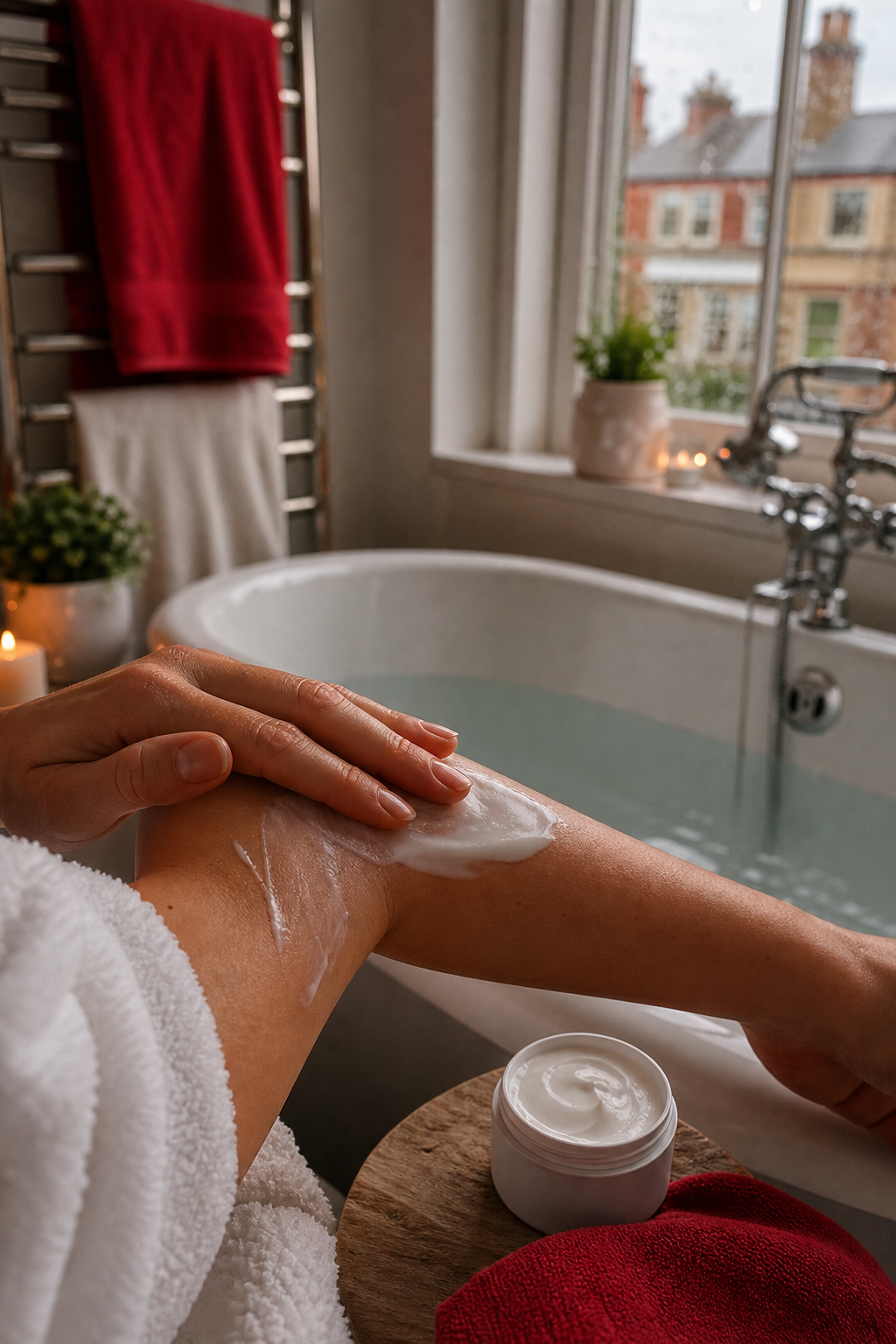
Magnesium Body Lotion delivers 100 mg of magnesium per serving through a cream base that also contains shea butter and oat extract. It’s aimed at anyone who feels tight or itchy after a shower.
Magnesium helps skin cells produce lipids that reinforce the barrier, which in turn gives good microbes a stable home. A 2005 study linked magnesium‑rich salts to improved barrier function and reduced inflammation, making this lotion a smart choice for sensitive skin (Healthline summary). The formula is fragrance‑free and uses a gentle, plant‑derived emulsifier.
The lotion can feel a bit thick on very oily skin, so you might want to use it on dry patches only.
5. Balancing Spray Mist , Prebiotic mist that feeds good bacteria on the go
The Balancing Spray Mist is a light, water‑based spray that contains sea kelp extract, aloe, and citrus‑derived citric acid. It’s designed for quick refreshes between meetings or after workouts.
Sea kelp provides prebiotic polysaccharides that act like fertilizer for the skin’s microbes. Users report a calmer, more even complexion after a week of twice‑daily use. Because the mist is alcohol‑free and fragrance‑light, it won’t strip the barrier.
One downside: the bottle is small, so you’ll need to repurchase often if you use it multiple times a day.
Read more about why plant‑based cleansers matter
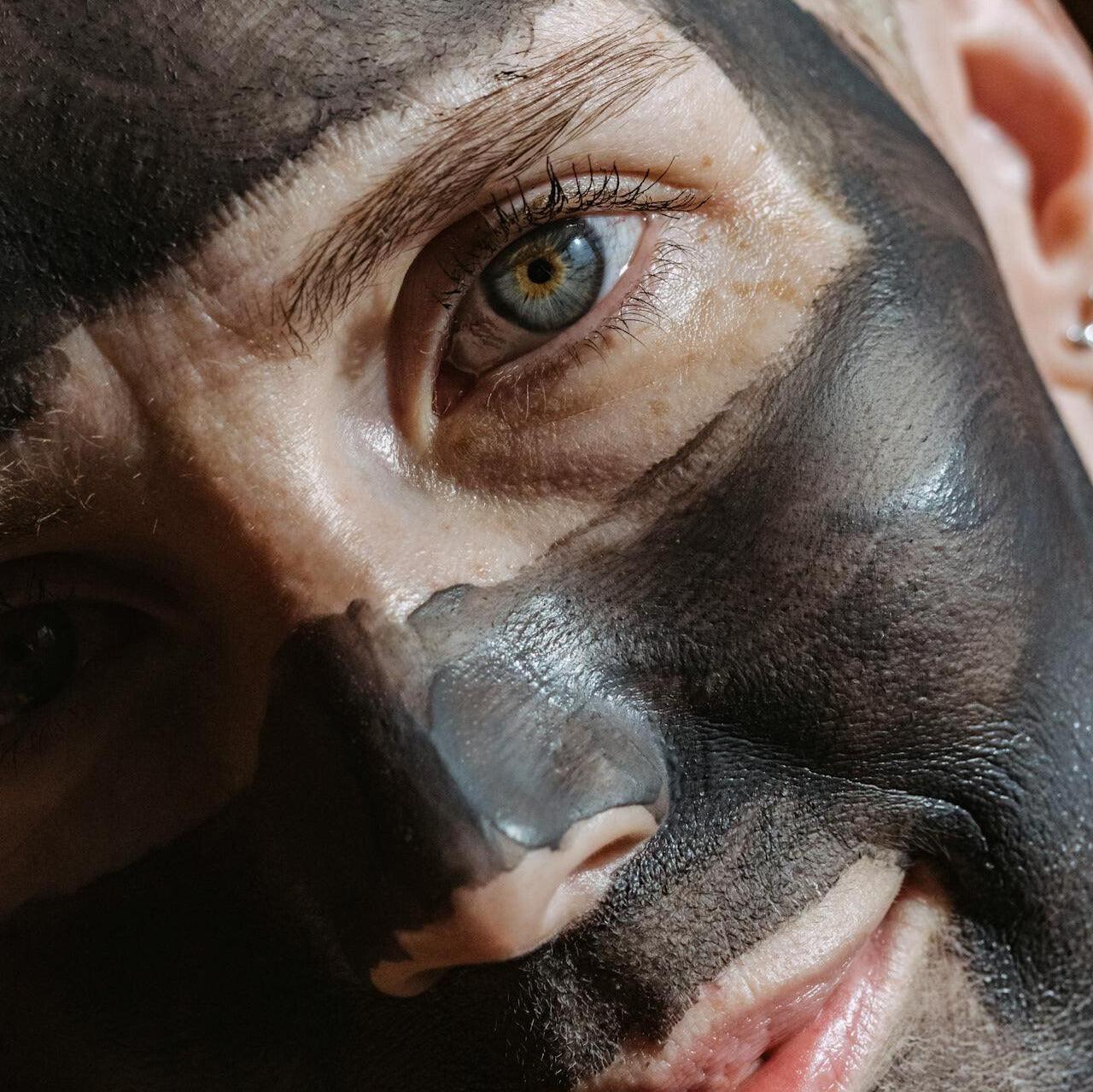
6. Charcoal Clay Detoxifying Mask , Gentle detox without stripping microbiome
This mask mixes activated charcoal, kaolin clay, and bentonite to draw out impurities while staying gentle on microbes. It’s best for oily or combination skin that needs a deep clean once a week.
Clay minerals absorb excess oil and pollutants, but the formula also includes soothing oat extract to prevent over‑drying. Research on mud masks shows mineral‑rich clays can reduce acne‑causing bacteria while supporting barrier repair (Healthline). The mask rinses off cleanly and leaves a faint matte finish.
Apply for more than 15 minutes and you may feel tightness; stick to the recommended time.
Check the Charcoal Clay Mask details
7. Reef‑Safe SPF 30 Mineral Sunscreen , UV protection with microbiome‑friendly minerals
This mineral sunscreen uses zinc oxide and titanium dioxide particles that sit on the skin’s surface instead of being absorbed. It’s a solid pick for anyone who spends time outdoors and worries about reef damage.
The formula avoids chemical filters like oxybenzone, which can disrupt the skin’s pH and irritate microbes. Zinc oxide also has mild antimicrobial properties that help keep pathogenic bacteria in check while being gentle on the good flora.
The texture is a bit chalky at first, but it fades to a satin finish after a minute of rubbing. If you prefer a completely invisible finish, you might layer a moisturizer underneath.
How to Choose Microbiome‑Friendly Products
Picking the right products isn’t rocket science, but a few checkpoints help you avoid gut‑killing formulas.
- Look for terms like “prebiotic,” “postbiotic,” or “microbiome‑friendly” on the label.
- Check the ingredient list for food‑grade botanicals, cold‑pressed oils, and gentle surfactants such as decyl glucoside.
- Avoid high‑alcohol extracts, synthetic fragrances, and harsh acids that push the skin pH above 5.5.
For a deeper dive on choosing moisturizers that support microbes, see How to Choose a Microbiome Friendly Moisturizer. That guide walks you through a quick pH test and a three‑step patch‑check.
Skin Microbiome Product Comparison
FAQ
What is a skin microbiome and why does it matter?
The skin microbiome is the community of bacteria, fungi, and viruses that live on your skin. A balanced microbiome protects against pathogens, regulates inflammation, and keeps the barrier hydrated.
How do prebiotic ingredients help my skin?
Prebiotics act like fertilizer for the good microbes, giving them food to thrive. This supports a diverse microbial population and can reduce breakouts.
Can I use probiotic serums if I have sensitive skin?
Yes, as long as the serum is low‑pH and fragrance‑free. Start with a thin layer and watch for any irritation before applying daily.
Are mineral sunscreens really safe for my microbiome?
Mineral sunscreens sit on the surface and don’t change the skin’s pH, so they’re generally safe for the microbiome while providing broad UV protection.
How often should I use a detoxifying mask?
Limit a clay or charcoal mask to once or twice a week. Over‑use can dry out the barrier and upset the microbial balance.
Do I need to patch‑test every new microbiome product?
Patch‑testing is a smart habit. Apply a small amount on your inner forearm and wait 48 hours; if no redness or itching appears, the product is likely compatible.
Conclusion
For balanced, radiant skin we recommend starting with OM Botanical’s whole‑food line , it feeds your microbes while keeping the routine simple. Ready to give your skin a fresh start? Try OM Botanical Plant‑based Ayurvedic Skincare free →
Ready to put this into practice? OM Botanical Plant-based Ayurvedic Skincare was built for exactly this.
Share