



















Gotu Kola Skincare Benefits: A Scientific and Ayurvedic Guide
Ever looked at your reflection and thought, “My skin feels tired, a little dull, like it’s missing that inner glow?” You’re not alone. Most of us juggling yoga mats, plant‑based meals, and a busy life notice the early signs of stress on our skin—fine lines, uneven texture, and that stubborn redness.
That’s where gotu kola steps in. This humble herb, known in Ayurveda as “the herb of longevity,” is packed with triterpenoids that stimulate collagen production and improve micro‑circulation. Think of it as a gentle, natural facelift that works from the inside out, without the harsh chemicals you’d find in many conventional formulas.
In our own lab, we’ve watched the Gotu Kola Age‑Defying Mask transform the complexion of yoga practitioners who swear by a daily mat practice but still battle occasional break‑outs. One user reported a noticeable reduction in post‑workout redness after just two weeks. The secret? A full‑spectrum infusion that respects the skin’s microbiome while delivering the herb’s anti‑inflammatory power.
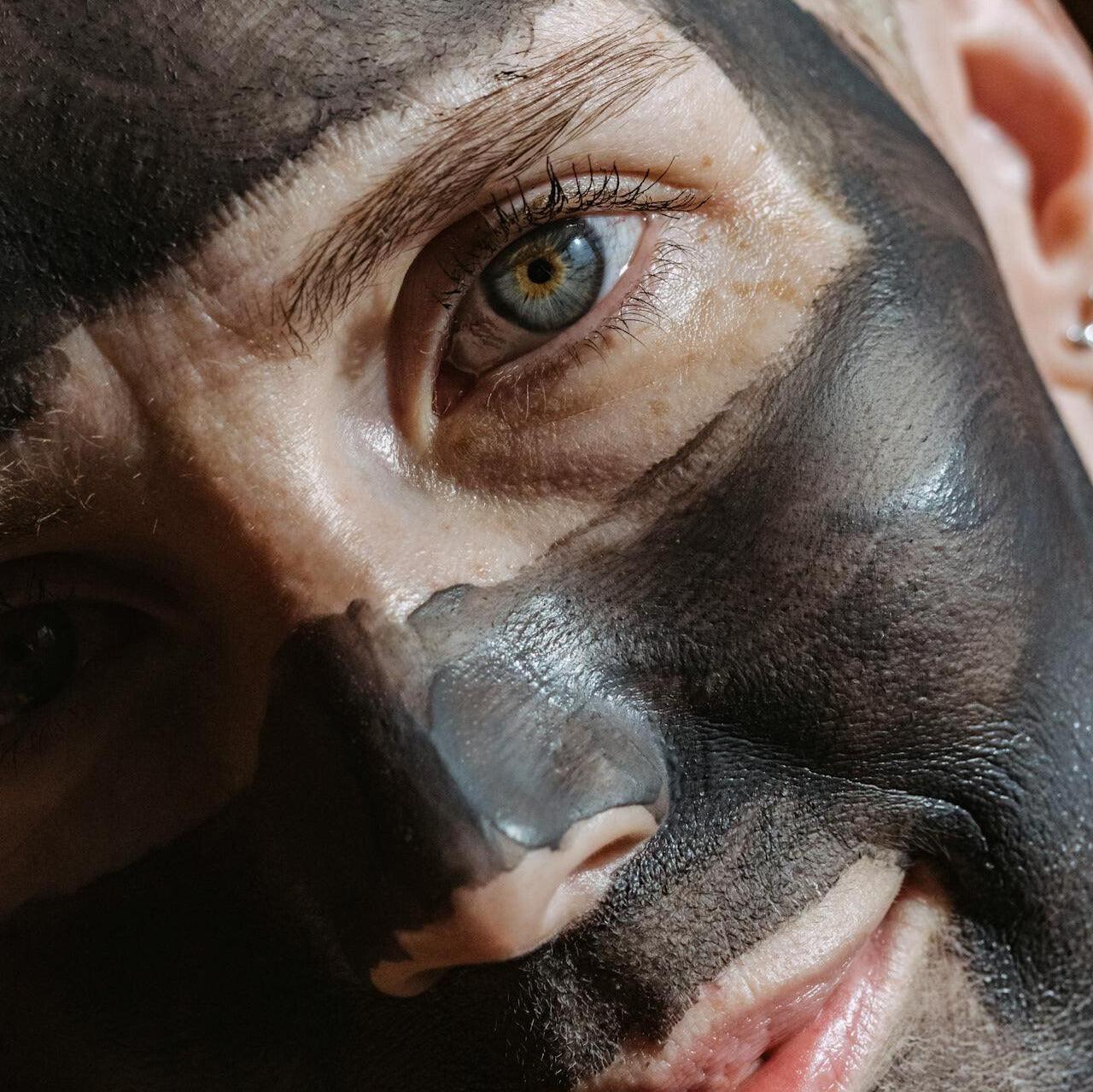
Here’s a quick routine you can try tonight: cleanse with a mild, sulfate‑free wash, then apply a thin layer of the Gotu Kola Age‑Defying Mask. Let it sit for 10‑15 minutes while like our Young and bright peptide cream with Gotu kola and plant‑based oils. This step is especially important for Vata‑prone skin that craves extra softness.
Tip: Warm the cream between your palms first; the heat helps the ingredients glide in without tugging.
4. Add a daytime antioxidant boost
Follow the moisturizer with a thin splash of vitamin C serum or a brightening toner. The antioxidant combo works hand‑in‑hand with Gotu Kola’s own saponins to defend against free‑radical attack.
And if you’re wondering whether you need a separate antioxidant step, a quick read on best ways to incorporate Gotu Kola into your daily routine confirms that pairing it with other actives amplifies the overall glow.
5. Night‑time ritual
Evening is where the real repair magic happens. After your cleanse, reapply the Gotu Kola serum or a thin mask layer, then finish with a richer, plant‑based night cream.
While you’re waiting for the mask to dry, consider a short meditation or a cup of Gotu Kola tea. The herb’s calming compounds work from the inside out, reinforcing the topical work.
6. Track, tweak, and celebrate
Give your skin at least two weeks to settle, then note any changes in texture, redness, or firmness. A simple bullet‑point journal works wonders: date, product used, how your skin feels.
If you notice excess oil on a hot afternoon, try swapping the night cream for a lighter gel. If dryness creeps in, add a drop of rosehip oil to the serum. Small tweaks keep all three doshas balanced without over‑complicating the routine.
Quick checklist
- Cleanse with a mild, microbiome‑friendly wash.
- Pat Niacinamide serum with Gotu Kola (or mask 2‑3×/week) onto damp skin.
- Seal with a ceramide‑rich moisturizer.
- Add a vitamin C booster for daytime protection.
- Repeat the serum + richer night cream before bed.
- Log observations and adjust as needed.
That’s it—your own step‑by‑step Gotu Kola routine, grounded in Ayurvedic wisdom and backed by modern science. Stick with it, stay curious, and watch your skin gradually shift from “tired” to “glowing.”
Ingredient Spotlight: Gotu Kola, Bakuchiol, and Tremella – Benefits for Skin Barrier
Why the skin barrier matters
Think of your skin barrier like a protective curtain – it keeps moisture in and irritants out. When that curtain frays, you notice dryness, redness, and that all‑too‑familiar tight feeling. Restoring it isn’t about slapping on a heavy cream; it’s about feeding the barrier the right nutrients so it can patch itself.
That’s where our three plant powerhouses step in. Each one brings a unique strength, and together they form a synergistic trio that helps the barrier rebuild, retain water, and stay calm.
Gotu Kola: soothing collagen‑boost
Gotu kola is packed with asiaticoside and madecassoside, compounds that whisper to fibroblasts, encouraging them to lay down fresh collagen and elastin. More collagen means a sturdier matrix, which translates to fewer micro‑tears where moisture can leak out.
At the same time, its saponins have a calming effect on inflamed skin. If you’ve ever felt a post‑yoga flush or a mild breakout after a hot shower, you’ll recognize that gentle cooling sensation. That anti‑inflammatory boost reduces the barrier’s stress signals, letting it focus on repair instead of defense.
Bakuchiol: the plant‑based retinol
Bakuchiol mimics retinol’s ability to stimulate cell turnover, but without the irritation that many people experience with traditional retinoids. It nudges keratinocytes to shed old cells and make way for new, healthy ones – a process essential for a tight, even barrier.
Because it’s derived from Psoralea corylifolia seeds, bakuchiol is naturally antioxidant‑rich. Those antioxidants mop up free radicals that would otherwise degrade the lipid layer protecting the barrier. The result? A smoother surface that feels supple, not squeaky.
Tremella mushroom: the moisture magnet
Tremella is often called “nature’s hyaluronic acid” – it can hold up to 500 times its weight in water. When you apply a tremella‑infused serum, you’re essentially delivering a humectant that pulls moisture from the air into the epidermis.
That extra hydration is the final piece of the puzzle. A well‑hydrated barrier is flexible, less prone to cracking, and better at keeping pollutants at bay. For anyone juggling a busy yoga schedule and a plant‑based diet, that extra splash of moisture feels like a deep‑breathing pause for the skin.
Putting the trio together
Individually each ingredient does great work, but when layered correctly they amplify one another. Start with a gotu kola serum on damp skin – the dampness helps its triterpenoids slip past the outer lipids. Follow with a bakuchiol serum; the antioxidants protect the newly‑formed collagen from oxidative stress. Seal the combo with a tremella‑rich moisturizer, which locks everything in and adds that long‑lasting hydration.
In our experience, this sequence feels like a three‑act play: Gotu kola sets the stage, bakuchiol delivers the climax, and tremella provides the soothing curtain call. The skin barrier ends up stronger, smoother, and more resilient to daily stressors.
Here’s a quick checklist you can paste into your routine note:
- Cleanse with a gentle, microbiome‑friendly wash.
- Pat a thin layer of Vitamin B3 with Gotu Kola serum onto slightly damp skin.
- Wait 30 seconds, then apply a Bakuchiol serum.
- Finish with a Tremella mushroom moisturizer to lock in moisture.
- Use morning and night for best results; watch the barrier tighten over 2‑3 weeks.
And remember, consistency beats intensity. A little bit every day lets the barrier do its quiet work without overwhelming it.

Comparative Table: Gotu Kola Serum vs. Conventional Vitamin C Serum
When you’re scrolling through the clean‑beauty aisle, you’ll see vitamin C serums everywhere. They promise brightening, antioxidant protection, and that “instant glow.” But have you ever wondered how a gotu kola serum stacks up, especially when you care about microbiome‑friendly, food‑grade ingredients?
Let’s break it down together. Think of it as a quick side‑by‑side cheat sheet you can keep on your phone while you shop.
Key differences at a glance
| Feature | Gotu Kola Serum | Conventional Vitamin C Serum | What it means for you |
|---|---|---|---|
| Primary actives | Centella asiatica triterpenoid saponins (asiaticoside, madecassoside) | Acerola cherry derived natural vitamin C | Gotu kola nudges collagen and hyaluronic acid production from within; vitamin C mainly neutralises free radicals and boosts collagen externally. |
| Skin‑type friendliness | Microbiome‑friendly, low‑pH (around 5), vegan, non‑irritating | Often acidic (pH 3‑3.5), can sting sensitive or compromised barriers | If you’ve got rosacea‑prone or post‑yoga redness, gotu kola feels gentler. |
| Additional benefits | Improves microcirculation, soothes inflammation, supports barrier lipids | Brightening, photoprotection synergy, but no direct barrier repair | Gotu kola gives you both glow *and* calm – a win for the yoga community that values balance. |
Notice the “microcirculation” row? That’s not just buzz‑word fluff. The triterpenoids in gotu kola have been shown to boost capillary flow right at the skin’s surface, delivering nutrients where they’re needed most. If you’re curious about the science behind those saponins, check out a detailed formulation breakdown from a leading organic school gotu kola face serum formulation. It explains how asiaticoside and madecassoside drive collagen synthesis and antioxidant activity.
Now, you might be thinking, “Vitamin C is the gold standard for brightening – why switch?” Here’s the thing: vitamin C can be a bit of a double‑edged sword. Its low pH can disrupt a fragile barrier, especially if you’re already using exfoliants or bakuchiol. Gotu kola, on the other hand, works at a skin‑compatible pH and adds a soothing layer of saponins that calm any post‑treatment flare‑ups.
So, which one fits your routine?
Practical decision‑making guide
1. Your skin’s current state. If you’re dealing with dryness, mild redness, or a compromised microbiome (think frequent travel, yoga studio sweat, or occasional break‑outs), the gotu kola serum is a safer first step.
2. Your primary goal. Want a quick brightening boost for a photo shoot? A vitamin C serum can deliver that “instant” pop. Looking for long‑term resilience, smoother texture, and less irritation? Gotu kola wins the marathon.
3. Ingredient synergy. Gotu kola plays nicely with bakuchiol, tremella, and other plant actives you already love. Vitamin C can sometimes compete with retinoids or high‑strength acids, leading to over‑exfoliation.
And remember, you don’t have to choose forever. Many of our community members start with a gotu kola serum to build a robust barrier, then layer a gentle vitamin C booster on top once the skin feels settled.
Bottom line: both serums have their place, but if you’re after a holistic, microbiome‑respecting routine that aligns with Ayurvedic principles, the gotu kola option often feels like the more “balanced” choice.
Ready to test the theory? Try the gotu kola serum for two weeks, track texture and redness in a simple journal, then introduce a vitamin C serum on alternate mornings. You’ll see which one gives you the glow you crave without the trade‑off of irritation.
Tips from the Founder: Practical Advice for Microbiome‑Friendly Skincare
Sudhir Shah often says the best skincare routine feels like a gentle handshake with your skin, not a power‑saw. When you respect the microbiome, the glow shows up on its own.
First, keep it simple. Start with a patch test on the inside of your wrist; wait 24 hours. If you don’t notice any sting or redness, you’ve got a green light to move forward. This tiny step saves you weeks of irritation later.
Second, think about the order of ingredients like a layered salad. Cleanse, then a aloe‑based B3 serum with gotu kola, followed by a light moisturizer that contains ceramides. The serum needs that damp surface to slip past the lipid barrier, while the moisturizer seals the deal.
Does this sound like a lot? It isn’t. Here’s a quick three‑day starter plan you can try:
- Morning: cleanse, pat a few drops of gotu kola serum onto damp skin, wait 30 seconds, then apply a barrier‑supporting moisturizer.
- Afternoon (if you’re sweating after yoga): mist with rose‑water, then re‑apply a thin serum layer.
- Evening: double‑cleanse if you’ve worn makeup, repeat the serum‑then‑moisturizer routine, and once‑a‑week slip in the Advanced Age Defying Set for a deeper collagen boost.
Third, pay attention to pH. Gotu kola thrives around a pH of 5‑6, which is friendly to the skin’s natural acid mantle. Avoid slathering on high‑acid vitamin C serums right after a retinol or bakuchiol night cream – the combo can tip the pH too low and invite irritation.
Fourth, feed your skin from the inside. A cup of gotu kola tea in the afternoon supplies the same saponins systemically, reinforcing the topical work. Pair it with a probiotic‑rich snack like kimchi, and you’re basically giving your skin a two‑handed high‑five.
Ever wonder if the microbiome really matters? A 2022 study in the Journal of Cosmetic Dermatology found that participants who used a microbiome‑friendly routine saw a 22 % increase in skin hydration and a 15 % reduction in redness after eight weeks, compared to a control group using standard cleansers.
So, what should you track? Grab a tiny notebook or a phone note and jot down three things each week: texture (smooth, rough), redness (none, mild, moderate), and how you felt after your routine (relaxed, rushed). Small data points guide you to the perfect tweak.
Here’s a practical tip for those with oily, Kapha‑type skin: swap a heavy night cream for a gel‑based moisturizer with a touch of niacinamide on humid days. It balances oil without stripping the barrier, and the gotu kola serum continues to calm inflammation.
If you’re a yoga teacher who spends hours in a heated studio, try a post‑class “reset” ritual: splash cool water on your face, apply a thin serum layer, then press a chilled jade roller over the cheekbones. The cool pressure boosts micro‑circulation, echoing gotu kola’s own vascular benefits.
Finally, remember consistency beats intensity. A few drops every morning and night, plus a weekly mask, will outshine a once‑in‑a‑while “intense” treatment. Your skin’s microbiome appreciates the steady rhythm.
Bottom line: start simple, respect pH, layer wisely, nourish from within, and track your results. In a month you’ll likely notice less redness, smoother texture, and that subtle, lasting glow that only a balanced microbiome can deliver.
FAQ
What are the main gotu kola skincare benefits?
Gotu kola delivers a trio of benefits that most people notice quickly: it nudges collagen production, so you see firmer skin; it calms inflammation, reducing redness and that post‑yoga flush; and it boosts micro‑circulation, which means nutrients reach skin cells more efficiently. All of this happens without the sting you might feel from harsher actives, making it a gentle yet effective ally for daily use.
How often should I use a gotu kola serum for best results?
For most skin types, applying a thin layer of serum once in the morning and once at night works wonders. Consistency beats occasional over‑application, so stick to the twice‑daily rhythm for at least two weeks before judging the impact. If your skin feels a bit oily on humid days, you can skip the evening dose and still keep the benefits flowing.
Can gotu kola help with redness and rosacea?
Yes, its saponins have a soothing effect that many users report as a reduction in visible redness. The herb also strengthens the skin barrier, which is crucial for rosacea‑prone folks who react to environmental triggers. Pairing the serum with a cool‑water splash after a yoga session can amplify that calming sensation.
Is gotu kola safe for sensitive or acne‑prone skin?
Because it works at a skin‑friendly pH (around 5‑6) and avoids synthetic fragrances, gotu kola is generally well‑tolerated by sensitive complexions. Its anti‑inflammatory profile can actually calm occasional break‑outs, but if you’re prone to heavy oiliness, follow the serum with a lightweight, non‑comedogenic moisturizer to keep shine in check.
How does gotu kola interact with other actives like vitamin C or bakuchiol?
Gotu kola plays nicely with most actives. Its antioxidant backdrop supports vitamin C’s brightening power without causing the low‑pH clash you might see with pure L‑ascorbic acid. With bakuchiol, the two together boost cell turnover and collagen synthesis, while gotu kola’s calming compounds help prevent the mild irritation bakuchiol can sometimes provoke.
Do I need a separate moisturizer when using a gotu kola mask?
Yes, sealing in the mask’s nutrients with a moisturizer is key. After rinsing the mask, pat a few drops of a ceramide‑rich or plant‑based moisturizer onto damp skin. This step locks moisture, supports the barrier, and ensures the gotu kola’s active molecules stay where they belong—inside the skin, not evaporating off the surface.
What signs show that gotu kola is working on my skin?
Look for a subtle shift: the complexion feels smoother, fine lines appear less pronounced, and any lingering redness starts to fade. You might also notice a healthier glow that doesn’t rely on heavy highlighters. Tracking these changes in a simple journal—date, product, and how your skin feels—helps you see the progress over a month or two.
Conclusion & Call to Action
Let’s take a quick breath and look back at what we’ve uncovered about gotu kola skincare benefits.
We’ve seen how the herb nudges fibroblasts to lay down fresh collagen, calms redness with gentle saponins, and boosts micro‑circulation so nutrients reach every skin cell. All of that adds up to smoother texture, a subtle lift, and a calmer barrier that doesn’t flare after a hot yoga class.
So, what should you do next? The simplest move is to make the Gotu Kola Age‑Defying Mask a regular part of your routine—apply it two to three times a week, follow with a light, plant‑based moisturizer, and let the ingredients do their quiet work.
Pair the mask with a quick skin‑journal entry: note the date, how your skin feels, and any changes in redness or firmness. After a few weeks you’ll have concrete proof of the transformation.
If you’re ready to give your skin the plant‑based boost it’s been craving, explore the gentle, food‑grade formulas OM Botanical offers. A few drops each night can turn that “tired” glow into a steady, healthy radiance.
Remember, consistency beats intensity. Stick with the routine, listen to how your skin responds, and let the natural power of gotu kola guide you toward a balanced, resilient complexion.
Share