













Topical Magnesium Cream for Muscles: Ultimate Relief Guide

Key Highlights
Topical magnesium is often used for sore muscles, muscle cramps, and post-exercise tightness.
Magnesium cream supports local comfort by helping with muscle relaxation and nervous system balance.
Evidence is still limited, but many people prefer targeted use over oral magnesium because it avoids digestive side effects.
Magnesium chloride formulas are commonly chosen for muscle-focused products.
If you have sensitive skin, product design matters because many formulas can sting or itch.
OM Botanical offers a no-sting no-itch, high-dose magnesium body lotion made for fast relief without a sticky feel.
Introduction
You stretch. You drink water. You rest. But your muscles still feel sore. Does this sound like you? Muscle soreness can hang around, and this makes you want something simple, easy, and natural. This is why many people now use topical magnesium. A good magnesium lotion lets you use it right where you have discomfort. It does not have to go through your digestive system.
If you want to know what works, what does not, and which magnesium lotion is best, you are in the right place.
Why Do Muscles Stay Tight? The Science Behind Persistent Soreness
 Muscles can keep feeling tight after you stretch them, and that happens because the issue is not just about how long they are. It often has something to do with muscle tension, the nervous system, things you do again and again, or something bothering the affected area. That is why even if you stretch longer, you may not always get relief.
Most of the time, muscle soreness comes from doing too much, feeling more in a spot, or asking too much from your muscles before they get to recover. Topical magnesium might help with muscle relaxation. It is often used where you have the most discomfort. This is one reason people try it for pain relief. They use it to calm muscle pain or soreness after physical activity or long days. It may offer a natural way to get magnesium and help with feeling good again.
Mineral Deficiencies and Their Impact on Muscle Function
Mineral deficiencies can affect how your muscles work. Magnesium is an essential mineral. It takes part in many body reactions, such as nerve signaling and muscle contraction. If you have a magnesium deficiency, you may find your muscles are tighter. You might get spasms or muscle cramps more often.
This is one reason why many people talk about magnesium when talking about recovery. Magnesium acts as a natural opponent to calcium. The two balance each other in the body. Magnesium controls the messages that tell your muscles when to tighten and when to relax. If there is not enough balance, your muscles may not relax well.
What do we know about using magnesium on the skin? The biggest reason people try it is that it makes sense biologically. Small studies and reports from users do show that it might bring much needed comfort. The best way to look at it is this: magnesium is important for muscle function, but how well skin treatments for magnesium work may depend on the formula, your skin, and how often you use it.
How Magnesium Influences Muscle Contraction and Recovery (Muscle contraction infographic)
Think of muscle contraction like a switch that needs to turn on and off with no problem. Calcium helps to turn this switch on. Magnesium ions help with the off switch. That is why magnesium is so important for muscle relaxation and to help after you have pain from strain or exercise.
A lot of topical products use magnesium chloride. This form is often found in transdermal magnesium creams. The idea is easy to follow: you put it where you have soreness, then use massage with it to support comfort. Many people prefer to use topical magnesium cream after they train, go hiking, or do repeating movements in day-to-day life.
Is magnesium cream good for muscle recovery after exercise? It might be useful as something to add, especially for delayed onset muscle soreness and stiffness that comes after workouts. Still, more research is needed. You can picture it like a muscle contraction infographic that shows calcium bringing on tension and magnesium helping your muscles release.
What Is Topical Magnesium Cream and How Does It Work?
 Topical magnesium cream is a type of lotion you put right on your skin. It has magnesium salts in it, like magnesium chloride or magnesium sulfate. You use this cream where you feel tightness, discomfort, or your muscles are tired.
Transdermal magnesium is used to help certain parts of the body. It works by letting magnesium go through your skin instead of your digestive system, like oral supplements do. Many people pick magnesium cream or lotion instead of magnesium oil. Creams are easy to rub in and feel soft on the skin. This is why many people like to use magnesium lotion for sore muscles.
These creams for sore muscles are getting popular because they are simple to use and let you put magnesium right where you need it.
Magnesium Chloride Lotion vs. Other Forms: Absorption & Effectiveness (Magnesium comparison chart)
Different magnesium products do different jobs. Magnesium chloride lotion is usually chosen when you want targeted comfort plus a more skin-friendly application. Magnesium oil and magnesium spray may feel sticky on the skin, while oral magnesium works systemically but can bring digestive side effects like diarrhea.
 Athletes and therapists often prefer cream or lotion because it supports the massage process and local circulation while avoiding the stomach. That matters when you want a muscle recovery lotion that fits into a daily routine.
Form |
Main Use |
Key Advantage |
Main Limitation |
|---|---|---|---|
Magnesium lotion |
Sore muscles, bedtime, daily use |
Easy topical application, often gentler |
Effects can vary |
Magnesium oil |
Small affected area |
Quick, direct feel |
Tingling sensation or stinging |
Magnesium spray |
Fast spot use |
Convenient |
Can irritate sensitive skin |
Oral magnesium |
Whole-body intake |
Useful for systemic needs |
Digestive side effects |
A magnesium comparison chart here helps readers see why lotion is often the most practical option.
Evidence-Based Benefits for Muscle Pain Relief, Cramps, and Recovery
Here is the honest answer: there is some evidence about topical magnesium helping with muscle problems. Small studies say it's good for muscle soreness and delayed onset muscle soreness. but we still need more studies.
This does not mean topical magnesium is bad or that it won’t work at all. It means you should look at it as something extra to try for pain relief. It is not a cure, and it should not take the place of care from a doctor if your muscle pain is strong, keeps coming back, or does not have a clear reason.
Magnesium plays a clear part in muscle relaxation and nerve health.
Using it on your skin could help you feel better if you get muscle cramps, tight muscles after exercise, and soreness in one spot.
How the cream feels and the way you rub it in can also help with local circulation and comfort.
If you want a simple and easy way to care for muscle soreness, a good magnesium body cream is something you could try for natural pain relief.
The Best Magnesium Lotion for Muscles: OM Botanical’s High Dose Solution
If you want the best magnesium lotion for your muscles, the way it is made matters just as much as how much magnesium is in it. You want a lotion that feels good on your skin, helps with daily use, and gives you a lot of magnesium, but without the common problems that make many people stop using it after just a few times.
This is where OM Botanical can help. Its magnesium lotion is a good choice for muscle recovery, with quick results and a high amount of magnesium. It also will not sting, make you itch, or feel sticky. If you need a magnesium lotion for muscle cramps or sore muscles, this mix is tough to beat.
Rapid Relief—Why OM Botanical Body Cream Delivers Superior Results for Athletes and Adults
When soreness gets in the way of your workouts, sleep, or day-to-day movement, you want something that will give you real help. OM Botanical has made a magnesium body cream that works fast to ease the pain and keep you comfortable each day. This product is good for athletes, yogi, active people, or anyone who deals with stiffness often.
Athletes and therapists like using products that are simple to put on and work well in one spot, again and again. If a muscle recovery lotion does not leave a sticky layer, you will want to use it more than if it feels thick or makes your skin wet. These things are important for making a new product part of your daily life.
OM Botanical gives people what they look for: a high amount of magnesium, quick help for sore muscles, and easy use. If you want to find the best magnesium lotion for your muscles, for athletes, or for soreness, this cream checks all the big points.
No Sting, No Itch: Skin-Friendly Advantages of Magnesium Body Cream (Expert quotes from dermatologists)
One main reason the people stop using topical magnesium is that it can cause skin irritation. Some products with synthetic magnesium can give a tingling sensation or cause itching, dryness, or even a stinging feeling. This can happen more often if you have sensitive skin. So, having a skin-friendly product is about much more than comfort. It really matters for how well the product works, too.
Dermatologists say it is better for people to use something that feels good on the skin. They believe that people stay with a routine if the product does not bother their skin. A dermatologist might say, “The best topical product is one you can use all the time without it bringing irritation.” OM Botanical’s no sting, no itch formula does just that.
Better for your first use if you worry about skin irritation
Easier to use at bedtime or after working out, with no discomfort
Great for regular use on sore muscles and tight areas
For people looking for magnesium body cream, magnesium chloride, a lotion for sore muscles, or something for pain relief, this can be the difference between trying it out once or making it a trusted part of your routine. This is important for anyone who wants help with tingling sensation, dryness, muscle pain, or sensitive skin.
How to Use Magnesium Lotion for Maximum Benefit
Using magnesium lotion is not hard, but there are a few things to think about. When you try it for the first use, start with a patch test. This is important if you have sensitive skin or have had problems with personal care products before. Doing this can help you stay away from any irritation you do not need.
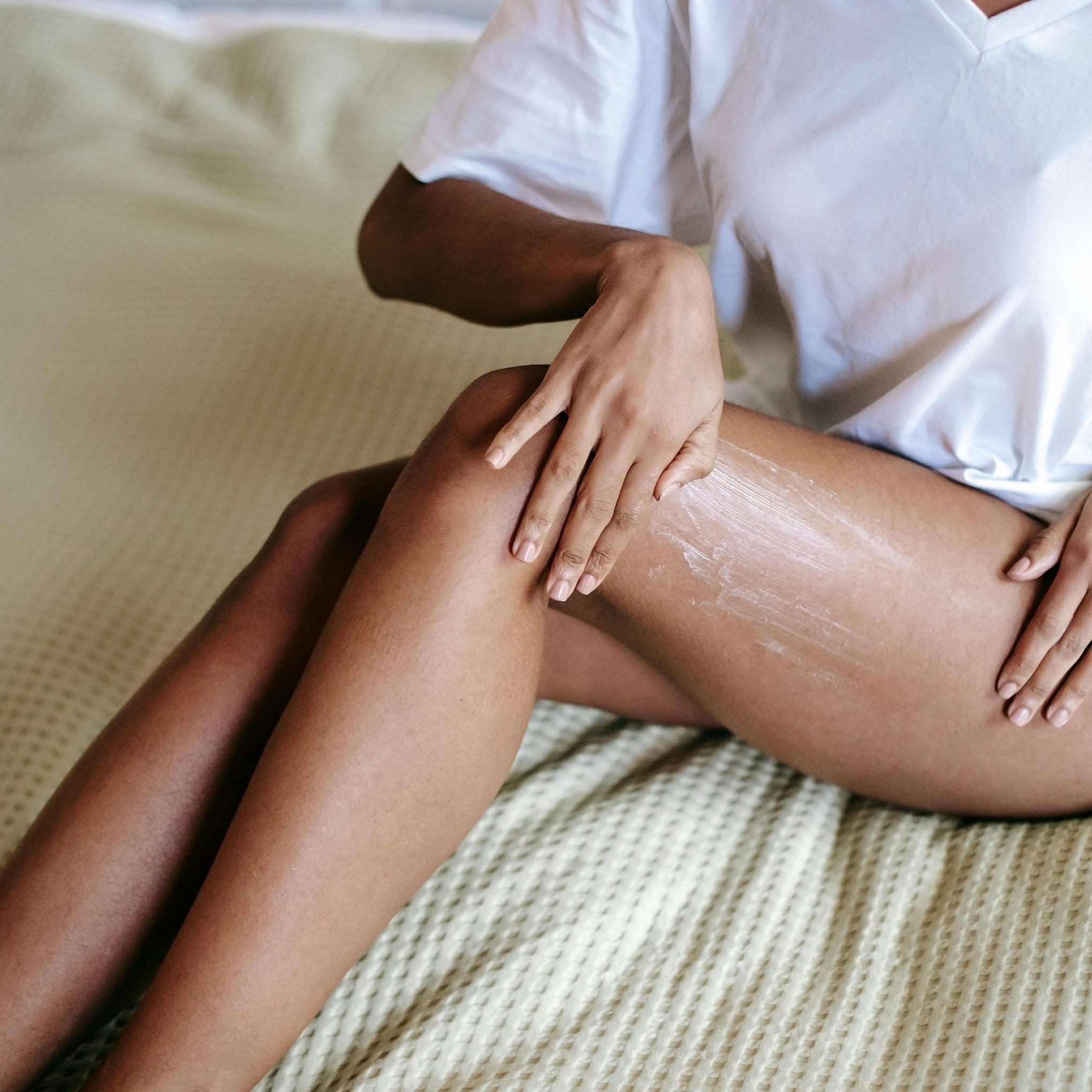
After seeing that your skin is fine with it, put the magnesium lotion on both arms and legs or specifically to the affected area. Make sure your skin is clean and dry. Next, use the lotion by gently massaging it. Many people use this after physical activity or at bedtime, as these are good times when muscle relaxation and pain relief are needed most. Keeping your way of using it easy is often better than worrying too much about the right dosage.
Step-by-Step Application for Sore Muscles, Cramp Prevention, and Bedtime Routine (Before-and-after routine illustration)
If you want to see better results, stay steady with your use. Topical magnesium gives the best help when you use it the same way each time, not just once. This matters most for sore muscles, nighttime cramps, or tight spots in your lower back, shoulders, and legs.
A pharmacist might tell you, "Use the product as the label says. Start with a small amount, and check how your skin does." This is solid and safe advice.
Clean and dry the spot before you put on the lotion
Use topical magnesium on sore muscles or places that get cramps and gently rub it in
Wait until the magnesium lotion soaks into your skin before you get dressed or wash the area
Try it after you work out or before bed, because it helps your body with relaxation
It helps to picture your routine in order: move, put on lotion, rest. With these easy steps, you are more likely to keep it going every day.
Signs You May Be Missing Magnesium—Are You at Risk?
If you feel that your body is extra twitchy, tight, or slow to bounce back, you could be dealing with magnesium deficiency. It is common for people who lack enough magnesium to have cramps, spasms, and muscle tension that comes back even after you stretch or rest.
A lot of people take oral magnesium supplements for these issues. But, the side effects from oral magnesium—like digestive side effects, stomach upset, or even diarrhea—can be hard to deal with. If you struggle with stomach pain or diarrhea, using a topical way to get your magnesium might be easier to keep up as part of your day. This does not tell you if you have a deficiency for sure, but it can help you add to your wellness routine in a more comfortable way.
Common Symptoms of Magnesium Deficiency (Signs You May Not Be Getting Enough Magnesium graphic)
Magnesium deficiency does not always be open or easy to see. At times, you might have small problems that you ignore like cramps at night, tightness in your calves after a walk, stiffness in your lower back, or it might take you a long time to feel better after you exercise. You might notice things like numbness or having spasms a lot, too.
Some people find that oral magnesium supplements can give them digestive side effects. So, they try to put magnesium on their skin and check their food or see how their health is doing in other ways. This is a smart thing to do, but if these problems do not stop, it's best to talk to a doctor.
Recurrent cramps or spasms
Frequent headaches and migraines
Feeling tired all the time
Insomnia
Tightness that happens with soreness or low back pain
Numbness, twitching, or muscle trouble that keeps happening
A "Signs You May Not Be Getting Enough Magnesium" picture can also help you spot patterns you might have missed for a long time.
Best Muscle Recovery Practices for Adults, Athletes, and Hikers (Muscle recovery timeline)
Muscle recovery is not just about one product. People over 50, athletes, and hikers all need a solid muscle recovery plan. It should match your age, how active you are, and how much you do each day. The basics still matter a lot. You should take your time, drink enough water, keep moving, and get good rest.
You can also look at things the way an exercise specialist would: “Recovery gets better when you take care of muscles right where it is sore but also pay attention to your whole body.” This is why magnesium lotion fits best when you use it as a part of your wellness routine, not just by itself.
After hiking: wash your legs and feet, use magnesium lotion, then take time to rest
For athletes: put the lotion on after a workout to help with soreness and muscle recovery
For adults over 50: add slow movement to daily muscle recovery habits. Use magnesium lotion to help, too
A timeline or chart can help you see how muscle recovery works—from working your muscles, to using local care like magnesium lotion, to getting good sleep, and moving well again the next day.
Natural Muscle Recovery: Integrating Magnesium Lotion Into a Holistic Approach
Magnesium lotion can be a good, natural way to ease muscle pain. But for the best results, it works well when you use other simple steps as well. The main way to recover is by putting little things together. You need to move your body in a smart way, drink enough water, eat well, and take care of the spots that hurt.
If you already use plant-based skincare products, non toxic skincare products, or skincare that helps your skin’s microbiome, you should keep the same thinking. It’s good to pick products you can use often and feel happy with. OM Botanical matches what you need for overall self-care and also gives you a helpful magnesium body lotion to use every day for quick relief.
Combining Magnesium Cream With Self-Care, Nutrition, and Movement (Expert quotes from physical therapists & sports nutritionists)
Physical therapists often tell people that tight muscles do not always need more stretching. Sometimes the answer is lighter movement, the right amount of rest, and things that make the area feel good. That is where magnesium cream can help. It is simple to use, easy to put right where you need it, and it goes well with some movement.
Sports nutritionists say you should not forget other things if your muscles do not get better. It helps to look at everything. Things like what you eat, how much you drink, and how well you sleep can change how your muscles feel. They are as important as what you put on your skin. The best way is to never treat soreness on its own.
Use magnesium cream after being active and before you go to sleep
Keep moving some instead of just not moving at all
Help your body recover with good eating and drinking habits
If you already use things like food grade skincare, organic face moisturizer, natural body lotion for dry skin, or natural deodorant aluminum free, using a good magnesium lotion can really fit right in.
Post-Workout Recovery Ingredients: What Really Works for Sore Muscles
When it comes to the best ingredient list for post-workout recovery, simple is often best. People want the right amount of comfort and something they can use every day. Magnesium stands out because it helps with muscle relaxation. Besides that, the cream itself matters. The base should help the product go on smooth and feel nice on your skin each time you use it.
Many like using cream because it feels better than sprays and helps hold in comfort for sensitive skin. This is why magnesium body cream is a go-to for many. Items like shea butter or certain essential oils can make the cream feel better on your skin, but most people use these creams mainly for the magnesium.
Magnesium to support sore spots
A nice cream base that is good for every day
Little or no irritation so you can keep up your routine
A lot of people who focus on clean and gentle routines also search terms like food grade face cleanser, natural face cleanser for sensitive skin, bakuchiol serum, niacinamide serum, vitamin C serum for face, gotu kola face cream, tremella mushroom serum, reef safe sunscreen, non nano zinc oxide sunscreen, plant based sunscreen, vegan deodorant natural, hops deodorant, anti chafe balm natural, sulfate free natural shampoo, shikakai shampoo, and natural shampoo for sensitive scalp.
Safety & Expert Recommendations for Topical Magnesium
Topical magnesium is usually easy for people to use, but you still need to be careful. Most of the side effects are small and happen on the skin. You might notice skin irritation, redness, itching, dryness, or a tingling sensation. That is why experts say you should do a patch test first and stick to the dosage written on the label.
Big side effects that affect the whole body are not likely if your skin is not broken. But if you have serious kidney problems, you should talk to a doctor before you use magnesium all the time. If the pain is bad, keeps going, or happens with swelling, fever, weakness, or numbness, you need to talk to a doctor instead of using it on your own for a long time.
Guidelines from Exercise Physiologists and Pharmacists for Daily Use
Most experts agree on the basics. People who study how your body moves and works care about when you use it and how often. People who give out medicine care that you use it in a safe way. Both of these things have a role if you want to use topical magnesium every day to help with recovery or to feel more comfortable.
The easy steps are: Use it for the first time on a small part of your skin. Put it only on skin that is not broken. Read the label and do not use more magnesium than it says. If you don’t get any comfort or see any good changes after two weeks, think about stopping and talk to a doctor.
Patch test before you start using it daily
Don’t use on broken skin, open cuts, or any skin that has ongoing redness or swelling
Stop right away if you get a rash, your skin gets worse, or if your discomfort goes up
This way, topical magnesium can be a good tool to help with muscle discomfort. But it should not take the place of getting checked if your symptoms get worse or don’t get better.
Special Considerations for Adults Over 50 and Athletes
Adults over 50 and athletes tend to look for tools to help them recover more often than others do. But their needs can be quite different. Older adults can be more sensitive to things that touch skin, and they may feel muscle pain or stiffness more often, or not handle a lot of activity as well. Athletes train hard, so they get sore and have tired muscles after workouts.
These reasons show why how a product feels on your skin is very important. If something stings, it usually does not get used over time. This is why OM Botanical is made to not sting, not itch, and not feel sticky—this helps people in both groups keep using it.
Adults over 50 often want a gentler and simple way to use a product every day
Athletes need something fast, and something they can use again and again after working out
Both groups should know what to expect when it comes to how well magnesium is soaked up and what results can show up
If a product is gentle enough to keep using as part of a daily routine, it is often much better than one that feels harsh, no matter how good it sounds at first. This matters most with things like muscle pain, soreness, and stiffness. Good results come with a product you use again and again.
Conclusion
To sum up, it is important to know how magnesium works for muscle health if you want to help with tightness and discomfort. Many times, ongoing soreness comes from not having enough minerals, especially magnesium. If you add a high-quality topical solution, like OM Botanical's Magnesium Body Lotion, to your daily routine, you can get quick relief without skin irritation. This lotion helps with muscle recovery and is good for your overall wellness. It does not matter if you are an athlete or if you just want to make your life better, magnesium lotion is a natural and helpful way to feel better. Do not let muscle tightness stop you—find out what magnesium can do now and move toward a more comfortable life. If you want to try, get OM Botanical's Magnesium Body Lotion and see the change for yourself!
Frequently Asked Questions
Is magnesium lotion effective for muscle cramps and recovery?
Magnesium lotion can be used to help with cramps and sore muscles. It may give pain relief where you need it. This lotion is helpful for muscle recovery after you work out or if you have tension for a long time. Right now, there is not a lot of strong proof that topical magnesium works. But many people find it useful as an easy way to get some comfort and help their muscles get better.
Can magnesium cream help with sleep and relaxation?
Many people put magnesium cream on at bedtime. It helps with muscle relaxation and calming of nerves, which can support comfort and makes it easier for the nervous system to relax. This cream is not a sleep medicine but using it before bed can be part of a calming routine, especially when tight muscles make it hard to relax.
Are there any safety concerns for using magnesium lotion daily?
Daily use is usually safe if you follow the directions, use the product on healthy skin, and do a patch test first. The most common side effects are skin irritation, itching, dryness, or tingling in the spot where you applied it. If these things get worse or you feel pain that does not go away, stop using it and talk to someone for advice.
why OM Botanical Magnesium lotion is the best in the industry?
OM Botanical is different because it brings strong magnesium lotion results without a sting, an itch, or a sticky feel. If you care about purity, how comfortable it is, and using the lotion again and again, this one makes the case for being the best choice for muscles and for quick recovery.
Share
Informative read. Electrolyte balance is definitely key. We cover more health topics at https://bzpharmacy.com/