OM Blog

Banner Image of Fuller's Earth Benefits for Skin What You Need to Know.jpg

Fuller's Earth Benefits for Skin: What You Need to Know

by Sudhir Shah on Sep 18 2026
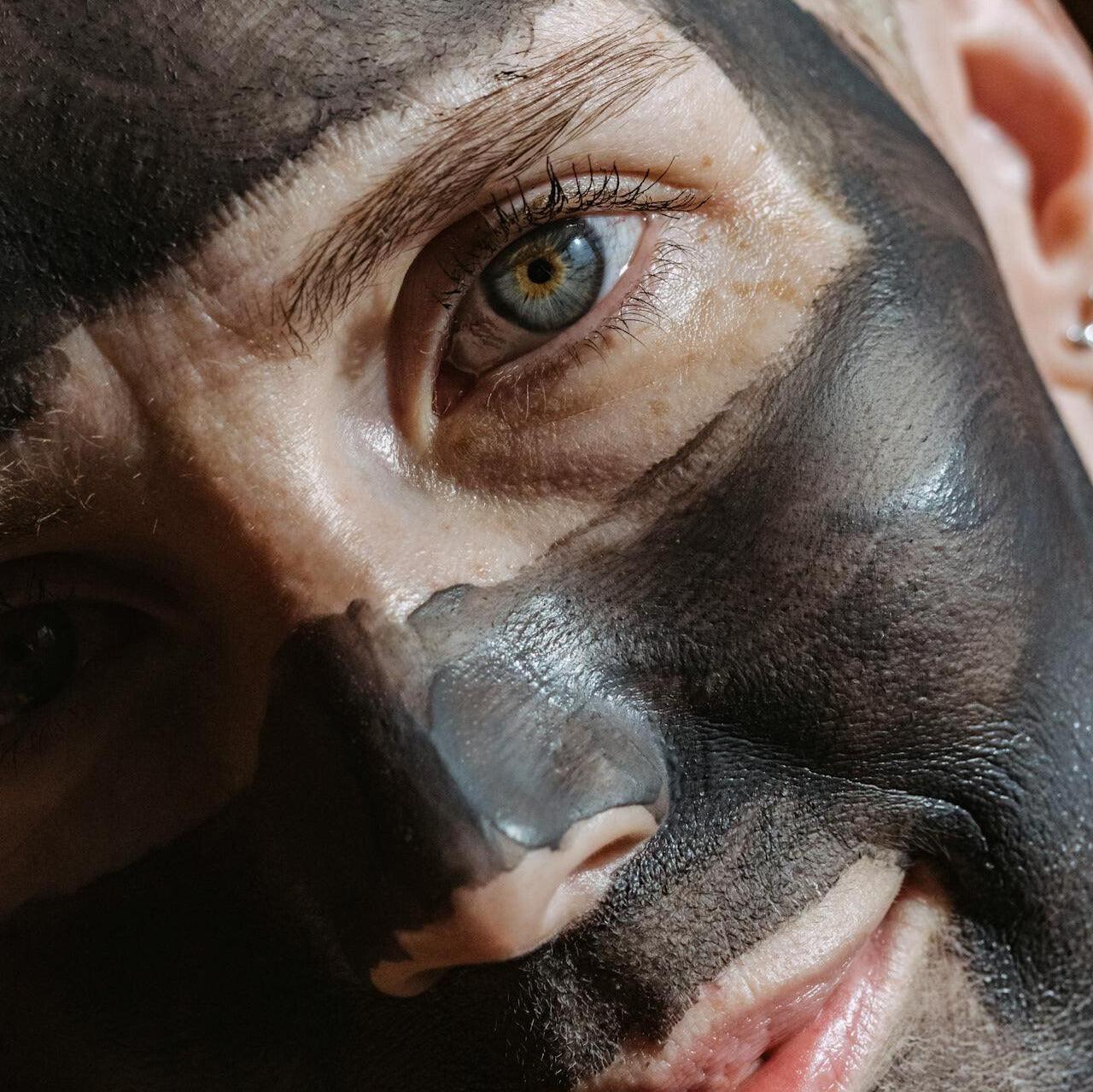
Key Highlights Fuller’s earth is an absorbent natural clay commonly known as Multani Mitti. It can help absorb extra sebum and reduce temporary surface shine. Clay masks can help remove oil and accumulated dead skin cells during cleansing. Fuller’s earth does not permanently shrink pores, lighten skin, or regulate oil production. Different facial clays, including kaolin clay and bentonite clay, have different mineral compositions and properties. Fuller’s earth can feel drying when overused, particularly when skin is already sensitive or uncomfortable. OM Botanical uses Fuller’s earth as part of multi-ingredient botanical formulas, combining it with ingredients such as pumpkin, pineapple, aloe vera, and tremella mushroom rather than relying on clay alone. Fuller’s earth, commonly known as Multani Mitti, is a natural clay valued primarily for its absorbent properties. It can help remove excess surface oil and accumulated material, leaving skin feeling cleaner and smoother. However, Fuller’s earth is often promoted as a solution for acne, enlarged pores, dark spots, and even skin “detoxification.” Many of these claims go beyond the available evidence. Its practical benefits are much simpler, and overusing absorbent clay can contribute to dryness or irritation. That is why OM Botanical uses Fuller’s earth within multi-ingredient botanical formulations rather than relying on the clay alone. This guide explores realistic Fuller’s earth benefits for skin, common misconceptions, and how to use it appropriately. What Is Fuller’s Earth? Fuller’s earth is a naturally occurring absorbent clay material made up of various clay minerals. Its precise mineral composition varies depending on its geological source. It is widely known as Multani Mitti when used in South Asian beauty practices. The term does not refer to one universally standardized mineral. According to the U.S. Geological Survey (USGS), Fuller’s earth refers to naturally occurring clay materials valued for their absorbent properties rather than one single mineral. Its mineral composition can vary depending on the deposit and may include different clay minerals. Its absorbency has given Fuller’s earth a variety of uses beyond beauty. Historically, fulling involved cleaning oils and impurities from wool, which is where the English name originates. Fuller’s earth has a long history in textile processing and has also been used to absorb oils and grease and in the refining of mineral and vegetable oils. For skincare, however, its relevance is much simpler: it is a type of clay capable of interacting with oils and material present on the skin’s surface. What Are the Main Fuller’s Earth Benefits for Skin? The most useful benefits of Fuller’s earth are related to cleansing, absorbency, and the temporary appearance and feel of the skin. Understanding those limitations helps separate genuine cosmetic uses from unsupported claims. 1. Helps Absorb Excess Surface Oil Fuller’s earth is known for its ability to absorb oils, making oil control one of its most practical cosmetic applications. Applied as part of a face pack or clay mask, it can pick up excess sebum from the skin’s surface before being rinsed away. This can leave the skin looking less shiny immediately after use. However, absorbing existing sebum is not the same as changing biological oil production. Fuller’s earth should therefore not be described as permanently reducing how much oil the skin produces. The goal should not be to remove every trace of sebum either. Natural oils are part of the skin’s surface environment and contribute to normal skin function. This aligns with OM Botanical’s approach to balanced skincare, which focuses on supporting the skin rather than aggressively stripping away everything considered undesirable. 2. Helps Remove Surface Buildup Oil, cosmetic residue, environmental debris, and loosened dead skin cells can accumulate on the skin’s surface. A wash-off clay formula can help remove some of this material during cleansing. Fuller’s earth also has gentle exfoliating properties through the physical process of applying and rinsing away a clay-based mask. This does not mean it is regenerating skin cells or deeply “detoxifying” the skin. The distinction is important. Clay primarily acts at the skin’s surface, while the body has its own systems for eliminating metabolic waste. 3. Can Leave Skin Feeling Smoother The combination of oil absorption and surface cleansing can leave the face feeling smoother after using Fuller’s earth. This is one of the more straightforward Fuller’s earth benefits for face care. Removing excess oil and surface buildup can improve how the skin feels without suggesting that the clay restructures or resurfaces the skin. This surface-level cleansing role is also why Fuller’s earth can fit naturally into wash-off formulations such as clay masks and cleansers, where it works alongside other ingredients rather than being used on its own. For persistent uneven skin texture, however, the underlying cause matters. Using clay masks more frequently is not necessarily the solution and could leave the skin feeling dry or uncomfortable. 4. Temporarily Reduces Surface Shine Fuller’s earth can create a more matte appearance by absorbing excess oil already present on the skin. This explains why the benefits of Multani Mitti for oily skin are frequently discussed. But OM Botanical does not view people as having one permanent skin type. Skin can behave differently depending on climate, hormones, products, environment, and its current condition. Someone who experiences excess shine one week can experience tightness another week. Instead of building your routine entirely around labels such as “oily” or combination skin, pay attention to what your skin currently needs. 5. Complements Wash-Off Facial Masks Fuller’s earth works naturally within facial masks because the clay and the material collected from the skin are eventually rinsed away. That does not mean every Fuller’s earth mask behaves identically. A plain earth powder mixed with water is different from a formulated product combining several natural ingredients. Texture, ingredient ratios, application, contact time, and supporting ingredients can all influence the experience. At OM Botanical, this distinction is important. A finished mask is not simply Fuller’s earth mixed with water. It is a complete formulation in which the clay is combined with botanical and functional ingredients selected to play complementary roles. Because these ingredients are minimally processed, natural variations in colour and appearance can occur between formulations or batches. Discover why OM Botanical does not expect botanical skincare to look perfectly white or identical every time. How Does Fuller’s Earth Compare With Other Types of Clay? Fuller’s earth is only one of a wide range of facial clays used in cosmetics. Kaolin and bentonite are two other familiar examples. Clay What to Know Fuller’s earth An absorbent mineral clay traditionally associated with cleansing and removal of excess surface oil. Kaolin clay A clay containing kaolinite, widely used in cosmetic masks, cleansers, and powders. Bentonite clay A highly absorbent clay largely composed of smectite minerals and known for swelling when hydrated. Calcium bentonite A form of bentonite in which calcium is a dominant exchangeable cation. Bentonite is a highly absorbent clay with properties that make it useful in products designed to remove excess oil and surface impurities. Another property discussed with certain clay minerals is cation exchange, which describes the ability of mineral surfaces to exchange positively charged ions. It is a useful mineralogical property, but it should not be turned into vague claims that a face mask “pulls toxins” from your body. Ultimately, there is no universally superior clay. Different types of clay have different compositions, physical properties, and formulation uses. Multani Mitti has deep roots in traditional beauty practices, but how does that translate into a modern routine? Explore how Ayurvedic principles can inform natural skincare today. OM Botanical brings this traditional botanical perspective into modern formulations by pairing plant-derived ingredients with modern formulation science rather than relying on traditional ingredients alone. Can Fuller’s Earth Help With Acne, Dark Spots, or Pores? This is where many descriptions of Fuller’s earth clay benefits go too far. Its ability to absorb oil does not establish Fuller’s earth as an acne treatment. Likewise, removing surface buildup does not prove that it can erase pigmentation or permanently change pore size. Popular Claim What Fuller’s Earth Can Realistically Do Treats acne Can absorb excess surface oil but is not an established acne treatment Removes dark spots Does not have established evidence for removing hyperpigmentation Shrinks pores Removing surface oil can temporarily affect their appearance but cannot permanently change pore size Detoxifies skin Can collect oil and surface material that is removed when the mask is rinsed Lightens skin Cleansing can temporarily make skin appear fresher but does not establish permanent skin lightening If acne, pigmentation, persistent inflammation, or another skin condition is the main concern, a clay mask should not replace appropriate professional care. Can Fuller’s Earth Irritate or Dry the Skin? Yes. Fuller’s earth absorbs oil from the skin, which can leave some people feeling dry or tight, particularly if the product is overused or unsuitable for their skin type. Possible signs that a formula is not working well for your skin include: Tightness or dryness after rinsing Redness or irritation Increased sensitivity or discomfort Sensitive or reactive skin may require extra caution. A natural ingredient is not automatically suitable for every skin type. Before using a new Fuller’s earth product, patch test it first and follow the product's directions for application time and frequency. When using a clay mask, keep it away from the eye area unless the instructions specifically state otherwise. Learn how overdoing skincare can affect your skin barrier. What About Fuller’s Earth for Dry-Feeling Skin? Fuller’s earth is primarily valued for its absorbent properties, not for moisturizing the skin. If your skin already feels dry or tight, using the clay with water alone can leave it feeling less comfortable. DIY recipes often combine Multani Mitti with ingredients such as aloe vera or rose water to change the consistency and make the mixture feel less drying. However, these additions do not necessarily make the mixture suitable for dry skin. For dry-feeling skin, consider: How your skin responds: Stop or reduce use if the skin feels noticeably tighter or drier afterward. What the clay is combined with: The overall mixture influences how it feels and performs on the skin. The formulation: A finished skincare product offers more controlled ingredient ratios than an improvised DIY mixture. Ultimately, Fuller’s earth is better suited to absorbing excess oil than providing hydration, so people with dry-feeling skin should use it cautiously. Should You Mix Fuller’s Earth With Tea Tree Oil or Other DIY Ingredients? DIY Multani Mitti masks are commonly discussed online, with suggestions ranging from rose water and aloe vera to honey, tea tree oil, lemon juice, and baking soda. However, combining several “natural” ingredients at home does not automatically make a formula safer, gentler, or more effective. Some commonly suggested additions deserve particular caution: Tea tree oil: Concentrated essential oils can irritate the skin or trigger allergic contact dermatitis in some people. Lemon juice: Its acidity can irritate facial skin, particularly when the skin barrier is already compromised. Baking soda: Its high pH can disrupt the skin’s naturally acidic environment. This is where a finished formulation has an important advantage over an improvised DIY mixture. Its ingredients, concentrations, and overall composition are developed as part of a complete product rather than combined experimentally at home. How Should You Choose a Fuller’s Earth Face Mask? Fuller’s earth alone does not determine whether a face mask is right for you. Consider the complete formulation, including: Supporting ingredients: Look at what accompanies the clay and its purpose. Claims: Be cautious of unrealistic promises around acne, pores, pigmentation, or “detoxing.” Skin needs: Consider whether your skin is currently dry, sensitive, or easily irritated. Ingredient quality: Look for transparent sourcing and appropriate quality control. Usage directions: Follow the manufacturer’s instructions for application and frequency. This aligns with OM Botanical’s formulation philosophy, which focuses on food-grade ingredients, complementary botanicals, and complete formulas rather than relying on a single hero ingredient. The brand also embraces the natural colour of botanical formulations rather than expecting every product to appear perfectly white or identical. According to the U.S. Food and Drug Administration (FDA), cosmetics sold in the United States are subject to federal requirements, although they are regulated differently from drugs. Want to understand OM Botanical’s ingredient standards? Explore what food-grade skincare actually means. How Does OM Botanical Use Fuller’s Earth? OM Botanical uses Fuller’s earth in two botanical masks, pairing the clay with complementary ingredients rather than relying on it as a standalone solution. 1. Pumpkin Spice Enzyme Mask The Pumpkin Spice Enzyme Mask incorporates Fuller’s earth into a multi-ingredient wash-off formula. Why it stands out: A food-grade, botanical formulation that combines the clay with other functional ingredients while retaining the natural colour of its ingredients. 2. Gotu Kola Age-Defying Mask The Gotu Kola Age-Defying Mask uses Fuller’s earth as part of a broader botanical formulation. Why it stands out: The formula reflects OM Botanical’s focus on ingredient synergy, with Fuller’s earth working as one component of the complete mask rather than the sole “hero” ingredient. Why Does the Complete Formula Matter More Than One Ingredient? OM Botanical’s approach goes beyond highlighting a single botanical. Its formulations consider ingredient purpose, synergy, quality, and the finished product as a whole. The brand’s philosophy includes: Ingredient purpose: Each ingredient should serve a clear role. Ingredient synergy: Botanicals are selected to complement one another rather than expecting one ingredient to do everything. Food-grade philosophy: OM Botanical prioritises ingredients that align with its food-grade skincare standards. Naturally derived botanicals: Plant-derived ingredients form an important part of its formulation approach. Minimal processing: Botanical ingredients are not unnecessarily altered simply to create a perfectly uniform appearance. Transparency: Ingredient choices and their functions should be clearly communicated. Formulation science: Traditional botanical knowledge is paired with modern formulation principles. Consumer feedback: Surveys and customer feedback help the brand understand common skincare concerns when developing products. This is why Fuller’s earth should be considered within the complete formula, not evaluated in isolation. Want to understand the thinking behind OM Botanical’s ingredient choices? Explore its approach to plant-based, food-grade skincare. What Should You Remember About Fuller’s Earth? The most credible Fuller’s earth benefits for skin are relatively straightforward. This natural clay can absorb excess surface oil, assist with cleansing, and leave skin feeling smoother and less shiny after use. It does not need exaggerated promises about detoxification, acne cures, pore shrinking, or permanent skin lightening to be a useful cosmetic ingredient. More importantly, judge the complete formula, not simply the ingredient promoted on the front. Look at what accompanies the clay, how those ingredients work together, and whether the directions and claims make sense for healthy skin. Frequently Asked Questions Are Fuller’s earth and Multani Mitti the same thing? Multani Mitti is the name commonly used for Fuller’s earth in South Asian beauty traditions. Fuller’s earth broadly describes naturally occurring absorbent clay materials, and their exact mineral composition can vary depending on their geological source. Does Fuller’s earth expire? Fuller’s earth itself is a mineral material, but finished skincare products contain other ingredients that affect shelf life. Always check the product’s expiration or period-after-opening guidance and follow the manufacturer’s storage recommendations. Can Fuller’s earth be used on sensitive skin? It depends on the complete formulation and individual response. Its absorbent properties can leave some skin feeling dry or tight. Patch testing and following the product directions are particularly important if your skin is sensitive or reactive. Can Fuller’s earth help with blackheads? Fuller’s earth can absorb surface oil and help remove accumulated material during cleansing, but it should not be presented as a treatment for blackheads. Persistent clogged pores may require products specifically formulated to address them. Can you use Fuller’s earth during summer? Yes, Fuller’s earth can be used year-round when it suits your skin and the finished formulation. People experiencing more surface oil during warmer weather may particularly appreciate its absorbent properties, but overuse can still cause dryness. What is the proper way to apply a Fuller’s earth face mask? Application depends on the finished formulation. Apply the mask to clean skin as directed, avoiding the eye area, and leave it on only for the recommended contact time. Rinse thoroughly and follow with your usual skincare routine. How often should Fuller’s earth be used in a skincare routine? There is no universal frequency because Fuller’s earth products contain different supporting ingredients and concentrations. Follow the specific product directions and adjust based on how your skin responds, particularly if you experience dryness, tightness, or irritation. Can Fuller’s earth be mixed with rose water? Fuller’s earth is traditionally combined with rose water, but mixing ingredients at home does not guarantee a balanced formulation. With a finished Fuller’s earth mask, use it as directed rather than adding ingredients that could alter the formula. Should Fuller’s earth completely dry before you wash it off? Not necessarily. Contact time depends on the finished product, so a mask should not automatically be left on until it becomes completely dry or begins cracking. Follow the manufacturer’s instructions rather than using dryness as your timing guide.
The Best Ayurvedic Botanical Shampoo for Gorgeous Hair: OM Botanical

The Best Ayurvedic Botanical Shampoo for Gorgeous Hair: OM Botanical

by OM Botanical on Sep 17 2026
Key Highlights Many of the cleansers people use for hair care can make hair less healthy. They do this by taking away the natural oils that make hair soft and strong. Using ayurvedic ingredients like shikakai, soapnut, fenugreek, bhringraj, aloe vera, neem, and brahmi can help you build a smarter hair care routine. A natural shampoo made with plants is good for the scalp and helps you get healthy hair in the long run. OM Botanical makes a sulfate-free natural shampoo. It helps support good hair health and does not use harsh chemicals. If you want your hair to be clean, easy to style, and healthy, OM Botanical offers a better choice than shampoos that only make a lot of foam. IntroductionIf your current hair care routine makes your scalp feel tight, your hair rough, or your ends dry, your shampoo might not work well for you. That is why many people are starting to use a natural shampoo based in ayurvedic hair care. OM Botanical does not use harsh soaps or synthetic ingredients. Instead, you get gentle plant-based cleaning for stronger, softer, and better-looking hair. If you want your hair care to show real change, not just bubbles, this is the way modern hair care should go.Understanding Ayurvedic Hair Care in the Modern World Ayurvedic hair care is still in use today because it helps with a real problem. A lot of new cleansers take away too much from your scalp and hair. Ayurvedic herbs do not push for a hard wash. They help you have a balanced hair care routine. This way, ayurvedic hair care can take care of your scalp’s real needs.So, what are the best ayurvedic shampoos for good hair health and scalp health? The best ones use ayurvedic herbs like shikakai, soapnut, fenugreek, bhringraj, aloe vera, neem, and brahmi. These come together in the right mix. Because of this, OM Botanical is noticed by many people. When you want to know why, you have to see how different it is from normal shampoo. You also need to see how Ayurveda helps your hair health from the start.How Ayurvedic Shampoo Differs from Regular ShampooMany regular cleansers make you think more foam means a better clean. That is not true. Commercial shampoos often have harsh chemicals like SLS and SLES. These chemicals make a lot of soap, but they can remove the important oils from your hair strands. This leaves your scalp feeling dry, sore, or not balanced.Ayurvedic shampoo is different. It uses natural ingredients with plant-based cleaners instead of heavy soap. This kind of shampoo does not push your hair to get clean fast. It clears dirt and excess oil and helps your hair stay softer and calm. You will find your hair is easier to manage as time goes by.Here is the real difference: Commercial shampoos focus on making lots of soap and a quick feel. Ayurvedic shampoo uses gentle cleaning and puts comfort first for the long run. Harsh chemicals can make hair dried out, break easily, and cause scalp irritation. Natural ingredients help keep your hair clean without making it feel rough afterwards. Core Principles of Ayurveda for Scalp and Hair HealthAyurvedic hair care treats washing as a way to support the whole scalp, not just to clean the surface. That matters because healthy hair starts right where it grows. If scalp health is not good, hair follicles and hair roots do not get the kind of calm place they need.A stronger ayurvedic formula helps protect natural oils, supports blood circulation, and gives a better place for healthy hair to grow. Instead of harming the scalp, it works with it. This method can help lower dryness, less irritation, and cut out the need to wash too much that many people go through with regular hair care products.Wondering what to look for in an ayurvedic shampoo? You should look for plants that clean gently, help your scalp, and a formula that's balanced. There should be fewer bad additives. OM Botanical has all of these. It uses herbs from old traditions and a modern way to clean, leaving out sulfates.The Power of Ayurvedic Botanical Shampoo Not every shampoo that uses the word “herbal” really brings value. A good ayurvedic formula works because the plant-based ingredients blend well, not because the label says so. This is what makes real botanical hair care different from ones that just follow trends.The best ayurvedic ingredients for natural hair and healthy hair over time are shikakai, soapnut, fenugreek, bhringraj, aloe vera, neem, and brahmi. OM Botanical uses these plant-based choices in a way that is modern, good, and easy to trust. The next two parts talk about why ingredient quality and a sulfate-free design are important for hair care, aloe vera, hair health, ayurvedic ingredients, natural hair, and ayurvedic formulas.Why Plant-Based Ingredients Are EssentialWhen you use a shampoo that is really plant-based, it cleans your hair and cares for it at the same time. That is why using real botanical ingredients matters in hair care. These ingredients do more than just get buildup out. They also help to keep your scalp and hair soft, make you feel good, and help your hair be in good shape.This is very important in natural hair care. You want a shampoo that is gentle and is good for the scalp instead of being too strong. Ayurvedic herbs like shikakai and soapnut clean softly. Ingredients like fenugreek, bhringraj, aloe vera, neem, and brahmi help the area near your roots. They bring comfort and give your hair what it needs to be healthy.When you pick an ayurvedic shampoo, look for: Botanical ingredients that do a clear job in cleaning or giving support to your scalp A way of making the shampoo that cares about getting healthy hair, and not just big claims A plant-based shampoo that does not use harsh extras your hair does not need This is why OM Botanical stands out from many shampoos. Some shampoos just change one thing to say they are natural, but do not give the real hair care you need.Sulfate-Free Benefits for Sensitive ScalpsIf your head feels itchy, tight, or sensitive after you wash it, sulfates could be the reason. These high-foam cleaners in some shampoos can clean very hard, but this often causes more scalp irritation and takes away what your scalp needs to stay healthy and balanced.A shampoo without sulfates is often better for a sensitive scalp because it is less harsh while you wash. Instead of using strong cleaners, OM Botanical uses natural ingredients like soapnut and shikakai. These wash your hair in a mild way. This helps a lot if you deal with dryness, feel discomfort, or notice flakes often.So, are ayurvedic shampoos without sulfates better if you have sensitive scalp concerns? Most of the time, yes. OM Botanical is a good example of this. It gives a softer and more caring wash that calms your scalp, yet it still gets your hair clean and fresh without causing scalp irritation.Key Ayurvedic Ingredients in Shampoos The power of ayurvedic shampoos comes from the herbs in them. The best ayurvedic ingredients for hair care, based on what the experts say, are shikakai, soapnut, fenugreek, bhringraj, aloe vera, neem, and brahmi. Each one helps hair in its own way.Some herbal ingredients help clean your hair. Some help calm, make hair stronger, or support hair growth. These ingredients also keep your scalp feeling good. The two most important ayurvedic ingredients are shikakai and soapnut. They give ayurvedic shampoos their cleansing power. Now, we will see how each one works and why they are so important.Shikakai Shampoo: Nature’s Hair CleanserShikakai is well-known in hair care for a good reason. This natural cleanser washes the hair, but does not leave it feeling rough or squeaky, like some shampoos with strong cleaners can do. This makes it a great choice to add to your hair care routine if you want healthy hair for a long time.Shikakai works well because it can clean your hair in a gentle way. At the same time, it helps keep hair soft, easy to manage, and balanced. It takes out dirt and small amounts of buildup. It does this without taking away too much moisture. This is good if your scalp gets sensitive, or if your hair feels dry after washing.When it comes to ayurvedic ingredients used in shampoos, shikakai really stands out. It helps keep the hair clean but also looks after how your hair feels and grows. That is why OM Botanical uses it as a main part of their gentle shampoos. They want to help you get easy-to-manage, strong hair. This is a good way to support healthy hair growth, too.Soapnut Shampoo: Gentle Cleansing and Natural ShineSoapnut is also called Reetha. In Ayurveda, it is known as one of the most useful cleansing plants. It works as a hair cleanser because it has natural saponins. These are found in plants and make a light, soft foam. So, it can wash away dirt and excess oil without the strong feel that comes from chemical soaps.A natural shampoo that uses soapnut helps your hair feel clean but not too dry. Over time, many people see more natural shine and softness in their hair. That is because the scalp does not have to make too much oil or become too dry. This is a big reason why soapnut stays important in Ayurveda.How can you use a soapnut-based ayurvedic shampoo? You use it in the same way as a regular shampoo. It just makes less foam and feels more gentle. OM Botanical uses soapnut this way. This gives you strong cleaning with a much better feel after you wash your hair.Spotlight on Shikakai Shampoo for Hair StrengthIf you are worried about hair fall, weak hair strands, and hair breakage, you should look into shikakai. This ayurvedic ingredient is a good choice for washing your hair. It helps your hair stay soft and not feel stressed after you clean it.This is important because strong hair starts with less damage each day. Shikakai works by keeping your scalp and hair strands balanced. It can help with routines for dandruff since it cleans without causing too much trouble, so you may see fewer flakes and less irritation. Next, we will go over what nutrients shikakai has and what results you can get from using it.Nutritional Profile and Bioactive CompoundsShikakai does more than clean. It contains essential nutrients and bioactive compounds that help explain why it has stayed central in ayurvedic herbs for so long. The compiled information highlights vitamin C, antioxidants, saponins, antimicrobial support, and strengthening minerals as key reasons it benefits hair.That profile matters because healthy hair growth depends on more than surface cleansing. A botanical that supports softness, cuticle smoothness, and a healthier scalp environment can help hair feel stronger with regular use. Component Role in hair care Vitamin C Supports a healthier scalp environment Antioxidants Help defend against oxidative stress Saponins Provide gentle cleansing without harsh stripping Antimicrobial compounds Help support scalp cleanliness and comfort Minerals and nutrients Contribute to stronger-feeling strands Taken together, these properties make shikakai one of the most effective ayurvedic ingredients in shampoos for balanced cleansing and healthier-looking hair.Shikakai’s Role in Reducing Hair Fall and Promoting GrowthHair fall can get worse if you use a harsh cleanser. When the scalp loses too much moisture and balance, the hair follicles can get stressed. Shikakai is helpful in hair care because it cleans the hair without being rough. It does not leave the hair dry, rough, or easy to break.The gentler way shikakai works is important for hair growth. A good hair care routine that supports a clean and calm scalp helps lower stress on your hair every day. This can make hair look fuller, softer, and stronger as time goes on. It may not bring instant results, but it gives better conditions for healthy hair.Shikakai is one of the most used ayurvedic ingredients you can have in shampoos. It helps stop hair fall that comes from breakage. It also gives the comfort and balance your roots need so hair can look and feel strong.Soapnut Shampoo and Its Unique Scalp BenefitsSoapnut gives a big boost to scalp care. It cleans deep without being harsh. Its natural saponins help it act as a natural cleanser. It can get rid of dirt, excess oil, and buildup, but it does not leave the rough feeling that many high-foaming shampoos do.This is good for scalp health. It is also helpful for people who want to know if ayurvedic shampoo can help with dandruff. Many times, the answer is yes. A calmer and cleaner scalp is less likely to keep having irritation. The sections below go into soapnut’s protective qualities and how it helps with dandruff in detail.Antimicrobial and Antioxidant Properties of SoapnutsSoapnut does more than clean your hair. The way it works also helps fight germs and has stuff that protects your hair with hair care. These things help why people use it for natural hair and natural hair care. Many problems with the scalp come from things not being balanced, stuff building up, and the scalp having trouble over and over.The part that fights germs helps keep the scalp clean. Its good stuff fights things that bother your hair every day and keeps it comfy. Soapnut can be really useful if your shampoo leaves you with scalp irritation after you wash your hair.Will using ayurvedic shampoo help with dandruff? It can, for sure, when there is stuff like soapnut in it that cleans well without hurting your hair or scalp. By stopping buildup and helping the scalp get more balanced, OM Botanical ayurvedic shampoo gives your scalp what it needs to feel better, stay fresh, and get less irritated.How Soapnuts Help with Dandruff and Scalp BalanceDandruff can feel like it just keeps coming back. You use a rough shampoo to wash your hair. The scalp gets dry. Then, flakes show up again. So, you scrub harder next time. Soapnuts break this cycle. They clean your scalp without making things worse.This is important for people who have an itchy scalp or flakes that keep coming back. If your scalp feels sore right after washing, a natural shampoo with soapnuts can help. It cleans oil and dirt from your hair, but does not upset your scalp.Soapnuts do these things: wash away buildup without doing harsh damage keep the scalp clean and calm lower the chance for more dandruff or itching That is why OM Botanical is good for anyone who wants better hair health from their natural shampoo. It helps your hair stay healthy, so wash day does not hurt your scalp or bring more problems.What Sets OM Botanical Ayurvedic Shampoo ApartOM Botanical is not like most ayurvedic shampoo brands that just put effort into nice packaging. This one starts with a simple idea. Natural hair does better when you use a shampoo that is gentle, made from plants, and does not have harsh chemicals. That is why this formula is made for more than just a trend. It gives your hair a better way to get clean.So, why does OM Botanical Ayurvedic Botanical Shampoo stand out? It has no toxins. The shampoo is all plant-based. It does not have sulfates and is safe for your hair’s pH. It also uses real ayurvedic herbs that help clean your hair. To see why this makes a big difference, you should look at how good the formula is and how it stands next to many other shampoos out there.ayurvedic shampoonatural hairFormulation Excellence: 100% Plant-Based and Toxin-FreeOM Botanical builds trust by how they make their products, not by hype. This shampoo is made only from plants. It has no toxins. It uses natural ingredients, organic herbs, plant extracts, and essential oils. You will not find sulfates, parabens, silicones, or any other common additives that can harm hair in many other hair care products.This is important because ayurvedic herbs do best when the rest of the shampoo works with them. In this hair care product, OM Botanical uses soapnut and shikakai for a gentle clean. Then, it adds fenugreek, bhringraj, aloe vera, neem, and brahmi. These help the hair be strong, stay comfortable, get the right amount of moisture, and make your scalp healthier. Everything blends together well in this shampoo.So, what makes OM Botanical better than other shampoos? The simple answer is this: It is not just "less harmful" than harsh hair care products. Instead, it is made on purpose to give you a better clean, better balance, and better care for your hair over time.Comparing OM Botanical to Other Ayurvedic ShampoosPlenty of brands now use words like herbal, botanical, and sulfate-free. That does not mean they are equal. Some hair products remove sulfates but still depend on shortcut formulation. Others highlight one hero herb yet fail to create a balanced cleansing system. OM Botanical takes a more disciplined approach.It combines natural ingredients with Ayurvedic logic, balanced pH support, and a true toxin-free design. That makes it easier to trust if you want an ayurvedic shampoo that works beyond the first wash. Product type What it often emphasizes Common limitation Commercial shampoos Foam, fragrance, instant slip More synthetic ingredients and harsher cleansing Basic sulfate-free shampoos No sulfates May still lack botanical depth or scalp support Many Ayurvedic hair products One or two featured herbs Inconsistent cleansing or uneven results OM Botanical Full-spectrum Ayurvedic cleansing and support Designed for comfort, softness, and resilience That is why OM Botanical stands above the crowd. It does not just avoid the bad. It delivers the good.Real-World Results: Testimonials and User ExperiencesWhat people say matters more than big promises. OM Botanical really stands out because many users say their hair feels softer. They also get calmer skin on the head, better shape to their curls, less frizz, and hair looks less tired after using it. These results mean more than what any ad can say.People share that this ayurvedic shampoo works well on all kinds of hair. This includes curly hair, hair that breaks easy, and skin on the head that is very sensitive. So, you might ask, is ayurvedic shampoo good for every hair type? If you use a good formula like OM Botanical, many will say yes. Here is what people are noticing.Visible Hair Transformation StoriesReal people talk about what really happens when they use this formula. In the shared details, customers say their hair used to be dull, dry, frizzy, or had a bad reaction before they tried OM Botanical. After they started using it, they found their hair was softer, their scalp felt better, there was less hair fall that you could see, and their hair looked healthy.That is important because healthy hair is not just one thing. For some, healthy hair means there are fewer flakes. For others, it means the hair is easier to handle, less breakage happens, or their curls look more defined. OM Botanical seems to help with the needs people have right now.People talk about these changes: their hair feels softer and not as brittle after using it many times they see less hair fall and their scalp feels calm after some time their curls seem to have good shape and more moisture These real experiences show a simple idea. When the shampoo is gentle on the scalp, you get healthy hair and it starts to look good without much effort.Feedback from Diverse Hair Types and NeedsA strong formula should not be made for only one group. OM Botanical works for many hair types. The way this ayurvedic shampoo cleans is gentle, so it is good for people who need a soft touch, but it also does a good job making hair clean and easy to manage.This is very important if you have curly hair and need moisture. It is also good if you have fine hair and do not want anything to make it heavy. It helps thin hair too, as you really need a gentle shampoo to not break it. People say the shampoo is good and safe for all hair types, even for hair that is colored. Many people like that.Is this ayurvedic shampoo right for all hair types? With OM Botanical, it is a good choice for most people and many ways of doing things. The formula is not strong one way or the other. You get better cleaning. You get more comfort. You support healthy hair and healthy hair growth. This makes the shampoo fit in with daily life for many people.ConclusionTo sum up, picking the right Ayurvedic botanical shampoo is key if you want healthy hair that looks great. OM Botanical is a top choice because it is 100% plant-based and has no toxins. People also see good results with it in real life. This shampoo uses strong ayurvedic ingredients like shikakai and soapnut. These help take care of your hair in a full, natural way. It works well if you have trouble with hair fall, scalp problems, or just want your hair to shine the natural way. The shampoo is made to meet all your hair care needs. Try it out and see how it can change your hair for the better. Don't wait to boost your hair care routine. Check out OM Botanical and enjoy ayurvedic hair care with real results for your hair.OM BotanicalFrequently Asked QuestionsIs OM Botanical Ayurvedic Botanical Shampoo suitable for all hair types?Yes. The information shows that OM Botanical is safe for all hair types. This includes people with color-treated hair. The product has an ayurvedic formula and uses natural ingredients. It gently cleans your hair. It is a good pick for natural hair, curly hair, fine hair, and those who want healthier hair. It will not strip your hair with strong chemicals.Does OM Botanical help with dandruff and scalp issues?Yes. OM Botanical works to support scalp health. It uses ayurvedic herbs like soapnut, shikakai, neem, and aloe vera in its natural shampoo. This shampoo does not use harsh sulfates. So, it can be good for people who have dandruff, scalp irritation, or keep having a dry or itchy scalp.Where can I buy OM Botanical Ayurvedic Shampoo in the United States?You can buy OM Botanical from the brand’s website at https://ombotanical.com. The shampoo is shown on the site as one of its natural shampoo and hair care products. If you want to shop online, many people also look for OM Botanical hair shampoo on Amazon. They do this when they want to compare where to buy it.Plant-based care is important for people in many areas. Many who trust OM Botanical for hair care also search for things like food grade skincare or a food grade face cleanser. People also like to find a natural face cleanser for sensitive skin, plant based skincare products, Ayurvedic skincare products, microbiome friendly skincare, and non toxic skincare products. Some look for an organic face moisturizer or the best natural moisturizer for sensitive skin. Some shop for bakuchiol serum or bakuchiol serum for sensitive skin, a niacinamide serum, niacinamide serum for rosacea, or vitamin C serum for face. Other shoppers want a natural anti aging serum, gotu kola face cream, gotu kola cream for wrinkles, or tremella mushroom serum.People who care about hair growth or sensitive scalp often like sulfate free natural shampoo, shikakai shampoo, shikakai shampoo for hair growth, or a natural shampoo for sensitive scalp. Some also want magnesium body lotion, magnesium lotion for sore muscles, or a natural body lotion for dry skin. Many search for reef safe sunscreen, non nano zinc oxide sunscreen, mineral sunscreen
Close-up portrait of a woman surrounded by cherries.

What Does Vitamin C Do for Your Skin?

by Sudhir Shah on Sep 17 2026
Key Highlights Vitamin C is a potent antioxidant that helps protect skin from free radicals and oxidative stress caused by everyday environmental exposure. Topical vitamin C can brighten the appearance of skin, improve uneven skin tone, and help reduce the appearance of dark spots. Vitamin C supports collagen production, an important process for maintaining firm, resilient, healthy-looking skin. The form and formulation of Vitamin C matter, including its source, stability, concentration, supporting ingredients, and how those ingredients work together. Vitamin C can complement daily sun protection by helping defend against oxidative damage associated with UV exposure, but it does not replace sunscreen. OM Botanical uses Vitamin C sourced from acerola cherries in select formulas, combining it with complementary ingredients such as vitamin E and ferulic acid to create formulations built around ingredient synergy, transparency, and minimally processed ingredients. Dullness, uneven skin tone, dark spots, fine lines, and visible signs of skin aging can make skin look tired even with a consistent skin care routine. With so many products promising a brighter complexion, it can be difficult to know which ingredients actually offer meaningful benefits. Vitamin C is often recommended for these concerns, and research supports its role in skin care. A systematic review of clinical studies found that topical Vitamin C was associated with improvements in skin smoothness, wrinkles, and pigmentation, although more research is needed. But what does Vitamin C do for your skin beyond giving it a temporary glow? In this guide, we explore Vitamin C for skin, its role in antioxidant protection and collagen formation, how topical and dietary Vitamin C differ, and what to look for in a well-formulated Vitamin C product. What Is Vitamin C and Why Is It Used in Skin Care? Vitamin C is a water-soluble vitamin and a potent antioxidant used in skin care to help neutralize free radicals, support collagen formation, and improve the appearance of uneven pigmentation. Vitamin C naturally occurs in foods such as oranges, strawberries, kiwi, bell peppers, and acerola cherries. Your body needs it for important functions such as collagen biosynthesis and wound healing. Researchers have also studied how Vitamin C works in human skin, particularly its role in protecting skin cells from oxidative stress. When you see Vitamin C on a skincare label, it can refer to different forms. Ascorbic acid is the most widely researched form of topical Vitamin C, while derivatives such as ascorbyl palmitate are also used in skincare. These forms differ in their chemical structure, stability, and research evidence, so they should not automatically be considered identical. While L-ascorbic acid is one of the most widely researched forms of topical Vitamin C, OM Botanical takes a different approach in its Vitamin C Serum, using ascorbyl palmitate (Vitamin C) sourced from oranges, strawberries, kiwi, bell peppers, and acerola cherries. This reflects our food-grade ingredient philosophy and our focus on thoughtfully selected ingredients. That is why the complete formula matters. The form and concentration of Vitamin C, its source, the supporting ingredients, and how they work together can all influence a product's formulation and performance. Also read: How to Use Vitamin C Serum? A Complete Guide How Does Vitamin C Work on Your Skin? Vitamin C works in the skin through several mechanisms of action. It helps neutralize free radicals, supports collagen synthesis, and can influence melanin production. Together, these functions explain why topical Vitamin C is studied for photoaging, uneven pigmentation, and overall skin health. Your skin is constantly exposed to environmental and internal stressors. UV radiation, pollution, and normal metabolic processes can generate free radicals. When these reactive molecules overwhelm the skin's natural defenses, they can contribute to oxidative stress and oxidative damage. Vitamin C supports the skin in several important ways: Helps neutralize free radicals: As a potent antioxidant, Vitamin C helps counter reactive molecules that can contribute to oxidative damage. Supports collagen production: Vitamin C acts as a cofactor in collagen biosynthesis. Collagen helps maintain skin's strength, firmness, and elasticity. Helps regulate melanin production: Vitamin C can influence melanin formation, which is why topical Vitamin C is studied for uneven skin tone, hyperpigmentation, and dark spots. Supports overall skin health: By contributing to antioxidant protection and collagen formation, Vitamin C can support healthier-looking skin over time. The connection between Vitamin C and skin is therefore not about one isolated benefit. Its effects come from several complementary roles working together. This is also the principle behind OM Botanical's formulation approach: rather than asking one ingredient to address every concern, we combine complementary ingredients so each can contribute a specific function. This way, the focus stays on creating a complete formula that supports healthy, balanced skin rather than relying on one “miracle” ingredient. What Are the Benefits of Vitamin C for Your Skin? Vitamin C has been studied for antioxidant, anti-aging, photoprotective, and antipigmentary effects. These benefits are linked to its different roles in the skin, from helping defend against oxidative stress to supporting collagen production and a more even-looking complexion. Here are the most relevant Vitamin C benefits for skin. 1. Vitamin C Helps Protect Skin From Free Radicals One of the best-established roles of Vitamin C is antioxidant protection. Free radicals can be generated by UV exposure, pollution, and normal metabolic activity. By helping neutralize reactive molecules, Vitamin C can support the skin's ability to cope with oxidative stress. This matters because repeated oxidative damage is one of the factors associated with photoaging. Over time, environmental stress can contribute to changes in collagen, pigmentation, texture, and the overall appearance of skin. This does not mean Vitamin C creates an invisible shield against every environmental stressor. Rather, it is one part of the skin's antioxidant defense system. 2. Brightens Uneven-Looking Skin Vitamin C is widely used in brightening formulations because of its effects on melanin production. Research has found that topical Vitamin C can reduce melanin formation, which may help improve the appearance of uneven pigmentation and dullness. This is one reason a Vitamin C serum for brightening skin has become such a common category in skincare. Importantly, "brightening" should not mean changing your natural skin color. The goal is a more even-looking complexion and reduced appearance of discoloration. 3. Vitamin C Helps Reduce the Appearance of Dark Spots Dark spots can develop for several reasons, including sun exposure, post-inflammatory changes, and other forms of increased pigmentation. Because Vitamin C can influence melanin production, it may help improve the appearance of uneven pigmentation when used consistently. This is particularly relevant for people concerned about sunspots, acne marks, and other forms of visible discoloration. Results are not instant, and Vitamin C should not be treated as a guaranteed solution for every pigmentation issue. Persistent or changing spots should be evaluated by a qualified healthcare professional. 4. Supports Healthy Collagen Production Yes. Vitamin C plays a key role in collagen synthesis, making it important for the structural health of the skin. Collagen helps support firmness and elasticity, and its gradual decline is one of the reasons skin develops fine lines and changes in texture with age. Vitamin C is involved in collagen biosynthesis at the cellular level. It helps support the activity of enzymes involved in collagen formation, which is one reason it has been studied as part of anti-aging skincare. That is more accurate than simply saying Vitamin C "erases wrinkles." The ingredient supports biological processes associated with healthy skin, while visible results depend on the entire formula and consistent use. 5. Vitamin C Helps With the Appearance of Fine Lines and Wrinkles Because collagen production and oxidative stress both influence visible skin aging, Vitamin C can be relevant to concerns such as fine lines and the appearance of wrinkles. Clinical studies have investigated topical Vitamin C for photoaging and the appearance of wrinkles, with some studies reporting improvements in skin smoothness and wrinkling. However, formulation matters. A product cannot be assumed to deliver the same benefits simply because "Vitamin C" appears on the ingredient list. This is one reason it is useful to look beyond a marketing claim and examine the complete formula. 6. Vitamin C May Help Protect Against UV-Related Oxidative Stress Vitamin C is studied for its photoprotective and antioxidant effects because UV radiation can trigger oxidative stress and contribute to photoaging. Research suggests topical Vitamin C can help reduce some of the oxidative processes associated with UV-related damage. There is one important limitation: Vitamin C is not sunscreen. A daily broad-spectrum sunscreen remains essential for reducing UV exposure. Vitamin C can complement that routine by providing antioxidant support, but it should never be used as a replacement for sun protection. Healthy skin is not just about looking brighter. It is about maintaining a functioning skin barrier, balanced hydration, resilience, and the ability to respond to everyday environmental stress. Does the Form of Vitamin C Matter? Vitamin C products can contain ascorbic acid or different derivatives, and these forms vary in stability, formulation requirements, and supporting evidence. The best choice depends on the complete formulation rather than the ingredient name alone. L-ascorbic acid, a synthetic form, is the most researched form of topical Vitamin C. Research has explored its role in supporting collagen production, helping improve the appearance of uneven pigmentation, and addressing visible signs of skin aging. It is also a delicate ingredient that can be affected by light, air, and pH, which can make it challenging to formulate and keep stable. Ascorbyl palmitate is another form of Vitamin C used in skin care. It is different from L-ascorbic acid and has been studied less extensively, but it offers formulators another way to include Vitamin C in a product. OM Botanical Vitamin C Serum does not contain L-ascorbic acid. It contains ascorbyl palmitate, a form of Vitamin C sourced from acerola cherries. This ingredient choice reflects our approach at OM Botanical: creating thoughtful, food-grade formulas with ingredients selected for both their source and their role in the finished product. This reflects our food-grade philosophy of looking beyond a popular ingredient name and paying attention to where an ingredient comes from, what else is in the formula, and how the ingredients work together. Why Do Supporting Ingredients Matter in a Vitamin C Formula? OM Botanical takes this synergy approach further by combining Vitamin C with Vitamin E, ferulic acid, and rutin. Rutin, a chestnut-derived bioflavonoid, adds another layer of antioxidant support to the formula and works alongside the other ingredients rather than functioning on its own. Research has found that Vitamin C and Vitamin E can work synergistically as antioxidants. Studies have also shown that adding ferulic acid to a Vitamin C and Vitamin E formulation can improve stability and increase protection against UV-related oxidative damage. At OM Botanical, we use rice-derived Ferulic Acid in our Vitamin C Serum to help stabilize Vitamin C while providing additional antioxidant support. This idea of ingredient synergy is important because skincare does not happen in isolation. Your skin interacts with the entire formula. Instead of asking only, “How much Vitamin C is in this product?” it is more useful to ask: What form of Vitamin C does it contain? Where is the Vitamin C sourced from? How is it formulated? What supporting ingredients are included? Does the formula contain complementary antioxidants such as Vitamin E, ferulic acid, or rutin? How is the product intended to be used? Does the formula support consistent use? Does the brand clearly disclose what is actually inside? What's Inside OM Botanical's Vitamin C Formula? At OM Botanical, the approach starts with a simple idea: what goes into a formula matters as much as the claim on the front of the product. The brand's ingredient philosophy centers on combining functional botanicals, plant oils, and modern formulation science instead of relying on one “miracle” ingredient. OM Botanical’s Vitamin C products are built around an aloe-based foundation. Across the Vitamin C Serum, Complete Face Cleanser, Skin Food, Antioxidant Spray Mist, and Eye Cream with Peptides, aloe vera is paired with Vitamin C and other carefully selected ingredients to support a balanced, thoughtfully formulated approach to skincare. This fits its Ayurvedic-inspired philosophy that ingredients should work together rather than be treated as isolated solutions. It also reflects our commitment to naturally derived, minimally processed ingredients that retain the natural color and character of the botanicals used in our formulas. The result is a formulation philosophy that focuses on the whole product, not simply the presence of Vitamin C. Explore OM Botanical’s collection for thoughtfully formulated skin, hair, and body care made with carefully selected ingredients. Why Is OM Botanical Vitamin C Serum Different? OM Botanical’s Vitamin C Serum has a 98/100 Yuka score, rated “Excellent,” giving readers another way to evaluate the formula alongside its ingredient list. The serum combines four complementary antioxidants: Vitamin C, Vitamin E, Ferulic Acid, and Rutin to provide broad antioxidant support while helping brighten skin, support collagen production, and defend against everyday environmental stressors. The serum uses Vitamin C sourced from acerola cherries and an aloe-based foundation. It has a lightweight, fast-absorbing texture and is designed for daily use without leaving a sticky finish. What's Inside the Formula? The ingredients are carefully selected to work together rather than asking one ingredient to do everything: Vitamin C: Sourced from acerola cherries, it helps support collagen production, brighten skin tone, improve the appearance of uneven pigmentation, and defend against free-radical damage. Vitamin E: Works alongside Vitamin C as part of the formula's antioxidant system. Ferulic Acid: A rice-derived antioxidant that helps stabilize Vitamin C while providing additional antioxidant support. Rutin: A chestnut-derived bioflavonoid that provides additional antioxidant support. Rutin works alongside Vitamin C, Vitamin E, and Ferulic Acid, making it an important part of the formula's antioxidant-synergy approach. Aloe vera and Tremella mushroom: Form the serum's aloe-based foundation and provide hydrating support for a comfortable daily application. This combination reflects OM Botanical's belief in ingredient synergy. Rather than relying on Vitamin C alone, the formula brings together complementary ingredients, each with a purpose, that work together to support healthy-looking skin. Shop OM Botanical Vitamin C Serum Now Which Other OM Botanical Products Contain Vitamin C? Vitamin C is not limited to one serum within the OM Botanical range. The ingredient also appears in several other formulas, each designed for a different role in a skincare routine. 1. OM Botanical's Complete Face Cleanser The Complete Face Cleanser contains Vitamin C along with Green Papaya, Pineapple, Witch Hazel, Chamomile, and Licorice. Together, these ingredients support a gentle cleansing and exfoliating experience while helping maintain comfortable, healthy-looking skin. Key benefits: Cleanses without stripping or leaving skin feeling tight Gently exfoliates with papaya and pineapple enzymes Helps reduce breakouts and clogged pores Supports a balanced, microbiome-friendly routine Helps soothe and comfort skin with ingredients such as chamomile and licorice The cleanser is creamy and non-foaming, making it easy to incorporate into a daily skin care routine. It also has an excellent 96/100 Yuka score, giving readers another reference point when evaluating the formula alongside its ingredient list. Shop OM Botanical Complete Face Cleanser 2. OM Botanical Skin Food OM Botanical Skin Food contains Vitamin C sourced from acerola cherries, along with phyto-peptides, kokum butter, and aloe vera. The combination is designed to nourish, hydrate, and support firmer, healthier-looking skin. Key benefits: Helps brighten the complexion and even out skin tone Reduces the appearance of dark spots and fine lines Supports collagen production and skin firmness Deeply hydrates and nourishes the skin Supports the skin barrier with rich, moisturizing ingredients The formula combines Vitamin C with plant-derived peptides and nourishing botanicals, reflecting OM Botanical's focus on using complementary ingredients rather than relying on a single active. Shop OM Botanical Skin Food 3. OM Botanical Antioxidant Spray Mist OM Botanical's Antioxidant Spray Mist combines Vitamin C sourced from acerola cherries with aloe vera, witch hazel, and comfrey. It is designed to refresh, hydrate, and tone the skin while providing antioxidant support. Key benefits: Refreshes and tones the skin Provides a burst of hydration Helps brighten the complexion and even skin tone Supports antioxidant protection against environmental stressors Helps soothe and support the skin barrier The lightweight mist can be used after cleansing, over makeup, or whenever your skin needs a refreshing boost. Shop OM Botanical Antioxidant Spray Mist 4. OM Botanical Eye Cream With Peptides OM Botanical's Eye Cream With Peptides combines Vitamin C, phyto-peptides, cucumber peel, and licorice with an aloe-based foundation. This targeted formula is designed to hydrate and support a smoother, brighter-looking under-eye area. Key benefits: Helps smooth the appearance of fine lines and crow's feet Brightens the appearance of dark under-eye circles Supports firmness and elasticity with plant-based peptides Hydrates the delicate under-eye area Provides a lightweight, fast-absorbing feel Vitamin C works alongside the other carefully selected ingredients, including plant-based peptides, cucumber, and licorice, to support the overall formula rather than acting alone. Shop OM Botanical Eye Cream With Peptides Is Vitamin C Good for Your Skin Every Day? For many people, topical Vitamin C can be used daily when the formula is well tolerated. Consistent use is generally more useful than choosing the highest concentration or layering several Vitamin C products at once. OM Botanical recommends daily use of its Vitamin C products as part of a balanced routine. Here’s how each one fits: OM Botanical product How it fits into your routine When to use Vitamin C Serum Apply a few drops to clean skin, then follow with moisturizer. Morning or evening; use sunscreen afterward during the day. One Step Face Cleanser Use to cleanse and gently exfoliate with papaya and pineapple enzymes. Morning and/or evening. Skin Food Apply after serum to moisturize and support nourished, firm-looking skin. Morning or evening. Antioxidant Spray Mist Mist onto clean skin for refreshing hydration and antioxidant support. After cleansing, over makeup, or whenever needed. Eye Cream With Peptides Apply a small amount around the eye area to hydrate and support a smoother-looking appearance. Morning and/or evening. You do not need to use every Vitamin C product together. Choose the products that fit your routine, and focus on consistency and keeping your skin balanced. OM Botanical's approach is to support healthy skin without making your routine unnecessarily complicated. What Should You Keep in Mind When Using Vitamin C Every Day? Start with a simple routine: Avoid introducing several new active ingredients at the same time. This makes it easier to understand how your skin responds. Choose the formula, not just the percentage: The form of Vitamin C, supporting ingredients, stability, and overall formulation all matter. Give your skin time: Visible changes in pigmentation, texture, or the appearance of fine lines are unlikely to happen overnight. Consistent use matters. Support your skin barrier: Cleansing gently, moisturizing, and protecting your skin from UV exposure can help maintain a healthy skin barrier alongside your Vitamin C routine. Listen to your skin: Persistent burning, redness, or discomfort is a reason to reassess how often you are using a product. A good skincare routine does not have to mean using more and more products. At OM Botanical, we believe it is about keeping your skin balanced, supported, and healthy with thoughtfully selected ingredients that work together, rather than chasing a particular skin type or constantly adding stronger products. What Should You Look for Before Buying a Vitamin C Product? The front label may say “brightening,” “anti-aging,” or “antioxidant,” but those words do not tell you everything about the formula. Before buying, look at: What to Check Why It Matters Form of Vitamin C Ascorbic acid and Vitamin C derivatives can differ in stability, formulation characteristics, and supporting evidence. Vitamin C Source Knowing where the Vitamin C comes from adds transparency and helps you understand how the ingredient is sourced. Complete Ingredient List The rest of the formula can influence stability, texture, comfort, and overall performance. Ingredient Synergy Look for complementary ingredients that work together rather than relying on Vitamin C alone. Supporting Antioxidants Ingredients such as Vitamin E, Rutin, and Ferulic Acid can complement an antioxidant-focused formula. Concentration More is not automatically better, particularly when a higher concentration may affect comfort and consistent use. Packaging and Storage Vitamin C can be sensitive to environmental conditions, especially in certain formulations, so packaging and storage matter. Brand Transparency Clear ingredient disclosure makes it easier to understand what you are actually buying. Product Rating Independent ingredient-rating tools such as Yuka can provide an additional point of comparison, but they should be considered alongside the complete ingredient list, formulation, and product claims. At OM Botanical, we believe healthy skin starts with the right combination of ingredients. That’s why our formulas bring together carefully selected botanicals and functional ingredients that work together to support balanced, healthy-looking skin. Why Is OM Botanical's Approach to Skincare Different? With so many skincare products focused on stronger actives, complicated routines, and quick fixes, it can be easy to overwhelm your skin instead of supporting it. That is why we believe healthy skin does not require more products; it requires the right balance. At OM Botanical, we create thoughtfully formulated skincare with food-grade, naturally derived ingredients selected with purpose. Every ingredient has a role, and we bring together functional botanicals and modern formulation science so complementary ingredients can work together rather than relying on one “miracle” ingredient. We also believe in reading the ingredients, not just the claims on the front of the product. Our formulas retain the natural character and color of minimally processed botanical ingredients, reflecting our focus on purity, transparency, and authenticity. By listening to what people find frustrating about conventional skincare, we develop formulas designed to support healthy, balanced skin without unnecessarily complicated routines or fixed skin-type labels. Ready to take a more balanced approach to personal care? Explore OM Botanical’s full collection of skin, hair, and body care products made with thoughtfully selected ingredients designed to work together for healthy, balanced skin and overall well-being. Conclusion So, what does Vitamin C do for your skin? More than simply create a temporary glow. As a potent antioxidant, Vitamin C helps support the skin against oxidative stress, contributes to collagen formation, and can improve the appearance of uneven pigmentation and signs of photoaging. However, the benefits of Vitamin C depend on more than the ingredient itself. The form of Vitamin C, the overall formulation, supporting ingredients, and consistent use can all influence how well it fits into your skin care routine. For the best approach, focus on a well-formulated Vitamin C product that complements your routine. Consistent cleansing, moisturizing, and daily sun protection can also help support healthy, balanced skin over time. Frequently Asked Questions What Vitamin C Products Does OM Botanical Offer? OM Botanical uses Vitamin C in several formulas, including its Vitamin C Serum, Complete Face Cleanser, Skin Food, Antioxidant Spray Mist, and Eye Cream with Peptides. The specific form of Vitamin C varies by product, so checking each ingredient list is important. What Makes OM Botanical’s Vitamin C Serum Different? OM Botanical’s Vitamin C Serum combines Vitamin C with complementary ingredients such as vitamin E, ferulic acid, and rutin. This ingredient synergy supports a broader antioxidant-focused formulation instead of relying on Vitamin C as a standalone hero ingredient. Why Does OM Botanical Focus on Ingredient Synergy? OM Botanical believes healthy skin is about balance rather than constantly adding stronger products. Its formulas combine carefully selected ingredients with complementary roles, reflecting the philosophy that ingredients can work together to support healthy, balanced skin. What Does Vitamin C Do for Your Skin? Vitamin C acts as a potent antioxidant, supports collagen production, and helps improve the appearance of dark spots and uneven skin tone. These beneficial effects support skin health and help defend against oxidative stress from environmental exposure. The role of Vitamin C in skin care extends beyond appearance, as it also supports several functions important to healthy skin vitamin C levels. Is Vitamin C Good for Your Skin? Yes. The effects of Vitamin C include antioxidant protection, collagen synthesis, and pigmentation support. Its role in skin care has been widely studied, although results can depend on Vitamin C content, formulation, concentration, and topical application. Vitamin C deficiency can contribute to poor wound healing because Vitamin C is essential for collagen formation. Vitamin C creams and serums can deliver the ingredient directly to the skin. Can Vitamin C Help With Dry Skin and Other Skin Conditions? Vitamin C is not primarily a treatment for dry skin or specific skin conditions. However, it can complement a routine focused on skin health and the skin barrier. Its benefits depend on the formulation, concentration, and individual needs, while risk factors and overall skin condition can influence how skin responds. Does Vitamin C Support Collagen Production? Yes. The use of Vitamin C supports collagen formation by helping enzymes involved in collagen biosynthesis. Research involving skin fibroblasts and human skin fibroblasts also shows effects on collagen-related gene expression, while amino acids such as proline and lysine are important to this process. Adequate vitamin C levels are also important for normal collagen formation. Can Vitamin C Help With Sun Damage? Topical application of Vitamin C can provide antioxidant support against oxidative damage associated with ultraviolet radiation and sun exposure. Dietary Vitamin C intake also contributes to maintaining adequate Vitamin C levels, while Vitamin C deficiency and ascorbic acid deficiency can affect normal collagen formation. Are There Any Side Effects of Using Vitamin C on the Skin? Vitamin C is generally well tolerated, but may cause redness, dryness, stinging, itching, or irritation, especially in highly concentrated or acidic formulas. The effect of Vitamin C varies with formulation, use, and sensitivity. Vitamin C supplementation and dietary supplements address nutritional needs, while recommended daily intake applies to diet.  

Centella Asiatica for Skin: Ancient Herb for Youthful Glow

Centella Asiatica for Skin: Ancient Herb for Youthful Glow

by Sudhir Shah on Sep 11 2026
Key Highlights Centella asiatica stands out for anti-aging support through collagen synthesis and stronger skin elasticity. The best gotu kola benefits go beyond calming skin health concerns and into visible firmness. This Ayurvedic botanical helps support barrier repair, hydration, and a smoother surface feel. Its active compounds are linked to collagen support, wrinkle care, and a healthier-looking tone. OM Botanical uses centella asiatica in targeted formulas that make youthful skin look achievable. If your goal is resilient, radiant skin, this herb deserves a place in your routine. Introduction If you look in the mirror and see dull skin, fine lines, redness, or less bounce, centella asiatica might be what your skin needs. People have used this plant in healing for many years. Now, it’s in modern skincare products because it helps real skin health. In OM Botanical formulas, centella asiatica is more than just a trend. This ingredient is picked to calm, make the skin stronger, support your microbiome and help you look fresh when you use it every day. Centella Asiatica (Gotu Kola): An Ayurvedic Botanical with Timeless gotukola benefits Centella asiatica, or gotu kola, is a medicinal herb that people have used for a long time in ayurvedic medicine and traditional medicine throughout tropical Asia. Some also call it Indian Pennywort, Tiger Grass, or Brahmi in different places. This perennial herb is known because it has good therapeutic properties. It is full of active compounds, like asiatic acid, asiaticoside, and madecassoside, which all give clear skin benefits. Its name stays well-known because it helps in many ways. The gotu kola benefits that people like most are support for collagen production, wound healing, comfort with the skin barrier, keeping skin hydrated, and making skin look calmer when it feels stressed. People use its fresh leaves in cooking, and others use it for medicinal preparations and topical application in skin care. Centella asiatica keeps helping because it makes skin look stronger, smoother, and healthier after some time. Historical Use of Centella Asiatica in Ancient Skin Rituals For a long time, people in traditional medicine used gotu kola as part of ancient skin care routines. These rituals aimed to bring comfort, help with recovery, and make skin feel renewed. Both Ayurvedic and Traditional Chinese practices put a lot of value on this medicinal plant, especially for skin that was irritated, damaged, or stressed. The history of gotu kola is important. Beauty rituals usually last only if they work. In many medicinal preparations, gotu kola was put on the skin to help with the healing process. It was used after visible skin strain, small damage, or redness. People also used it for skin conditions with discomfort, dryness, or weakness on the surface. This herb became known as a universal helper instead of being used for just one problem. So, what is it that gotu kola does for skin tightening? Gotu kola is known for helping with hydration, for its antioxidants, and for helping with collagen synthesis. When skin has better moisture, is calm, and gets support for its structure, it looks firmer. That is the reason this ancient medicinal plant still feels useful today. What Sets Gotu Kola Apart from Other Herbal Ingredients Some herbs can calm the skin. Other herbs add moisture. Gotu kola is not like the others. It helps with many skin issues at the same time. That wide range is the big reason the gotu kola benefits are talked about so much in modern skin health. When you look at other natural skin tightening options, this powerful herb stands out. It gives you more than just one result. With gotu kola, you get help for skin firmness, a stronger barrier, and better recovery after breakouts—all in one. It backs up collagen production, so your skin can look smoother and more firm. It helps calm down irritation, which often makes skin look tired or not even. It helps your skin hold on to moisture for a plumper look and feel. It gives antioxidant help to fight against oxidative stress and free radicals. It is soft enough for people who deal with sensitive skin. This mix is what makes gotu kola different. It does more than tighten the look of your skin. It can also help your skin work in a better way. Key gotukola benefits for Youthful, Radiant Skin The most clear gotu kola benefits for skin health are easier to see now. It can give your skin a firmer look, calm down redness, make your skin barrier stronger, and help with hydration. When your skin is not as inflamed and gets good support, having healthy, glowing skin feels real. It is not just a dream anymore. Gotu kola health benefits help with a wide range of concerns. These include acne scars, dull skin, fine lines, and even skin that is easy to upset. This is why gotu kola keeps popping up in skincare routines made for long-lasting results, not just for looks that fade away soon after. How Centella Asiatica Helps Repair and Strengthen the Skin Barrier A damaged skin barrier often shows right away. You may notice the skin feels dry or see rough spots. It may even sting or turn red easily. Centella asiatica, also known as gotu kola, can help the skin keep moisture and strengthen its barrier. When you use it in your skincare routine, your skin may appear calmer and less angry, and it can start to take on a stronger, healthy look. Centella asiatica’s topical application is good for everyone, but it can be extra helpful if you have sensitive skin or have overdone it with exfoliation. This herb is known for helping with the healing process and boosting collagen production. That means using centella asiatica is not just about making skin feel nice. With time, it can help your skin look smoother and more repaired. For skin tightening, add gotu kola to your daily skincare routine right after you wash your face and before you put on a heavier moisturizer. Use products that add water to your skin, not ones that dry it out. Use on clean skin. This helps it sink in better. Pair it with a serum or cream, not hard or harsh actives. Put it on every day to support your skin barrier over time. Keep using it for several weeks for the best effect. Role in Wrinkle Reduction and Skin Tightening for Visible Youthfulness Yes, gotu kola can make fine lines and wrinkles look less deep. This is true, especially when they are from dry skin, stress, or less support inside the skin. Gotu kola works by helping the skin make more collagen and by making the skin feel smoother and more flexible. When skin elasticity gets better, your face can look less tired and wrinkled. That is why centella asiatica is found in many products made for younger-looking skin. It won’t make big changes in one night. The results come slowly and look real. Over time, skin can show fewer signs of aging and have more bounce. Wrinkles may not be as clear. If you want the skin to feel tighter without strong side effects, gotu kola is a good choice. It can help skin look more lifted by giving your healthy skin what it needs. The Science Behind Gotu Kola for Anti Aging Centella asiatica is a key part of anti-aging care. This is because there is scientific evidence that shows it helps with collagen production, hydration, and comfort in the skin. Gotu kola is not just a plant used in old remedies. It has active compounds that lead to real changes in your skin. What is good for you is this. Anti-aging results depend on how often you use something and if your skin can handle it. Gotu kola does both well. It supports your skin without causing trouble. This makes it easier for you to keep using it so you can see change over time. Active Compounds in Centella Asiatica and Their Evidence-Based Benefits The main benefits of using gotu kola for aging skin come from its active compounds. These include asiatic acid, asiaticoside, and madecassoside, which belong to a group often discussed as triterpenoid saponins. They are the reason this medicinal herb is linked to firming, calming, and repair-focused results. Scientific evidence also points to antioxidant support, better hydration, and help with the appearance of scars, stretch marks, and skin roughness. That makes centella asiatica more than a soothing extra. It acts like a multifunctional skin ally. Active compounds Evidence-based skin benefits Asiatic acid Supports collagen synthesis and visible firmness Asiaticoside Helps the healing process and skin renewal Madecassoside Calms irritation, supports hydration, and barrier function Polyphenols, tannins, flavonoids Help fight oxidative stress and free radicals That is why the herb keeps earning a central role in high-performance skin care. Research on Collagen Production, Skin Elasticity, and Exosome Modulation A lot of the research on gotu kola keeps coming back to three big points that people care about. These are collagen production, skin elasticity, and if the skin looks smooth. In the clinical trials they studied, the results showed better moisture in the skin, less deep wrinkles, firmer skin, and a softer feel. This is seen mainly when gotu kola is used with vitamin C for a long time. This is important because collagen synthesis helps make skin tight and firm. When the cells that build collagen are supported well, skin can look thicker, can be more stretchy, and lines can be less easy to see. There is also more talk about how things called exosomes help skin cells send signals and fix themselves. This supports the idea that centella, or gotu kola, helps skin repair and look better. So, does science show that gotu kola makes skin tighter? Yes, the scientific evidence shows it can make skin look firmer and more elastic with time. The main thing to know is that it takes time. This is not a fast fix, but a slow build with steady use. Centella Asiatica for Wound Healing and Recovery Centella asiatica is not only a standout in skincare for its anti-aging properties but also serves as a powerful ally in wound healing and recovery. This ancient herb has a long history of use in traditional medicine for its ability to promote the healing of cuts, scratches, and other skin injuries. The active compounds in centella, including madecassoside and asiatic acid, work synergistically to stimulate collagen production, which is crucial for skin repair. Additionally, centella's anti-inflammatory properties help reduce redness and swelling, creating an optimal environment for healing. When used in topical formulations, centella asiatica enhances cellular regeneration and boosts the skin's natural repair mechanisms, making it a vital ingredient for those seeking to speed up the recovery process from wounds or skin irritations. Incorporating centella asiatica into your skincare routine, especially after any minor skin trauma, can significantly aid in achieving smoother, healthier skin while promoting an overall sense of skin vitality. OM Botanical: Harnessing Ancient Wisdom for Modern Glow OM Botanical uses old knowledge to make real change in today’s skin care. The brand treats centella asiatica, also known as gotu kola, as a key player in its products, not just as simple talk for marketing. All the skincare products are made to be clean, without water, balanced for your skin, and built with ayurvedic herbs that work well together. This is important because even the best plant needs a smart mix to do well. The full group of products is made to give your skin a healthy glow, without things you do not need. OM Botanical puts gotu kola right where you get the most help: in mixes that help skin stay firm, protect itself, be bright, and feel calm. If you are looking for plant-based skincare products, ayurvedic skincare products, or want microbiome friendly skincare and non toxic skin care, OM Botanical offers a strong choice. You can learn more at https://ombotanical.com. How OM Botanical Formulates Its Products for Maximum Skin Renewal OM Botanical makes products for skin renewal by mixing centella asiatica extract with other helpful ingredients. The brand does not let centella asiatica work alone. This approach is smart because issues like dryness, redness, and loose skin often come from more than one cause. Its skincare products use topical application to help skin in several ways at the same time. They calm the surface, help skin hold onto moisture, and make skin look firmer. Gotu kola plays a big part in this. In OM Botanical’s most popular products, gotu kola is mixed with peptides, niacinamide, antioxidants, omega-rich oils, and Tremella Mushroom. Young and Bright Peptide Cream works on sagging, dullness, and fine lines. Age Defying Skin Food gives deep care for dry, mature, and stressed skin. Niacinamide Face Serum helps even out tone, shrink pores, and ease redness. Age Defying Gotu Kola Mask refreshes tired skin like a spa treatment. How long does it take? The skin can feel softer and calmer soon. Skin tightening builds slowly and can show in weeks or months with regular use. Signature OM Botanical Skincare Products Featuring Centella Asiatica OM Botanical uses gotu kola extract in products that fit easily into a real skincare routine. The Young and Bright Peptide Cream acts as both a gotu kola face cream and a gotu kola cream for fine lines. It gives light support to make skin feel tighter. Age Defying Skin Food works like an organic face moisturizer. This microbiome supporting ingredient can be your best natural choice when you have sensitive skin that needs help with dryness and irritation. The Niacinamide Face Serum is a strong tool. It is a helpful niacinamide serum for rosacea because it aims to calm, balance, and smooth skin. The range also has the Age Defying Gotu Kola Mask and the Firming Body Lotion. These help keep healthy skin over your whole body, not just your face. Who gets the most support from gotu kola for firmness? People who work with dull skin, dryness, fine lines, acne scars, barrier stress, or signs that come with older age often notice the best results from using gotu kola extract in their skincare routine. Conclusion Centella Asiatica is more than just an old herb. It is a strong helper for anyone who wants young and healthy skin. The plant has a long history, and its real benefits are proven by science. It stands out for people who care about their skin health. Centella Asiatica helps fix the skin barrier, cut down on lines and wrinkles, and supports skin balance. This Ayurvedic plant has shown again and again that it works well. At OM Botanical, we use the know-how of Centella Asiatica to craft products that support your skin renewal. Try Centella Asiatica and see how it can change your skincare routine. If you want better skin health, don’t wait. Book a free talk with our experts and start your move to healthy, glowing skin! Frequently Asked Questions Is there scientific support for Centella Asiatica’s skin tightening and anti-aging results? Yes. The gathered information shows that there is scientific evidence and clinical trials about centella asiatica. It helps make skin more firm, adds moisture, lowers wrinkle depth, and makes skin feel softer as time goes by. Its anti-aging benefits seem to come from the way it supports collagen synthesis, helps with hydration, and gives care to skin conditions that are irritated or stressed. These things often make skin tightening harder to get. Are there any side effects or limitations with daily use of Gotu Kola on the face? Gotu kola is a gentle medicinal herb. Many people with sensitive skin can use it without problems. Still, it is important to do a patch test before you use a topical application, especially if your skin barrier is not strong. One thing to keep in mind is that you have to be patient. Changes like firmer skin or fewer wrinkles often take weeks or months to show up when you use gotu kola. How long does it typically take to see firmer, rejuvenated skin with OM Botanical Gotu Kola products? Many people notice that their skin feels softer and calmer first. But it can take weeks or even months of steady topical application to see firmer-looking skin. This is normal, as real skin renewal takes time. The gotu kola benefits get stronger when you use OM Botanical products every day as part of a good skincare routine that helps your barrier and supports skin health. Can Centella Asiatica repair a skin barrier? Yes, Centella Asiatica is renowned for its skin-repairing properties. Rich in antioxidants and madecassoside, it promotes collagen production and enhances the skin barrier function. This ancient herb helps soothe irritation and strengthens the skin's resilience, making it an excellent choice for achieving a healthier, youthful glow.
formulation philosophy for OM Botanical

The OM Botanical Formulation Philosophy: Why We Choose Whole Plants Over Isolated Ingredients

by Sudhir Shah on Sep 09 2026
  Skincare Should Work With Nature—Not Simply Extract One Molecule From It The modern skincare industry has become extraordinarily sophisticated at isolating individual molecules and turning them into marketing heroes. L-Ascorbic acid. Hyaluronic acid Niacinamide. Peptides. Retinoids. Synthetic antioxidants. Single-molecule actives. One ingredient becomes the story. But nature rarely works that way. A plant is not simply a collection of isolated molecules waiting to be separated. A plant is a biological system. Its roots, leaves, fruits, seeds, flowers and bark can contain hundreds of naturally occurring compounds—including polyphenols, flavonoids, carotenoids, fatty acids, sugars, amino acids, vitamins, minerals and other phytochemicals—that evolved together within the plant. For centuries, traditional systems such as Ayurveda have worked with plants as complex biological materials rather than reducing every plant to a single active molecule. Modern science is now providing increasingly sophisticated ways to study this complexity. At OM Botanical, this principle is fundamental to how we formulate. We believe skincare should harness the intelligence of the whole plant whenever possible—not simply isolate one molecule and call it the solution. This does not mean that isolated ingredients have no value. Some isolated molecules are exceptionally useful in skincare. But we believe they should be evaluated within the larger biological and formulation context. Our preference is to begin with whole-plant, minimally processed, naturally derived ingredients whenever they can provide the desired function safely, effectively and consistently. That philosophy influences everything we formulate. From our use of aloe vera as a primary formulation base rather than treating water as merely a filler. To our preference for botanical oils, butters and extracts. To our interest in fermentation and naturally occurring plant compounds. To our approach to preservation. To our respect for the skin barrier and its microbial ecosystem. And to our belief that the future of natural skincare lies not in rejecting science—but in using science to understand nature more deeply. 1. The Skin Is a Living Biological System Before discussing ingredients, we have to understand what we are putting them on. Skin is not an inert surface. It is a living organ with a sophisticated barrier, immune system, biochemical environment and microbial ecosystem. The outermost layers regulate water movement, interact with the environment and help protect the body from external stressors. The skin also hosts a diverse community of microorganisms. These microorganisms are not simply contaminants that need to be eliminated. They are part of the skin ecosystem. Modern research increasingly recognizes relationships among the skin barrier, immune system and microbiome. That has important implications for skincare formulation. If skin is a living biological environment, then skincare should not be designed solely around: “What can this ingredient do?” We should also ask: “What does this complete formulation do to the environment in which the skin lives?” That means considering: skin barrier function surface lipids hydration pH cleansing intensity surfactants preservatives fragrance essential oils ingredient concentration repeated exposure microbial ecology formulation stability This is why our philosophy is broader than simply “natural skincare.” We call it biologically conscious formulation. 2. Why We Prefer Whole-Plant Ingredients The central principle of OM Botanical is our preference for whole-plant and naturally derived ingredients over unnecessary synthetic or isolated substitutes. Why? Because plants are extraordinarily complex biological systems. A botanical extract can contain numerous naturally occurring constituents that may contribute to its overall cosmetic activity. For example, a plant may contain combinations of: polyphenols flavonoids terpenes carotenoids natural sugars amino acids organic acids minerals fatty acids antioxidants other secondary metabolites When a plant is reduced to a single isolated compound, much of that complexity disappears. The isolated molecule may still be useful. But it is no longer the plant. This distinction matters to us. The plant is the starting point—not merely the source of a molecule. Our goal is to preserve as much of the beneficial biological complexity of the botanical material as is practical while maintaining appropriate cosmetic safety, stability and reproducibility. 3. Whole Plant Does Not Mean “Unscientific” There is a misconception that choosing botanical ingredients is somehow opposed to modern science. We believe the opposite. The more we learn about biology, the more obvious it becomes that biological systems are complex. A plant is complex. Skin is complex. The microbiome is complex. The interaction between a formulation and skin is complex. Modern analytical science gives us tools to investigate that complexity. Molecular biology helps us understand cellular pathways. Analytical chemistry helps characterize botanical constituents. Formulation science helps us control concentration, stability and compatibility. Microbiology helps us understand both product safety and the skin's microbial ecosystem. These disciplines don't have to compete with botanical traditions. They can inform one another. That is the philosophy behind OM Botanical. 4. Whole-Plant Ingredients and the Question of Bioavailability One of the reasons we favor whole-plant ingredients is that naturally occurring compounds can exist within a biological matrix rather than as isolated molecules. That matrix can contain multiple constituents that may influence one another's stability, solubility, delivery or biological activity. In some circumstances, combinations of plant constituents may produce complementary or synergistic effects that are not captured by studying one isolated compound alone. This is sometimes described as a synergistic or matrix effect. The bioavailability of a botanical compound depends on many factors, including: molecular size solubility polarity stability extraction method concentration vehicle skin penetration metabolism formulation pH interactions with other ingredients Therefore, our philosophy is not: “Whole plants are always better.” It is: When the evidence and formulation requirements support it, we prefer to preserve the natural complexity of the plant rather than unnecessarily reducing it to an isolated molecule. That is a much more scientifically meaningful position. 5. The Difference Between an Ingredient and an Ingredient System A sophisticated formulation does not simply contain ingredients. It creates an ingredient system. Consider a botanical oil. It may contain numerous fatty acids, sterols, tocopherols and other naturally occurring constituents. Now consider an isolated synthetic molecule designed to replicate only one function. The isolated molecule may be highly standardized and useful. But it represents a different formulation philosophy. At OM Botanical, we frequently ask: Can the botanical ingredient itself perform the function we need? If yes, we would rather explore the botanical solution first. This is particularly relevant for: emollients oils butters botanical extracts antioxidant systems humectant systems conditioning ingredients The objective is not to maximize the number of botanicals. The objective is to use meaningful botanical complexity. 6. Aloe Vera Instead of Water as Primary Ingredient One of the clearest expressions of the OM Botanical philosophy is our use of aloe vera juice as a primary formulation ingredient in appropriate products. Water is an essential cosmetic raw material. It is also frequently the largest ingredient in a water-based skincare product. But from our perspective, there is an important distinction between: water as a necessary solvent and water serving primarily as an inexpensive filler or carrier. We ask a different question: If the aqueous phase is going to make up a significant portion of a skincare product, can that phase contribute something meaningful to the formulation? That question led us toward aloe vera. Instead of thinking of the water phase as merely a carrier for other ingredients, we can use an aloe-based aqueous phase where appropriate. Aloe vera has a long history in botanical skincare and contains naturally occurring constituents associated with its cosmetic skin-conditioning properties. This approach is consistent with our broader philosophy: Use the formulation space intelligently. Rather than simply filling a bottle with water and adding a few headline ingredients, we want the base of the formula itself to have a meaningful role. Water is necessary. But we don't believe every formulation needs to treat water as the most important ingredient simply because it is inexpensive and convenient. 7. Why Aloe Matters to Our Formulation Philosophy Aloe vera represents something larger than a single ingredient. It represents the idea that the foundation of a formula matters. If a product contains 70% or more of an aqueous phase, the composition of that phase deserves careful consideration. Aloe provides a botanical foundation that aligns with our philosophy of creating formulas around naturally derived ingredients rather than simply adding a small amount of botanical material to a conventional water-based system. We do not claim that aloe is inherently superior to water in every cosmetic formulation. The formulation objective determines what the aqueous phase should be. But when aloe is appropriate, we would rather formulate with an ingredient that contributes to the product concept than use water merely because it is the default. 8. We Prefer Nature's Complexity to Unnecessary Isolation The movement toward isolated active ingredients has produced important advances in skincare. Standardized molecules can be easier to quantify. They can be easier to stabilize. They can be easier to study. They can provide highly reproducible concentrations. These are genuine advantages. But isolation also has a tradeoff. When you isolate one molecule, you may lose the chemical context in which it naturally occurs. At OM Botanical, our preference is therefore not to reject isolated ingredients categorically. It is to ask: Is isolation necessary? Does it provide a meaningful advantage? Could a botanical source provide the desired function? What additional naturally occurring compounds are present in the botanical material? How does the botanical ingredient behave in the finished formulation? If a plant can provide the desired function in an appropriate and stable formulation, that is often the direction we prefer. 9. Botanical Oils Are More Than “Moisturizing Oils” Plant oils are another example of this philosophy. A botanical oil can contain a complex mixture of fatty acids and minor constituents. Different oils have different fatty-acid profiles. Different extraction methods can produce different compositions. Different oils can therefore behave differently on skin and within formulations. We don't select oils simply because their names sound exotic. We consider: fatty-acid composition oxidative stability skin feel compatibility extraction method formulation role sourcing stability intended product use This is where traditional botanical knowledge and modern formulation science can work together. 10. Botanical Butters and Plant Lipids The same principle applies to plant butters. Shea butter, mango butter, kokum butter and other botanical lipids are not merely interchangeable sources of “moisture.” They have different physical characteristics and different unsaponifiable fractions. They contribute different textures and formulation behaviors. They can influence: occlusivity spreadability skin feel structure emulsion behavior stability We therefore view botanical lipids as functional formulation materials, not simply marketing ingredients. 11. Our Philosophy on Synthetic Ingredients This is an important distinction. OM Botanical is strongly plant-first. But we are not scientifically anti-synthetic. There are situations in which an isolated or synthetic ingredient may provide advantages in: stability reproducibility safety preservation formulation performance concentration control manufacturing consistency The question we ask is: Do we need it? If a synthetic or isolated ingredient provides a meaningful formulation or safety advantage that cannot reasonably be achieved through a botanical alternative, it should be evaluated on its merits. But when a plant-derived alternative can perform the function effectively and responsibly, our preference is to choose the botanical route. This is what we mean by going beyond conventional “natural” marketing. We are not simply avoiding synthetic ingredients because they are synthetic. We are actively asking whether nature can provide a better formulation solution. 12. Natural Preservation: Protecting the Product Without Ignoring the Skin Preservation is one of the most misunderstood subjects in natural skincare. A water-containing cosmetic product must be protected against microbial contamination and growth. That is non-negotiable. A product that becomes contaminated is not “natural.” It is unsafe. The challenge is to select a preservation strategy that protects the product while remaining consistent with the overall formulation philosophy. At OM Botanical, we therefore favor naturally derived and nature-identical preservation approaches where technically appropriate, rather than automatically reaching for aggressive conventional preservation systems. Our goal is not: “No preservatives.” Our goal is: “Appropriate preservation with the least unnecessary biological burden.” 13. Why Preservation Requires a Whole-Formulation Approach A preservative does not operate independently. Its effectiveness can depend on: pH water activity packaging preservative concentration formulation composition microbial contamination risk manufacturing conditions ingredient interactions Therefore, changing the preservative can require changes elsewhere in the formula. This is another example of why we formulate systems rather than ingredient lists. A natural preservation system that works beautifully at one pH may not work effectively at another. A preservation system may behave differently in a high-water formulation than in a low-water formulation. Packaging can also change contamination risk. Good preservation is therefore a formulation engineering problem. 14. Protecting the Product While Respecting the Skin Ecosystem There is an important distinction between: preserving a cosmetic product and preserving the skin microbiome. They are not the same thing. A cosmetic must be protected against unwanted microbial contamination. The skin, meanwhile, is home to a diverse microbial ecosystem. We believe responsible skincare should recognize both realities. Some antimicrobial ingredients or preservation systems may affect microorganisms beyond the target organisms under certain conditions. That is one reason we prefer to avoid unnecessarily aggressive approaches when an effective, appropriately tested alternative is available. Our goal is not to sterilize the skin. The skin is not supposed to be sterile. Our goal is to make a safe product while respecting the biological environment of healthy skin. 15. “Antibacterial” Is Not Automatically Better For years, skincare marketing often implied that eliminating bacteria was inherently beneficial. Modern understanding is more nuanced. The skin microbiome contains many microorganisms that coexist with us. Some contribute to colonization resistance and other aspects of skin homeostasis. Therefore, the objective of skincare should not be to eliminate microorganisms indiscriminately. The better question is: What is the appropriate level of cleansing and antimicrobial activity for the intended purpose? This is particularly relevant to everyday skincare. A daily facial cleanser has a different purpose from a hospital disinfectant. The formulation should reflect that difference. 16. Our Approach to Surfactants Cleansing is another area where “stronger” is not necessarily “better.” Surfactants are designed to remove oils and other substances from the skin. That is exactly why they work. But excessive cleansing can remove more than consumers intended. It can influence surface lipids, hydration and the skin's barrier environment. This does not mean that all surfactants are harmful. It means that surfactant selection, concentration, formulation and use frequency matter. At OM Botanical, we therefore look for cleansing systems that accomplish their intended purpose without making aggressive stripping the definition of cleanliness. A cleanser does not need to leave your skin feeling tight to prove that it worked. 17. Why “Squeaky Clean” Isn't Our Goal “Squeaky clean” sounds appealing. Biologically, however, it is not necessarily the objective. Skin naturally contains lipids and a microbial ecosystem. Removing every trace of surface material is neither necessary nor desirable for routine skincare. This is one reason OM Botanical has developed creamy and lower-foaming cleansing approaches. We want cleansing to mean: clean without unnecessary stripping. Not: remove everything possible. 18. The Skin Barrier Comes Before Aggressive Correction Modern skincare has become increasingly focused on powerful actives. There is value in this. But powerful does not automatically mean appropriate for every person, every day or every combination of products. The skin barrier deserves consideration before aggressive intervention. That means asking: Is the skin adequately hydrated? Is cleansing appropriate? Is exfoliation excessive? Is the routine overly complicated? Are multiple potentially irritating actives being layered? Is the product appropriate for repeated use? Our philosophy is therefore not “avoid actives.” It is: Use actives intelligently within a healthy formulation and skincare routine. 19. The Microbiome Changes the Formulation Conversation The skin microbiome has become one of the most exciting areas of modern skin research. It also happens to be an area where marketing has sometimes moved faster than evidence. We believe the microbiome deserves serious scientific attention. But serious science requires humility. The microbiome varies between individuals. Different body sites have different microbial communities. Age, environment, humidity, sebum, pH and other variables influence the ecosystem. Research supports relationships between microorganisms, the skin barrier and immune function, but many microbiome-targeted cosmetic applications remain an emerging field. This is why we do not claim that a particular botanical “restores everyone's microbiome.” Instead, our approach is to formulate with awareness of the skin's biological environment. 20. Natural Ingredients and the Microbiome Our preference for natural ingredients is also connected to a broader formulation question: How does the complete product interact with the skin ecosystem? A natural ingredient is not automatically microbiome-friendly. Likewise, a synthetic ingredient is not automatically harmful. The answer depends on: concentration pH chemical structure formulation frequency of exposure combination with other ingredients individual skin biology This is why our commitment to natural ingredients is paired with scientific discipline. We don't want to replace one simplistic rule with another. 21. Why We Prefer Naturally Derived Preservation Systems Our preservation philosophy follows the same logic as our ingredient philosophy. When we can achieve appropriate microbiological protection with a naturally derived preservation system that is compatible with the formulation, we prefer that approach. We particularly avoid the assumption that a stronger antimicrobial effect is automatically better for a daily skincare product. The ideal preservation system must balance: product safety with formulation compatibility and responsible skin interaction. This is not an argument against every conventional preservative. It is an argument against using more aggressive chemistry than the formulation actually requires. 22. The “Less Is More” Principle—With an Important Qualification We believe in restraint. But restraint does not mean that every formula should contain five ingredients. A minimalist formula can be poorly designed. A complex formula can be beautifully designed. The important question is: Does every ingredient contribute something meaningful? We would rather have 20 purposeful ingredients than 40 ingredients added primarily for marketing. We would also rather have 10 well-selected ingredients than 20 ingredients that unnecessarily complicate a formulation. The objective is purposeful complexity. 23. We Believe in Ingredient Synergy—But Not Ingredient Hype The word “synergy” is heavily abused in skincare marketing. We use it carefully. When multiple naturally occurring compounds interact, there may be complementary effects. But synergy should not be assumed simply because ingredients appear together. True synergy requires evidence showing that the combination performs better than the components would predict individually. Therefore, we prefer to say: “These naturally occurring compounds may work together in a complementary way.” rather than making sweeping claims that every botanical mixture is synergistic. That distinction is important to scientific credibility. 24. Fermentation: Nature Meets Biotechnology Fermentation is particularly interesting to us because it sits at the intersection of traditional botanical practices and modern biotechnology. Fermentation can transform raw botanical materials. Microorganisms can metabolize components of a substrate and produce different compounds. The resulting ingredient can have a different chemical profile from the starting material. This makes fermentation a powerful formulation tool. But again, terminology matters. A fermented ingredient is not automatically a probiotic. A fermented extract is not automatically a live microbial product. A postbiotic is not simply another word for fermentation. We believe consumers deserve that distinction. 25. We Choose Botanicals for Function—not Decoration A botanical ingredient should earn its place in a formula. We ask: What does it contribute? It may provide: antioxidant activity skin conditioning emollience hydration support sensory benefits formulation structure naturally occurring phytochemicals traditional Ayurvedic relevance But we don't believe in putting ten exotic plant names on a label simply to make the product appear more natural. Botanicals should have a purpose. 26. Ayurveda and Whole-Plant Intelligence The Ayurvedic tradition has always treated plants as more than isolated molecules. Traditional herbal systems often work with whole plants, combinations of plants and preparations designed around particular purposes. We do not claim that traditional Ayurvedic concepts are equivalent to modern clinical evidence. They are different knowledge systems. But we believe Ayurveda offers an important philosophical insight: The biological effect of a plant cannot always be reduced to one isolated constituent. Modern science gives us increasingly sophisticated tools to investigate that idea. That is where OM Botanical finds its intellectual foundation. 27. Modern Science Helps Us Ask Better Questions About Traditional Plants We don't want to romanticize Ayurveda. We want to investigate it. That means asking: What compounds are present? How variable is the botanical material? What extraction method was used? What is the concentration? What is known about safety? What evidence exists for the intended cosmetic benefit? How stable is it? How does it behave in the final formulation? This is where molecular biology and botanical science become partners. Tradition provides hypotheses. Science provides tools for investigation. 28. Why We Don't Chase Every New “Hero Ingredient” Skincare trends change rapidly. One year it is one molecule. The next year it is another. Then another. Our formulation philosophy is deliberately slower. We would rather understand an ingredient than simply follow a trend. Before adding a new ingredient, we ask: What does it actually contribute? Is there evidence? Is it stable? Is it compatible with our formulation? Is there a botanical alternative? Does it improve the product meaningfully? Is it worth the complexity? Sometimes the answer is yes. Sometimes it is no. Saying no is part of formulation science. 29. Why We Don't Believe “Higher Percentage” Means Better Another modern skincare misconception is that the highest percentage wins. It doesn't. The ideal concentration depends on: ingredient intended benefit formulation stability irritation potential delivery skin type frequency of use A 20% concentration isn't automatically superior to 5%. The best formulation is the one that delivers the desired cosmetic function appropriately—not the one with the largest number on the label. 30. Formulation Starts With the Base One of the biggest differences between OM Botanical and ingredient-centric skincare is where we begin. We don't start with: “What active should we add?” We start with: “What should the finished product be?” Then we design the system. That includes: aqueous phase botanical extracts oils butters humectants emulsifiers actives preservation pH viscosity packaging processing stability This is formulation from the inside out. 31. The Formula Must Work in the Real World A formula that looks beautiful on paper isn't finished. It must survive manufacturing. It must remain stable. It must remain microbiologically safe. It must be compatible with packaging. It must maintain appropriate appearance, odor and texture. It must be practical for consumers to use. This is why formulation science and manufacturing discipline cannot be separated. At OM Botanical, our products are made in our own facility in Apex, North Carolina, allowing us to maintain close involvement in formulation and production. 32. Stability Is Part of Natural Skincare Natural ingredients can be chemically and physically complex. Plant oils can oxidize. Botanical extracts can vary. Emulsions can destabilize. Natural preservation systems can be sensitive to formulation conditions. That is why “natural” formulation requires more scientific discipline, not less. We must understand: oxidation microbial contamination pH drift emulsion stability viscosity changes packaging interactions temperature effects ingredient compatibility Natural skincare that ignores these realities is not responsible skincare. 33. Small-Batch Manufacturing Supports Our Philosophy We believe formulation quality depends not only on ingredients but also on how the product is made. Small-batch manufacturing allows closer attention to: raw materials processing mixing temperature emulsification filling packaging quality control For a company committed to botanical formulations, this level of attention is especially important because natural materials can have greater inherent variability than highly purified single molecules. The solution is not to abandon nature. The solution is to apply better quality control to natural materials. 34. Sustainability Begins With Formulation A truly sustainable skincare philosophy cannot stop at saying “natural.” We also consider: sourcing extraction processing packaging manufacturing transportation waste product concentration shelf life A botanical ingredient is not automatically sustainable simply because it comes from a plant. Sustainability requires thinking about the entire lifecycle. 35. Our Philosophy on “Clean Beauty” The clean-beauty movement has encouraged consumers to question ingredients and demand greater transparency. We support that questioning. But “clean” can become another vague marketing term if it is not defined. We prefer specific questions. What is in the product? Why is it there? At what concentration? What is its function? How is the product preserved? How stable is it? What evidence supports the claims? How does the complete formulation interact with skin? Those questions are much more useful than simply asking whether a product is “clean.” 36. What We Mean by “Beyond Natural and Organic” This phrase is central to OM Botanical. We are not satisfied with simply saying: “We're natural.” We want to go further. Beyond natural means: Natural ingredients + scientific formulation. Whole-plant thinking + modern analytical tools. Ayurvedic principles + contemporary skin biology. Botanical preservation + microbiological safety. Aloe-based formulation systems + appropriate stability. Plant-based ingredients + rigorous manufacturing. Traditional wisdom + scientific humility. Natural is our starting point. Formulation science is what takes it further. 37. What We Believe About Isolated Ingredients We don't believe isolated ingredients are inherently bad. Some are extraordinary tools. But we question the assumption that isolation is always an improvement. When an isolated molecule is marketed as the entire solution, we ask: What was lost when the ingredient was isolated? Sometimes nothing important. Sometimes a great deal. The answer depends on the ingredient. This is why we favor whole-plant complexity when it makes biological and formulation sense, while remaining open to isolated ingredients when there is a compelling scientific or formulation reason to use them. 38. Our Ten Formulation Principles The OM Botanical philosophy can be summarized in ten principles. 1. Start with the biology of the skin. Skin is a living organ—not an inert surface. 2. Prefer whole-plant ingredients whenever practical. We favor the complexity of botanical materials over unnecessary isolation. 3. Use science to understand nature. Botanical does not mean exempt from scientific scrutiny. 4. Make the base of the formula meaningful. Where appropriate, we prefer aloe vera and other purposeful botanical materials over treating water simply as filler. 5. Use every ingredient for a reason. Ingredient lists should reflect formulation purpose—not marketing. 6. Prefer naturally derived preservation systems when appropriate. Product safety remains non-negotiable. 7. Respect the skin microbiome. The objective is not to sterilize healthy skin. 8. Protect the skin barrier. Effective skincare should not require unnecessary aggression. 9. Formulate the entire system. pH, surfactants, preservatives, actives, oils, extracts and packaging all interact. 10. Be honest about evidence. Where evidence is strong, say so. Where it is emerging, say so. Where something remains uncertain, acknowledge it. 39. What Makes OM Botanical Different? Our difference isn't that we found one magical plant. It isn't that we discovered one revolutionary molecule. And it isn't that every ingredient in our formulas came directly from a garden. Our difference is how we think about formulation. We begin with nature. We use modern science to understand it. We formulate around the biology of the skin. We favor whole-plant ingredients. We use aloe as a meaningful aqueous foundation where appropriate. We prefer naturally derived preservation systems when they can provide appropriate protection. We consider the skin barrier. We consider the skin microbiome. We consider pH. We consider stability. We consider manufacturing. And we try to avoid unnecessary ingredients simply because they make a product easier to market. 40. The OM Botanical Standard Before approving a formulation, we want to be able to answer: Why this ingredient? Why this concentration? Why this extraction method? Why this base? Why aloe instead of simply water? Why this oil? Why this emulsifier? Why this preservative? Why this pH? Why this texture? Why this packaging? What happens after repeated use? What evidence supports the claim? And perhaps most importantly: Could nature provide a better solution? That final question is one of the most important parts of our philosophy. 41. Nature First. Science Always. There is a false choice in modern skincare. Either you believe in nature. Or you believe in science. We reject that choice. We believe science can deepen our appreciation of nature. Science can tell us what is inside a plant. Science can help us understand how botanical constituents behave. Science can help us evaluate stability. Science can help us test safety. Science can help us investigate skin biology. Science can help us understand the microbiome. Science can also tell us when a beautiful marketing story isn't supported by evidence. That is precisely why we value it. 42. The Future of Skincare Is Biological I believe the next generation of skincare will move beyond the simplistic battle between: natural vs. synthetic and clean vs. conventional. The more important question will become: How intelligently does a formulation interact with the biology of the skin? That means understanding: the skin barrier the microbiome the skin's pH botanical chemistry ingredient interactions preservation delivery individual variability and long-term use. Natural ingredients have an important place in that future. Not because everything natural is automatically superior. But because plants represent an extraordinary library of naturally evolved chemistry. Our responsibility is to learn how to use that library intelligently. 43. Our Philosophy in One Sentence If we had to reduce everything OM Botanical believes about formulation to one sentence, it would be: Start with nature, understand it through science, preserve its meaningful complexity, and formulate for the biology of the skin. That is what we mean by beyond natural and organic. Frequently Asked Questions About the OM Botanical Formulation Philosophy Why does OM Botanical prefer whole-plant ingredients? Whole plants contain complex mixtures of naturally occurring compounds. When appropriate, using botanical materials can preserve this complexity rather than reducing the plant to a single isolated molecule. However, whole-plant ingredients are not automatically superior in every application; formulation requirements, evidence, safety, stability and consistency must still be considered. Are whole-plant ingredients more bioavailable than isolated ingredients? Not necessarily in every case. Bioavailability depends on molecular properties, formulation, concentration, stability, delivery system and skin biology. OM Botanical favors whole-plant ingredients because their naturally occurring chemical matrix may provide complementary constituents and biological complexity that an isolated molecule does not contain. Does OM Botanical believe synthetic ingredients are harmful? No. We are plant-first rather than scientifically anti-synthetic. Some isolated or synthetic ingredients can provide important advantages in stability, reproducibility, safety or performance. When a botanical alternative can perform the intended function appropriately, however, OM Botanical generally prefers the plant-derived option. Why does OM Botanical use aloe vera instead of water? In appropriate formulations, aloe vera juice allows the aqueous phase to contribute meaningfully to the product rather than treating water solely as an inert carrier or filler. Aloe has a long history of cosmetic use and contains naturally occurring constituents associated with skin-conditioning properties. Is aloe vera better than water for skincare? Yes. Water acts as cosmetic solvent and filler in formulation ingredient. OM Botanical's philosophy is that when a substantial portion of a formulation is aqueous, it is worth considering whether that phase can contribute additional value. Aloe is one option when it is appropriate for the formulation. Does OM Botanical use synthetic preservatives? OM Botanical prefers naturally derived preservation systems to provide appropriate microbiological protection and remain compatible with the formulation. Preservation is essential for the safety of water-containing cosmetics, regardless of whether the ingredients are natural or synthetic. Do synthetic preservatives damage the skin microbiome? Yes. Not all synthetic preservatives have the same biological effects, and the effect of any preservation system depends on its chemistry, concentration, formulation and exposure. OM Botanical philosophy is to select an effective preservation system while avoiding unnecessary antimicrobial intensity and considering the skin's microbial ecosystem. Does “natural preservative” mean safer? Not automatically. A natural or naturally derived preservative must still be effective, appropriately formulated and adequately tested. Product safety comes first. Why does OM Botanical care about the skin microbiome? The skin is home to a diverse microbial ecosystem that interacts with the skin barrier and other biological processes. We believe responsible skincare should recognize that skin does not need to be sterile and that formulations should be designed with the skin's biological environment in mind. Is natural skincare automatically microbiome-friendly? Not necessarily. Natural ingredients can be biologically active and may affect skin in different ways. Microbiome compatibility depends on the complete formulation, including pH, surfactants, preservatives, concentrations, fragrances and other variables. Is whole-plant skincare the same as Ayurvedic skincare? No. Whole-plant formulation is a formulation philosophy, while Ayurveda is a traditional system of health and medicine with its own concepts and practices. OM Botanical draws inspiration from Ayurvedic principles while applying modern formulation and scientific methods. Does OM Botanical reject isolated ingredients? No. Isolated ingredients can sometimes offer advantages. OM Botanical's preference is to use whole-plant ingredients when they can appropriately provide the desired function, while in rare instances using isolated ingredients when there is a compelling formulation or scientific reason. Why doesn't OM Botanical simply use the highest concentration of an active? Because higher concentration does not automatically mean greater benefit. The appropriate concentration depends on the ingredient, formulation, stability, intended use and potential for irritation. Why does OM Botanical emphasize the skin barrier? The skin barrier plays a central role in maintaining hydration and protecting against environmental exposure. Formulation decisions involving cleansing, active ingredients, pH and moisturization should therefore consider barrier function. Why doesn't OM Botanical aim for “squeaky clean” skin? Because the objective of cleansing is to remove unwanted material—not necessarily every trace of surface lipid or microbial life. Excessively aggressive cleansing can contribute to dryness and barrier disruption in some circumstances. Is foam bad for skin? Not always. Foam is primarily a sensory property. A cleanser's impact depends on its complete surfactant system, concentration, pH, formulation and how it is used. Does OM Botanical use essential oils? Botanical essential oils can provide fragrance and other formulation properties, but “natural” does not automatically mean non-irritating. They must be evaluated carefully within the complete formulation and intended use. Why does OM Botanical emphasize scientific humility? Because skincare science continues to evolve. This is especially true for emerging fields such as the skin microbiome. We believe scientific credibility comes from distinguishing established evidence from promising hypotheses and from being transparent about uncertainty. The OM Botanical Philosophy Ultimately, we believe there is a better question than: “What is the strongest ingredient I can put on my skin?” The better question is: “What does my skin actually need, and how can nature and science work together to provide it?” That question changes everything. It changes how we select ingredients. It changes how we formulate the base. It changes how we think about aloe. It changes how we think about preservatives. It changes how we think about cleansing. It changes how we think about the microbiome. It changes how we think about active ingredients. And it changes how we think about beauty itself. We don't believe nature needs to be improved by stripping it down to one molecule. We believe nature needs to be understood. We don't believe science should replace botanical wisdom. We believe science can help us understand why some traditional approaches may be useful—and where evidence is still needed. We don't believe skincare should wage war against the skin. We believe skincare should work with the skin's biology. And we don't believe consumers should have to choose between effective skincare and a deep respect for nature. At OM Botanical, we are trying to bring those worlds together. Whole plants. Meaningful botanicals. Aloe-based formulation systems. Thoughtful preservation. Skin-barrier awareness. Microbiome consciousness. Modern science. Ayurvedic inspiration. Responsible manufacturing. And above all, purposeful formulation. Nature first. Science always. Formulate for the skin. About Sudhir Shah Sudhir Shah is the Founder and Chief Scientist of OM Botanical, a plant-based Ayurvedic skincare company dedicated to bringing together botanical traditions, molecular biology and modern cosmetic formulation science. With graduate-level training in molecular biology and experience in the pharmaceutical industry, Shah approaches skincare through both a scientific and botanical lens. His formulation philosophy centers on whole-plant ingredients, thoughtful botanical extraction, skin barrier awareness, microbiome-conscious formulation, responsible preservation and the integration of Ayurvedic principles with contemporary scientific understanding. His guiding philosophy is simple: “If it isn't safe to eat, it isn't safe on your skin.” For Shah, this principle represents a commitment to thoughtful ingredient selection, transparency and a formulation philosophy that treats skincare as an interaction with living biology—not simply the delivery of isolated cosmetic ingredients. Scientific Perspective OM Botanical's formulation philosophy is informed by current research in skin biology, cosmetic formulation, microbiology, botanical chemistry, skin barrier function and the skin microbiome. Importantly, individual botanical ingredients and whole-plant preparations should be evaluated according to their specific chemistry, concentration, formulation and available evidence. Whole-plant complexity may offer meaningful biological advantages in some contexts, but it should never be presented as universally superior without evidence. Likewise, naturally derived preservation systems must meet appropriate microbiological safety requirements. “Natural” does not remove the need for preservation, stability testing or manufacturing controls. This is the scientific standard we believe natural skincare should meet: Respect nature. Understand nature. Test what can be tested. Question what is assumed. And never let marketing move faster than the evidence. The OM Botanical Standard Natural is where we begin. Science is how we understand it. Formulation is where they come together. And the final standard is always the same: Does this formulation make sense for the biology of the skin? That is the question behind every OM Botanical formula.
the science of skin microbiome

The Science of the Skin Microbiome: A Complete Guide to Microbiome-Supportive Skincare

by Sudhir Shah on Sep 09 2026
  Why the future of skincare may depend on understanding the living ecosystem on your skin By Sudhir Shah, Founder & Chief Scientist, OM Botanical Your skin is not a blank surface. It is a living biological ecosystem. Every day, billions of microorganisms—including bacteria, fungi and other microbial communities—interact with your skin, its barrier, its chemistry and its environment. These microorganisms are not simply contaminants waiting to be removed. Many participate in the complex ecosystem that helps the skin function as a protective barrier. Modern skin microbiome research is changing how scientists think about skincare. The question is no longer simply: “What ingredient should I put on my skin?” A more important question is: “How does the finished formulation interact with the biological environment of my skin?” That question is at the heart of OM Botanical's approach to microbiome-supportive skincare. Our philosophy combines modern skin biology, formulation science and Ayurvedic botanical traditions while recognizing an important scientific principle: The skin microbiome is complex, individual and still being studied. We therefore do not believe that a single fashionable ingredient can define whether an entire skincare product is microbiome-friendly. A fermented ingredient does not automatically make a product probiotic. A botanical ingredient does not automatically make a formula microbiome-supportive. “Natural” does not automatically mean gentle. And “microbiome-friendly” should not become another unsupported marketing label. Instead, OM Botanical evaluates skincare through a whole-formulation perspective—considering the skin barrier, cleansing system, pH, preservation, fragrance and essential oils, botanical ingredients, active concentrations, formulation design and intended frequency of use. That is the foundation of our approach. What Is the Skin Microbiome? The skin microbiome is the community of microorganisms and their genetic material associated with the skin. The broader skin microbiota includes bacteria, fungi, viruses and other microorganisms living in and on different skin environments. The composition of these communities is not identical everywhere. The forehead, cheeks, scalp, armpits and other areas of the body can have substantially different microbial environments because they differ in factors such as moisture, temperature, sebum production and local physiology. Your skin microbiome also varies from person to person. Age, genetics, environment, climate, hormones, lifestyle, immune status, skin physiology and skincare practices can all influence the microbial environment. This is one reason the phrase “the skin microbiome” can be misleading if it suggests that everyone has one identical microbial community. There isn't one universal microbiome. There are many individualized microbial ecosystems. Research has increasingly shown that these microorganisms interact with the skin barrier and immune system rather than simply existing independently on the skin. A major review in Science described the microbiota as contributing to pathogen protection, immune regulation and epithelial barrier function. [1] A more recent review similarly describes the skin microbiome as an important component of skin homeostasis while emphasizing the complexity and continuing evolution of microbiome research. [2] This changes the way we should think about skincare. Why Does the Skin Microbiome Matter? The skin is the body's largest organ and one of its most important interfaces with the external environment. It must perform several jobs simultaneously. It helps: limit water loss; protect against environmental exposures; provide a physical barrier; participate in immune defense; regulate interactions with microorganisms; maintain appropriate hydration; respond to environmental changes. The microbial communities living on the skin participate in this biological environment. Research has identified interactions between microorganisms, antimicrobial molecules, immune signaling, skin lipids and epidermal barrier function. In other words: The microbiome and the skin barrier are interconnected. This does not mean that every microorganism on your skin is beneficial. Nor does it mean that more microbial diversity is automatically better. It means the skin's microbial ecosystem is dynamic and context-dependent. That distinction is extremely important. Skin Microbiome vs. Skin Barrier: What's the Difference? These terms are often used together, but they are not the same thing. The skin barrier The skin barrier is primarily associated with the outer layers of the epidermis, particularly the stratum corneum. It helps regulate water loss and protects underlying tissue from environmental stressors. The skin microbiome The microbiome refers to the microbial ecosystem associated with the skin and its genetic and functional characteristics. The relationship The microbiome and barrier interact. Research has described relationships involving microbial metabolites, immune signaling, antimicrobial defense and epidermal function. [1][3] That means a skincare routine should not necessarily treat the microbiome and barrier as two unrelated topics. At OM Botanical, we think of them as components of a broader system. This is why our formulation philosophy emphasizes: Cleanse → Hydrate → Support → Protect rather than continually stripping, exfoliating and aggressively resurfacing the skin. What Is Microbiome-Friendly Skincare? There is currently no universally accepted scientific definition that allows consumers to look at a cosmetic label and definitively determine whether a product is “microbiome-friendly.” Recent scientific reviews have specifically identified the lack of standardized criteria as a challenge for microbiome-targeted cosmetics. [4] That is important. It means companies should be careful about presenting “microbiome-friendly” as though it were a universally standardized certification. At OM Botanical, we prefer the term: Microbiome-supportive skincare to describe a formulation philosophy rather than a blanket clinical claim. Our working definition is: Microbiome-supportive skincare is skincare formulated with consideration for the skin's microbial environment, barrier function, formulation chemistry and long-term skin compatibility, while avoiding unsupported claims about altering or treating the microbiome. That distinction allows us to respect what the science currently demonstrates without pretending that every question has already been answered. What Makes a Skincare Product Microbiome-Supportive? There is no single ingredient that answers this question. A more scientifically responsible approach is to examine the finished formulation. At OM Botanical, we consider several dimensions. 1. Formulation pH Skin has a naturally acidic surface environment. This is commonly associated with the skin's “acid mantle.” Research has connected skin pH with barrier homeostasis, epidermal function and antimicrobial defense. [5][6] However, pH should not be evaluated in isolation. A particular pH number does not automatically make a product microbiome-friendly. The entire formulation matters. 2. Cleansing system Cleansers are intentionally designed to remove substances from the skin. That is their purpose. But cleansing strength, surfactant selection, formulation design, frequency of use and individual skin characteristics all matter. A cleanser should therefore be evaluated according to its intended function—not simply by how much foam it creates. Foam is primarily a sensory property. It is not a scientific measurement of cleansing quality or microbiome compatibility. This is one reason OM Botanical's Complete Face Cleanser uses a creamy, non-foaming approach rather than equating abundant foam with superior cleansing. The objective is not to eliminate all microorganisms. The objective is effective cosmetic cleansing while being thoughtful about the skin environment. Is Foaming Cleanser Bad for the Skin Microbiome? Not necessarily. This is an important distinction. It would be scientifically irresponsible to say that every foaming cleanser damages the microbiome. Different surfactant systems, concentrations, formulations and usage patterns can produce different outcomes. Likewise, different people have different skin characteristics. The better question is: How does this particular cleanser perform as a finished formulation when used as directed? At OM Botanical, we believe consumers should look beyond foam volume and marketing language and consider the cleanser's formulation, intended use and effect on their individual skin. 3. Preservative system This is one of the most misunderstood subjects in microbiome skincare. A cosmetic product containing water and nutrients for microorganisms cannot simply be allowed to become contaminated. Microbiological safety is essential. The U.S. Food and Drug Administration emphasizes that cosmetic products can become harmful if contaminated with pathogenic microorganisms and that manufacturers have responsibility for product safety. [7] This creates an important formulation reality: A microbiome-supportive cosmetic still needs appropriate preservation. A cosmetic preservative system is designed to protect the product from unwanted microbial contamination. That is different from attempting to eliminate the beneficial microbial ecosystem on the user's skin. These two concepts should not be confused. A product that is inadequately preserved is not “more microbiome-friendly.” It may simply be unsafe. This is why responsible microbiome formulation must balance: product microbiological safety with consideration of the skin's biological environment. 4. Fragrance and essential oils Fragrance and essential oils also deserve a nuanced discussion. Some consumers assume that because an ingredient is natural, it must automatically be compatible with every skin type. That is not scientifically defensible. Botanical essential oils contain biologically active compounds. Individual tolerance varies. Concentration matters. Formulation matters. Frequency of use matters. And individual skin sensitivity matters. At OM Botanical, we therefore do not equate “natural” with “universally gentle.” The broader principle is: Naturalness and biological compatibility are related concepts, but they are not synonyms. 5. Active ingredients and concentration An ingredient cannot be evaluated independently of concentration. A botanical extract, vitamin, peptide, acid or other active can behave differently depending on its concentration, formulation environment and intended use. This is another reason we reject the idea that one “hero ingredient” can define the biological behavior of an entire skincare product. The formulation is the system. 6. Frequency of use The same product may be used once a week, once a day or several times a day. Those are not equivalent exposure patterns. Microbiome research increasingly recognizes that the skin ecosystem is influenced by environmental and behavioral factors. Therefore, skincare should be evaluated not only according to: What is in the bottle? but also: How is the product used? Prebiotics vs. Probiotics vs. Postbiotics in Skincare These terms are frequently confused. What are probiotics? In general scientific usage, probiotics refer to live microorganisms administered in adequate amounts to provide a health benefit to the host. In skincare, however, incorporating viable microorganisms into stable cosmetic formulations presents significant technical challenges. A recent review of probiotic skincare notes that many commercial products marketed around probiotic concepts use non-viable microbial derivatives rather than live, strain-identified microorganisms because of formulation, stability and regulatory challenges. [8] Therefore: A product containing a microbial ferment is not automatically a probiotic. What Are Prebiotics? Prebiotics are generally understood as substrates selectively utilized by host microorganisms that confer a health benefit. In cosmetic science, the term is increasingly used for ingredients intended to support particular microbial environments. But again, claims should be tied to evidence. Simply labeling a botanical ingredient a “prebiotic” does not prove that a finished cosmetic produces a clinically meaningful change in the skin microbiome. What Are Postbiotics? Postbiotics generally refer to preparations of inanimate microorganisms and/or their components that provide a health benefit. The terminology and definitions surrounding postbiotics have evolved considerably. This is another reason consumers should look for specificity rather than assuming that all fermented or microbial-derived ingredients are interchangeable. Is Fermented Skincare the Same as Probiotic Skincare? No. Fermentation describes a process. Probiotic describes a specific biological concept involving live microorganisms and a demonstrated benefit. A fermented botanical extract can contain metabolites or other compounds generated during fermentation without being a probiotic. This distinction is particularly important as fermented skincare becomes increasingly popular. At OM Botanical, we believe scientific terminology should clarify a product rather than make it sound more sophisticated. Does Natural Skincare Automatically Support the Skin Microbiome? Not necessarily. This may be one of the most important answers in modern clean beauty. “Natural” describes the origin or nature of ingredients according to the terminology being used. It does not automatically describe the biological behavior of a finished formula. A natural ingredient can be irritating to a particular person. A natural essential oil can be sensitizing. A natural formulation can have an inappropriate pH. A natural product can be poorly preserved. And a synthetic ingredient is not automatically harmful simply because it is synthetic. At OM Botanical, we therefore prefer: formulation science over ingredient ideology. Does “Clean Beauty” Mean Microbiome-Friendly? Not necessarily. There is no universal scientific definition of “clean beauty.” Different companies use the term differently. Likewise, excluding a particular class of ingredients does not automatically establish microbiome compatibility. A better approach is to ask: What does the product contain? Why is each ingredient present? At what concentration? What is the pH? How is the product preserved? How is it intended to be used? What evidence supports its claims? This is the difference between ingredient marketing and formulation thinking. Does the Skin Need to Be “Sterile”? No. Healthy skin is not supposed to be sterile. It is a living biological environment containing microorganisms. The goal of everyday skincare is not to sterilize the skin. In fact, attempts to reduce the discussion to “killing bacteria” versus “protecting bacteria” are too simplistic. The relevant biological question is much more sophisticated: How do the skin, its microbial communities, its immune system and its environment interact? This is why OM Botanical avoids presenting microbiome skincare as an antibacterial-versus-bacterial contest. Can Skincare Disrupt the Skin Microbiome? Potentially, yes— the answer depends on the formulation, exposure and individual. Research indicates that cosmetic products can interact with the skin microbiome and that certain formulation characteristics can influence microbial communities. [4][9] However, it would be inaccurate to claim that all conventional skincare disrupts the microbiome. A 2026 review emphasizes both the promise of microbiome-targeted cosmetics and the need for additional research into the dynamics between cosmetic ingredients and skin microbial communities. [4] The scientifically responsible position is therefore: Some skincare practices may influence the microbiome, but the magnitude and significance of those effects depend on many variables. What Is Skin Microbiome Dysbiosis? Dysbiosis generally refers to a disruption or imbalance in a microbial community. In skin research, dysbiosis has been investigated in association with several dermatological conditions. However, there is an important scientific caution: Association does not automatically prove causation. A change in microbial composition may contribute to a condition. A disease process may alter the microbiome. Environmental factors may influence both. Or several mechanisms may operate simultaneously. Therefore, consumers should be cautious when a skincare advertisement implies: “This one ingredient fixes dysbiosis.” The biology is more complicated. Skin Microbiome and Acne The relationship between the microbiome and acne is an active area of research. Cutibacterium species are naturally associated with human skin. The important scientific question is not simply whether a microorganism is present. Researchers increasingly examine: microbial strain differences; relative abundance; microbial interactions; host immune response; sebum; inflammation; barrier function; environmental factors. This illustrates a broader principle: Microbiome science is about communities and interactions, not simply counting bacteria. Skin Microbiome and Aging The microbiome is also being investigated in connection with skin aging. A 2025 comprehensive review described promising research involving probiotics, prebiotics and postbiotics in relation to skin aging and barrier function, while emphasizing individual variability, formulation challenges and the need for longer-term clinical trials. [3] This is particularly interesting because aging affects multiple aspects of skin biology simultaneously. Over time, skin may experience changes involving: barrier function; hydration; lipid composition; immune signaling; oxidative stress; microbial communities; environmental exposure. Therefore, “anti-aging microbiome skincare” should not be reduced to one microorganism or one ingredient. The more scientifically interesting opportunity is understanding how skin barrier, microbial ecology and formulation interact over time. Skin pH and the Microbiome Skin pH is one of the most important formulation considerations in microbiome-conscious skincare. The skin surface generally has an acidic environment. Research has associated this acidic environment with barrier homeostasis, structural stability and antimicrobial defense. [5][6] But there is an important distinction: pH-balanced does not automatically mean microbiome-friendly. A formula with an appropriate pH can still contain ingredients that are poorly tolerated by a particular individual. Similarly, pH is only one variable among many. At OM Botanical, we therefore view pH as part of a larger formulation system. What Should You Look for in Microbiome-Supportive Skincare? Instead of looking for one magic ingredient, consumers can use a formulation checklist. Ask these 10 questions: 1. What is the product designed to do? A cleanser, serum and sunscreen have completely different functions. 2. What is the formulation pH? Where relevant, understand how the formula fits into the intended skin environment. 3. What cleansing agents are being used? Look beyond foam. 4. How is the product preserved? Microbiological safety is essential. 5. What fragrances or essential oils are present? Consider concentration and personal tolerance. 6. What are the active ingredients? Understand what each ingredient is intended to contribute. 7. What are the concentrations? A label tells you what is present but does not always tell you how much. 8. How often should the product be used? Exposure matters. 9. Is the microbiome claim supported by evidence? Prefer evidence on the finished product when available. 10. Does the routine support the skin barrier? Microbiome conversations should not ignore barrier health. The OM Botanical Whole-Formulation Approach These principles are central to OM Botanical's formulation philosophy. Our approach combines: Ayurvedic botanical traditions with modern skin biology and contemporary formulation science. We emphasize: Balance over extremes The objective is not to continually strip, exfoliate or overwhelm the skin. Prevention over correction Healthy skincare should support the skin consistently rather than rely entirely on aggressive corrective cycles. Whole-plant botanical ingredients We value botanicals for their complex composition rather than reducing every formulation to a single fashionable molecule. Barrier-conscious formulation The skin barrier is fundamental to healthy skin. pH-balanced formulation Formulation chemistry matters. Whole-formulation evaluation The finished product—not a single ingredient—is what the consumer actually applies to the skin. These principles are reflected in OM Botanical's published formulation approach, which emphasizes barrier science, microbiome and pH research, ingredient interactions and contemporary formulation techniques. [10] Why OM Botanical Uses Aloe-Based Formulation Systems One example of our formulation philosophy is the use of aloe-based aqueous systems in selected products. Rather than relying on water, a filer as the primary foundation, OM Botanical uses aloe vera juice in formulations. This is not presented as proof that aloe “feeds” or “restores” the microbiome. Instead, it reflects a broader formulation philosophy: the aqueous phase can itself be treated as part of the formulation strategy rather than merely an inert carrier. This distinction is important. An ingredient can have desirable cosmetic properties without needing a microbiome claim attached to it. OM Botanical's Approach to Fermented Ingredients OM Botanical formulations use fermented ingredients. Our philosophy is not to call every fermented ingredient a probiotic. For example, fermentation-derived materials can be included for their cosmetic properties and formulation functionality without claiming that the product contains live probiotics. This is an example of the broader principle: Scientific precision is more valuable than marketing exaggeration. Why Sudhir Shah Believes Microbiome Skincare Needs More Scientific Discipline As a molecular biologist and Ayurvedic researcher, I have spent years thinking about the difference between a compelling ingredient story and a scientifically meaningful formulation. That distinction is especially important now. The microbiome is real. Its importance is real. The interactions among microorganisms, skin barrier and immune function are real. But that does not mean every microbiome marketing claim is automatically scientifically established. We need to distinguish: What we know from what we hypothesize and what still needs to be studied. That is not a limitation of microbiome science. It is what good science looks like. The field is developing rapidly. As better sequencing technologies, metabolomics, mechanistic studies, controlled clinical trials and standardized testing methods emerge, our understanding will become more sophisticated. OM Botanical has and continues to evolve with the evidence. The Future of Microbiome Skincare The next generation of microbiome skincare may move beyond today's simple “good bacteria/bad bacteria” marketing. Potential areas of research include: personalized microbiome profiles; strain-specific interventions; microbial metabolites; postbiotic ingredients; advanced prebiotic systems; microbiome-compatible preservation; individualized formulation; barrier-microbiome interactions; longitudinal clinical studies; improved microbiome testing; better standards for microbiome-related cosmetic claims. But many of these areas remain emerging. That means consumers should be excited—but skeptical. The future of microbiome skincare will not be determined by who uses the word “microbiome” most often. It will be determined by who can demonstrate that its formulations are thoughtfully designed, appropriately tested and honestly described. OM Botanical's Five Principles for Microbiome-Supportive Skincare We believe the industry can make microbiome skincare more meaningful by following five principles. Principle 1: Respect the skin as a living ecosystem The skin is not an inert surface. Principle 2: Evaluate the whole formulation One ingredient does not define a product. Principle 3: Protect product safety Microbiome-supportive skincare still requires effective preservation and microbiological quality control. Principle 4: Separate science from marketing Probiotic, prebiotic, postbiotic and fermented are not interchangeable terms. Principle 5: Admit what science does not yet know Uncertainty is not failure. Pretending uncertainty does not exist is the failure. Frequently Asked Questions About Skin Microbiome Skincare What is the skin microbiome? The skin microbiome is the complex community of microorganisms associated with the skin and their genetic and functional characteristics. These communities interact with the skin barrier, immune system and surrounding environment. Why is the skin microbiome important? Research indicates that skin microbial communities participate in pathogen defense, immune regulation and interactions with epidermal barrier function. What is microbiome-friendly skincare? There is no universally standardized definition. At OM Botanical, we use “microbiome-supportive skincare” to describe formulations developed with consideration for the skin's microbial environment, barrier function and overall formulation compatibility. Is microbiome-friendly skincare scientifically proven? Some microbiome-focused approaches are promising, but the field remains developing. Recent reviews identify individual variability, formulation complexity, heterogeneous research methods and limited long-term clinical evidence as continuing challenges. Are probiotics in skincare effective? Some probiotic approaches are being investigated, but the evidence varies by microorganism, formulation, application and study design. Many commercial “probiotic” products use non-viable microbial derivatives because maintaining viable microorganisms in cosmetics presents technical challenges. What is the difference between probiotics and prebiotics? Probiotics generally involve live microorganisms administered for a demonstrated benefit. Prebiotics are substrates selectively utilized by microorganisms to provide a benefit. They are not interchangeable concepts. What are postbiotics? Postbiotics generally refer to preparations of inanimate microorganisms and/or their components that provide a health benefit. Definitions and applications continue to evolve. Is fermented skincare probiotic? No. Fermentation describes a process. A fermented cosmetic ingredient is not automatically a probiotic. Does natural skincare support the microbiome? Not automatically. Natural origin does not by itself establish microbiome compatibility. Formulation, concentration, pH, preservation, usage and individual tolerance all matter. Does clean beauty mean microbiome-friendly? No. “Clean beauty” does not have one universally accepted scientific definition. A product should be evaluated based on its actual formulation and evidence. Does foaming cleanser damage the microbiome? Not necessarily. Foam alone does not determine microbiome compatibility. Surfactant system, concentration, formulation, pH, frequency and individual skin characteristics are more meaningful considerations. Should I stop using cleanser to protect my microbiome? No. Skin cleansing remains an important part of hygiene. The goal should be appropriate cleansing rather than avoiding cleansing altogether. Does the skin need bacteria? The skin naturally hosts microbial communities. Healthy skin is not sterile, and microorganisms participate in the skin's biological ecosystem. What is microbiome dysbiosis? Dysbiosis broadly refers to disruption or imbalance in a microbial community. In skin research, microbial changes have been associated with various skin conditions, but association does not automatically prove that microbial changes caused the condition. Can skincare cause microbiome dysbiosis? Some cosmetic formulations and skincare practices may influence microbial communities, but effects depend on formulation, exposure, individual biology and other factors. It would be inaccurate to claim that all conventional skincare causes dysbiosis. Does skin pH affect the microbiome? Skin pH is an important component of the skin environment and has been associated with barrier function and antimicrobial defense. However, pH is only one part of a finished formulation. What pH is best for skin? Healthy skin generally has an acidic surface environment, but there is no single universal product pH that makes every skincare product appropriate for every person. Product function and complete formulation matter. Can microbiome skincare reduce acne? Microbiome research is highly relevant to acne, but cosmetic products should not be presented as treatments for acne unless they meet applicable drug requirements. Microbial communities, sebum, inflammation, barrier function and individual biology all interact in acne. Can microbiome skincare reverse aging? There is promising research connecting the microbiome, barrier function and skin aging, but long-term clinical evidence for many microbiome-focused cosmetic interventions remains limited. Does OM Botanical restore the skin microbiome? OM Botanical does not make a blanket claim that its cosmetic products restore or medically treat the skin microbiome. Our approach is to formulate with consideration for the skin barrier, pH, microbial environment and overall formulation compatibility. Why does OM Botanical use the term “microbiome-supportive”? We use this term because we believe it more accurately communicates a formulation philosophy without implying that every product has been clinically demonstrated to alter the microbiome. What makes OM Botanical different? OM Botanical combines Ayurvedic botanical traditions with modern formulation principles and skin biology. Our approach emphasizes whole-formulation thinking rather than relying on a single microbiome marketing ingredient. Who is Sudhir Shah? Sudhir Shah is the founder and chief scientist of OM Botanical. His background in molecular biology and Ayurvedic research informs the company's approach to plant-based formulation and skin biology. Does OM Botanical conduct microbiome clinical trials? Consumers should distinguish between formulation philosophy and clinical intervention. Unless a specific OM Botanical product has product-specific microbiome clinical data, the company does not represent that product as clinically proven to modify the microbiome. Where can I learn more about OM Botanical's formulation philosophy? OM Botanical publishes educational resources explaining its approach to Ayurvedic botanicals, skin barrier science, microbiome research, pH and formulation development. The OM Botanical Microbiome Skincare Checklist Before buying a product marketed as “microbiome-friendly,” ask: 1. What exactly does the microbiome claim mean? 2. Is the claim based on the finished product or one ingredient? 3. Is the ingredient actually a probiotic, prebiotic, postbiotic or simply fermented? 4. What is the product's pH? 5. What cleansing agents are used? 6. What preservation system protects the product? 7. What fragrance or essential oils are included? 8. How concentrated are the active ingredients? 9. How often is the product intended to be used? 10. What evidence supports the claim? If a brand cannot explain its microbiome claim clearly, consumers should be cautious. The Most Important Principle The skin microbiome is not a trend. But microbiome marketing can be. That distinction matters. We are entering an exciting period in which scientists are learning more about the relationship among microbial communities, the skin barrier, immunity and the external environment. The opportunity for skincare is enormous. But the responsible path is not to turn every new scientific discovery into a marketing claim. The responsible path is to formulate thoughtfully. Measure carefully. Study rigorously. Communicate honestly. And update our understanding as science evolves. At OM Botanical, this is the philosophy behind our work. We believe the future of skincare should move: Beyond “natural.” Beyond “clean.” Beyond ingredient hype. Toward biological compatibility. The skin is alive. Our skincare should respect that. About Sudhir Shah Sudhir Shah is the founder and chief scientist of OM Botanical, a North Carolina-based plant-based skincare company integrating Ayurvedic botanical traditions with modern formulation science and skin biology. With a background in molecular biology and a long-standing interest in Ayurveda, Shah approaches skincare from the perspective that effective formulation requires understanding both the ingredients and the biological environment in which they are used. His formulation philosophy emphasizes whole-formulation evaluation, botanical ingredients, skin barrier support, pH-conscious development, responsible preservation and scientific transparency. Through OM Botanical's educational work, Shah advocates for a more evidence-based conversation around microbiome-supportive skincare and encourages consumers to distinguish scientific evidence from marketing terminology. Scientific References 1. Harris-Tryon TA, Grice EA. Microbiota and maintenance of skin barrier function. Science. 2022;376(6596):940–945. 2. Byrd AL, Belkaid Y, Segre JA. The human skin microbiome. Nature Reviews Microbiology. 2018;16:143–155. 3. Hong JY, Kwon D, Park KY. Microbiome-Based Interventions for Skin Aging and Barrier Function: A Comprehensive Review. Annals of Dermatology. 2025;37(5):259–268. 4. Taléns-Visconti R, Diez-Sales O, Nácher A. Cosmetic Interventions for Skin Microbiome Modulation: Current Strategies and Future Directions. Skin Research and Technology. 2026. 5. Schmid-Wendtner MH, Korting HC. The pH of the skin surface and its impact on barrier function. Skin Pharmacology and Physiology. 6. Kuehne A, et al. The Skin Acid Mantle: An Update on Skin pH. 2024. 7. U.S. Food and Drug Administration. Microbiological Safety and Cosmetics. 8. Rezaei F, et al. A Microbial Formulation Perspective on Probiotic Skincare. 2026. 9. Fatima M, Omer H, Nadeem N, Imtiaz S. Cosmetics and their role in modulating skin microbiome health: A narrative review. Journal of the Pakistan Medical Association. 2026;76(3):417–423. 10. OM Botanical. Our Approach to Plant-Based Skincare. Scientific Disclaimer This educational article is intended for informational purposes and does not diagnose, treat, cure or prevent any disease. Cosmetic skincare products should not be considered substitutes for medical diagnosis or treatment. Individual responses to skincare products vary. Scientific understanding of the skin microbiome continues to evolve and claims about microbiome modulation should be evaluated according to the evidence available for the specific finished formulation.
Cold Pressed Oils for Skin: Your Secret to Radiant Beauty

Cold Pressed Oils for Skin: Your Secret to Radiant Beauty

by Nirav Shah on Sep 08 2026
Discover the power of cold pressed oils in skincare. Learn how these beyond-organic, nutrient-rich oils nourish your skin naturally and why OM Botanical’s formulations are revolutionizing clean beauty.
The Perfect Remedy for Rosacea: Niacinamide Serum

The Perfect Remedy for Rosacea: Niacinamide Serum

by Nirav Shah on Sep 07 2026
If you're one of the millions who deal with rosacea, you know it’s more than just a little redness. It's a daily struggle with inflammation, sensitivity, and frustration. Whether it’s the constant flushing, burning sensations, or those stubborn little bumps, rosacea can impact not just your skin—but your confidence, too.
Why Your 10-Step Skincare Routine Is Destroying Your Skin Barrier: A Molecular Biology Analysis

Why Your 10-Step Skincare Routine Is Destroying Your Skin Barrier: A Molecular Biology Analysis

by Nirav Shah on Sep 04 2026
For more than two decades, the global personal care and skin cleansingcare industry has conditioned consumers to treat skin health and skin conditions as a high-volume mathematical equation. Promoted across social media and mainstream media, multi-step routines encourage sequential application of oil cleansers, foaming washes, chemical exfoliants, essence waters, vitamin serums, eye gels, barrier creams, and face oils. However, emerging research in molecular biology, cutaneous immunology, and microbiome genetics shows that layering synthetic actives and cosmetic additives damages human skin physiology. According to molecular biologist, Ayurvedic researcher, and founder of OM Botanical, Sudhir Shah, this obsession with complex routines triggers an epidemic of skin sensitivity, premature aging, and barrier damage. "The cosmetics industry has created a self-perpetuating cycle of damage and temporary relief," states Shah. "By bombarding human tissue with harsh surfactants, emulsifiers, synthetic preservatives, and excessive isolated actives, conventional routines break down the skin's biological balance. The resulting inflammation and dryness drive consumers to purchase even more repair products, exacerbating the problem. From a molecular standpoint, this multi-step chemical approach conflicts with natural skin physiology." 1. The Anatomic Architecture of the Skin Barrier To understand why multi-step routines fail, we must look at the stratum corneum—the outermost layer of the epidermis. The stratum corneum operates like a cellular brick wall: The "Bricks": Corneocytes—protein-rich, non-viable keratinocytes loaded with Natural Moisturizing Factors (NMF) such as amino acids, urea, and lactate. The "Mortar": An intricate extracellular lipid matrix consisting of ceramides, free fatty acids, and cholesterol arranged in precise molar ratios. The Acid Mantle & Microbiome: A slightly acidic hydro-lipid layer (pH 4.5–5.5) populated by trillions of beneficial microbes (such as Staphylococcus epidermidis). This barrier system serves four essential physiological functions: Regulates Transepidermal Water Loss (TEWL): Maintains internal water balance. Defends Against Pathogens: Acidic pH and commensal microbes suppress harmful bacteria like Staphylococcus aureus, especially in cold weather conditions. Maintains Immune Homeostasis: Prevents cutaneous Langerhans cells from triggering excessive inflammatory responses. Controls Enzymatic Desquamation: Facilitates natural shedding of dead cells via pH-dependent proteases. 2. Molecular Mechanisms of Skincare-Induced Damage When you layer 8 to 10 synthetic formulations daily, this biological structure undergoes continuous chemical disruption. A. The "Wash-Out" Effect of Retained Emulsifiers Emulsifiers combine oil and water phases in cosmetic lotions. However, synthetic emulsifiers do not deactivate after application; they remain on the stratum corneum. When the skin contacts water during sweating or washing, these retained emulsifiers bind with and flush out the skin's native ceramides and lipids. This process increases TEWL, causing persistent internal dryness regardless of how much lotion is applied. B. Preservatives and Microbiome Dysbiosis To achieve a three-year shelf life, commercial formulas rely on broad-spectrum synthetic preservatives like phenoxyethanol, parabens, and methylisothiazolinone. Applied daily, these agents kill beneficial commensal bacteria along with target pathogens. Deprived of S. epidermidis—which naturally produces antimicrobial peptides and ferments glycerol into protective short-chain fatty acids—the skin experiences dysbiosis. This shift increases vulnerability to rosacea, eczema, and adult acne. C. Free Radical Generation and "Inflammaging" Combining isolated chemical actives—such as synthetic L-ascorbic acid, high-concentration glycolic acid, and retinol derivatives—generates Reactive Oxygen Species (ROS) within cutaneous tissues. ROS activate the Nuclear Factor Kappa B (NF-κB) pathway, triggering pro-inflammatory cytokines (IL-1α, IL-6, TNF-α). This chronic, sub-clinical inflammation degrades collagen and elastin fibers via matrix metalloproteinases (MMPs), accelerating skin aging ("inflammaging"). 3. Synthetic Multi-Step Regimens vs. Biocompatible Botanical Care 4. Bridging Molecular Science and Ayurveda Sudhir Shah's approach stems from combining two distinct disciplines: modern molecular biology and ancient Ayurvedic medicine. Educated in genetics, biochemistry, and plant physiology, Shah studied the cellular mechanisms of transdermal absorption, including how tough skin cells affect this process and the role of oxidative stress. At the same time, his background in classical Indian medicine led him to re-examine traditional plant chemistry through modern pharmacology. Ayurveda asserts that topically applied preparations should be clean enough to digest—a principle that aligns with modern data on how lipophilic compounds enter systemic circulation. Classical Ayurveda relies on Samyoga—the precise combination of whole-plant extracts to increase therapeutic efficacy while eliminating cellular irritation, especially for those with sensitive skin and conditions like atopic dermatitis, as your skin is your body’s largest organ. "Conventional cosmetic science isolates single molecules, synthesizes them, and applies them at high concentrations," Shah notes. "Biology shows that human cells function best when exposed to whole complexes. A single plant extract contains hundreds of naturally occurring co-factors, flavonoids, and buffering compounds that evolved alongside cellular biology. Isolating an active ingredient removes these protective buffers, increasing the risk of cellular toxicity. Ayurveda utilized whole-plant synergies to heal tissues without side effects long before modern laboratories existed." 5. Clean Formulations: Edible-Grade Ingredients and Prebiotic Innovation Founded in 2011 in Apex, North Carolina, OM Botanical eliminates synthetic additives, chemical preservatives, artificial fragrances, and damaging emulsifiers that can negatively impact the skin surface. Shah developed formulation methods rooted in plant biochemistry to create edible-grade personal care products, including a gentle cleanser that is optimal for maintaining healthy skin microbiome and skin health as part of a skin care routine. Key Innovations Developed by OM Botanical: Self-Preserving Plant Matrices: Formulated with natural botanical antimicrobials (such as neem, goldenseal, and elderberry) that inhibit microbial growth in the bottle without altering beneficial skin flora, thus supporting the skin's first line of defense and barrier function with gentle skincare products. Bio-Identical Botanical Lipids: Utilizes cold-pressed, unrefined oils rich in essential fatty acids (omega-3, 6, and 9) and phytosterols that match human lipid structures. Prebiotic Microbiome Support: Combines plant polysaccharides, inulin-rich botanicals, and raw aloe vera to feed commensal skin bacteria, strengthening natural defenses. Whole-Plant Extract Delivery: Leverages cold-extracted gotu kola (Centella asiatica), ashwagandha, turmeric, and amla (Indian gooseberry) to deliver stable, bio-available vitamin C and antioxidant complexes. 6. The 3-Step Biological Skincare Regimen Replacing multi-step routines with a streamlined, biological approach allows the skin barrier to heal. Step 1: Gentle Cleansing Cleanse without stripping lipids or altering surface pH. Using OM Botanical's One Step Face Cleanser removes pollutants and excess oil while keeping essential lipids and acid mantle balance and skin barrier intact. Step 2: Prebiotic Hydration and Targeted Repair Deliver hydration using small-molecule plant compounds instead of heavy synthetic thickeners. For deep hydration, Tremella Mushroom Hydration Serum holds moisture effectively while providing prebiotic nourishment to skin flora. For cell renewal, Bakuchiol Face Serum—a natural alternative to retinol derived from Psoralea corylifolia—stimulates collagen synthesis and turnover without causing peeling, dryness, or photo-sensitivity. Step 3: Lipid Protection and Shielding Seal in moisture and shield the stratum corneum, the outermost layer of your skin, from sun damage with biocompatible plant oils, non-nano zinc oxide, and solutions for dry skin. OM Botanical formulations use carbon-neutral sugarcane tubes and glass packaging, avoiding chemical UV filters that disrupt endocrine function or damage marine ecosystems. Frequently Asked Questions (FAQs) What causes skin barrier damage from multi-step routines? Layering numerous products exposes skin to cumulative concentrations of synthetic emulsifiers, surfactants, alcohol solubilizers, and chemical preservatives. Additionally, dry air conditions and sun exposure can contribute to the retention of emulsifiers that flush out natural lipids (ceramides), while harsh preservatives destroy the beneficial microbiome, leading to elevated TEWL and inflammation, which can negatively impact your overall health. How long does it take to repair a damaged skin barrier? Initial stabilization typically occurs within 14 to 28 days—the standard duration of an epidermal turnover cycle. Full skin’s barrier restoration, lipid replenishment, prevention of moisture loss, and microbiome balance can take 60 to 90 days of consistent, simplified biological care. Can natural plant ingredients replace clinical actives like Retinol and Hyaluronic Acid? Yes. Plant-based alternatives like Bakuchiol provide cell renewal benefits comparable to retinol without inducing redness or peeling. Similarly, Tremella mushroom extract features smaller polysaccharide structures than synthetic hyaluronic acid, offering deeper hydration and prebiotic support. How do synthetic preservatives harm the skin microbiome? Broad-spectrum synthetic preservatives (e.g., phenoxyethanol, parabens) prevent bacterial growth in aqueous cosmetics. Upon topical application, these agents continue to suppress commensal bacteria like Staphylococcus epidermidis, disrupting microbiome diversity. Therefore, it is essential to incorporate a proper skin care regimen to prevent leaving skin vulnerable to inflammatory conditions. What makes OM Botanical products "edible-grade"? OM Botanical uses cold-extracted, unrefined botanical oils, natural oils, plant juices, and Ayurvedic herbs without toxic chemicals, synthetic preservatives, or artificial dyes. The formulations that address various cosmetic concerns and are built from non-toxic, plant-based ingredients safe for biological absorption.  
Banner Image of Astaxanthin Benefits for Skin What Does It Really Do

Astaxanthin Benefits for Skin: What Does It Really Do?

by Sudhir Shah on Aug 31 2026
Key Highlights Astaxanthin is a naturally occurring xanthophyll carotenoid studied for its strong antioxidant properties and potential role in protecting skin from oxidative stress. Human studies using oral, topical, or combined astaxanthin have reported improvements in skin moisture, elasticity, texture, and fine lines, but evidence for topical use specifically remains limited. Astaxanthin may help limit some processes associated with UV-induced oxidative damage, but it cannot replace broad-spectrum sunscreen. Topical products, oral astaxanthin supplements, and food sources deliver astaxanthin differently, so research findings should not be treated as interchangeable. The benefits of astaxanthin in skin care products depend on the complete formulation, including the ingredients paired with it. OM Botanical's Bakuchiol Serum combines astaxanthin with bakuchiol, olive-derived squalane, vitamin E, and botanical oils for complementary antioxidant, renewal, and moisture support. Your skin is exposed to ultraviolet (UV) radiation, pollution, and other environmental stressors every day. Research suggests that UV exposure may account for around 80% of visible facial aging signs. Over time, UV exposure can increase oxidative stress, contributing to inflammation, collagen breakdown, and visible skin aging. Astaxanthin has gained attention for its antioxidant properties and potential role in helping counter oxidative stress. Research has also explored its effects on skin moisture, elasticity, texture, and other signs of healthy-looking skin, although findings vary by delivery method. At OM Botanical, we take the same evidence-first approach to ingredients. Rather than using an ingredient because it is trending, we consider its role within the complete formula and the complementary ingredients used alongside it. So, which astaxanthin benefits for skin are supported by research? This guide examines the evidence, topical versus oral use, and what to consider when choosing astaxanthin skincare. What Is Astaxanthin? Astaxanthin is a naturally occurring carotenoid in the xanthophyll family that gives organisms such as salmon, trout, krill, and certain microalgae their reddish-orange color. One of the main commercial sources of natural astaxanthin is Haematococcus pluvialis. This green alga produces high concentrations of astaxanthin when exposed to environmental stress. Astaxanthin's chemical structure allows it to interact with lipid environments, including cell membranes. These properties have led researchers to investigate its antioxidant, anti-inflammatory, and other biological activities relevant to skin health. Its naturally reddish-orange color is also consistent with OM Botanical's preference for minimally processed botanicals and food-grade ingredients. We don't believe a skincare formula needs to be artificially altered to achieve a perfectly white appearance simply because that is what consumers traditionally expect from cosmetics. Curious why naturally formulated skincare may not always look perfectly white? Learn why product color can vary with our guide to The Dirty Secret Behind Perfectly White Skincare. How Does Astaxanthin Work on the Skin? Astaxanthin is primarily studied in skincare because of its antioxidant properties. Laboratory and mechanistic research suggests astaxanthin can neutralize reactive oxygen species, which are involved in oxidative damage to lipids, proteins, DNA, and other cellular structures. At OM Botanical, we don't view antioxidant ingredients in isolation. Astaxanthin is most useful within a thoughtfully designed formula where complementary ingredients can support hydration, nourishment, and skin comfort alongside antioxidant protection. This ingredient-synergy approach is central to how we formulate our skincare. Astaxanthin's antioxidant activity has been investigated in relation to several processes associated with environmental stress: Limit oxidative damage: Astaxanthin has demonstrated antioxidant activity against reactive oxygen species in experimental research. Help limit oxidative stress associated with UV exposure: UV irradiation can increase reactive oxygen species and contribute to inflammation and visible photoaging. Help protect collagen from oxidative stress: UV exposure can increase matrix metalloproteinase (MMP) activity, which contributes to the breakdown of collagen and other extracellular matrix components. Support cellular resilience: By influencing oxidative stress pathways, astaxanthin is being studied for its potential role in maintaining cellular structures. These mechanisms help explain why astaxanthin is of interest in skincare, but laboratory and animal findings do not automatically establish how a finished topical product will perform on human skin. Human clinical studies provide more relevant evidence for evaluating skincare outcomes. Ever wondered what happens to an active after you apply it? Explore how skincare ingredients interact with and are absorbed through your skin to understand what influences how an ingredient behaves after application. What Do Clinical Trials Say About Astaxanthin and Skin? Human clinical trials have examined astaxanthin's effects on wrinkles, pigmentation, elasticity, texture, and moisture, with several studies reporting promising results. Key findings include: A study published in Acta Biochimica Polonica evaluated oral and topical astaxanthin in healthy female subjects. Researchers reported improvements in wrinkles, age spot size, elasticity, texture, and skin moisture content. A randomized, double-blind, placebo-controlled study published in Nutrients found that dietary astaxanthin may help limit changes associated with environmentally induced skin deterioration compared with a placebo group. However, study designs vary in dosage, duration, and delivery method, and some involve relatively small participant groups. Further studies, particularly larger trials focused specifically on topical astaxanthin, are needed to confirm these findings and determine how consistently they translate to skincare products. What Are the Main Astaxanthin Benefits for Skin? The potential astaxanthin benefits for skin extend beyond general antioxidant activity. Research has explored its role in oxidative stress, UV-related processes, hydration, elasticity, wrinkles, inflammation, and pigmentation. However, the evidence varies by benefit and by whether astaxanthin is used orally, topically, or through both routes. 1. Help Defend Against Oxidative Damage Environmental factors such as UV radiation and pollution can increase reactive oxygen species in the skin. When these molecules accumulate, they can contribute to oxidative damage affecting lipids, proteins, and other cellular components. Astaxanthin has demonstrated strong antioxidant activity, which is the primary mechanism behind many of its potential skincare applications. 2. Help Limit UV-Related Oxidative Stress UV exposure is a specific source of oxidative stress and a major contributor to photoaging. It can trigger inflammatory pathways and processes involved in collagen degradation. Astaxanthin has been studied for its potential to limit some of these oxidative responses. It does not absorb or block UV radiation like sunscreen, however, and cannot replace broad-spectrum sun protection. Want to support your skin beyond daily sun protection? Explore how a simpler skincare routine can help maintain a healthy skin barrier. 3. Help Maintain Skin Moisture Astaxanthin has also been investigated for effects on skin hydration. Some human studies involving astaxanthin have reported improvements in moisture-related measurements, including skin moisture content and transepidermal water loss (TEWL). These findings do not make astaxanthin a moisturizer itself. In topical skincare, it can complement ingredients such as emollients and lipids that more directly support moisture retention. 4. Support Skin Elasticity Collagen and other components of the extracellular matrix contribute to the skin's firmness and resilience. These structures can gradually change with age and environmental exposure. Human studies involving astaxanthin have reported improvements in skin elasticity. However, because study designs and delivery methods differ, these findings should not be interpreted as proof that every topical astaxanthin product will produce the same results. 5. Improve the Appearance of Fine Lines Fine lines are a visible outcome rather than simply another measure of antioxidant activity. Human research involving astaxanthin has evaluated wrinkle-related parameters, with some studies reporting improvements after several weeks. The evidence suggests a potential role in supporting smoother-looking skin, but astaxanthin should not be positioned as reversing wrinkles or the natural aging process. 6. Has Been Studied for Anti-Inflammatory Activity Astaxanthin has demonstrated anti-inflammatory activity in experimental research, including effects on biological pathways involved in inflammatory responses. This area is distinct from its cosmetic hydration or wrinkle benefits. Evidence is not sufficient to position topical astaxanthin as a treatment for inflammatory skin conditions, so persistent inflammation should be assessed appropriately. 7. Support a More Even-Looking Complexion Some human studies have measured pigmentation-related outcomes, including changes in age spot size, alongside other skin parameters. This suggests a potential role in maintaining a more even-looking complexion, but it should not be confused with skin lightening. Astaxanthin does not bleach the skin or change a person's natural skin color. At OM Botanical, we consider these potential benefits as part of the complete formulation rather than reasons to rely on astaxanthin alone. Our approach pairs complementary ingredients that support different aspects of skin health, allowing antioxidant protection, hydration, nourishment, and visible renewal to work together within one thoughtfully designed formula. Is Topical Astaxanthin Better Than Astaxanthin Supplements? Topical astaxanthin and astaxanthin supplements deliver the compound through different routes, so one cannot be considered universally better than the other. More importantly, findings from oral supplementation studies cannot automatically be used to predict the effects of topical astaxanthin. Form How It Is Used What to Consider Topical astaxanthin Applied directly through a serum, cream, or similar product Allows astaxanthin to be formulated with complementary skincare ingredients Astaxanthin supplements Consumed orally Human studies have investigated systemic and skin-related outcomes, but supplement findings do not automatically establish topical efficacy Food sources Consumed through foods naturally containing astaxanthin Provides astaxanthin as part of the diet rather than as a concentrated skincare treatment There is also no universal astaxanthin dosage for skin that applies across supplements and topical products. Oral supplements should be used according to product directions and appropriate professional guidance. This distinction is particularly important when evaluating skincare products. At OM Botanical, we therefore consider not only the ingredient itself but also how it is delivered, its role within the formulation, and which complementary ingredients surround it in the finished product. How Does OM Botanical Use Astaxanthin in Its Bakuchiol Serum? OM Botanical's Bakuchiol Serum combines astaxanthin with ingredients that serve different but complementary roles. Astaxanthin isn't included simply because it is a trending antioxidant. Its antioxidant activity complements ingredients selected for visible renewal, moisture, nourishment, and skin comfort. The serum has a Yuka rating of 98/100. Yuka evaluates cosmetic ingredient composition and scores products out of 100. While this rating does not measure clinical effectiveness, it gives consumers another way to assess the ingredients within a formula. Why Did OM Botanical Formulate the Serum This Way? The formulation reflects two parts of OM Botanical's approach: Consumer-driven development: Customer surveys help identify common skincare frustrations, which are considered alongside ingredient research during product development. Food-grade ingredient philosophy: OM Botanical follows an "If You Can Eat It, You Can Trust It on Your Skin" philosophy, prioritizing food-grade ingredients where appropriate for topical use. Rather than asking one ingredient to do everything, the serum combines ingredients that perform complementary functions. Why Are These Ingredients Paired With Astaxanthin? Bakuchiol for visible renewal: While astaxanthin provides antioxidant activity, bakuchiol supports concerns such as fine lines, uneven texture, and tone. Olive-derived squalane for moisture: Squalane helps condition the skin and maintain moisture, complementing the antioxidant-focused role of astaxanthin. Vitamin E for complementary antioxidant support: Vitamin E works alongside astaxanthin to broaden the formula's antioxidant profile rather than relying on a single antioxidant. Jojoba seed oil for conditioning: Jojoba helps soften and condition the skin, adding an emollient component to the formula. Raspberry seed and carrot seed oils for nourishment: These botanical oils contribute lipids and naturally occurring compounds that complement the serum's moisturizing ingredients. Together, astaxanthin + bakuchiol + vitamin E + squalane + botanical oils address different aspects of healthy-looking skin within one formula. This is what OM Botanical means by ingredient synergy. Curious why bakuchiol was selected alongside these ingredients? Explore how bakuchiol works as a botanical alternative to retinol. Astaxanthin's naturally reddish-orange color can also influence the serum's appearance. This fits OM Botanical's preference for minimally processed botanicals rather than altering ingredients simply to create uniformly white skincare. Want to understand the thinking behind that approach? Explore why OM Botanical prioritizes plant-based, food-grade skincare. Explore OM Botanical's Bakuchiol Serum to see the complete formula and usage directions. How Should You Use Astaxanthin in Your Skincare Routine? The best way to use topical astaxanthin is through a formulated skincare product and according to its specific directions. If you're using OM Botanical's Bakuchiol Serum, follow the product's recommended application rather than applying raw astaxanthin separately. A simple routine can look like this: Start with clean skin: Cleanse your face before applying the serum. Apply the serum: Use the amount recommended on the product page and apply it as directed. Follow the recommended frequency: Avoid assuming that applying more or using the serum more often will produce better results. Use sunscreen during the day: Astaxanthin provides antioxidant support, but it does not replace broad-spectrum sunscreen or protect the skin in the same way as UV filters. Stay consistent: Visible changes from skincare generally require continued use rather than a few applications. There is no need to build an overly complicated routine around one antioxidant. If you're reconsidering how many products your skin actually needs, explore whether simplifying your skincare routine could better support your skin barrier. What Should You Look for in Astaxanthin Skin Care Products? When comparing astaxanthin skin care products, do not judge a formula simply because astaxanthin appears prominently on the front label. Check the full ingredient list and consider whether: The ingredient is clearly identified: Astaxanthin should be identifiable in the ingredient list or explained transparently by the manufacturer. The supporting ingredients make sense: Look for ingredients that complement its role through hydration, nourishment, antioxidant support, or other relevant functions. The formula has a clear purpose: Each major ingredient should contribute meaningfully rather than simply making the ingredient list longer. The directions are specific: The brand should explain when and how to use the product within your routine. The claims are realistic: Be cautious of products promising to reverse aging, replace sunscreen, or treat skin conditions. The complete formula suits your needs: An astaxanthin serum and cream can have very different textures and supporting ingredients. Neither format is inherently better An astaxanthin serum for skin may pair the antioxidant with lightweight oils or other targeted actives, while an astaxanthin cream for skin may rely more heavily on emollient and moisturizing ingredients. Neither format is automatically superior. The complete formulation matters more than the product category. This is also why OM Botanical encourages consumers to look beyond front-label marketing and understand what each ingredient contributes to a formula before choosing a skincare product. Ready to see how astaxanthin fits into a thoughtfully formulated skincare routine? Explore OM Botanical's Bakuchiol Serum and discover how complementary botanicals work together in one formula. What Should You Take Away About Astaxanthin for Skin? The most promising astaxanthin benefits for skin are linked to its antioxidant properties and its potential to support moisture, elasticity, visible aging, and protection against processes associated with environmental oxidative stress. Human research is encouraging, but the evidence does not justify treating astaxanthin as a miracle anti-aging ingredient. Study design, dosage, delivery method, and the complete formulation all influence the results. For topical skincare, focus on what surrounds the astaxanthin. Complementary antioxidants, botanical oils, barrier-supportive lipids, consistent sun protection, and a well-designed routine matter more than chasing one ingredient in isolation. Frequently Asked Questions What does astaxanthin do for your skin? Astaxanthin is a powerful antioxidant studied for its antioxidant effects against free radicals. Research has explored potential skin elasticity improvements, moisture, and skin texture, although results vary by formulation and delivery method. Are there risks or side effects from using astaxanthin on the skin? Topical astaxanthin may cause irritation in some people. Evidence from animal models cannot fully establish safety or efficacy in healthy people, and research into its topical use within the field of dermatology continues to develop. Can astaxanthin protect your skin from UV damage? Astaxanthin may help limit oxidative processes associated with UV-related skin damage and skin inflammation, but it cannot prevent skin cancer or replace sunscreen. Always use broad-spectrum sunscreen to protect the skin surface from UV radiation. How long does astaxanthin take to show skin benefits? Studies investigating skin rejuvenation and visible outcomes generally assess changes over several weeks. Results vary according to formulation, frequency of use, skin barrier function, environmental exposure, and other skincare ingredients, such as vitamin C. Does astaxanthin change skin color? No. Astaxanthin's molecular structure gives the carotenoid its characteristic reddish-orange color, but topical products are not intended to change natural skin color. Its chemical properties are instead being investigated for antioxidant and other potential skincare applications. Can you use astaxanthin with bakuchiol? Yes. Astaxanthin provides antioxidant support, while bakuchiol supports visible renewal and skin texture. OM Botanical combines both with vitamin E, squalane, and botanical oils to support moisture, nourishment, and the stratum corneum. Is topical astaxanthin better than taking astaxanthin supplements? Neither is universally better. Astaxanthin supplementation and topical application use different delivery routes. Research into human health and other potential health benefits following oral use cannot automatically establish how a topical astaxanthin formula will perform. Why does OM Botanical use astaxanthin in its Bakuchiol Serum? OM Botanical uses astaxanthin for its antioxidant activity alongside complementary ingredients. Its molecular mechanisms have attracted interest in recent years, but the formula pairs it with bakuchiol, vitamin E, squalane, and botanical oils rather than relying on astaxanthin alone. Why isn't OM Botanical's Bakuchiol Serum white? Astaxanthin naturally has a reddish-orange color. Its main source for commercial natural astaxanthin is the microalga Haematococcus pluvialis, although it also occurs in foods such as wild sockeye salmon. OM Botanical allows botanical ingredients to retain their natural character.

Show

per page