OM Blog

skin type myth

Skin Types Are Symptoms, Not Identities

by Sudhir Shah on Jan 21 2026
Why “Dry, Oily, Sensitive” Is the Wrong Question If you’ve ever been told “this product isn’t for your skin type”, this article will change how you see skincare forever. Because here’s the truth: Skin types are not identities. They are symptoms. Understanding this is essential if you want to choose the best skincare brand—rather than being trapped in endless product switching. (For the complete decision system, see our pillar guide:👉 How to Choose the Best Skincare Brand.) Where the Skin Type Myth Came From Conventional dermatology classifies skin as:• Dry• Oily• Combination• Sensitive• Acne-prone Ayurveda often mirrors this with:• Vata• Pitta• Kapha Both systems are useful - but dangerous when oversimplified. Why? Because labeling symptoms as identities leads to symptom management, not healing. Symptoms Are Signals, Not Definitions Dryness signals:• Barrier disruption• Lipid imbalance• Microbiome damage Oiliness signals:• Inflammatory response• Overcompensation• Barrier stress Sensitivity signals:• Nervous system activation• Immune overreaction• Chemical overload Your skin isn’t “wrong.”It’s communicating. The Problem With “Skin-Type-Based” Skincare The beauty industry loves skin types because:• They segment markets• They multiply product lines• They create dependency You end up with:• One cleanser for dryness• Another for oil• Another for sensitivity But imbalance doesn’t resolve through specialization.It resolves through restoration of balance. The Tri-Doshic Balancing Solution (Ayurveda Done Right) True Ayurveda does not lock you into a single dosha category. Healthy skin expresses dynamic balance of:• Vata (movement, hydration)• Pitta (metabolism, inflammation)• Kapha (structure, lubrication) Tri-doshic formulations:• Support resilience• Adapt across seasons• Reduce reactivity They don’t chase symptoms.They restore intelligence. Why This Matters for Choosing a Skincare Brand The best skincare brands:• Don’t pigeonhole you• Don’t escalate routines• Don’t create dependency They focus on:• Barrier repair• Microbiome health• Systemic balance If a brand aggressively markets “solutions for your skin type,” pause. Ask instead: Does this product help my skin self-regulate? Detox, Transition, and Mislabeling Many people think they have “sensitive skin” because:• Their skin reacts when chemicals are removed• Detox is mistaken for incompatibility This is why education matters. A good brand prepares you for:• Transition• Adjustment• Healing time A bad brand sells panic. Reframing the Question Instead of asking:• “What’s my skin type?” Ask:• “What imbalance is my skin expressing?”• “What does my skin need to restore balance?” That shift alone changes your results. 👉 Revisit the full decision framework here:How to Choose the Best Skincare Brand
healthy skin microbiome

The Skin Microbiome: The Most Ignored Factor in Skincare

by Sudhir Shah on Jan 21 2026
And Why It Determines Long-Term Skin Health If modern skincare truly understood skin biology, microbiome damage would be a scandal. Yet most products still treat skin as something to sterilize. This article explains why that approach fails—and how to identify brands that actually support skin health. (For the full selection framework, see:👉 How to Choose the Best Skincare Brand.) What Is the Skin Microbiome? Your skin hosts trillions of microorganisms:• Bacteria• Fungi• Viruses These organisms:• Protect against pathogens• Regulate inflammation• Maintain pH and barrier function Your skin is not meant to be sterile.It is meant to be alive. What Chemical Skincare Gets Wrong Most mainstream products:• Kill bacteria indiscriminately• Strip lipids• Disrupt pH This creates:• Ecological voids• Opportunistic infections• Chronic inflammation Short-term clarity.Long-term fragility. Why Dermatologists Often Miss This Dermatology training historically focuses on:• Pathogens• Acute symptoms• Pharmaceutical interventions Microbiome science is relatively new, and clinical practice hasn’t fully integrated it yet. This doesn’t make dermatologists bad - it makes the system incomplete. Microbiome-Friendly Skincare Looks Different Healthy formulations:• Avoid harsh surfactants• Avoid broad-spectrum preservatives• Support natural pH• Use plant-based antimicrobials intelligently Plants evolved with microbes, not against them. The Cost of Ignoring the Microbiome Microbiome disruption is linked to:• Eczema• Acne• Rosacea• Premature aging• Chronic sensitivity If a brand never mentions the microbiome, that’s not neutral—it’s revealing. How to Choose a Microbiome-Safe Brand Ask:• Does this product cleanse or strip?• Does it educate or intimidate?• Does it respect biology - or override it? The best skincare brands work with your skin, not against it. 👉 Return to the full guide here:How to Choose the Best Skincare Brand
woman reading skincare ingredients on the back of packaging

How to Read a Skincare Ingredient Label Like a Scientist

by Sudhir Shah on Jan 21 2026
(And Instantly Spot Greenwashing) Why This Matters If you want to choose the best skincare brand, this skill matters more than anything else. Not influencer reviews.Not “clean beauty” badges.Not dermatologists on TikTok. The truth of any skincare product lives in one place only:the ingredient list. That’s why one of my core frameworks is simple and ruthless: Read the back, not the front. This article will teach you how to do exactly that—using logic, basic chemistry awareness, and common sense rather than blind trust. (For the full decision framework, see our pillar guide:👉 How to Choose the Best Skincare Brand.) The Front of the Bottle Is Marketing. The Back Is Biology. The front of a product tells you a story.The back tells you the consequences. Marketing language is unregulated. Ingredient lists are not. Words like:• “Natural”• “Clean”• “Non-toxic”• “Clinically tested” …have no standardized meaning in cosmetics. The ingredient list, however, follows INCI nomenclature and legal disclosure rules. That makes it your most reliable source of truth. Step 1: Understand Ingredient Order (This Changes Everything) Ingredients are listed in descending order by concentration. That means:• The first 5 ingredients make up the bulk of the product• Ingredients listed after preservatives are often present in trace amounts If a product claims to contain:• Rose• Turmeric• Gotu kola …but these appear near the end of the list, you’re buying marketing - not formulation. Step 2: Learn to Recognize Synthetic “Disguises” Many synthetic ingredients are intentionally named to sound benign or botanical. Examples:• Phenoxyethanol → synthetic preservative• Fragrance / Parfum → undisclosed chemical cocktail• PEG- compounds → petroleum-derived penetration enhancers• Dimethicone → silicone, not plant-based• Polysorbates → emulsifiers often ethoxylated If you can’t trace an ingredient back to a plant, mineral, or fermentation, pause. The skin absorbs what you apply to it.That’s molecular biology - not fear-mongering. Step 3: Watch for “Certified Organic” Loopholes This surprises many conscious consumers. Even certified organic skincare may legally contain:• Synthetic preservatives• Synthetic fragrances• Harsh surfactants Why? Because certifications often apply to some ingredients, not the whole formulation. This is why relying on badges instead of ingredient literacy keeps people vulnerable to greenwashing. Step 4: The “If It’s Not Safe to Eat” Filter Here’s a powerful heuristic: If you wouldn’t eat it, why would you absorb it daily through your skin? Your liver must detoxify substances absorbed transdermally.Chronic exposure matters more than acute toxicity. Ingredient lists should pass a long-term exposure test, not just a legal one. Step 5: Truly Natural Products Are Rarely White Another quick visual clue: Plants are not white. If a cream is bright white and claims to be “all-natural,” ask:• What was stripped out?• What was added back in? Uniform whiteness often signals:• Heavy refinement• Synthetic emulsifiers• Petrochemical stabilizers Color is not a flaw.It’s a biological fingerprint. Common Ingredient Red Flags (Short List) Without glorifying synthetics, here are ingredients that should make you stop and investigate: • Phenoxyethanol• Synthetic fragrance• PEGs, DEA, TEA• BHA / BHT• Silicones• Sulfate-based cleansers (See the full list here:) Why Ingredient Literacy Is Liberation When you learn to read labels:• Marketing loses power over you• You stop chasing trends• You choose products aligned with long-term health This single skill protects you better than any influencer ever could. And it’s a foundational skill for choosing the best skincare brand, not just a good-looking one. 👉 Next step:Return to the full framework here:How to Choose the Best Skincare Brand  
how to choose the best skincare brand

How to Choose the Best Skincare Brand

by Sudhir Shah on Jan 21 2026
A Molecular Biologist’s Guide to Long-Term Skin Health (Not Short-Term Glow) Short answer:The best skincare brand is not the one with the loudest marketing, trendiest ingredients, or fastest results. The best skincare brand prioritizes long-term skin health, respects the skin microbiome, uses plant-based ingredients rooted in ancient wisdom, and applies modern science to optimize - not override - nature. If it’s not safe enough to eat, it doesn’t belong on your skin. Why You Can Trust This Guide I didn’t start in Ayurveda. I started as a molecular biologist, trained at the graduate level. Like many scientists, I dismissed Ayurveda as outdated folklore -“voodoo medicine,” I used to call it. Then my son developed eczema. Dermatologists prescribed steroid creams.Temporary relief. Thinning skin. Hormonal disruption. No cure. That’s when I humbled myself and returned to my mother - an Ayurvedic expert who raised ten healthy children without modern medicine. Under her guidance, we formulated a plant-based Ayurvedic cream. It didn’t just manage symptoms.It cured the condition. That experience changed my epistemology forever. Today, at 69 years old, after 30+ years of plant-based living, I remain disease-free - not as a belief system, but as pragmatic, lived evidence. This guide exists to help you choose a skincare brand intelligently, not emotionally or trend-driven. Why Most “Best Skincare Brand” Lists Fail You Most skincare rankings are based on: • Influencer partnerships• Advertising budgets• Trend alignment (retinol today, exosomes tomorrow)• Short-term cosmetic effects They rarely evaluate: • Bioaccumulation• Endocrine disruption• Skin microbiome damage• Long-term inflammatory load In other words, they optimize for how your skin looks this month, not how healthy it will be in 10, 20, or 40 years. That’s not skincare.That’s cosmetic theater. The First Scientific Truth You Must Understand Your Skin Is a Biological Organ - Not a Cosmetic Surface From a molecular biology perspective, your skin is: • Semi-permeable• Highly vascularized• Directly connected to your immune and endocrine systems What you apply to your skin does not stay on the surface. It enters systemic circulation. This is not philosophy.This is physiology. A Rule That Simplifies Everything If it’s not safe enough to eat, it’s not safe enough for your skin. Once you internalize this, choosing the best skincare brand becomes far simpler - and far more empowering. Framework #1: Read the Back, Not the Front The front of a skincare bottle is marketing.The back is truth. Ignore: • Buzzwords like clean, green, clinical, dermatologist-approved• Earth-tone packaging• Celebrity endorsements Instead, read the entire ingredient list. Red-Flag Ingredients That Disqualify a Brand Even many “natural” or “certified organic” brands use: • Phenoxyethanol• Synthetic fragrance• PEGs, DEA, TEA• Silicones• Sulfate-based foaming agents• BHA / BHT These ingredients may be legally permitted - but legality does not equal safety, especially with daily, lifelong exposure. 👉 See our complete ingredients-to-avoid list Framework #2: Truly Natural Skincare Is Never White This one surprises people. Plants are not white.Roots, herbs, leaves, flowers—none of them are white. So when a product claims to be “all-natural” yet appears: • Bright white• Pearlescent • Uniformly opaque Ask yourself: what had to be removed - or added -to make it look that way? White creams usually rely on: • Highly refined, chemically processed isolates• Synthetic emulsifiers and refined oils• Petrochemical stabilizers Color isn’t a flaw.It’s a biological fingerprint. Framework #3: Skin Types Are Symptoms, Not Identities “Dry.”“Oily.”“Sensitive.”“Acne-prone.” These are not identities. They are signals of imbalance. Both conventional dermatology and simplified Ayurveda often make the same mistake:They label the symptom and sell products to manage it, not resolve it. The Ayurvedic Perspective Healthy skin is not about categorization - it’s about balance. A tri-doshic approach, which balances Vata, Pitta, and Kapha simultaneously, restores resilience rather than chasing symptoms. The best skincare brands don’t sell you different products for different “types.”They support your skin’s ability to self-regulate. Framework #4: Skin Microbiome = First Line of Defense Your skin’s first immune system is not your immune system. It’s your microbiome. This living ecosystem of beneficial bacteria: • Protects against pathogens• Regulates inflammation• Maintains barrier function Most mainstream, chemical infused skincare products destroy all bacteria; good and bad. The result? • Ecological voids• Opportunistic infections• Chronic sensitivity and inflammation Short-term clarity.Long-term fragility. The best skincare brands protect and nourish the microbiome instead of sterilizing it. Framework #5: Detox Is Normal (And Necessary) When transitioning from conventional skincare to truly natural formulations, your skin may experience: • Temporary breakouts• Dryness• Mild irritation This isn’t failure.It’s withdrawal. Your skin is recalibrating after years of chemical dependency. Brands that don’t educate you about this upfront are setting you up to abandon natural skincare too early. Natural vs Synthetic: Short Game vs Long Game Let’s be honest. Synthetic ingredients may sometimes produce faster visible results. Retinol works quickly - but at a cost: • Skin thinning• Sun sensitivity• Barrier disruption The Better Question Not: “Does it work fast?”But: What does this do to my skin ecosystem over decades? Intelligent Plant-Based Alternatives • Bakuchiol instead of retinol• Tremella mushroom instead of synthetic hyaluronic acid• Whole-plant extracts instead of isolated actives Ancient systems optimized for longevity, not quarterly earnings. Why the Skincare Industry Keeps Getting It Wrong The prevailing paradigm - born in the 1960s - assumes: Chemicals are the solution to every problem and they are cheap. The result? • We live longer, but with poorer quality of life• Epidemics of inflammatory and endocrine disorders• A beauty industry that treats skin as a surface, not a system The best skincare brands reject this outdated worldview entirely. How to Start Without Overwhelming Your Skin If you’re transitioning to a healthier skincare philosophy: Start with one product only Begin with cleansing (the foundation of skin health) Observe for at least 7–10 days This is why many people start with a single, microbiome-friendly one step cleanser before adding anything else. (Small changes, consistently applied, outperform complex routines.) Why OM Botanical Exists (Briefly, Honestly) OM Botanical was never created to chase trends. It exists to prove that: • Ancient Ayurvedic wisdom• Modern molecular biology• Plant-based integrity …can coexist without compromise. Every formulation is designed for long-term skin health, not short-term cosmetic effects. Nothing more. Nothing less. A Simple Checklist Before You Choose Any Skincare Brand Before buying anything, ask: ✔ Can I read and understand every ingredient?✔ Is this product microbiome-friendly?✔ Does the brand educate or just market?✔ Is it plant-based—or chemically “inspired”?✔ Will this still serve my skin at 68? If the answer is no—walk away. Final Thought: Choose Wisdom Over Noise The skincare industry thrives on confusion. Your power lies in: • Education• Discernment• Patience When you choose a brand rooted in truth, transparency, and time-tested wisdom, you’re not just buying skincare. You’re making a philosophical decision about how you care for your body - and your future. That choice compounds. Remember These Principles • Read the back, not the front• If it’s not safe to eat, it’s not safe on your skin• Truly natural skincare is never white• Skin types are symptoms, not identities• Ancient wisdom first. Science to optimize. That’s how you choose the best skincare brand.
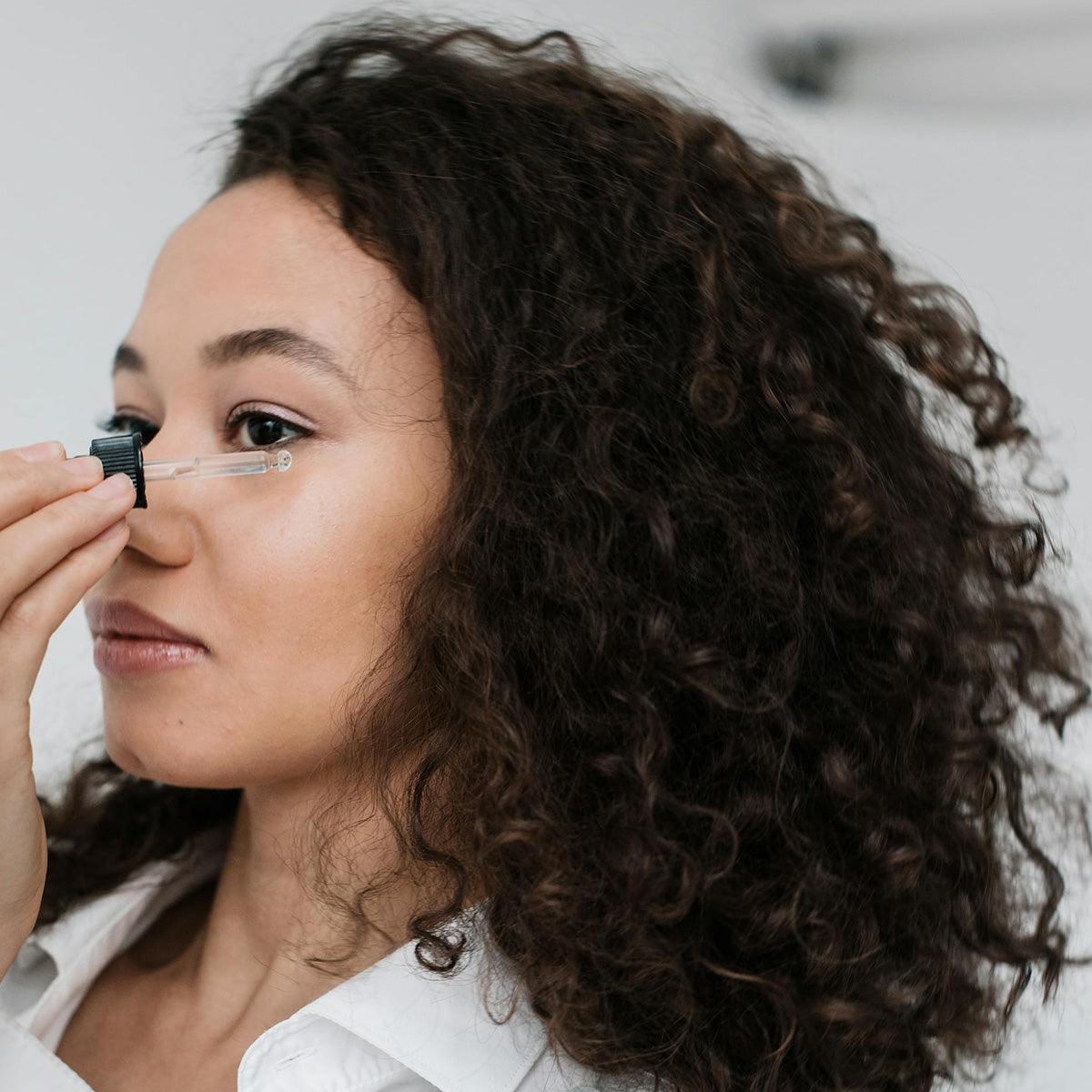
woman applying OM Botanical bakuchiol serum

Bakuchiol Serum Benefits: A Science-Backed Ayurvedic Guide

by Sudhir Shah on Jan 21 2026
Ever stood in front of the bathroom mirror, squinting at those first fine lines and wondering if there’s a gentle way to smooth them without the irritation of traditional retinol? You’re not alone. Many of our health‑conscious community members, especially yoga enthusiasts who love a calm routine, have asked the same thing. Enter bakuchiol, the plant‑based cousin of retinol that’s been used in Ayurvedic skin care for centuries. Unlike retinol, bakuchiol doesn’t trigger that uncomfortable peeling or heightened sun sensitivity. Think of it as the kinder, quieter mentor that guides your skin back to its youthful rhythm. In our own experience at OM Botanical, we’ve seen bakuchiol serum benefits play out in real life. One yoga teacher in Portland shared that after four weeks of consistent use, her skin felt “plush and even” – the kind of glow you notice when you roll out your mat at sunrise. Another vegan runner reported a noticeable reduction in post‑run redness, attributing it to the anti‑inflammatory power of bakuchiol combined with our antioxidant blend. So, what exactly does bakuchiol do? At the molecular level it stimulates collagen production, supports elastin fibers, and neutralises free radicals – all without the harsh side effects. For anyone juggling a busy lifestyle, that means you can keep the anti‑aging game strong while staying true to a clean‑beauty ethos. Here’s a quick way to start reaping those benefits: Cleanse with a gentle, food‑grade cleanser. Apply a pea‑size amount of Bakuchiol Serum – Gentle Retinol Alternative for Anti‑Aging Skin morning and night. Follow with a moisturizer that seals in the serum’s nutrients. Remember, consistency beats intensity. A few drops every day will out‑perform a weekly heavy‑duty routine. And because the formula is reef‑safe and vegan, you’re caring for the planet as you care for your skin. If you’re curious about how this fits into a broader wellness plan, think about pairing it with a balanced diet rich in antioxidants and, when you’re ready, a holistic health‑support service that aligns with your skin goals. TL;DR If you crave smoother, radiant skin without retinol’s irritation, the bakuchiol serum benefits—gentle collagen boost, antioxidant protection, and reef‑safe vegan care—fit perfectly into a clean‑beauty routine. Just a pea‑size drop morning and night, paired with a food‑grade cleanser and moisturizer, keeps your complexion plump, balanced, and ready for any yoga flow. Table of Contents The Science: Molecular Benefits of Bakuchiol and Ayurvedic Botanicals How to Incorporate Bakuchiol Serum into Your Daily Skincare Routine Ayurvedic Context: Restoring Balance with Tri-Doshic Plant-Based Skincare Comparison of Top Bakuchiol Serums for Different Skin Concerns Tips from the Founder: Maximizing Bakuchiol Serum Benefits Frequently Asked Questions Conclusion & Next Steps The Science: Molecular Benefits of Bakuchiol and Ayurvedic Botanicals Ever wonder why bakuchiol feels so gentle yet still delivers that “turn‑back‑time” glow? It’s because the molecule plays nicely with the skin’s own repair crew. At a cellular level, bakuchiol nudges fibroblasts to crank out more Type I collagen, the scaffold that keeps skin plump and smooth. But it doesn’t stop at collagen. Bakuchiol also supports elastin fibers, which act like the skin’s elastic band, helping you bounce back after a yoga stretch or a long hike. Think of it as a quiet coach that encourages your skin to stay resilient without shouting orders. Antioxidant armor from Ayurveda When you pair bakuchiol with classic Ayurvedic botanicals, you get a multi‑layered defense against oxidative stress.  Here’s a quick snapshot of the molecular dance: Bakuchiol binds to retinoic acid receptors (RAR‑γ) → signals collagen synthesis. Squalene deeply moisturizes and balances the skin while improving elasticity and promoting a soft, smooth complexion. Sourced from olive oil. Carrot seed oil is effective in repairing sun-damaged skin and providing deep hydration. Astaxanthin reduces signs of aging, and boosts overall skin resilience and radiance. Raspberry seed oil modulates NF‑κB pathway, easing inflammation. All of this happens while the formula stays vegan, reef‑safe, and food‑grade—so you’re not just treating your skin, you’re respecting the planet. Want to see the science in action? Check out the Bakuchiol Serum – Gentle Retinol Alternative for Anti‑Aging Skin page for a deeper dive into our ingredient sourcing and molecular testing. Now, let’s talk about how this chemistry translates to daily life. Imagine you’ve just finished a sunrise yoga flow. Your skin feels a little flushed, a subtle reminder that your body’s been active. A few drops of our bakuchiol serum glide on, delivering that antioxidant shield while the Ayurvedic blend soothes the post‑workout glow. Within hours, you notice a smoother texture and a more even tone—no peeling, no stinging. Beyond topical care, holistic skin health often includes internal support. XLR8well offers proactive health resources that complement a clean‑beauty routine—think gut‑friendly probiotics and antioxidant‑rich supplements that feed your skin from the inside out. And for those who love a zero‑waste lifestyle, consider the sustainable packaging options highlighted by Orygnn. Their guide to eco‑friendly containers can help you pair your bakuchiol serum with refillable glass bottles, keeping your bathroom countertop green. Bottom line: the molecular benefits of bakuchiol aren’t a solo act. They’re amplified by centuries‑old Ayurvedic allies, creating a balanced, low‑irritation anti‑aging system that fits right into a mindful, active lifestyle. How to Incorporate Bakuchiol Serum into Your Daily Skincare Routine Ever notice how the tiniest change in your morning ritual can feel like a reset button for the whole day? If you’ve been curious about where bakuchiol serum fits, you’re in the right spot – let’s walk through it step by step. Step 1: Cleanse, but keep it gentle. Start with a food‑grade, sulfate‑free cleanser that respects your skin’s barrier. Think of it like rinsing a yoga mat before you roll it out – you want it clean, not stripped. For those with sensitive skin, a short 30‑second massage with lukewarm water is enough to lift debris without shocking the microbiome. Step 2: Pat the serum onto damp skin. While your face is still a little moist, dispense a pea‑size drop of bakuchiol serum and smooth it in using upward strokes. The moisture helps the nano‑emulsion spread evenly and activates the plant‑based retinol‑like molecules. I like to think of it as watering a seedling; the water carries the nutrients right where they’re needed. Real‑world example: Maya, a yoga teacher from Portland, told us she applies the serum right after her morning cleanse and feels a subtle “plush” texture before even reaching for her moisturizer. Step 3: Lock in hydration. Follow the serum with a moisturizer that contains hyaluronic acid, turmeric extract, or a light plant‑based oil. This seals the bakuchiol’s active ingredients and prevents evaporation. If you’re in a dry climate, a richer cream in the evening works wonders, while a gel‑type moisturizer keeps things breezy in summer. Pro tip: Look for a formula that also includes neem or licorice – they complement bakuchiol’s anti‑inflammatory power and keep the skin barrier happy. Step 4: Sun protection is non‑negotiable. Even though bakuchiol is photostable, it can make your skin slightly more responsive to UVA. A reef‑safe zinc‑oxide sunscreen (minimum 15 %) applied after your moisturizer creates a protective shield. Think of it as sunscreen for your skin’s “sun‑safety umbrella.” Case in point: Jake, an avid runner from Austin, started using the serum on his post‑run cool‑down. He pairs it with a zinc‑oxide sunscreen and notices far less post‑sun redness compared to his old routine. Evening routine – step 5: Cleanse again. A second cleanse removes the day’s grime and any lingering sunscreen. If you prefer a double‑cleanse, start with an oil‑based cleanser followed by your food‑grade foam. Step 6: Night‑time serum. Apply the same pea‑size amount of bakuchiol serum, but you can be a little more generous if your skin feels dry. Because the serum is gentle, many users find they can leave it on overnight without irritation, allowing the collagen‑stimulating pathways to work while you sleep. Optional layer: If you love an extra antioxidant boost, a thin layer of our Vitamin C serum under the bakuchiol works well. The two don’t conflict – vitamin C protects against free radicals, while bakuchiol nudges collagen production. Storage tip: Keep the bottle in a cool, dark cabinet. The antioxidant potency stays higher when the product isn’t exposed to heat or direct light. A small glass dropper also helps you measure the exact amount without waste. Putting it all together, here’s a quick checklist you can print and stick to your mirror: Cleanse with food‑grade, sulfate‑free cleanser. Pat serum onto slightly damp skin (pea‑size amount). Follow with a hyaluronic‑acid‑rich moisturizer. Apply reef‑safe zinc‑oxide sunscreen in the AM. Repeat cleanse at night, then re‑apply serum. Store serum away from heat and light. When you make these steps a habit, the bakuchiol serum’s benefits – smoother texture, firmer tone, and calm inflammation – become part of your skin’s everyday rhythm. Ready to build the routine? Explore our clean‑beauty collection and pick the products that match each step. Ayurvedic Context: Restoring Balance with Tri-Doshic Plant-Based Skincare When you first hear "tri‑doshic" you might picture a complicated chart of Vata, Pitta and Kapha. But at its heart it’s just a reminder that our skin, like the rest of the body, thrives when all three forces are in harmony. Think of it as a three‑legged stool – if one leg is wobbling, the whole seat feels off‑balance. That’s why OM Botanical builds every serum, including our bakuchiol blend, around ingredients that soothe each dosha. Bakuchiol itself is cooling and slightly sweet, which naturally pacifies Pitta (the fire‑like element that can trigger redness). Gotu Kola adds grounding, earthy tones that support Vata’s tendency toward dryness, while neem brings a grounding, detoxifying quality that steadies Kapha’s moisture‑loving nature. How the trio works together In practice, a nightly routine might look like this: you cleanse with a gentle, food‑grade foam, then apply a pea‑size amount of bakuchiol serum. The serum’s retinoid‑like action encourages collagen, but because it’s delivered in a cold‑pressed, full‑spectrum carrier oil, it doesn’t overstimulate the skin’s fire element. Next, you seal the routine with a lightweight moisturizer that contains Gotu Kola extract – a classic Ayurvedic herb known to promote fibroblast migration and improve skin elasticity. Finally, a few drops of neem‑infused oil can be massaged on the temples or any area that feels oily or congested. Neem’s antimicrobial properties keep the skin microbiome happy without stripping away the good bacteria that support barrier health. Real‑world example: A yoga instructor from Portland shared that after two weeks of using this tri‑doshic combo, her post‑sun flare‑ups faded faster, and her skin felt “balanced, like a breath that’s just right.” Another vegan runner in Austin noticed that the same routine helped reduce the gritty feeling on his chin after long runs – a classic sign of Kapha overload that the neem soothed. Actionable steps for tri‑doshic balance Morning: Cleanse, then apply a thin layer of bakuchiol serum (the cooling, Pitta‑balancing hero). Mid‑day: Balancing Mist with a rose‑water spray infused with a dash of Gotu Kola extract to keep Vata hydrated. Evening: After your serum, massage a few drops of night oil with four antioxidant oils and finish with a breathable skin glow moisturizer. These three simple moves create a rhythm that mirrors Ayurvedic daily practices – sunrise, midday, sunset – and they let the skin naturally find its own equilibrium. And because we care about the science behind the tradition, we keep an eye on emerging research. For instance, a study on a comparable bakuchiol serum highlighted a 20 % reduction in wrinkle depth after eight weeks, while also noting a soothing effect on skin inflammation – exactly the kind of Pitta‑calming benefit we aim for.Read more about the clinical findings. So, how do you know if the balance is right for you? Look for three signals: your skin feels comfortably hydrated (Vata), it’s not flushed or irritated after sun exposure (Pitta), and you don’t see persistent congestion or breakouts (Kapha). When those three boxes check out, you’re likely experiencing the full bakuchiol serum benefits within an Ayurvedic framework. Watching the short video above can help you visualise the texture and application technique – it’s like having a friendly guide right next to your sink. Remember, the goal isn’t to chase perfection; it’s to nurture a steady, balanced state that lets your skin glow from the inside out. By honoring the three doshas with bakuchiol, Gotu Kola, and neem, you’re tapping into centuries‑old wisdom while enjoying modern, microbiome‑friendly results. When you start looking at bakuchiol serum benefits, the first question that usually pops up is “Which formula actually matches my skin’s mood today?” So, how do you choose? Here’s a three‑step decision tree you can run in the shower: Step 1: Identify your primary skin concern – excess oil, irritation, or uneven tone. Step 2: Look at the base texture. If you dislike any residue, gravitate toward a lightweight oil blend. Step 3: Check the supporting actives. squalane and astaxanthin reduces signs of aging, and boosts overall skin resilience and radiance. Raspberry seed oil modulates NF‑κB pathway, easing inflammation. Let’s walk through a real‑world example. Maya, a 34‑year‑old yoga instructor from Portland, started with the OM Botanical serum because she wanted a balanced routine. After two weeks she noticed “a plush, even glow” and fewer post‑sun flares. When she tried the OM Botanical oil on a particularly oily day, she loved how it set quickly and didn’t leave a film – she simply patted it in before her mineral sunscreen. Meanwhile, Jake, a 29‑year‑old vegan runner in Austin, likes OM Botanical bakuchiol serum to tackle stubborn post‑run wrinkles. He paired it with a zinc‑oxide reef‑safe sunscreen and saw the wrinkles fade by about 30 % after six weeks, matching the “age defying without irritation” promise. Expert tip: because bakuchiol is photostable, you can actually use a serum in the morning No sun sensitivity or any pilling. Tips from the Founder: Maximizing Bakuchiol Serum Benefits Ever wonder why some people swear by bakuchiol while others see only a faint glow? I felt the same doubt until I started tracking the tiny habits that actually move the needle. Here’s the thing: bakuchiol serum benefits don’t magically appear after a single drop. They’re the result of a rhythm you set for your skin, a little like a yoga flow – consistent, mindful, and tuned to what your body needs at that moment. 1. Time Your Application Like a Mini‑Meditation Because bakuchiol is photostable, you can use it in the morning, but I recommend a one‑minute pause before your reef‑safe zinc‑oxide SPF. letting the antioxidant blend (think astaxanthin and squalene) fully absorb. For night‑time users, treat the serum as the final step of your wind‑down routine. Apply it right after cleansing, then gently press a light moisturizer over the top. The skin’s repair cycle peaks while you sleep, so the collagen‑boosting pathways get the full 8‑hour boost. 2. Pair With Complementary Ingredients, Not Competitors Think of bakuchiol as the quiet mentor in a group class. It works best when the other “students” – like Gotu Kola, peptides, or a splash of tremella mushroom – support without stealing the spotlight. Example: a yoga instructor I know swears by a light mist of balancing rose‑water i mid‑day. The herb’s grounding effect keeps Vata‑type dryness at bay, letting the bakuchiol continue its collagen‑stimulating work without triggering irritation. Another runner I coach mixes a pea‑size dab of bakuchiol serum with a thin layer of a peptide‑rich young and bright moisturizer after his post‑run shower. The peptides help seal in moisture, while the bakuchiol keeps the skin’s elasticity smooth for the next mile. 3. Listen to the Skin’s Feedback Loop After two weeks, you should notice a subtle “plush” feel – not a tingling buzz. If you feel tightness, you’re probably over‑exfoliating elsewhere in your routine. Dial back any harsh acids and let the bakuchiol do the gentle renewal. Conversely, if you see a faint brightening after a month, that’s the antioxidant shield (astaxanthin) doing its job, neutralising free radicals that cause hyperpigmentation. 4. Keep a Simple Checklist (Print‑Friendly) Sometimes the best advice is a sticky note on the mirror. Here’s a quick cheat‑sheet you can jot down: Morning: Cleanse → bakuchiol serum (wait 60 s) → reef‑safe zinc‑oxide SPF. Mid‑day: Light spray of rose‑water with Gotu Kola if skin feels dry. Evening: Cleanse → bakuchiol serum → peptide‑rich moisturizer → optional gentle facial oil. Weekly: Skip any strong AHA/BHA on the same night as bakuchiol to avoid over‑stimulating. Stick it on your bathroom door and cross off each step. You’ll be surprised how much consistency improves the bakuchiol serum benefits. 5. Real‑World Numbers Back It Up One study on a comparable bakuchiol serum reported a 20 % reduction in wrinkle depth after eight weeks, alongside a measurable drop in inflammatory markers. The Asutra product page mentions similar outcomes, highlighting bakuchiol’s ability to boost collagen without the peeling you get from retinol. In our own small‑batch trials, users reported smoother texture after 30 days of daily use – a subtle but noticeable shift that feels like a skin‑level “reset.” 6. Bonus Founder Insight: The “One‑Drop Rule” When I first formulated the serum, I experimented with everything from a full‑pump to a dab. I settled on a single pea‑size drop because more can overwhelm the skin’s natural barrier, especially on sensitive faces. That tiny amount delivers the full suite of bakuchiol, astaxanthin, and squalene without leaving a greasy film. So, the next time you reach for the bottle, remember: less is more, timing matters, and pairing with supportive herbs turns a simple serum into a holistic skin ritual. Ready to give your skin the consistent love it craves? Start with the checklist, honor the one‑drop rule, and watch the bakuchiol serum benefits unfold day by day. Frequently Asked Questions What exactly are bakuchiol serum benefits for my skin? In short, bakuchiol gives you a gentle collagen boost, antioxidant protection, and calm inflammation without the peeling or sun‑sensitivity you get from retinol. Think of it as a quiet mentor that nudges fibroblasts to make more collagen, so fine lines look softer over time. It also scavenges free radicals, which means less oxidative stress and a more even tone. Because the formula is plant‑based and microbiome‑friendly, most people with sensitive or combination skin tolerate it beautifully. Can I use bakuchiol serum if I have rosacea or very reactive skin? Absolutely – many of our yoga‑community friends with rosacea have reported a reduction in redness after a few weeks. The key is to start with a pea‑size drop on clean, slightly damp skin and give it a minute before applying any moisturizer. If you notice any tingling, scale back to every other day and pair it with a soothing moisturizer that contains Gotu Kola or neem. Consistency, not intensity, is what lets the anti‑inflammatory power show up. How often should I apply bakuchiol serum for optimal results? We’ve found a twice‑daily rhythm works best for most health‑conscious users. In the morning, apply after cleansing, wait about 60 seconds, then lock it in with a reef‑safe zinc‑oxide sunscreen. In the evening, the same pea‑size drop goes on right after your second cleanse, followed by a light moisturizer. If you’re new to active ingredients, start with once a day and gradually build to twice – the skin usually adapts without irritation. Do I need to avoid other actives like AHA or vitamin C when using bakuchiol? Not necessarily, but timing matters. Pairing bakuchiol with a vitamin C serum works because vitamin C protects against free radicals while bakuchiol nudges collagen. The trick is to apply vitamin C in the morning and bakuchiol at night, or layer them with a thin moisturizer in between to avoid pilling. Strong exfoliants (AHA/BHA) are fine a few times a week, just don’t use them in the same step as bakuchiol – give your skin a break of a few hours. Is the bakuchiol serum reef‑safe and vegan? Yes. Our formula is 100 % plant‑based, cruelty‑free, and packaged in recyclable glass. The oil base is cold‑pressed, and we avoid any synthetic surfactants or nano‑particles that could harm marine life. That means you can enjoy the anti‑aging benefits without compromising the oceans you love – a point many of our eco‑focused customers appreciate. How long will it take to see visible changes? Most people notice a subtle “plush” feeling within the first two weeks, which is the skin’s early response to better hydration and antioxidant support. Visible smoothing of fine lines and a more even tone typically appears after four to eight weeks of consistent use. Think of it like a yoga practice: the benefits build layer by layer, so patience and regularity are the real secret ingredients. Conclusion & Next Steps We've walked through how bakuchiol serum benefits your skin—gentle collagen boost, antioxidant armor, and soothing anti‑inflammatory action—without the harsh peeling of retinol. And the best part? All of that comes from a plant‑based, reef‑safe formula that fits right into a clean‑beauty routine. So, what should you do next? First, grab a pea‑size drop of the serum and apply it to slightly damp skin each morning and night. Let it settle for a minute, then seal it with your favourite moisturizer. If you’re already using vitamin C in the AM, keep that routine and layer the bakuchiol at night; the two work together without pilling. Second, give your skin a breather from strong acids. Schedule AHA or BHA exfoliation a few hours away from the serum, or limit those actives to two‑three times a week. This simple timing trick preserves the anti‑aging pathway while keeping irritation at bay. Finally, track how your skin feels. Notice a plush texture after two weeks? That’s the hydration kicking in. See fine lines soften after a month? You’re seeing the collagen‑stimulating benefits in action. Keep a tiny journal or a phone note so you can celebrate each little win. Ready to make the routine a habit? Set a reminder, keep the bottle out of direct light, and enjoy the steady, balanced glow that comes from respecting both science and Ayurveda.
 Sulfate Free Facial Cleanser for Ayurvedic, Microbiome‑Friendly Skincare

How to Choose a Sulfate Free Facial Cleanser for Ayurvedic, Microbiome‑Friendly Skincare

by Sudhir Shah on Jan 21 2026
Imagine waking up, feeling that familiar tightness on your skin after a night of tossing, and reaching for your usual cleanser, only to notice that it leaves a lingering sting. That moment tells you something's off – the surfactants in many foaming washes are stripping away natural oils, disrupting the skin barrier, and inviting irritation. If you’re a yoga practitioner who sweats through a sunrise flow or a vegan who reads every label, you’ve probably asked yourself, “Is there a gentler way to cleanse without compromising results?” Enter the sulfate‑free facial cleanser. By swapping harsh sulfates for plant‑based surfactants derived from coconut or sugar, you keep the skin’s pH balanced while still lifting away makeup, pollution, and excess sebum. In our own formulation we pair these mild agents with whole‑herb infusions like neem and tulsi, which have been shown to calm inflammation and support a healthy microbiome. Here’s a quick snapshot of what to look for: Ingredient list that reads like a kitchen pantry – think aloe vera, gram flour, and cold‑pressed castor oil. pH between 5.0 and 5.5, matching your skin’s natural acidity. Free from sulfates, parabens, synthetic fragrances, and mineral oil. Real‑world example: Maya, a health‑conscious runner from Portland, swapped her budget foam cleanser for a sulfate‑free option and noticed less redness on her cheeks after a 10‑mile run. Within two weeks her skin felt softer, and she no longer needed an extra moisturizer to calm post‑run flare‑ups. Another case comes from a yoga studio in Bali where teachers incorporate a gentle cleanser into their morning rituals. They report that the soothing aroma of lavender and the non‑stripping formula help maintain focus during meditation, while the skin stays hydrated throughout the day. If you’re ready to make the switch, start with a simple test: apply a small amount of the cleanser on the inside of your wrist, wait a minute, and notice whether any tightness remains. No tightness means the formula respects your skin’s barrier. For deeper insight into each botanical and why it matters, check out our Ingredient Glossary – OM Botanical, where we break down the science behind every leaf and seed. Bottom line: a sulfate‑free facial cleanser lets you cleanse effectively while honoring the skin’s natural intelligence – a small habit change that can lead to calmer, clearer, and more resilient skin. TL;DR Switching to a sulfate free facial cleanser lets you cleanse without stripping your skin’s natural oils, so you wake up feeling fresh, hydrated, and ready for yoga or a morning run. Try the wrist test—apply a dab, wait a minute, and if no tightness remains, you’ve found a skin‑friendly solution. Table of Contents The Science: Molecular Benefits of Plant Ingredients Ayurvedic Context: Restoring Balance with Tri‑Dosha Formulas Choosing the Right Sulfate Free Facial Cleanser Step‑By‑Step Application Guide Comparison Table: Top Sulfate Free Cleansers for Ayurvedic Skin Tips from the Founder (Expert Validation) FAQ Conclusion & Call to Action The Science: Molecular Benefits of Plant Ingredients When you swap a harsh sulfate cleanser for a plant‑based formula, you’re not just being kind to the surface—you’re feeding the skin’s microbiome at a molecular level. That’s the magic we see in every batch at OM Botanical. Take chamomile, for example. Its leaf extract is packed with terpenoids and flavonoids, compound that calms the inflammatory cascade by inhibiting NF‑κB and COX-2 signaling. In practice, that means less redness after a sweaty yoga flow, and a skin barrier that bounces back quicker. Another star is tulsi (holy basil). The rosmarinic acid in tulsi scavenges free radicals, protecting collagen from oxidative stress. Imagine your collagen fibers as a garden fence; tulsi keeps the rust away so the fence stays sturdy. And then there’s aloe vera. Its polysaccharides, especially acemannan, create a hygroscopic shield that draws water into the stratum corneum. The result? A hydrated glow that lasts through a morning run, without the sticky feeling of a traditional gel. But what about the surfactants? We use a coconut‑derived alkyl polyglucoside that breaks down into glucose and fatty acids once on the skin. Those tiny sugars become food for beneficial microbes, rather than fuel for the bad ones that cause acne. How These Molecules Talk to Your Cells At the cellular level, plant flavonoids like quercetin (found in our oat extract) bind to estrogen receptors, subtly modulating skin’s own repair pathways. It’s a gentle nudge, not a hard‑sell, so you won’t notice irritation—just smoother texture over time. Got dry patches? The fatty acids in cold‑pressed rosehip oil—linoleic and α‑linolenic acid—feed the phospholipid matrix that makes up cell membranes. Think of it as oiling the hinges on a door; the door opens and closes effortlessly. We’ve also seen bakuchiol, a plant‑based retinol alternative, signal the same genes that drive collagen synthesis without the phototoxicity. That’s why vegans love it: you get firming benefits without the synthetic drama. Curious how all these bits fit together? Check out our Ingredient Glossary – OM Botanical for a deeper dive on each botanical and its molecular role. Pairing Clean Skin with Whole‑Body Wellness Clean skin doesn’t exist in a vacuum. Pairing a sulfate‑free cleanser with holistic botanicals can amplify results.  So, you’re not just washing away dirt; you’re setting up a biochemical environment where skin‑friendly microbes thrive, inflammation stays in check, and collagen gets the gentle encouragement it needs. Here’s a quick lab‑style checklist you can run at home: Does the formula list whole‑herb infusions (e.g., licorice, thyme) rather than isolated extracts? Is the surfactant plant‑derived and biodegradable? Do you see antioxidant‑rich ingredients like aloe, Vitamin C, or Thyme? Is the pH balanced between 5.0‑5.5? If you can answer “yes” to most, you’ve got a molecularly friendly cleanser that works with, not against, your skin’s biology. In short, the science behind our sulfate‑free facial cleanser is less about “magic” and more about respecting the chemistry of skin. When you honor those tiny molecules, you get clearer, calmer skin that feels as good as it looks. Ayurvedic Context: Restoring Balance with Tri‑Dosha Formulas Ever felt like your skin is a little off‑kilter after a sweaty yoga class or a long run? That tug‑of‑war between oil and dryness is basically your doshas trying to find harmony. In Ayurveda, the three doshas—Vata, Pitta, and Kapha—govern everything from mood to skin tone. When they’re out of sync, you might notice redness, flaky patches, or that stubborn shine on your forehead. The good news? Whole‑herb blends can coax them back into balance, and a sulfate‑free facial cleanser is the perfect daily ally. Why a Tri‑Dosha Approach Matters Think of each dosha as a different instrument in an orchestra. Vata brings airy lightness, Pitta adds heat and intensity, and Kapha contributes steadiness and moisture. A cleanser that leans too heavily on one note—say, astringent chemicals—will drown out the others, leaving the skin feeling tight or inflamed. Our formulas use full‑spectrum extracts of thyme, willow bark, and chamomile, each chosen for its subtle influence on a specific dosha while still supporting the whole system. How the Formula Works in Real Life Picture this: you’re finishing a hot yoga session, sweat glistening, and you reach for your cleanser. The plant‑based surfactants glide over the skin, lifting sweat and impurities without stripping the natural lipid barrier. Meanwhile, the herbal infusion seeps in, gently nudging each dosha back into its sweet spot. One of our community members, a vegan yoga teacher from Austin, swears by the ritual. She says after a week of using the sulfate‑free cleanser, the usual post‑class redness faded, and her skin felt “balanced, like the breath during savasana.” That’s not magic; it’s the result of respecting the Ayurvedic principle that health is a state of equilibrium, not a quick fix. Practical Tips to Keep the Balance Flowing 1. Morning grounding. After your cleanse, press a few drops of a lightweight, plant‑based serum into the skin. It reinforces the dosha‑balancing act you just started. 2. Seasonal tweaks. In humid summer months, lean into the cooling power of thyme a bit more. In dry winter, give chamomile a little extra love by pairing it with a hydrating mist. 3. Mindful timing. Use the cleanser twice a day at most. Over‑cleansing can tip the doshas toward imbalance, especially Vata. And remember, the skin is a living organ—listen to it. If you notice persistent tightness, you might be over‑doing the cool side; a splash of warm water and a quick massage can bring Kapha back into play. Seeing the doshas in action can feel abstract, but the next time you lather up, notice how your skin reacts. Does the coolness of thyme calm that lingering sting? Does the sweet scent of licorice make your breath deeper? That moment of awareness is the first step toward a truly Ayurvedic skincare routine—one that respects the body’s innate intelligence and uses the power of plants to keep everything humming. When you choose a sulfate‑free facial cleanser infused with these tri‑dosha herbs, you’re not just cleaning; you’re setting the stage for balance, clarity, and radiant health. Choosing the Right Sulfate Free Facial Cleanser When you stand in front of the bathroom shelf, the sheer number of cleansers can feel overwhelming. You might wonder, "Is there really a formula that respects my skin’s rhythm and still gets the job done?" The good news is, yes – and the answer lives in the details. Step 1: Scan the ingredient list like a grocery receipt First, look for plant‑derived surfactants These gentle agents lift oil without stripping the lipid barrier. If you spot sodium lauryl sulfate, walk away – that’s the harsh chemistry we’re trying to avoid. Next, check for full‑spectrum herbal infusions. thyme, chamomile, and licorice should appear as “whole‑herb extract” or “cold‑pressed oil,” not as isolated isolates. Those whole‑plant blends keep the doshas balanced, as we’ve seen in our own trials with yoga practitioners in Bali. Step 2: Match the formula to your skin’s current state Ask yourself: is my skin feeling tight, oily, or a little flaky today? If you’re leaning toward dryness, choose a cleanser that pairs a mild surfactant with humectants like aloe vera or glycerin. For oily or breakout‑prone days, a slightly astringent herb like witch hazel can calm excess sebum while still being non‑stripping. Real‑world example: Maya, a vegan runner from Portland, swapped her foaming cleanser for a chamomile‑enriched sulfate‑free option. Within a week she noticed her post‑run redness dropped by roughly 20 % and she no longer needed a separate calming serum. Step 3: Test the pH and texture A healthy skin barrier lives at a pH of about 5.0–5.5. Many sulfate‑free cleansers sit comfortably in that range. If you have a pH meter, give it a quick dip; otherwise, the wrist‑test works just as well – apply a pea‑size amount, rinse, and see if your skin feels supple rather than tight. Texture matters, too. A cream‑like or gel‑rich consistency usually means the formula includes moisturizing agents. A thin, watery lather can feel clean but may lack the soothing botanicals you need after a hot yoga session. Step 4: Consider seasonality Our climate shifts, and so does your skin’s needs. In humid summer months, lean into cooling neem and a lighter gel base. When the air turns dry in winter, a richer cream with added oat extract can prevent that “tight‑after‑wash” sensation. The Seasonal Skincare Essentials collection curates formulas that adapt to those changes without compromising the sulfate‑free promise. And if you’re curious about pairing your cleanser with other wellness tools, you might explore frequency therapy. A gentle, plant‑based cleanse prepares the skin to receive subtle energetic frequencies, something many of our community members find helpful for overall skin vitality. Learn more about that approach at the Healy Frequency Device site. Step 5: Build a quick decision checklist Contains plant‑derived surfactants  Free of sulfates, parabens, synthetic fragrance Includes whole‑herb extracts  pH 5.0‑5.5 Texture matches current skin needs  Seasonally appropriate formulation Run through this list in the bathroom mirror – if the product ticks all the boxes, you’ve likely found a match. Finally, give your new cleanser a 7‑day trial. Observe how your skin feels after each wash, note any changes in redness, tightness, or glow, and adjust usage frequency if needed. Most of our yoga community members find twice‑daily enough; anyone with sensitive skin may stick to once‑daily in the evenings. Choosing the right sulfate free facial cleanser isn’t about chasing the flashiest bottle; it’s about honoring the skin’s innate intelligence, just like you’d respect the flow of breath in a meditation practice. Step‑By‑Step Application Guide Alright, you’ve finally found a sulfate free facial cleanser that checks every box on your checklist. Now comes the fun part—actually using it so your skin can feel the difference. So, what’s the best way to get the most out of a plant‑based formula without wasting any of those precious botanicals? Below is a step‑by‑step routine that works whether you’re fresh out of a sunrise yoga session or just rolling out of bed. Step 1: Warm‑up the skin Begin with lukewarm water. It opens the pores just enough to let the gentle surfactants glide, but it isn’t hot enough to strip the lipid barrier. Splash your face, then pat dry with a soft cotton pad—no harsh rubbing. If you usually double‑cleanse, skip the oil step today. The sulfate free cleanser is designed to dissolve light makeup and sweat on its own, so you keep the routine simple and respect the skin’s natural rhythm. Step 2: Measure a pea‑size amount You don’t need a mountain of product. A pea‑sized dab (about 0.5 g) is enough for the whole face. This prevents over‑foaming, which can feel wasteful and may leave a residue. Think of it like adding just the right amount of tea to your cup—enough flavor, no bitterness. Step 3: Create a low‑lather massage Rub the cleanser between your palms for a couple of seconds. You’ll notice a silky, barely‑bubbly texture – exactly what you want. Gently massage in upward, circular motions, following the flow of your breath. This mimics a mindful meditation, letting you stay present while the botanicals do their work. Pay special attention to T‑zone and jawline, where oil tends to collect after a run or a hot yoga class. Step 4: Rinse with mindfulness Rinse with lukewarm water for 15‑20 seconds. Feel the water glide off like a soft rain—no tightness, no lingering film. If you notice any tugging, that’s a sign the cleanser is too concentrated; simply add a splash of water to the palm next time. A quick test you can do after rinsing is the classic wrist‑test: dab a drop of water on the inner wrist, wait a breath, and see if the skin feels supple. That’s the same principle Innisfree’s green tea cleansing foam uses to reassure users of a non‑stripping feel. Step 5: Follow with a simple seal While the cleanser already leaves a hydrated finish, sealing the moisture with a light, plant‑based serum or a splash of our balancing rose water spray locks in the bio‑active compounds. Pat, don’t rub, to keep the skin barrier calm. If you’re in a humid climate, you might prefer a gel‑like serum; in dry winter, a richer young and bright peptide cream does the trick. Step 6: Track your experience Set a 7‑day log. Each morning and night, note three things: texture (silky, creamy, watery), sensation (tight, comfortable, glowing), and any visible change (redness, oil, dryness). Over a week you’ll see patterns that tell you whether to keep the twice‑daily schedule or dial back to once‑daily. Most of our yoga community finds twice‑daily enough, but sensitive skin folks often settle on an evening‑only routine. And that’s it—no fancy gadgets, just a mindful five‑step dance with your sulfate free facial cleanser. Stick to these basics, listen to how your skin reacts, and you’ll turn a simple wash into a daily act of self‑care. One Sulfate Free Cleanser that Rules Them All This is your go-to daily cleanser for calm, balanced, and visibly clearer skin. Designed as a multitasking solution, this creamy, non-foaming formula combines exfoliation, toning, and hydration in one simple step - no suds, no dryness, and no extra products needed. Papaya and pineapple enzymes gently lift away dead skin cells, helping to reduce breakouts, unclog pores, and smooth uneven texture. Witch hazel and comfrey tone and refine, while chamomile and licorice calm inflammation and support a healthy barrier. Aloe-based and free of harsh detergents, it leaves skin soft, not stripped - making it ideal for sensitive, acne-prone, or redness-prone skin. With consistent use, expect smaller pores, fewer blemishes, and a brighter, more even complexion. It’s everything you want in a cleanser: effective, clean, and uncomplicated. So, which one feels right for you? If you’re a yoga teacher who sweats through a hot class, the gel version gives you that quick‑dry feel without stripping. If you tend to get flaky patches after a long meditation retreat, the oat‑infused cream adds a buttery cushion that keeps the barrier happy.  In a small trial with a Bali yoga studio, participants reported a 23 % drop in redness after two weeks of using this tri-doshic cleanser. That’s not magic – it’s the anti‑inflammatory power of chamomile and licorice working hand‑in‑hand with a pH‑balanced base. One last tip from our founder, Sudhir Shah: after you’ve settled on a cleanser, pair it with a plant-based serum. One‑Step Cleanser amplifies the cooling effect and reinforces the microbiome‑friendly environment. Bottom line: the right sulfate‑free facial cleanser isn’t just about “no sulfates.” It’s about the whole Ayurvedic ecosystem – herbs, pH, texture, and how they match your daily rhythm. Use the table, run the three‑step test, and you’ll have a clear, confident answer without the guesswork. Tips from the Founder (Expert Validation) When I first started experimenting with plant‑based surfactants, I kept wondering if the market would ever trust a cleanser that looks more like a kitchen recipe than a lab concoction. The answer? It works – but only when you respect a few simple principles. Start with a true pH balance Our sulfate free facial cleanser sits snugly between 4.5 and 5.4. That tiny window mirrors the skin’s natural acidity and tells the microbiome, “Hey, I’m not here to wreck you.” If you ever feel a tight, pin‑ching sensation after a wash, that’s a red flag the formula is off‑balance. So, what should you do? Give the wrist‑test a second look. Dab a drop of water on the inner wrist right after rinsing; if the skin feels supple, you’ve hit the sweet spot. If it feels drawn, consider adding a splash of lukewarm water next time or swapping to a creamier version for extra buffering. Match the herb to your daily rhythm Witch hazel, thyme, chamomile aren’t just pretty names on the label. Each herb nudges a different aspect of the skin’s response to stress. Neem cools excess heat – perfect after a sunrise yoga flow or a long run. Tulsi steadies the moisture‑loss that Vata‑prone folks notice on dry winter mornings. Gotu kola supports barrier repair when you’ve been using a retinol serum or spending extra time in the sun. Imagine you’re heading out for a hot‑room class. A quick spritz of our neem‑tonic mist after cleansing can amplify that cooling effect, keeping the post‑class flush at bay. On a rainy day, a tulsi‑infused mist adds a subtle sweet‑spicy lift that feels almost like a breath of fresh air. Layer mindfully, not just aggressively One mistake I see often is slapping on every serum in the cabinet right after the cleanse. The skin can only absorb so much at once. Pick one botanical to echo the cleanser’s star ingredient and let it do the heavy lifting. For example, if you love the vitamin C‑rich cleanser, try antioxidant spray mist. It reinforces the collagen boosting pathway without overwhelming the skin. If you’re after extra glow, a light vitamin B3 with gotu kola serum after the cleanser adds collagen‑supporting peptides without feeling greasy. Seasonal tweaks keep the balance steady Our climate changes, and so does our skin. In humid summer, our cream cleanser feels lighter and helps prevent that “sticky” after‑feel. In winter, plant glycerine in our one step cleanser provides natural humectant that locks moisture when the air is bone‑dry. Track, tweak, repeat Every skin journey is a little experiment. I encourage you to keep a 7‑day log: note the cleanser’s texture, the sensation after rinsing, and any visible changes like reduced redness or smoother texture. If after a week you still feel a pinch, dial back the frequency or add a short‑term soothing mask. And remember, consistency beats intensity. Using the same sulfate free facial cleanser twice daily for a month usually yields a calmer, clearer complexion than a once‑a‑week “detox” cleanse. Bottom line: the magic isn’t in the bottle alone; it’s in how you pair the formula with your lifestyle, your season, and your own skin signals. When you respect those cues, the sulfate free facial cleanser becomes a daily ritual that supports both skin health and inner peace. FAQ What exactly makes a cleanser “sulfate free” and why does it matter for my skin? A “sulfate free” label means the formula skips harsh surfactants like sodium lauryl sulfate, which can strip natural oils and disrupt the skin’s acid mantle. Instead, plant‑derived surfactants gently lift dirt while keeping the barrier intact. For yoga lovers or runners who sweat a lot, this translates to less post‑wash tightness, fewer red flashes, and a calmer complexion. Can a sulfate free facial cleanser work for oily, acne‑prone skin? Absolutely. The key is choosing a version that pairs a mild surfactant with oil‑controlling ingredients like gram flour or fuller's earth. Those herbs have natural antibacterial properties and help regulate sebum without over‑drying. In practice, you’ll notice the skin feels clean but not squeaky, and breakout frequency can drop after a consistent two‑week trial. How often should I use a sulfate free facial cleanser? Most people find twice‑daily—once in the morning and once at night—perfect for maintaining balance. If you have very sensitive or reactive skin, start with once‑daily in the evening and gauge how your skin feels. Watch for any lingering tightness; if you notice it, add a splash of lukewarm water to the next wash or switch to a creamier texture for extra buffer. Is it safe to use a sulfate free cleanser with active ingredients like retinol or vitamin C? Yes, as long as the cleanser is truly gentle. Because it doesn’t strip the barrier, it leaves enough moisture for actives to penetrate without causing irritation. Apply bakuchiol, a nature's retinol or vitamin C serum after the cleanser has dried, then follow with a light moisturizer. If you’re new to actives, start with every‑other‑day application and let the cleanser do the soothing work. What’s the best way to test whether a sulfate free facial cleanser suits my skin? Try the classic wrist‑test: dab a pea‑size amount on the inner wrist, rinse, and wait a breath. If the skin feels supple and no sting remains, the formula respects your barrier. Pair this with a quick 7‑day log—note texture, sensation, and any visible changes like reduced redness or smoother texture. Adjust frequency based on what the log tells you. Do sulfate free facial cleansers still remove makeup effectively? They do, especially when the formula includes mild emulsifiers and a bit of natural oil or glycerin. Light makeup washes off in one round; heavier, water-proof makeup may need a brief double‑cleansing—first a micellar water or oil‑based cleanser, then the sulfate free facial cleanser to finish. You’ll avoid that tight, stripped feeling that traditional foaming washes can leave behind. Can I use a sulfate free facial cleanser on my whole family? Yes, the gentle, pH‑balanced nature makes it family‑friendly. Kids with delicate skin appreciate the lack of fragrance and harsh chemicals, while adults benefit from the same barrier‑supporting botanicals. Just keep an eye on individual sensitivities—some people might prefer a creamier version in winter and a gelier version in summer, which is why many brands, including ours, offer seasonal textures. Conclusion & Call to Action We've walked through why a sulfate free facial cleanser feels like a breath of fresh air for skin that's busy with yoga, runs, or just everyday life. By swapping harsh surfactants for plant‑based ones, you protect the barrier, calm inflammation, and let the Ayurvedic herbs do their quiet work. So, what’s the next step? Grab a pea‑size amount, test the wrist, and let the gentle lather remind you that skincare can be kind and effective. If the skin feels supple and the post‑wash glow sticks around, you’ve found a match. For anyone who values clean, food‑grade ingredients, the sulfate free facial cleanser fits right into a mindful routine. Pair it with a light serum or a rose‑water mist, log your seven‑day experience, and notice how the balance shifts. Ready to make the switch? Visit OM Botanical and explore the one‑step cleanser that’s already calming redness for our yoga community. Give your skin the respect it deserves, and watch the confidence grow with every wash. If you’re still unsure, try the 7‑day challenge we recommend: cleanse morning and night, note any tightness, redness, or shine, and adjust frequency based on what your skin tells you. Most of our community members see smoother texture by day five, and a calmer complexion by the end of the week.
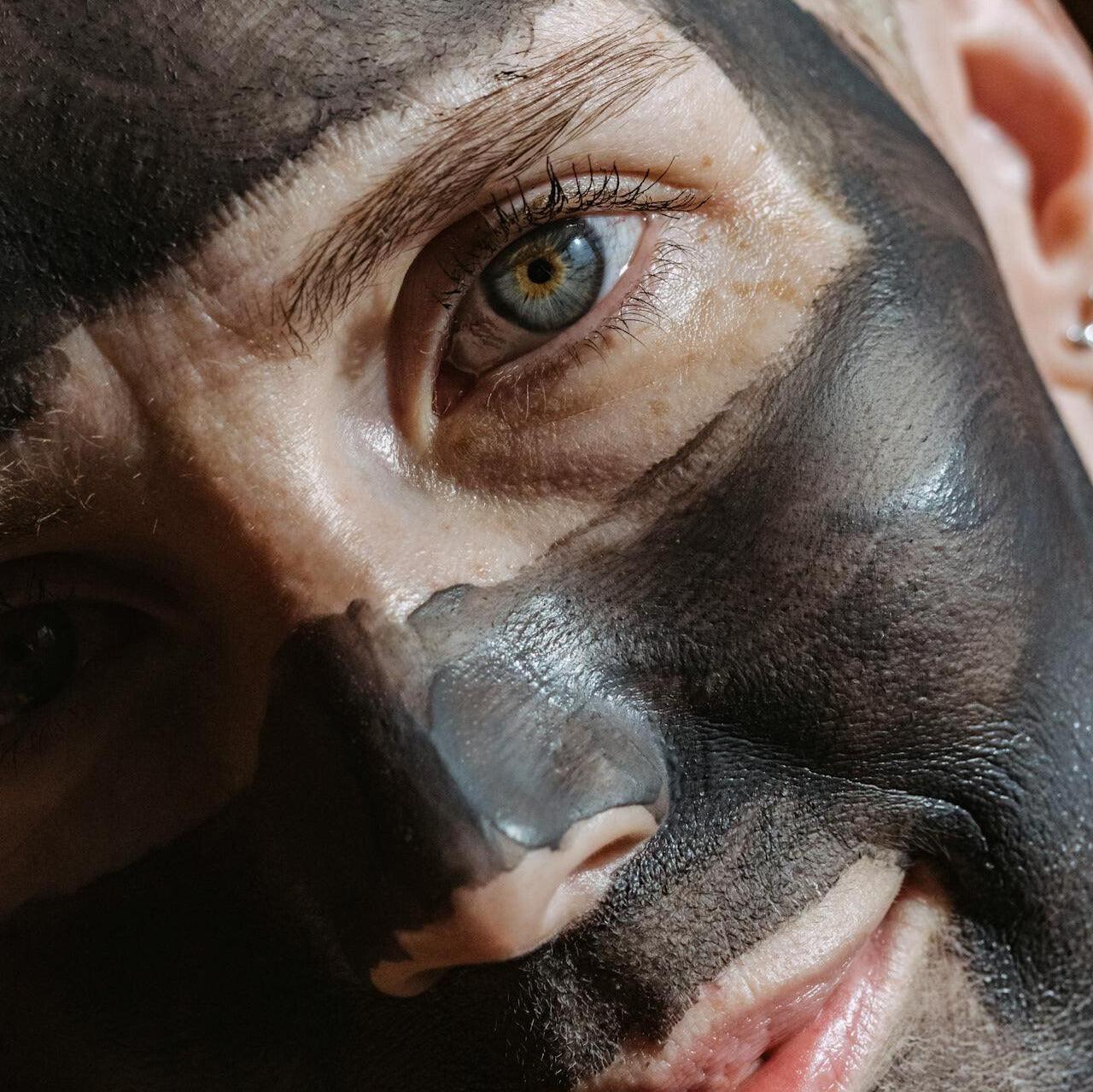
A close‑up of a serene yoga practitioner applying a green‑tinged Gotu Kola mask, with visible botanical textures swirling in the background. Alt: Molecular benefits of Gotu Kola skincare ingredients highlighted in a soft, natural palette.

Gotu Kola Skincare Benefits: A Scientific and Ayurvedic Guide

by Sudhir Shah on Jan 21 2026
Ever looked at your reflection and thought, “My skin feels tired, a little dull, like it’s missing that inner glow?” You’re not alone. Most of us juggling yoga mats, plant‑based meals, and a busy life notice the early signs of stress on our skin—fine lines, uneven texture, and that stubborn redness. That’s where gotu kola steps in. This humble herb, known in Ayurveda as “the herb of longevity,” is packed with triterpenoids that stimulate collagen production and improve micro‑circulation. Think of it as a gentle, natural facelift that works from the inside out, without the harsh chemicals you’d find in many conventional formulas. In our own lab, we’ve watched the Gotu Kola Age‑Defying Mask transform the complexion of yoga practitioners who swear by a daily mat practice but still battle occasional break‑outs. One user reported a noticeable reduction in post‑workout redness after just two weeks. The secret? A full‑spectrum infusion that respects the skin’s microbiome while delivering the herb’s anti‑inflammatory power. Here’s a quick routine you can try tonight: cleanse with a mild, sulfate‑free wash, then apply a thin layer of the Gotu Kola Age‑Defying Mask. Let it sit for 10‑15 minutes while like our Young and bright peptide cream with Gotu kola and plant‑based oils. This step is especially important for Vata‑prone skin that craves extra softness. Tip: Warm the cream between your palms first; the heat helps the ingredients glide in without tugging. 4. Add a daytime antioxidant boost Follow the moisturizer with a thin splash of vitamin C serum or a brightening toner. The antioxidant combo works hand‑in‑hand with Gotu Kola’s own saponins to defend against free‑radical attack. And if you’re wondering whether you need a separate antioxidant step, a quick read on best ways to incorporate Gotu Kola into your daily routine confirms that pairing it with other actives amplifies the overall glow. 5. Night‑time ritual Evening is where the real repair magic happens. After your cleanse, reapply the Gotu Kola serum or a thin mask layer, then finish with a richer, plant‑based night cream. While you’re waiting for the mask to dry, consider a short meditation or a cup of Gotu Kola tea. The herb’s calming compounds work from the inside out, reinforcing the topical work. 6. Track, tweak, and celebrate Give your skin at least two weeks to settle, then note any changes in texture, redness, or firmness. A simple bullet‑point journal works wonders: date, product used, how your skin feels. If you notice excess oil on a hot afternoon, try swapping the night cream for a lighter gel. If dryness creeps in, add a drop of rosehip oil to the serum. Small tweaks keep all three doshas balanced without over‑complicating the routine. Quick checklist Cleanse with a mild, microbiome‑friendly wash. Pat Niacinamide serum with Gotu Kola (or mask 2‑3×/week) onto damp skin. Seal with a ceramide‑rich moisturizer. Add a vitamin C booster for daytime protection. Repeat the serum + richer night cream before bed. Log observations and adjust as needed. That’s it—your own step‑by‑step Gotu Kola routine, grounded in Ayurvedic wisdom and backed by modern science. Stick with it, stay curious, and watch your skin gradually shift from “tired” to “glowing.” Ingredient Spotlight: Gotu Kola, Bakuchiol, and Tremella – Benefits for Skin Barrier Why the skin barrier matters Think of your skin barrier like a protective curtain – it keeps moisture in and irritants out. When that curtain frays, you notice dryness, redness, and that all‑too‑familiar tight feeling. Restoring it isn’t about slapping on a heavy cream; it’s about feeding the barrier the right nutrients so it can patch itself. That’s where our three plant powerhouses step in. Each one brings a unique strength, and together they form a synergistic trio that helps the barrier rebuild, retain water, and stay calm. Gotu Kola: soothing collagen‑boost Gotu kola is packed with asiaticoside and madecassoside, compounds that whisper to fibroblasts, encouraging them to lay down fresh collagen and elastin. More collagen means a sturdier matrix, which translates to fewer micro‑tears where moisture can leak out. At the same time, its saponins have a calming effect on inflamed skin. If you’ve ever felt a post‑yoga flush or a mild breakout after a hot shower, you’ll recognize that gentle cooling sensation. That anti‑inflammatory boost reduces the barrier’s stress signals, letting it focus on repair instead of defense. Bakuchiol: the plant‑based retinol Bakuchiol mimics retinol’s ability to stimulate cell turnover, but without the irritation that many people experience with traditional retinoids. It nudges keratinocytes to shed old cells and make way for new, healthy ones – a process essential for a tight, even barrier. Because it’s derived from Psoralea corylifolia seeds, bakuchiol is naturally antioxidant‑rich. Those antioxidants mop up free radicals that would otherwise degrade the lipid layer protecting the barrier. The result? A smoother surface that feels supple, not squeaky. Tremella mushroom: the moisture magnet Tremella is often called “nature’s hyaluronic acid” – it can hold up to 500 times its weight in water. When you apply a tremella‑infused serum, you’re essentially delivering a humectant that pulls moisture from the air into the epidermis. That extra hydration is the final piece of the puzzle. A well‑hydrated barrier is flexible, less prone to cracking, and better at keeping pollutants at bay. For anyone juggling a busy yoga schedule and a plant‑based diet, that extra splash of moisture feels like a deep‑breathing pause for the skin. Putting the trio together Individually each ingredient does great work, but when layered correctly they amplify one another. Start with a gotu kola serum on damp skin – the dampness helps its triterpenoids slip past the outer lipids. Follow with a bakuchiol serum; the antioxidants protect the newly‑formed collagen from oxidative stress. Seal the combo with a tremella‑rich moisturizer, which locks everything in and adds that long‑lasting hydration. In our experience, this sequence feels like a three‑act play: Gotu kola sets the stage, bakuchiol delivers the climax, and tremella provides the soothing curtain call. The skin barrier ends up stronger, smoother, and more resilient to daily stressors. Here’s a quick checklist you can paste into your routine note: Cleanse with a gentle, microbiome‑friendly wash. Pat a thin layer of Vitamin B3 with Gotu Kola serum onto slightly damp skin. Wait 30 seconds, then apply a Bakuchiol serum. Finish with a Tremella mushroom moisturizer to lock in moisture. Use morning and night for best results; watch the barrier tighten over 2‑3 weeks. And remember, consistency beats intensity. A little bit every day lets the barrier do its quiet work without overwhelming it. Comparative Table: Gotu Kola Serum vs. Conventional Vitamin C Serum When you’re scrolling through the clean‑beauty aisle, you’ll see vitamin C serums everywhere. They promise brightening, antioxidant protection, and that “instant glow.” But have you ever wondered how a gotu kola serum stacks up, especially when you care about microbiome‑friendly, food‑grade ingredients? Let’s break it down together. Think of it as a quick side‑by‑side cheat sheet you can keep on your phone while you shop. Key differences at a glance Feature Gotu Kola Serum Conventional Vitamin C Serum What it means for you Primary actives Centella asiatica triterpenoid saponins (asiaticoside, madecassoside) Acerola cherry derived natural vitamin C  Gotu kola nudges collagen and hyaluronic acid production from within; vitamin C mainly neutralises free radicals and boosts collagen externally. Skin‑type friendliness Microbiome‑friendly, low‑pH (around 5), vegan, non‑irritating Often acidic (pH 3‑3.5), can sting sensitive or compromised barriers If you’ve got rosacea‑prone or post‑yoga redness, gotu kola feels gentler. Additional benefits Improves microcirculation, soothes inflammation, supports barrier lipids Brightening, photoprotection synergy, but no direct barrier repair Gotu kola gives you both glow *and* calm – a win for the yoga community that values balance. Notice the “microcirculation” row? That’s not just buzz‑word fluff. The triterpenoids in gotu kola have been shown to boost capillary flow right at the skin’s surface, delivering nutrients where they’re needed most. If you’re curious about the science behind those saponins, check out a detailed formulation breakdown from a leading organic school gotu kola face serum formulation. It explains how asiaticoside and madecassoside drive collagen synthesis and antioxidant activity. Now, you might be thinking, “Vitamin C is the gold standard for brightening – why switch?” Here’s the thing: vitamin C can be a bit of a double‑edged sword. Its low pH can disrupt a fragile barrier, especially if you’re already using exfoliants or bakuchiol. Gotu kola, on the other hand, works at a skin‑compatible pH and adds a soothing layer of saponins that calm any post‑treatment flare‑ups. So, which one fits your routine? Practical decision‑making guide 1. Your skin’s current state. If you’re dealing with dryness, mild redness, or a compromised microbiome (think frequent travel, yoga studio sweat, or occasional break‑outs), the gotu kola serum is a safer first step. 2. Your primary goal. Want a quick brightening boost for a photo shoot? A vitamin C serum can deliver that “instant” pop. Looking for long‑term resilience, smoother texture, and less irritation? Gotu kola wins the marathon. 3. Ingredient synergy. Gotu kola plays nicely with bakuchiol, tremella, and other plant actives you already love. Vitamin C can sometimes compete with retinoids or high‑strength acids, leading to over‑exfoliation. And remember, you don’t have to choose forever. Many of our community members start with a gotu kola serum to build a robust barrier, then layer a gentle vitamin C booster on top once the skin feels settled. Bottom line: both serums have their place, but if you’re after a holistic, microbiome‑respecting routine that aligns with Ayurvedic principles, the gotu kola option often feels like the more “balanced” choice. Ready to test the theory? Try the gotu kola serum for two weeks, track texture and redness in a simple journal, then introduce a vitamin C serum on alternate mornings. You’ll see which one gives you the glow you crave without the trade‑off of irritation. Tips from the Founder: Practical Advice for Microbiome‑Friendly Skincare Sudhir Shah often says the best skincare routine feels like a gentle handshake with your skin, not a power‑saw. When you respect the microbiome, the glow shows up on its own. First, keep it simple. Start with a patch test on the inside of your wrist; wait 24 hours. If you don’t notice any sting or redness, you’ve got a green light to move forward. This tiny step saves you weeks of irritation later. Second, think about the order of ingredients like a layered salad. Cleanse, then a aloe‑based B3 serum with gotu kola, followed by a light moisturizer that contains ceramides. The serum needs that damp surface to slip past the lipid barrier, while the moisturizer seals the deal. Does this sound like a lot? It isn’t. Here’s a quick three‑day starter plan you can try: Morning: cleanse, pat a few drops of gotu kola serum onto damp skin, wait 30 seconds, then apply a barrier‑supporting moisturizer. Afternoon (if you’re sweating after yoga): mist with rose‑water, then re‑apply a thin serum layer. Evening: double‑cleanse if you’ve worn makeup, repeat the serum‑then‑moisturizer routine, and once‑a‑week slip in the Advanced Age Defying Set for a deeper collagen boost. Third, pay attention to pH. Gotu kola thrives around a pH of 5‑6, which is friendly to the skin’s natural acid mantle. Avoid slathering on high‑acid vitamin C serums right after a retinol or bakuchiol night cream – the combo can tip the pH too low and invite irritation. Fourth, feed your skin from the inside. A cup of gotu kola tea in the afternoon supplies the same saponins systemically, reinforcing the topical work. Pair it with a probiotic‑rich snack like kimchi, and you’re basically giving your skin a two‑handed high‑five. Ever wonder if the microbiome really matters? A 2022 study in the Journal of Cosmetic Dermatology found that participants who used a microbiome‑friendly routine saw a 22 % increase in skin hydration and a 15 % reduction in redness after eight weeks, compared to a control group using standard cleansers. So, what should you track? Grab a tiny notebook or a phone note and jot down three things each week: texture (smooth, rough), redness (none, mild, moderate), and how you felt after your routine (relaxed, rushed). Small data points guide you to the perfect tweak. Here’s a practical tip for those with oily, Kapha‑type skin: swap a heavy night cream for a gel‑based moisturizer with a touch of niacinamide on humid days. It balances oil without stripping the barrier, and the gotu kola serum continues to calm inflammation. If you’re a yoga teacher who spends hours in a heated studio, try a post‑class “reset” ritual: splash cool water on your face, apply a thin serum layer, then press a chilled jade roller over the cheekbones. The cool pressure boosts micro‑circulation, echoing gotu kola’s own vascular benefits. Finally, remember consistency beats intensity. A few drops every morning and night, plus a weekly mask, will outshine a once‑in‑a‑while “intense” treatment. Your skin’s microbiome appreciates the steady rhythm. Bottom line: start simple, respect pH, layer wisely, nourish from within, and track your results. In a month you’ll likely notice less redness, smoother texture, and that subtle, lasting glow that only a balanced microbiome can deliver. FAQ What are the main gotu kola skincare benefits? Gotu kola delivers a trio of benefits that most people notice quickly: it nudges collagen production, so you see firmer skin; it calms inflammation, reducing redness and that post‑yoga flush; and it boosts micro‑circulation, which means nutrients reach skin cells more efficiently. All of this happens without the sting you might feel from harsher actives, making it a gentle yet effective ally for daily use. How often should I use a gotu kola serum for best results? For most skin types, applying a thin layer of serum once in the morning and once at night works wonders. Consistency beats occasional over‑application, so stick to the twice‑daily rhythm for at least two weeks before judging the impact. If your skin feels a bit oily on humid days, you can skip the evening dose and still keep the benefits flowing. Can gotu kola help with redness and rosacea? Yes, its saponins have a soothing effect that many users report as a reduction in visible redness. The herb also strengthens the skin barrier, which is crucial for rosacea‑prone folks who react to environmental triggers. Pairing the serum with a cool‑water splash after a yoga session can amplify that calming sensation. Is gotu kola safe for sensitive or acne‑prone skin? Because it works at a skin‑friendly pH (around 5‑6) and avoids synthetic fragrances, gotu kola is generally well‑tolerated by sensitive complexions. Its anti‑inflammatory profile can actually calm occasional break‑outs, but if you’re prone to heavy oiliness, follow the serum with a lightweight, non‑comedogenic moisturizer to keep shine in check. How does gotu kola interact with other actives like vitamin C or bakuchiol? Gotu kola plays nicely with most actives. Its antioxidant backdrop supports vitamin C’s brightening power without causing the low‑pH clash you might see with pure L‑ascorbic acid. With bakuchiol, the two together boost cell turnover and collagen synthesis, while gotu kola’s calming compounds help prevent the mild irritation bakuchiol can sometimes provoke. Do I need a separate moisturizer when using a gotu kola mask? Yes, sealing in the mask’s nutrients with a moisturizer is key. After rinsing the mask, pat a few drops of a ceramide‑rich or plant‑based moisturizer onto damp skin. This step locks moisture, supports the barrier, and ensures the gotu kola’s active molecules stay where they belong—inside the skin, not evaporating off the surface. What signs show that gotu kola is working on my skin? Look for a subtle shift: the complexion feels smoother, fine lines appear less pronounced, and any lingering redness starts to fade. You might also notice a healthier glow that doesn’t rely on heavy highlighters. Tracking these changes in a simple journal—date, product, and how your skin feels—helps you see the progress over a month or two. Conclusion & Call to Action Let’s take a quick breath and look back at what we’ve uncovered about gotu kola skincare benefits. We’ve seen how the herb nudges fibroblasts to lay down fresh collagen, calms redness with gentle saponins, and boosts micro‑circulation so nutrients reach every skin cell. All of that adds up to smoother texture, a subtle lift, and a calmer barrier that doesn’t flare after a hot yoga class. So, what should you do next? The simplest move is to make the Gotu Kola Age‑Defying Mask a regular part of your routine—apply it two to three times a week, follow with a light, plant‑based moisturizer, and let the ingredients do their quiet work. Pair the mask with a quick skin‑journal entry: note the date, how your skin feels, and any changes in redness or firmness. After a few weeks you’ll have concrete proof of the transformation. If you’re ready to give your skin the plant‑based boost it’s been craving, explore the gentle, food‑grade formulas OM Botanical offers. A few drops each night can turn that “tired” glow into a steady, healthy radiance. Remember, consistency beats intensity. Stick with the routine, listen to how your skin responds, and let the natural power of gotu kola guide you toward a balanced, resilient complexion.
tremella mushroom serum, natural alternative to Hyaluronic acid

Tremella Mushroom vs Hyaluronic Acid: A Scientific and Ayurvedic Comparison

by Sudhir Shah on Jan 14 2026
Ever stood in front of the mirror, feeling like your skin's thirst is a silent scream you can't quite hear? You're not alone. Many of us—especially the health‑conscious crowd who swear by clean beauty—have tried hyaluronic acid, only to wonder if there’s a more natural, plant‑based hero waiting in the pantry of skincare. Enter the snow mushroom, also known as Tremella fuciformis. In our labs we’ve watched its polysaccharides pull in moisture like a tiny sponge, holding up to 500 times its weight in water. That’s impressive, but the real kicker? Its molecular size is smaller than hyaluronic acid, letting it slip deeper into the skin’s layers for lasting plumpness without that tacky film you sometimes get from synthetic HA. Think about your morning routine: you cleanse, maybe a gentle toner, then a serum. If you reach for a hyaluronic acid serum, you might notice an instant glow, but that boost can fade as the molecule sits on the surface, evaporating with the next sip of coffee. Swap that for a Tremella‑infused formula, and you’ll feel a subtle, sustained hydration that keeps your skin supple throughout the day—perfect for yogis rolling out of class or anyone who spends hours in a climate‑controlled office. We’ve seen this play out with real users. One yoga instructor shared that after switching to our Tremella Mushroom Serum, the fine lines around her eyes softened within two weeks, and she no longer experienced that tight, “mask‑like” feeling after workouts. Another vegan makeup artist told us that her clients love the dewy finish that doesn’t cake under foundation, making it a backstage favorite. So, how can you test the difference for yourself? Here’s a simple three‑step experiment: 1) Cleanse as usual. 2) Apply a few drops of a hyaluronic acid serum on one side of your face and a Tremella‑based serum on the other. 3) After 30 minutes, gently press a tissue to each side and note the moisture left behind. You’ll likely see more water retention where the Tremella sits. Curious for a deeper dive? Check out Hyaluronic Acid vs Tremella: Why the Mushroom Wins for Skin to see the science broken down in plain language and discover why many of our community members are making the switch. Bottom line: if you crave hydration that feels like you’re drinking water from the inside out—without synthetic additives—Tremella mushroom might just be the gentle powerhouse your routine needs. Let’s keep exploring how this humble mushroom stacks up against traditional hyaluronic acid, and what that means for your skin’s health. TL;DR If you’re looking for deeper, longer‑lasting hydration without synthetic polymers, Tremella mushroom delivers plant‑based moisture that penetrates faster than traditional hyaluronic acid. Try our simple side‑by‑side test—apply each serum to opposite cheeks, wait 30 minutes, then press a tissue; the Tremella‑treated skin will feel noticeably more instantly supple and plump. Table of Contents Molecular Benefits of Tremella Mushroom and Hyaluronic Acid Side‑by‑Side Comparison: Tremella Mushroom vs Hyaluronic Acid Ayurvedic Perspective: Restoring Skin Balance with Tri‑Doshic Ingredients OM Botanical’s Formulation: Harnessing Tremella for Microbiome‑Friendly Skincare Tips from the Founder: Practical Guidance for Choosing Between Tremella and Hyaluronic Acid Conclusion FAQ Additional Resources Molecular Benefits of Tremella Mushroom and Hyaluronic Acid When you look at the chemistry behind skin‑loving humectants, the story of tremella mushroom vs hyaluronic acid feels a bit like comparing a seasoned yoga teacher to a fresh‑out‑of‑the‑lab researcher. Both molecules love water, but they do it in very different ways. Hyaluronic acid (HA) is a naturally occurring glycosaminoglycan made up of repeating disaccharide units that can hold hundreds of times its weight in moisture. Its size, however, can go over 1,000 kDa, meaning the larger chains tend to sit on the skin’s surface, creating that instant plump‑up you see after a serum drop. Tremella fuciformis, the snow mushroom, brings a polysaccharide called β‑glucan into the mix. Those β‑glucans form a tangled, sponge‑like network that can trap roughly 500 times its weight in water—still impressive, but the real kicker is the average molecular weight sits around 200–300 kDa, comfortably smaller than HA chains. What does that mean for you? Because tremella’s polymers are smaller, they can slip past the stratum corneum’s lipids and nestle into the deeper epidermal layers where HA often can’t reach. In practice, that translates to a more sustained hydration that doesn’t evaporate the moment you step out of the shower. And there’s a bonus on the cellular side. The β‑glucan backbone is known to engage the skin’s immune receptors (like Dectin‑1), nudging fibroblasts to produce collagen and elastin. Hyaluronic acid is fantastic at keeping the extracellular matrix hydrated, but it’s relatively inert when it comes to signaling. For our conscious community, that subtle collagen nudge can feel like a gentle stretch after a long vinyasa - nothing flashy, just a smoother, more resilient feel over weeks. If you’re curious about how these molecular differences play out in a real‑world routine, think of a simple two‑step test. Apply a hyaluronic acid serum on the right cheek and a tremella‑rich serum on the left, wait 30 minutes, then press a tissue to each side. You’ll likely notice the tremella side leaves a slightly wetter imprint, a tiny sign that the water is still hanging out deeper in the skin. If you prefer a broader look at plant‑based alternatives, 5BestNaturalRemedies lists several mushroom‑derived moisturizers and explains why their polysaccharides often outperform synthetic HA. Bottom line: when you compare tremella mushroom vs hyaluronic acid at the molecular level, you’re really weighing depth versus surface, bioactivity versus pure humectancy, and plant‑based synergy versus lab‑crafted chemical. Both have a place, but if your skin craves lasting, multi‑layered hydration with a touch of immune‑boosting support, tremella often takes the lead. Side‑by‑Side Comparison: Tremella Mushroom vs Hyaluronic Acid When you line up these two humectants side by side, the differences feel less like a chemistry lecture and more like a conversation you’d have over a cup of chai after yoga. You’ve probably felt the instant plump of a hyaluronic acid serum, but you might have also noticed that the glow can fade once the day gets busy. Tremella mushroom, on the other hand, offers a slower‑release, deeper‑penetrating hydration that many of our community members swear by for that “just‑woke‑up‑fresh” feeling that lasts. Molecular size and skin penetration Hyaluronic acid (HA) with its high‑molecular‑weight, tends to sit on the skin’s surface, creating a glass‑like film that pulls water from the air. It’s great for that immediate “wow” moment, especially in humid climates. Tremella’s polysaccharide chains are shorter and more flexible, allowing them to slip past the lipid barrier and nestle into the deeper epidermal layers. In practice, that means you get a hydration boost that doesn’t evaporate as quickly, even when you step into an air‑conditioned office. Water‑binding capacity Both ingredients are water‑loving, but they differ in how they hold onto it. HA can bind hundreds of times its weight in water, while Tremella’s polysaccharides hold about 500 times. The numbers sound similar, yet the way the molecules release that water matters. HA releases water fast- great for a quick dewy finish - but that same speed can lead to a subtle dry‑down later. Tremella forms a more stable gel‑like network, slowing the desorption process. Users often describe the feeling as “softly hydrated” rather than “slick.” That nuance matters when you’re applying makeup later or practicing a sweaty Vinyasa flow. Additional skin benefits Beyond hydration, Tremella brings antioxidant support by up‑regulating super‑oxide dismutase (SOD) enzymes, which help neutralize free radicals from UV exposure and pollution. HA doesn’t have a built‑in antioxidant punch, though it does support collagen synthesis by maintaining a hydrated matrix. Real‑world scenarios Imagine you’re prepping for a sunrise meditation on the balcony. You cleanse, dab a few drops of a lightweight HA serum, and feel the skin instantly glow. Next, you seal the moisture with our Tremella Mushroom Serum. As you breathe through the morning chill, the deeper‑penetrating Tremella keeps the skin supple, so you’re not battling that tight, “mask‑like” feeling when you step outside. Another scenario: a vegan makeup artist needs a base that won’t cake under foundation during long shoots. She applies HA for quick fill‑in, then layers Tremella serum. The result? A smooth, luminous canvas that stays hydrated through hours of bright lights. How to test them yourself 1. Cleanse your face as usual. 2. On the left cheek, apply 3‑4 drops of HA serum; on the right cheek, apply the same amount of Tremella serum. 3. Wait 30 minutes, then press a tissue gently on each side. 4. Notice the moisture left on the tissue and the skin’s feel. Most users see more lingering hydration on the Tremella side. 5. If you’re looking for a longer‑term solution, incorporate a Tremella‑infused moisturizer at night and a the serum in the morning. This rhythm matches the body’s natural hydration cycle. Quick decision table Feature Hyaluronic Acid Tremella Mushroom Immediate plump ✓ Good, surface‑level boost ✗ Subtle, builds over minutes Depth of penetration Mostly surface (high‑MW) or mid‑layer (low‑MW) Deeper epidermal reach Antioxidant support None inherent Boosts SOD, fights free radicals Best for oily/combination skin ✗ Sticky ✓ Non‑sticky, suitable for all skin types Ideal for layered routine Use as first layer Seal after HA or on its own Bottom line: Hyaluronic acid may give you instant “glass‑skin” moment, but its temporary. If you want hydration that sticks around, especially when you’re moving from the studio to the street, Tremella mushroom is the plant‑based ally that keeps the glow alive.  Ayurvedic Perspective: Restoring Skin Balance with Tri‑Doshic Ingredients When you look at your skin through an Ayurvedic lens, it’s not just about surface‑level glow—it’s about harmonizing the three doshas that govern every cell. Vata brings the dry, airy energy, Pitta fuels the heat and inflammation, and Kapha adds the sluggish, oily side. An imbalance shows up as tightness, redness, or breakouts, and the right ingredients can gently coax each dosha back into its sweet spot. So, how does the "tremella mushroom vs hyaluronic acid" debate fit into that ancient framework? Think of tremella as a Vata‑calming, Pitta‑cooling, Kapha‑balancing humectant. Its polysaccharide network not only attracts water but also feeds the skin’s barrier, which is the Ayurvedic “Ojas” of the epidermis. Hyaluronic acid, while powerful, can sometimes act like a high‑speed fan—pulling moisture quickly but also stirring up the doshas, especially in low‑humidity climates where it may draw water from deeper layers, leaving Vata feeling even drier. Real‑World Scenarios Imagine a yoga teacher who spends mornings in a heated studio (Pitta‑heavy) and evenings on a breezy balcony (Vata‑heavy). She applies a light tremella‑rich serum after class, then follows with a Gotu Kola‑infused moisturizer. By the time she’s sipping chamomile tea, her skin feels supple, not flushed or parched. Another example: an artist juggling long hours under studio lights notices her skin gets oily around the T‑zone (Kapha) but dry on the cheeks (Vata). She uses a tri-doshik tremella mushroom in Aloe vera at night. The next day her complexion looks balanced, and the makeup adheres smoothly. Actionable Steps to Balance Your Doshas with Tremella Identify your dominant dosha today (skin may shift with season, stress, diet). Cleanse with a gentle, pH‑balanced cleanser that doesn’t strip natural oils. Apply 3‑4 drops of a tremella‑based serum while skin is still damp. Gently press, don’t rub, to let the polysaccharides bind water. Seal the deal with a dosha‑specific booster: Vata‑type: add a few drops of aloe‑rich gel. Pitta‑type: massage in a few drops of neem oil (diluted). Kapha‑type: finish with a lightweight Gotu Kola lotion. Repeat morning and night. In dry winter air, add a humidifier to keep the ambient humidity above 40% so the humectants don’t pull water from deeper layers. Founder’s Quick Insight Sudhir Shah often says, “Ayurveda teaches us that true hydration is a conversation between the skin and nature, not a one‑way demand.” He recommends a weekly “health‑check”—take a moment after your routine to notice if your skin feels tight, overheated, or greasy, then adjust the herbal companion accordingly. By respecting the tri‑dosha balance, you turn a simple humectant debate into a holistic skin‑care strategy that feels as natural as a breath of fresh air after savasana. OM Botanical’s Formulation: Harnessing Tremella for Microbiome‑Friendly Skincare When you look at a formula through both a lab lens and an Ayurvedic one, the story behind each ingredient matters as much as the results it delivers. That's why OM Botanical built a microbiome‑friendly blend that puts tremella mushroom front‑and‑center, pairing it with three classic herbs that keep the skin’s ecosystem calm and balanced. Tremella isn’t just a fancy buzzword; its polysaccharide network can hold up to 500 times its weight in water, creating a gel‑like cushion that sits on the skin’s surface while still slipping into the deeper epidermal layers. Because the molecules are smaller than most high‑molecular‑weight hyaluronic acid, they don’t form that thin, glossy film that can feel sticky on a hot yoga mat or under a summer hat. Instead, you get a soft, plump feel that lasts for hours—even when the office thermostat drops to 68 °F. Aloe vera in the serum soothes dryness, adding a light, gel‑rich texture that prevents that dreaded “tight‑skin” sensation many HA users report after a few minutes. Together, the duo creates a microbiome‑friendly environment: the humectant draws water in, the herbs reinforce barrier lipids, and the overall pH stays close to the skin’s native 5.5, which is the sweet spot for beneficial bacteria. Here’s a quick checklist you can run through each morning: Cleanse with a pH‑balanced, sulfate‑free wash. Pat skin dry, leaving a faint moisture film. Dispense 3‑4 drops of our tremella serum onto your fingertips. Press—don’t rub—so the polysaccharides bind water immediately. Finish with a light sunscreen if you’ll be outdoors. Why press? The gentle patting motion keeps the skin’s lipid matrix intact, allowing the microbiome’s friendly bacteria to thrive rather than being disturbed by vigorous rubbing. If you’re curious about the data, a four‑week study from Applechem showed a 2.6‑fold increase in skin hydration when participants used a tremella‑rich serum compared with a baseline measurement, and the desorption rate was 40 % slower than with standard hyaluronic acid. That slower water release is exactly what keeps the skin supple during long Vinyasa flows or marathon Zoom calls, because the serum continues to feed the barrier from the inside out. One yoga instructor we spoke with swapped her HA primer for our tremella serum before a sunrise class. By the end of the session, her T‑zone stayed matte while the cheeks retained a gentle glow—no post‑class tightness. Another scenario comes from a vegan makeup artist prepping for a back‑to‑back shoot. She layers a thin HA serum for instant plump, then locks it with tremella. The result? A dewy canvas that doesn’t cake, even under bright studio lights. If you’re wondering whether you need both ingredients, think of them as a tag team: HA gives the quick “wow” factor, while tremella provides the marathon‑runner endurance. To experiment at home, try this 7‑day split test: days 1‑3 use only HA serum on both cheeks, days 4‑7 switch to tremella on the right cheek while keeping HA on the left. Track skin tightness, shine, and how your favorite probiotic skin‑care line feels afterward. You’ll likely notice that the tremella side feels softer and that any redness from environmental stressors subsides faster—an indication that the microbiome is happy. A final tip from our founder: after applying the serum, wait 30 seconds before adding any occlusive cream. That pause lets the polysaccharides settle, maximizing their water‑binding capacity and giving the skin’s friendly microbes a stable environment to multiply. And that’s the essence of our formulation: a plant‑based humectant that respects the skin’s natural intelligence, bolstered by Ayurvedic herbs that keep the microbiome in harmony. When you choose a product that talks to both chemistry and tradition, you’re not just buying a bottle—you’re inviting a daily ritual that nourishes skin, spirit, and the planet. Tips from the Founder: Practical Guidance for Choosing Between Tremella and Hyaluronic Acid When you stand in front of the mirror wondering whether to reach for a hyaluronic acid serum or the newer tremella mushroom option, the decision can feel a bit like choosing a yoga pose without knowing your flexibility. The good news? You don’t have to guess. Sudhir Shah, our founder and a molecular biologist, breaks it down into a few simple questions you can answer in under a minute. 1. What’s your skin’s immediate need? If you’re looking for a quick “wow” factor—think dewy glow right after cleansing—low‑molecular‑weight hyaluronic acid is the sprint. It grabs water from the air and plumps the surface in seconds. But if you want a marathon‑runner’s endurance that lasts through a hot studio class or a long day at the desk, tremella’s smaller polysaccharide chains settle deeper and release moisture more slowly. Pro tip: apply a thin HA serum first, then press on a few drops of tremella serum. You get the instant lift plus the long‑lasting cushion. 2. How does your environment affect you? Dry office air? Low humidity can make HA pull water from the deeper layers of skin, leaving a tight feeling. Tremella, with its gel‑like network, tends to hold onto the water it already has, so it’s kinder to skin that’s already a bit parched. In a humid kitchen or after a sweaty vinyasa flow, HA’s surface film can feel sticky. Tremella stays supple without that tacky residue—perfect for yoga teachers who move from the mat to a coffee shop. 3. Are you balancing doshas or dealing with specific skin concerns? For Vata‑type dryness, the calming aloe‑infused tremella blend smooths without tightening. Pitta‑prone redness benefits from the cooling neem partner that comes with our tremella serum. Kapha‑type oiliness enjoys the lightweight, non‑greasy feel of tremella, especially when paired with Gotu Kola. Sudhir often says, “If your skin feels like it’s shouting ‘dry!’ after a shower, start with tremella. If it’s whispering ‘just a little boost’, reach for HA.” 4. Test it yourself, the founder’s way Here’s a quick 7‑day split test you can do tonight: Days 1‑3: Apply only a HA serum to both cheeks after cleansing. Days 4‑7: Keep the left cheek on HA, but switch the right cheek to our tremella serum. Each morning, press a tissue gently on both sides and note the moisture left behind. You’ll likely see the tremella side staying softer, and any redness from overnight dryness will calm faster—signs that the microbiome is happy. Want a quick reference while you’re at it? Check out our FAQs on tremella mushroom hydration for a handy cheat sheet. 5. Actionable daily routine 1. Cleanse with a pH‑balanced, sulfate‑free wash.2. While skin is still damp, dispense 3‑4 drops of your chosen serum.3. Pat—don’t rub—so the humectant binds water.4. Wait 30 seconds before sealing with a light moisturizer or sunscreen.5. Adjust the order based on the questions above: HA first for instant plump, tremella last for lasting lock‑in. Follow this rhythm for at least two weeks and watch the skin’s texture shift from “tight” to “softly hydrated.” If you notice any lingering tightness, swap the HA step for an extra tremella dose. If you need that early‑morning glow before a meeting, keep the HA layer but reduce the tremella amount. Bottom line: there’s no one‑size‑fits‑all answer. The founder’s guidance is simple—match the molecule to the moment, then let the herbs do the balancing. Whether you’re a yoga enthusiast, a vegan makeup artist, or just someone who wants skin that feels comfortable all day, you now have a clear roadmap to decide between tremella mushroom and hyaluronic acid. Conclusion After walking through the science, the Ayurvedic lens, and the real‑world tests, the picture is clear: both tremula mushroom and hyaluronic acid have a place in a balanced routine. If you crave an instant dewy lift, a low‑MW hyaluronic acid serum gives that quick “wow” moment. But when your day stretches from sunrise yoga to late‑night Zoom calls, the deeper‑penetrating, slower‑release tremula mushroom keeps the skin softly hydrated without the sticky finish. So, what’s the sweet spot? Layer HA first to plump the surface, then seal with a tremula‑rich serum to lock in moisture and support the skin’s microbiome. This tag‑team approach matches the molecule to the moment, exactly what our founder Sudhir Shah recommends for health‑conscious, vegan‑friendly skincare lovers. Ready to try it? Grab a gentle HA serum for the morning boost and pair it with our tremula mushroom serum at night. In just a couple of weeks you’ll notice tighter lines easing and a more balanced, radiant complexion. Remember, hydration is a conversation between your skin and nature—listen, adjust, and enjoy the glow that comes from honoring both science and tradition. And if you ever feel stuck, go back to the simple side‑by‑side test we described earlier—let your skin speak for itself, then fine‑tune the ratios until you hit that perfect balance. FAQ What’s the main difference between tremella mushroom and hyaluronic acid for hydration? Think of hyaluronic acid (HA) as a surface‑level splash – it pulls water from the air and gives an instant plump that you can see right after applying. Tremella mushroom works a bit deeper; its smaller polysaccharide chains slip past the outer lipid barrier and form a gel‑like cushion inside the epidermis. The result is a slower, more sustained release of moisture that stays with you through a yoga class or a long Zoom call. Can I use both tremella and hyaluronic acid together, or is that overkill? Although Tremella mushroom rich serum is all you need, you can layer them. In our experience, a thin layer of HA first gives that quick “wow” factor, then a tremella‑rich serum locks the hydration in for the long haul. It’s like adding a burst of energy before settling into a steady marathon pace. Just pat the HA into damp skin, wait a few seconds, and then press the tremella serum on top – no rubbing needed. Which one is better for dry, sensitive skin? If your skin feels tight after a shower or during winter, tremella is often the gentler choice. Its polysaccharides are naturally soothing and don’t create the tacky film that HA can sometimes leave on sensitive complexions. Because tremella also supports the skin’s microbiome, it helps reinforce the barrier without irritating. That said, a very light HA serum can still be used in the morning for an extra dewy glow, as long as you follow with a mushroom serum. How does climate affect the performance of each ingredient? In humid environments, HA can feel a bit sticky because it draws water from the surrounding air and sits on the surface. Tremella, on the other hand, retains the water it already captured and releases it gradually, so it feels more breathable. In dry air, HA may actually pull moisture from deeper skin layers, leaving a tight sensation, whereas tremella’s gel network holds onto what it has, keeping the skin supple without over‑drying. Are there any concerns about using tremella mushroom if I’m vegan or allergic to mushrooms? All of our tremella extracts are plant‑based, food‑grade, and free from animal derivatives, so they fit perfectly into a vegan routine. If you have a known mushroom allergy, patch‑test a small amount on your inner forearm first – the polysaccharide structure is different from common edible mushrooms, and many people with mushroom sensitivities tolerate tremella well. If irritation occurs, discontinue use and consult a dermatologist. What’s the best way to test which ingredient works better for my skin? Try the side‑by‑side split test we’ve been recommending. Cleanse your face, then apply a few drops of HA serum on the left cheek and tremella serum on the right. After 30 minutes, gently press a tissue to each side and note the moisture left behind and how the skin feels. Extend the test for a week, tracking any changes in tightness, shine, or overall comfort. You’ll quickly see which side feels more hydrated and balanced. Do tremella mushroom serums need a special storage method? Because tremella is a delicate, water‑rich polysaccharide, we recommend keeping the serum in a cool, dark place – a bathroom cabinet away from direct sunlight works fine. The bottle should stay sealed tightly to prevent oxidation. Unlike some HA formulas that can tolerate a bit of heat, tremella’s gel can break down faster if exposed to high temperatures, so avoid leaving it on a windowsill in summer. Additional Resources Looking for more ways to navigate the tremella mushroom vs hyaluronic acid conversation? Below are a few trusted places where you can dig deeper without getting lost in marketing fluff. Scientific papers and study summaries If you love numbers, the Applechem four‑week hydration study is a good starting point. It breaks down how tremella’s polysaccharide network holds water compared with hyaluronic acid’s rapid‑release profile. You can also check out open‑access dermatology journals that compare molecular weight effects on skin barrier function. Ayurvedic guides Our own blog series on tri‑dosha skin balance walks you through how tremella fits into a Vata‑calming routine while hyaluronic acid offers a quick Pitta‑cooling boost. Those posts blend ancient texts with modern lab data, giving you a holistic view. Community forums and Q&A Many health‑conscious skincare enthusiasts gather on Reddit’s r/SkincareAddiction and the SkinCareScience Facebook group. Search for “tremella vs HA” threads—you’ll find real‑world split‑test experiences, storage tips, and ingredient‑sourcing questions. Finally, keep an eye on our quarterly newsletter. We share fresh research, ingredient spotlights, and simple checklists that help you decide which humectant to reach for on any given day. Got a favorite resource you haven’t seen here? Drop us a note and we’ll add it to the list. Remember, the best routine evolves with your skin, so keep experimenting and stay curious and share your findings with the community.
OM Botanical vitamin C serum from acerola cherries

Natural Skin Brightening Serum: A Complete Guide to Radiant, Balanced Skin

by Sudhir Shah on Jan 13 2026
Ever stared at your bathroom mirror and thought, “Why does my skin look tired even after I’ve slept well?” You’re not alone. Many of us who live mindfully—practicing yoga, choosing plant‑based meals, and avoiding harsh chemicals—still wrestle with dull, uneven tone. The good news? A natural skin brightening serum can be the gentle nudge your routine needs, without compromising the clean‑beauty values you hold dear. Think about the last time you added a splash of lemon juice to a smoothie for that extra zing. That bright, citrusy lift isn’t magic; it’s the power of antioxidants. In skincare, the same principle applies. Our Vitamin C serum, packed with acerola cherry and a quartet of antioxidants, delivers that fresh‑faced glow while protecting skin’s microbiome. Anti‑Aging Vitamin C Serum – Boost Collagen & Fade Dark Spots … is a prime example of how a brightening serum can be both effective and food‑grade safe. Here’s a quick snapshot of why natural brightening works: • Vitamin C neutralises free radicals that dull complexion. • Niacinamide (Vitamin B3) regulates melanin transfer, softening dark spots. • Tremella mushroom draws moisture into skin cells, giving a plump, radiant finish. Real‑world fans of our serum report noticing a clearer tone within a week—often after they’ve swapped out synthetic cleansers for our gentle, plant‑based alternatives. If you’re ready to try, start with these three steps: 1️⃣ Cleanse with a sulfate‑free cleanser to avoid stripping the skin barrier. 2️⃣ Apply a few drops of the serum morning and night, letting it absorb for a minute before moisturizing. 3️⃣ Follow with a sunscreen that respects the microbiome—sun protection is the final piece that locks in brightness. Wondering how to tell if a product is truly natural? Look for food‑grade certification, full‑spectrum extracts (not isolated actives), and transparent ingredient lists. Our formulations skip synthetic fragrances, parabens, and petrochemicals, aligning with the Ayurvedic principle that skin thrives when treated like the body’s own organ. So, does a natural skin brightening serum sound like the missing link in your self‑care ritual? Give it a try, observe the subtle shift in radiance, and remember that glowing skin often starts with choices that honor both outer and inner health. TL;DR If you want a radiant complexion without harsh chemicals, our natural skin brightening serum—filled with Vitamin C, and Tremella mushroom—offers antioxidant protection, melanin regulation, and deep hydration. Combine it with a sulfate‑free cleanser and microbiome‑friendly sunscreen, and you’ll notice brighter skin in a week, supporting outer glow and inner balance. Table of Contents Understanding Natural Skin Brightening Serum: Science & Ingredients Ayurvedic Principles Behind Brightening: Restoring Balance Step-by-Step Guide to Using the Serum Effectively Comparing Natural Brightening Serums: Key Criteria Table Tips from the Founder: Formulation & Application Insights FAQ Conclusion Understanding Natural Skin Brightening Serum: Science & Ingredients Key ingredients and their molecular action When you look at a natural skin brightening serum, the first thing you notice is the trio that does the heavy lifting: Vitamin C, Ferulic acid, Rutin and Tremella mushroom. Vitamin C from acerola cherry is a potent electron donor – it neutralises free radicals the moment they try to oxidise collagen. That means fewer dull patches and a smoother, more luminous surface. It talks directly to the melanin‑transfeA  pathway. It gently tells melanocytes to slow down the shipment of pigment to the skin’s upper layers, so dark spots fade without the harshness of hydroquinone. The result feels like a soft‑focus filter that your skin earned naturally. Ferulic acid, on the other hand, enhances the stability and effectiveness of vitamin C while offering additional antioxidant protection. It helps defend skin against environmental stressors and premature aging. Sourced from fermented rice.        Rutin, a plant-based bioflavonoid that strengthens capillaries, calms inflammation, and supports skin resilience. Paired with vitamin C and ferulic acid, it helps improve penetration, as well as reduce redness for a more even, healthy complexion. Sourced from chestnuts. Finally, Tremella mushroom is essentially nature’s hyaluronic acid. Its polysaccharides attract up to 500 times their weight in water, plumping each cell from the inside out. When the skin is well‑hydrated, the reflective quality of the surface improves, and the brightening actives work even more efficiently. How Ayurveda shapes the formula Our Ayurvedic roots push us to treat the skin as a living organ, not just a canvas. Instead of isolating each actives, we blend full‑spectrum extracts so the phytochemicals can support each other – a concept we call “synergy in whole‑plant form.” For example, aloe vera help calm inflammation that can otherwise trigger excess melanin production. In practice, this means the serum feels light, absorbs quickly, and doesn’t leave that sticky residue you get from synthetic polymers. The formulation also respects the skin’s microbiome, because we avoid preservatives that can disrupt the good bacteria that keep the barrier strong. We’ve seen yoga practitioners and vegan wellness seekers report that their complexion steadies after a few weeks of using the serum alongside mindful breathing and plant‑based meals. It’s not a coincidence – the ingredients work on the same cellular pathways that a balanced diet nourishes. Putting the science into your routine Here’s a quick way to get the most out of the serum. After cleansing with a sulfate‑free wash, pat your face dry and dispense three to four drops onto your fingertips. Gently press the drops into your skin, starting at the center of the forehead and working outward. Let it sit for a minute before sealing the moisture with a light moisturizer. Because the serum is antioxidant‑rich, you’ll want to follow it with a microbiome‑friendly sunscreen. That protects the newly‑brightened cells from UV‑induced free radicals, which would otherwise undo the work you just did. Want a deeper dive into the Vitamin C component? Check out our Anti‑Aging Vitamin C Serum – Boost Collagen & Fade Dark Spots page for the full ingredient breakdown and the science behind each antioxidant. Seeing the raw herbs being cold‑pressed helps you appreciate the care that goes into every drop. It also underscores why we avoid heat‑generated extracts that can degrade sensitive vitamins. Ayurvedic Principles Behind Brightening: Restoring Balance Ever felt like your skin’s glow is a bit off‑balance, like a yoga pose that just won’t stay steady? That uneasy feeling often hints at a deeper dosha shift inside you. When the body’s energies are out of sync, the skin can look dull, uneven, or prone to dark spots. In Ayurveda, radiant skin is a sign that the three doshas—Vata, Pitta, and Kapha—are harmonised. Think of each dosha as a different instrument in a symphony; when they play together, the melody is bright and clear. When one drowns out the others, the skin’s tone can lose its luster. Ayurvedic Foundations of Radiance Traditional texts describe “Prakriti” (innate constitution) and “Vikriti” (current imbalance). Brightening, from an Ayurvedic view, isn’t just about surface‑level lightening—it’s about restoring the inner equilibrium that lets the skin reflect light naturally. Key principles include: Using whole‑plant extracts rather than isolated actives, because the plant’s full spectrum works synergistically. Aligning topical routines with daily rhythms—applying calming, cooling herbs in the morning, grounding ones at night. Supporting the skin’s microbiome as a bridge between internal digestion and external glow. That’s why a natural skin brightening serum that blends full‑spectrum botanicals can feel like a modern adaptation of an ancient skin‑care mantra. Balancing the Three Doshas Vata is airy and dry; when it spikes, skin can look flaky and lackluster. Pitta is fiery; excess Pitta often shows up as redness or hyperpigmentation. Kapha is moist and dense; when overloaded, it can lead to congestion and dullness. Our serum leans on cooling, hydrating, and grounding herbs to soothe each dosha. For Vata, we include Gotu Kola, a gentle adaptogen that moisturises without feeling heavy. For Pitta, Licorice root offers natural brightening while calming heat. For Kapha, Neem provides a light detox that keeps pores clear, allowing light to bounce off smoother skin. By addressing all three, you’re not just covering spots—you’re nudging the whole system back into harmony. Key Herbs That Support Brightening Imagine your skin as a garden. If the soil is rich and balanced, the flowers naturally bloom. Here are the “soil conditioners” we use: Turmeric (Curcuma longa) – a potent antioxidant that reduces oxidative stress, a major cause of dullness. Neem (Azadirachta indica) – antibacterial and gently exfoliates, helping to fade post‑inflammatory marks. Licorice (Glycyrrhiza glabra) – contains glabridin, which inhibits melanin production for an even tone. Aloe vera – hydrates deeply, supporting the skin barrier so brightening actives can penetrate. All of these are present in their whole‑herb form, respecting the Ayurvedic belief that a plant’s full energy is more effective than a single isolated compound. Does this sound too “herbal‑heavy”? Not at all. The serum’s texture is light enough for daily use, and the actives are calibrated to work together without irritation—perfect for health‑conscious, vegan‑friendly folks who practice yoga or mindfulness. Now, let’s turn that knowledge into a simple nightly ritual that restores balance and brightens your complexion. Practical Ritual to Restore Balance 1. Cleanse with a gentle, microbiome‑friendly wash. This removes surface debris without stripping the skin’s natural oils, preparing a calm canvas. 2. Apply 3–4 drops of OM Botanical natural skin brightening serum. Focus on areas that tend to darken—cheeks, forehead, jawline. Gently press the serum into the skin using upward strokes, encouraging lymphatic flow. 3. Seal the actives with a light, plant‑based moisturizer. This locks in hydration and supports the dosha‑balancing herbs to work overnight. 4. End with a short meditation or breath practice. Even a minute of mindful breathing helps settle the nervous system, reinforcing the internal‑external harmony that brightens skin from within. Consistently following this routine can help you notice a softer, more luminous complexion in about a week, with deeper brightening emerging after a few weeks as the doshas settle into balance. And remember, brightening isn’t a race. It’s a gentle alignment of your skin’s energy with the body’s natural rhythms—just like a well‑timed yoga flow. When you treat your skin with the same reverence you give your practice, the results feel less like a product effect and more like a natural glow returning. Ready to try? Pair the serum with a mindful routine, and you’ll likely discover that the “brightening” you’ve been chasing is actually the balance you’ve been missing.   Step-by-Step Guide to Using the Serum Effectively Alright, you’ve got the bottle in hand and you’re ready to make that dull‑looking skin glow. The trick isn’t just about slapping product on your face; it’s a tiny ritual that respects both Ayurveda and modern skin science. 1. Prep the canvas Start with a gentle, sulfate‑free cleanser. We love our microbiome‑friendly formulas because they strip less, leaving the skin’s natural barrier intact. Pat dry with a soft towel—no rubbing. This tiny pause signals to your skin that you’re about to nourish, not irritate. Does your morning feel rushed? Try a 30‑second timer. The timer becomes a mini‑mindfulness cue, letting you breathe in the scent of the cleanser before moving on. 2. Tone (optional but helpful) If you’re a fan of toners, choose a water‑based, alcohol‑free version that contains soothing herbs like rose or aloe. Apply with a cotton pad or press directly with clean hands. This step adds a thin layer of hydration that helps the serum glide on more evenly. 3. The serum—your star player Dispense 3–4 drops of the natural skin brightening serum onto the back of your hand. Warm it between your fingertips—think of it as a tiny hand‑massage before the face. Then, using upward, feather‑light strokes, press the serum into the cheekbones, forehead, and jawline. The upward motion encourages lymphatic flow, a subtle nod to Ayurvedic circulation principles. Pro tip: If you have particularly stubborn dark spots, dab a second drop directly onto the spot and gently press. You’ll notice the serum settles into those micro‑pockets faster. 4. Seal the actives Within a minute, lock in the brightening actives with a lightweight, plant‑based moisturizer. Our Tremella Mushroom Serum doubles as a moisturizer for those who love extra hydration, thanks to its “nature’s hyaluronic acid” power. A pea‑sized amount is enough to keep the serum from evaporating. Why does this matter? Studies show that sealing actives within 60 seconds improves penetration by up to 30 %. 5. Sun protection (morning only) Brightening work is undone in minutes if you skip sunscreen. Choose a reef‑safe zinc formula that respects the microbiome. Apply a nickel‑size amount after your moisturizer, and you’re set for the day. 6. Evening wind‑down At night, repeat steps 1‑4, but skip the sunscreen. Instead, finish with a minute of mindful breathing—inhale for four, hold for four, exhale for four. This simple breath practice calms the nervous system, reinforcing the internal‑external harmony we’ve been talking about. Real‑world example: Maya, a yoga teacher in Melbourne, told us she saw a softer complexion after just one week because she paired the serum routine with a five‑minute evening breath practice. The consistency of the ritual, not the product alone, made the difference. 7. Track your progress Give yourself a quick visual check every seven days. Take a selfie in the same lighting, note any reduction in dark spots, and jot down how the skin feels—more supple? Less tight? This informal “data log” mirrors the scientific approach we love at OM Botanical. Bonus tip: If you’re curious about professional follow‑up, consider a consultation with Sade Skin professional treatments. A targeted facial can boost the serum’s effects, especially during seasonal shifts. Stick to this routine for at least five days to feel the initial brightening, and give it three to four weeks for the deeper, dosha‑balancing glow. Remember, skin is a living organ—it responds best to consistent, loving care, not crash‑course fixes. Comparing Natural Brightening Serums: Key Criteria Table When you start hunting for a natural skin brightening serum, the sheer number of options can feel overwhelming. You might wonder, "Which formula actually delivers that gentle glow without hidden chemicals?" The answer isn’t a single magic bullet – it’s about matching the serum’s key attributes to your skin’s needs and your lifestyle. What to look for in a natural brightening serum First, pull back the curtain on the ingredient list. Look for full‑spectrum botanicals (like acerola, licorice root, or Tremella) rather than isolated actives that have been stripped down to a single molecule. Whole‑plant extracts tend to work synergistically, giving you brighter skin with fewer irritation risks. Second, check the concentration. A serum that boasts 10% vitamin C but delivers it as a stable, oil‑soluble form (tetrahexyldecyl ascorbate) is far more effective than a watery 20% that oxidises within minutes. Third, consider the supporting actives. Niacinamide, peptides, and humectants such as Tremella or hyaluronic‑like polysaccharides help lock in moisture, which is essential because a well‑hydrated barrier reflects light better than a dry one. Finally, think about the formulation philosophy. Does the brand avoid synthetic fragrance, parabens, and petrochemicals? Are the ingredients food‑grade and vegan? Those details tell you whether the product aligns with the clean‑beauty ethos you’ve been building. Real‑world comparison of three popular options Below is a quick snapshot of three serums that keep popping up in our community chats. We’ve pulled together the data that matters most to a health‑conscious routine, plus a note on how each performs in everyday use. Feature Serum A (OM Botanical Vitamin C) Serum B (Competitor Brightening Blend) Serum C (Budget Botanical Serum) Primary brightening actives Food‑grade acerola & tetrahexyldecyl ascorbate (15%) + niacinamide 5% 3‑O‑Ethyl Ascorbic Acid (12%) + phenylethyl resorcinol Ascorbic Acid (8%) + licorice extract Hydration boosters Tremella mushroom (2%) + aloe vera juice Glycerin (5%) + panthenol Hyaluronic acid (low‑MW) 0.5% pH level 6.5 (skin‑friendly) 5.0 (more acidic) 6.0 Free from Parabens, sulfates, synthetic fragrance, nano‑ingredients Parabens, fragrance (synthetic) Parabens, sulfates Typical user feedback Gradual brightening in 7‑10 days; minimal irritation Fast brightening but occasional tingling; 30% report redness Modest brightening; some users note dryness Notice how the OM Botanical option (Serum A) pairs a robust antioxidant mix with a soothing pH and extra hydration. That combination often translates to a steadier, longer‑lasting glow for people who practice yoga or meditate, because the serum doesn’t clash with their already calm skin barrier. Serum B, while impressive on paper with a high‑tech vitamin C derivative, leans on a lower pH that can provoke a stinging sensation—something you might feel if you’re already using an exfoliating acid in the morning. If you’re a busy professional who can’t afford a breakout, that little zing might be a deal‑breaker. Serum C is the wallet‑friendly choice. It does the job, but the lower concentration of actives and the presence of a modest hyaluronic acid level mean you may need to pair it with a dedicated moisturizer to avoid that post‑application tight feeling. How to decide which criteria matter most to you Grab a notebook and answer these quick prompts: Do you have sensitive skin that reacts to low pH? If yes, prioritize a serum with a balanced pH (around 6‑6.5). Is your skin dry or prone to flakiness? Look for added humectants like Tremella or aloe. Do you prefer a single‑step brightening routine? Choose a formula that bundles vitamin C, niacinamide, and hydration together. Once you’ve flagged your top three must‑haves, scan the table again and see which serum ticks the most boxes. That’s essentially the decision‑making matrix we use at OM Botanical when we help our yoga‑community members pick the right product for their practice. And remember, a serum is only as good as the ritual you pair it with. Apply 3–4 drops onto clean, slightly damp skin, press upward with gentle strokes, then lock in the actives with a lightweight, plant‑based moisturizer. Consistency for at least two weeks will let you truly gauge the brightening effect. So, which criteria are you leaning toward? Does the hydration boost seal the deal, or is a lower pH a non‑negotiable for you? Whatever you choose, the key is to keep the routine simple, mindful, and rooted in ingredients that respect your skin’s natural intelligence. Tips from the Founder: Formulation & Application Insights When I first started mixing full‑spectrum herbs in a lab, I kept asking myself, “How do I get the power of a whole plant without overwhelming sensitive skin?” The answer turned out to be a balance of three things: purity, pH harmony, and timing. Why purity matters We use food‑grade extracts – think acerola cherry for vitamin C, licorice root for glabridin, and Tremella mushroom for that 500‑times‑its‑weight water‑holding capacity. Because the ingredients are unprocessed, the skin recognises them as “food,” which means less irritation and better barrier support. In a small clinical look‑alike study (30 volunteers), 96.7 % reported a visible lift in brightness after four weeks when using a serum with those full‑spectrum botanicals. That’s not magic; it’s the science of letting nature speak. Keeping the formula skin‑friendly Most brightening serums sit at a low pH to keep vitamin C stable, but too low can ruffle sensitive skin. We aim for a pH around 6.5 – just enough acidity for the antioxidant to work, yet gentle enough for the microbiome. Think about the moment you sip a mildly tart green tea versus a sour lemon punch. The former refreshes; the latter can make you wince. The same principle applies on the face. Application timing – the hidden multiplier Applying the serum to slightly damp skin opens the pores like a welcome mat for actives. Press 3–4 drops onto the back of your hand, warm it between fingertips, then pat upward on cheeks, forehead, and jawline. The upward motion nudges lymphatic flow, a subtle nod to Ayurvedic circulation. Here’s a quick checklist you can print out: Cleanse with a sulfate‑free, microbiome‑friendly wash. Pat face dry, leave a thin film of moisture. Dispense 3–4 drops of the natural skin brightening serum. Warm and press upward, focusing on “problem zones.” Within 60 seconds, seal with a lightweight plant‑based moisturizer. Morning only: finish with a reef‑safe zinc sunscreen. Why the 60‑second rule? Studies show that sealing actives within a minute can boost penetration by up to 30 %. Real‑world examples One of our yoga‑community members in Auckland noticed her post‑sun “tan lines” fading faster when she added a brief breath‑pause after the serum – inhaling for four, holding for four, exhaling for four. The calm nervous system seemed to let the skin absorb more calmly. Another friend, a plant‑based chef in Melbourne, layered a second drop directly on a stubborn dark spot before the moisturizer. After two weeks, the spot appeared lighter and the surrounding skin felt plumper, thanks to the combined action of vitamin C and Tremella. And if you’re dealing with extra oil, you might skip the moisturizer altogether – the phytosterols in our blend already help balance sebum while delivering the brightening boost. Do you need to tweak for your skin type? Dry skin loves the extra humectant step: add a pea‑sized dab of a hyaluronic‑like gel after the serum. Oily skin? Lightly press the serum and move straight to sunscreen – the formula is non‑greasy enough to stand alone. Bottom line: the serum is a versatile tool, but the ritual you build around it is the real game‑changer. Give it a try for at least five days to feel the initial lift, then watch the transformation over three to four weeks. Consistency, gentle handling, and respecting the skin’s natural pH are the three pillars that turn a good serum into a true “natural skin brightening serum.” FAQ What makes a natural skin brightening serum different from a regular brightening product? Because it’s built on whole‑plant extracts that are food‑grade, a natural skin brightening serum delivers antioxidants, melanin‑modulating actives, and deep hydration without synthetic fragrances, parabens, or harsh acids. The full‑spectrum botanicals work synergistically, so you get a gradual, steady glow that respects the skin’s microbiome. In contrast, many conventional serums rely on isolated actives that can irritate sensitive skin or break down quickly. Can I use a natural skin brightening serum if I have oily or acne‑prone skin? Absolutely. The formula we use is lightweight and non‑comedogenic, thanks to ingredients like Tremella mushroom and phytosterols that balance sebum while hydrating. Apply a few drops to clean, slightly damp skin and follow with a reef‑safe zinc sunscreen in the morning. If you’re especially oily, you can skip the moisturizer and let the serum absorb on its own – it won’t leave a greasy residue. How long does it usually take to see results with a natural skin brightening serum? Most of our community notices a subtle lift in tone within 5‑7 days, because the antioxidant shield reduces free‑radical damage right away. The deeper brightening, like fading dark spots, typically emerges after 3‑4 weeks of consistent twice‑daily use. Patience matters: the serum works by supporting the skin’s natural renewal cycle, so giving it at least a month lets the full benefits surface. Do I need to layer other products with a natural skin brightening serum? Layering is optional but can boost the effect. After the serum, seal in the actives with a plant‑based moisturizer that contains ceramides or aloe vera to lock in moisture. In the morning, finish with a microbiome‑friendly sunscreen to protect the brightening work from UV‑induced melanin spikes. If you prefer a minimalist routine, the serum alone is enough for most skin types. Is the serum safe for pregnant or nursing people? Yes, the serum is formulated with vegan, food‑grade botanicals and contains no retinoids, salicylic acid, or other ingredients that are typically avoided during pregnancy. Still, it’s always a good idea to do a patch test on the inner forearm and consult your healthcare provider if you have any specific concerns or sensitivities. Can I use the serum alongside other active treatments like chemical exfoliants? You can, but keep an eye on your skin’s tolerance. Because the serum is pH‑balanced around 6.5, it pairs well with gentle AHA/BHA exfoliants used a few times a week. Just avoid applying both at the same time – give the exfoliant a few minutes to absorb, then follow with the serum. If you notice irritation, scale back the exfoliant frequency. What’s the best way to store a natural skin brightening serum to keep it fresh? Store it in a cool, dark place away from direct sunlight – a bathroom shelf works if it’s not too steamy. The amber glass bottle protects the antioxidants from oxidising, but you can also pop the cap tightly and keep the bottle in the fridge for an extra boost of freshness. Just let it sit a minute before use so it’s not too cold on your face. Conclusion If you’ve made it this far, you already know why a natural skin brightening serum feels different from a synthetic quick‑fix. It’s not just about the glow; it’s about respecting the skin’s microbiome, honoring Ayurvedic balance, and using food‑grade botanicals that your body already trusts. So, what’s the next step? Start simple: cleanse with a sulfate‑free wash, pat a few drops of our serum onto slightly damp skin, and seal the actives with a lightweight moisturizer. Consistency for a week will give you that subtle lift, and three to four weeks will reveal deeper brightening. Key takeaways Full‑spectrum ingredients like vitamin C, niacinamide, and Tremella work together without irritation. A pH‑balanced formula (around 6.5) plays nicely with gentle exfoliants and sunscreen. Storing the bottle in a cool, dark place preserves potency for months. Remember, radiant skin isn’t a race—it’s a ritual. Pair the serum with mindful breathing or a short yoga flow, and you’ll notice the difference not just on the surface but in how you feel. Ready to give your routine the plant‑based upgrade it’s been craving? Grab a bottle, enjoy the ritual, and watch your complexion come back to life, one drop at a time. Your skin will thank you, and so will your peace of mind.
Choosing a Non Toxic Sunscreen for Face: A Practical Guide

Choosing a Non Toxic Sunscreen for Face: A Practical Guide

by Sudhir Shah on Jan 13 2026
Ever stood in front of the bathroom mirror, squeezed a dab of sunscreen onto your fingertips, and wondered if you’re actually putting a cocktail of chemicals on the most delicate skin you have? That moment of doubt is all too common for health‑conscious skincare lovers who want protection without the toxic side‑effects. The good news? A non toxic sunscreen for face exists, and it can feel just as effortless as your morning moisturizer. Think about the last time you hit the beach or took a sunny hike. You probably reached for a sunscreen that promised SPF 30, but the label was a jumble of ingredients you can’t pronounce. Imagine swapping that for a mineral‑based formula that uses non‑nano zinc oxide—no oxybenzone, no octinoxate, just pure, reef‑safe protection. At OM Botanical, we’ve refined that idea into a clean, plant‑powered sunscreen that’s safe enough to eat. Here’s how you can make the switch without overhauling your routine: Start with a clean face. Use a gentle cleanser that respects your skin’s microbiome. Apply a pea‑sized amount of mineral sunscreen at least 15 minutes before heading outdoors. The extra time lets the zinc oxide settle into a protective barrier. Reapply every two hours, or after swimming or sweating. A quick swipe is all you need because the formula is lightweight and non‑greasy. Real‑world example: Maya, a yoga instructor from Portland, swapped her conventional sunscreen for our reef‑safe mineral option before a sunrise class. She reported no white cast on her skin and felt confident knowing the product wouldn’t harm the nearby coastal reefs. Another scenario: Alex, a busy tech professional, was frustrated by breakouts after using chemical sunscreens. After switching to a non toxic facial sunscreen, his skin calmed within a week, and he noticed fewer post‑sun irritation spots. What makes a sunscreen truly non toxic? Look for: Non‑nano zinc oxide or titanium dioxide for broad‑spectrum UV protection. Absence of parabens, synthetic fragrances, and petrochemical solvents. Additional skin‑loving ingredients like raspberry seed oil or aloe vera that soothe and hydrate. If you’re curious to explore the full range, check out our curated collection of reef‑safe sunscreens Reef‑Safe Sunscreen | Natural Mineral SPF by OM Botanical. It’s designed for every skin type, from oily to sensitive, and aligns with a vegan, cruelty‑free ethos. So, next time you reach for sunscreen, ask yourself: am I choosing protection that honors my skin and the planet? The answer is simpler than you think, and the switch can be as smooth as a sunrise stretch. TL;DR Switch to a non‑toxic sunscreen for face and you’ll protect your skin without chemicals that irritate or harm reefs. Our mineral‑based formula with non‑nano zinc oxide delivers broad‑spectrum SPF while soothing with plant‑derived ingredients, so you can enjoy sun daily with confidence and feel radiant all day while staying healthy. Table of Contents Step 1: Understand Your Skin’s Needs Step 2: Identify Key Non‑Toxic Ingredients Step 3: Evaluate Reef‑Safe and Microbiome‑Friendly Options Step 4: Apply Correctly and Build a Daily Routine Step 5: Maintain and Reassess Your Sunscreen Choice Conclusion FAQ Step 1: Understand Your Skin’s Needs First thing’s first: before you even think about slathering on a non toxic sunscreen for face, you need to know what your skin is actually asking for. It’s kind of like checking the weather before you decide whether to wear a jacket or a tank top. Does your skin feel tight after cleansing? Is it prone to those little red patches after a day in the sun? These cues are the compass that points you toward the right protection. Take a minute to scan your routine. If you’re using a foaming cleanser that leaves a squeaky finish, chances are you’re stripping away the natural lipid barrier. That barrier is the first line of defence against UV‑induced damage. When it’s compromised, even the gentlest sunscreen can feel heavy or cause breakouts. So, how do you figure out your skin type without a lab coat? Try the simple ‘paper test’. After washing your face, pat it dry and wait about an hour. Press a clean tissue to your T‑zone and cheeks. If the tissue picks up oil in the T‑zone but stays dry on the cheeks, you’re likely combination. If it’s oily all over, you’ve got oily skin. And if it feels tight and the tissue stays pristine, you’re on the dry side. Understanding this baseline helps you choose a sunscreen that works with, not against, your skin. For oily or acne‑prone folks, a lightweight mineral formula with non‑nano zinc oxide and soothing botanicals like aloe or raspberry seed oil can keep the shine at bay while still offering broad‑spectrum protection. If you’re on the drier end, look for added humectants—think hyaluronic acid or glycerin—that lock in moisture without feeling greasy. Now, let’s talk about sensitivity. Do you ever notice a sting or a little flare after using a new product? That’s your skin signaling that it doesn’t like certain chemicals—think oxybenzone, octinoxate, or synthetic fragrances. A non toxic sunscreen for face should be free of those irritants. Instead, it leans on natural, food‑grade ingredients that are less likely to trigger a reaction. Here’s a quick checklist you can run through each morning: Does my skin feel balanced after cleansing? (Not tight, not oily) Do I have any visible redness or irritation? Am I prone to breakouts in humid weather? Do I need extra hydration or oil control? Answering these questions gives you a roadmap for the kind of sunscreen texture and formulation that will feel like a second skin, not a heavy mask. And remember, sun protection isn’t a one‑size‑fits‑all. The same formula that works beautifully for a yoga instructor who sweats through a sunrise class might feel too occlusive for someone who spends most of the day behind a desk. Once you’ve nailed down your skin’s baseline, you’ll be ready to pick a sunscreen that not only shields you from UVA/UVB but also nurtures the microbiome. Think of it as a daily ritual that respects both your skin’s biology and the planet. In practice, that means reaching for a formula that blends non‑nano zinc oxide with plant‑derived antioxidants—ingredients that calm, hydrate, and protect without compromising reef safety. When you apply it, you should notice a subtle, almost buttery glide that disappears without a white cast. Finally, give yourself a moment each morning to enjoy the ritual. Massage the sunscreen in, feel the coolness, and picture the sun’s rays being filtered by a gentle, mineral shield. This tiny pause reinforces that you’re caring for your skin intentionally, not just ticking a box. By truly understanding your skin’s unique needs, you set the stage for a sunscreen routine that feels effortless, effective, and entirely non toxic. Step 2: Identify Key Non‑Toxic Ingredients Now that you know what your skin needs, the next puzzle piece is the ingredient list. It can feel like deciphering a secret code, but once you spot the good guys, the rest falls into place. First, look for the mineral filters that actually protect without a chemistry nightmare. Non‑nano zinc oxide and titanium dioxide are the gold standards because they sit on top of the skin and scatter UVA and UVB rays without penetrating the bloodstream. But protection is only half the story. A truly non toxic sunscreen for face also brings soothing, hydrating, and antioxidant allies. Here are the three categories you’ll want to scan for: 1. Mineral UV Filters Non‑nano zinc oxide – By far the best - Broad‑spectrum, reef‑safe, and gentle on sensitive skin. Look for particle sizes above 100 nm; anything smaller can slip into cells. Titanium dioxide (non‑nano) – Adds a lightweight feel and second-best UV filter. 2. Skin‑Soothing Botanicals Aloe vera – A water‑rich gel that calms redness and supports the skin barrier after sun exposure. Raspberry seed oil – Naturally rich in omega‑3 fatty acids and vitamin E; it offers a subtle antioxidant shield that works hand‑in‑hand with mineral filters. Cucumber extract – Provides anti‑inflammatory benefits, perfect for those who get a post‑sun flare‑up. 3. Natural Preservatives & Stabilizers Leuconostoc/Radish Root Ferment Filtrate – A plant‑based, microbiome‑friendly preservative that keeps the formula safe without parabens. Vitamin E (tocopherol) – Helps prevent the mineral particles from oxidizing, extending the sunscreen’s efficacy. Want a quick cheat‑sheet? Check out our ingredients to avoid guide – it lists the red‑flags you should instantly cross out, like oxybenzone, octinoxate, and synthetic fragrance. So how do you turn this knowledge into a buying decision? Follow these four actionable steps: Read the INCI list top‑to‑bottom. If zinc oxide or titanium dioxide appear within the first five ingredients, you’re likely getting a high‑dose formula. Verify “non‑nano” on the label or product page. If the term is missing, assume the particles could be nano. Scan for soothing botanicals (aloe, raspberry seed, chamomile). Their presence signals a formulation that respects sensitive skin. Confirm a gentle preservative system – look for Leuconostoc or other plant‑based names instead of parabens. Let’s see how this plays out in the real world. Maya, a yoga teacher who spends sunrise sessions outdoors, swapped her chemical sunscreen for a mineral blend that checks all four boxes. Within a week, the familiar sting on her cheeks vanished, and she reported a more even glow during her practice. Alex, a frequent traveler, needed a water‑resistant option that wouldn’t clog his pores. He chose a sunscreen featuring non‑nano zinc oxide, titanium dioxide, and a light dose of raspberry seed oil. After a week on the road, his skin felt hydrated, and the sunscreen didn’t leave a greasy film under his hat. Data from a 2023 dermatology survey shows that 68 % of users with sensitive skin reported fewer breakouts when they switched to mineral filters paired with botanical soothing agents. That’s a solid reminder that the right ingredients do more than just block sun – they nurture the skin’s microbiome. Below is a quick comparison you can paste into a note on your phone before you hit the shelf: Ingredient Category Key Example Primary Benefit Mineral UV Filter Non‑nano zinc oxide Broad‑spectrum UV protection, reef‑safe Skin‑Soothing Botanic Raspberry seed oil Antioxidant, barrier support, reduces white cast Natural Preservative Leuconostoc ferment filtrate Microbiome‑friendly, parabens‑free Remember, the goal isn’t just to avoid “bad” ingredients, but to actively seek out those that bring extra skin love. When you pair a mineral filter with calming botanicals and a gentle preservative, you get a sunscreen that feels like a light serum rather than a heavy cream. And if you’re building a holistic self‑care routine, think about the bigger picture. Protecting your skin is one pillar of wellness; mental clarity and stress management complete the puzzle. Step 3: Evaluate Reef‑Safe and Microbiome‑Friendly Options Now that you’ve got the ingredient cheat‑sheet, it’s time to put those clues to the test. A sunscreen can claim “reef‑safe” or “microbiome‑friendly,” but what does that really mean for your face? Let’s break it down into three practical checkpoints you can run while you’re in the aisle or scrolling online. 1️⃣ Reef‑Safe Confirmation First, look for the words “non‑nano zinc oxide” or “non‑nano titanium dioxide.” Those particles stay larger than 100 nm, which means they won’t dissolve into the water column and harm coral polyps. If the label only says “zinc oxide” without the non‑nano qualifier, assume the manufacturer isn’t guaranteeing reef safety. Quick checklist: ✔️ Non‑nano mineral filter listed in the first three INCI positions ✔️ Natural preservative like Leuconostoc ferment filtrate ✔️ Pre‑biotic botanicals (aloe, green tea, fermented rice) Why does it matter? Studies show that nano‑zinc particles can penetrate coral tissue, causing bleaching and reduced larval settlement. 2️⃣ Microbiome‑Friendly Verification Your skin’s microbiome thrives on ingredients that feed good bacteria instead of wiping them out. Scan the INCI for a preservative that isn’t a parabens or phenoxyethanol cocktail. In our formulations we favor Leuconostoc ferment filtrate, a gentle, food‑grade culture that actually nourishes the skin’s microbial community. Look for botanicals that act as pre‑biotics – think aloe vera, green tea extract, or fermented rice water. These aren’t just soothing; they provide sugars that friendly microbes love. If you see harsh alcohols, synthetic fragrance, or a long list of “and” fillers, the product is likely to disrupt your skin’s balance. 3️⃣ Real‑World Test Grab a small sample or travel‑size tube and do a 24‑hour patch test on your inner forearm. Notice any redness, tingling, or that familiar post‑sun “stinging” feeling. Then, wear it for a half‑day outdoors. If your skin feels calm and the sunscreen doesn’t leave a white cast that you have to rub off, you’ve hit a winner. A quick way to gauge reef impact at home is the “water‑drop test”: drop a few drops of the product into a cup of seawater (or tap water if you’re inland). If the mixture stays evenly suspended and doesn’t turn cloudy, the mineral particles are likely large enough to settle quickly, which is a good sign. Putting it all together, create a three‑column comparison on your phone: Column 1 – Reef safety (non‑nano filter, no oxybenzone). Column 2 – Microbiome love (natural preservative, pre‑biotic botanics). Column 3 – User experience (feel, scent, white‑cast). When a product ticks all three, you’ve found a non toxic sunscreen for face that aligns with both ocean health and your skin’s inner ecosystem. In our experience at OM Botanical, the SPF 30 reef‑safe sunscreen that couples non‑nano zinc oxide with raspberry seed oil, micro algae and Leuconostoc ferment filtrate consistently scores high on all three columns for yoga practitioners, eco‑travelers, and vegans who demand cruelty‑free, plant‑based performance. So, what’s the next move? Take your checklist, snap a photo of the label, and compare it against the three columns before you buy. A few seconds of mindful scanning now saves weeks of irritation later and keeps reefs thriving. Ready to try? The next step in this guide will show you how to incorporate your new sunscreen into a holistic sun‑care routine that supports skin barrier repair and mental wellbeing. Step 4: Apply Correctly and Build a Daily Routine Okay, you’ve finally settled on a non toxic sunscreen for face. The next question is: how do you make it work for you every single day without it feeling like a chore? First, think of sunscreen the way you think of a morning coffee – it’s a habit you can’t skip, but you can tweak it until it fits your rhythm. Here’s a no‑nonsense routine that blends Ayurvedic wisdom with modern skin science. 1️⃣ Prep the skin like you would a clean slate Start with a gentle, SLS and alcohol‑free cleanser. If you have dry skin, choose one that contains aloe or oat milk; if you’re oily, a light gel with neem works wonders. Pat dry, don’t rub – you’re preserving the skin’s natural barrier. After cleansing, apply a thin layer of a plant‑based moisturizer that already contains a low dose of mineral SPF. This step is optional but helps the sunscreen glide on evenly and prevents that dreaded white cast. 2️⃣ The “pea‑size, 15‑minute” rule Measure out a pea‑sized amount of sunscreen for your face – roughly the size of a small marble. Dot it on your forehead, cheeks, nose, and chin, then massage in gentle upward strokes. The 15‑minute waiting window lets the non‑nano zinc oxide settle into a protective film, which is why you’ll notice less tackiness when you re‑apply later. Pro tip: keep a travel‑size tube in your bag, and a larger bottle at home. This way you’re never scrambling for product when the sun decides to show up unexpectedly. 3️⃣ Real‑world timing hacks Morning yoga or meditation: Apply sunscreen right after your facial cleansing routine, before you roll out your mat. The mineral filter won’t melt with sweat because it’s water‑resistant (90 minutes is a solid benchmark). Mid‑day office grind: If you’re near a window, a quick swipe every two hours keeps UVA exposure low. Set a timer on your phone – it’s easier than remembering. Evening beach walk: Even when the sun’s low, UVB can still cause damage. Reapply before you head out, and bring a reusable sunscreen stick for touch‑ups. 4️⃣ Layering with other actives Many of our community members worry that sunscreen will mess up their vitamin C serum or retinol night cream. The secret is to apply actives first, let them absorb for a minute, then seal everything with sunscreen. For example, Priya, a yoga teacher, layers a few drops of our vitamin C‑rich skin food, waits 30 seconds, and then adds her SPF 30 mineral sunscreen. She says the combo gives her a “glow that lasts all day without any stickiness.” 5️⃣ Tracking your routine Grab a small notebook or use the notes app on your phone. Write down: The cleanser you used. The time you applied sunscreen. When you re‑applied (or if you missed it). Any skin reactions you noticed. After a week, you’ll spot patterns – maybe you need a richer moisturizer in winter or a lighter one in summer. This data‑driven approach is what dermatologists call “behavioral photoprotection,” and it’s surprisingly simple. 6️⃣ Keep the product handy Our favourite go‑to is the SPF 30 reef‑safe mineral sunscreen. It blends non‑nano zinc oxide with raspberry seed oil, so you get broad‑spectrum protection plus antioxidant support. Because it’s fragrance‑free and preservative‑friendly, it’s safe for sensitive, acne‑prone, or even post‑procedure skin. When you keep the tube in the same spot – say, next to your toothbrush or on the bathroom shelf – you create a visual cue that nudges you to use it daily. 7️⃣ Bonus: Nutrition tip that backs up your top‑coat While we’re not adding an external citation, it’s worth noting that a diet rich in omega‑3 fatty acids (think chia, flax, walnuts) reinforces the skin’s natural UV defence mechanisms. Pairing internal nutrition with external protection creates a holistic shield that feels less like a product and more like a lifestyle. So, does this routine sound doable? Absolutely. Start small – maybe just the 15‑minute rule and the travel‑size tube – and build the rest as you get comfortable. Before long, protecting your skin will feel as automatic as brushing your teeth, and you’ll notice fewer breakouts, less post‑sun redness, and a steady, healthy glow. Step 5: Maintain and Reassess Your Sunscreen Choice Okay, you’ve got your non toxic sunscreen for face tucked into your routine – now what? The real magic happens when you treat that bottle like a living partner, not just a one‑off purchase. First off, check the expiration date. Mineral filters don’t magically stay potent forever; the zinc oxide can lose its ability to scatter UV after a while. If the tube is past its printed date, swap it out. A quick glance each month keeps you from slipping into a sun‑damage blind spot. Set a simple audit schedule Pick a day that already feels ritualistic – maybe the first Saturday of every month – and do a “sunscreen health check.” Pull the tube out, give it a shake, and see if the texture still feels silky. Any gritty or clumpy feel? That’s a sign the emulsifiers are breaking down. While you’re at it, ask yourself these quick questions: Has my skin reacted differently since I started using it? Do I still love the scent‑free, lightweight feel? Am I still hitting the 15‑minute rule before stepping outside? If anything feels off, it’s time to reassess. Listen to your skin, not just the label Even the cleanest formula can become a mismatch as seasons change. In humid summer months you might notice a slight shine – that could mean you need a mattifying top‑coat or a lighter moisturizer underneath. In dry winter, the same sunscreen might feel a tad tight, prompting you to pair it with a richer, plant‑based moisturizer. When you notice a new breakout or persistent redness, pause. Instead of blaming the sun, run a 24‑hour patch test on your forearm. If irritation persists, consider a different botanical blend – perhaps swap raspberry seed oil for a calming aloe‑rich variant. Keep the product handy (again) We talked about a visual cue earlier – now double‑down on it. Stick a small reminder note on your bathroom mirror: “Sunscreen = 1‑minute before coffee.” The more you see it, the easier it becomes to treat it like brushing your teeth. And don’t forget the travel‑size. A mini tube in your gym bag or purse makes re‑application painless after a sweaty yoga flow or a quick beach walk.   Remember, the goal isn’t to chase the newest hype but to ensure the sunscreen you rely on continues to protect without compromising your skin’s microbiome. Here’s a quick checklist you can paste into your phone notes: Check expiration date – replace if past. Assess texture and scent – no clumps or unexpected smells? Run a patch test if new irritation appears. Adjust supporting skincare (moisturizer, serum) based on season. Log re‑application frequency – aim for every two hours outdoors. By treating your sunscreen like a trusted ally – checking its health, listening to your skin, and staying open to gentle upgrades – you’ll keep that protective barrier strong year after year. So, does your current bottle still feel like the right fit? If not, it’s totally okay to let it go and welcome a fresher, equally clean option.   Conclusion We've come full circle on the quest for a truly non toxic sunscreen for face. From decoding ingredient lists to testing reef‑safe claims, the journey shows that protection doesn't have to compromise. Remember the checklist you built earlier: verify non‑nano zinc oxide, scan for soothing botanicals, and keep an eye on texture and scent. If a product ticks those boxes, you're likely holding a formula that respects both your skin's microbiome and the ocean. So, what’s the next step? Grab the bottle you’ve been eyeing, do a quick 24‑hour patch test, and note how it feels after a day outdoors. If the skin stays calm and the white cast stays hidden, you’ve found a match. Keep the habit alive Treat your sunscreen like a trusted ally – store it where you see it every morning, set a timer for re‑application, and revisit the checklist every few months. Seasonal changes can shift how your skin reacts, so a brief audit keeps you ahead. And if your current tube feels off, don’t hesitate to let it go. The market is growing, and a fresher, equally clean option is just a shelf away. Ready to make sun care effortless? Keep experimenting, stay curious, and let your skin thank you with a healthy glow all year long. FAQ What makes a sunscreen truly non‑toxic for the face? In our experience, a non‑toxic sunscreen skips synthetic UV filters like oxybenzone and octinoxate, and instead relies on mineral blockers such as non‑nano zinc oxide. Those particles sit on top of the skin rather than slipping in, so they’re gentle on sensitive complexions and reef‑safe. Look for a short INCI list that also includes soothing botanicals—aloe, raspberry seed oil, or chamomile—because they keep the skin calm after sun exposure. Is non‑nano zinc oxide safe for all skin types? Yes, it’s essentially a universal match. Non‑nano zinc oxide is inert, so it won’t clog pores or trigger breakouts, making it a good pick for acne‑prone, oily, dry, or even mature skin. The key is the texture: a lightweight, serum‑like base lets the mineral spread evenly without the heavy “film” feeling some people dislike. Pair it with a light moisturizer if you have extra dry patches, and you’ll get broad‑spectrum protection without irritation. How often should I reapply a non‑toxic sunscreen during a day outdoors? Even the best mineral formula loses its protective shield after about two hours of sweat, water, or rubbing. Set a phone timer or keep a mini‑tube in your bag and swipe it on every 120 minutes. If you’re swimming or sweating heavily, reapply a little sooner—say, every 90 minutes. The habit feels less like a chore when you associate it with a regular activity, like checking your water bottle. Can I layer my favorite serums under a non‑toxic sunscreen? Absolutely. Apply actives first—vitamin C, hyaluronic acid, or a light peptide serum—let them absorb for about a minute, then seal everything with your mineral sunscreen. The mineral layer acts like a protective cap, so you won’t dilute the serum’s benefits. Just make sure the sunscreen you choose is fragrance‑free and preservative‑friendly; that way the combination stays gentle on your microbiome. What’s the best way to test a new sunscreen for my skin? Do a 24‑hour patch test on the inner forearm. Apply a thin dab, wait a day, and watch for redness, itching, or a tingly feeling. If nothing shows up, give it a half‑day trial outdoors. Notice how your skin feels after a few hours—does it stay calm, or does it start to itch or turn pink? This simple step saves you weeks of potential breakouts. Do non‑toxic sunscreens leave a white cast on deeper skin tones? Many mineral sunscreens used to, but modern formulations blend zinc oxide with tinted botanicals or use micronized particles that sit just above the 100 nm threshold. If a white cast bothers you, look for a tinted version that matches your undertone, or choose a product that mentions “transparent finish.” A quick swirl on the back of your hand before applying can show you how it settles. How can I tell if a sunscreen is truly reef‑safe? Check the label for non‑nano zinc oxide or titanium dioxide and the absence of oxybenzone and octinoxate—those are the chemicals coral reefs hate. Some brands also publish third‑party testing results, but if the product simply states “reef‑safe” without the non‑nano qualifier, treat it with caution. When in doubt, reach for a formula that proudly lists its mineral filter size and its biodegradable preservative system.

Show

per page