




















How to Choose a Reef Safe Sunscreen for Face
Most sunscreens claim to protect you and the ocean. Most don’t. The truth? A lot of the chemicals that keep you from burning also hurt coral reefs and can irritate sensitive skin. In this guide we’ll break down what’s wrong with the usual options, dig into the science of UV filters, add an Ayurvedic spin, and show you a simple plant‑based solution that keeps your face happy and the reef safe. By the end you’ll know exactly what to look for, how to read a label, and which ingredients actually work.
Step 1: Problem Breakdown , What’s wrong with conventional reef‑safe sunscreens?
When you flip a sunscreen tube over, the active ingredients should be crystal clear. Yet many products hide harmful chemicals behind vague “reef‑friendly” claims. The term isn’t regulated, so a label can say anything. Ingredients to Avoid provides a detailed list of the chemicals you should steer clear of, such as oxybenzone and octinoxate.
Even when a product calls itself “mineral,” it might use nano‑sized zinc oxide or titanium dioxide. Those tiny particles can slip past the skin barrier and end up in the water, where they may still be toxic to marine life. The NOAA study notes that chemical filters pose a clear risk to coral ecosystems, while mineral sunscreens are a safer bet.
Another hidden issue is the form factor. Sprays and mists often contain titanium dioxide that can be inhaled, posing a health risk. Lotions and creams give you more control over the amount you apply and reduce the chance of inhalation.
Packaging matters, too. Single‑use plastic tubes add to ocean waste. Look for recyclable or biodegradable containers.
Bottom line: Conventional sunscreens often hide reef‑harmful chemicals or use nano particles that defeat the purpose of being safe.
Step 2: Science Layer , Reef safety, UV filters, and skin biology
UV radiation comes in two flavors: UVA (aging) and UVB (burning). A good sunscreen blocks both. Mineral filters like zinc oxide and titanium dioxide sit on top of the skin and reflect the rays, while chemical filters absorb them and turn the energy into heat.
Non‑nano zinc oxide is the gold standard for reef safety. Its particles are big enough that they don’t dissolve into the water, and they stay on the skin’s surface without penetrating the barrier. This means less irritation for sensitive faces and zero risk of coral damage.
Science also shows that the skin’s microbiome, the community of friendly microbes, thrives when you avoid harsh chemicals. A study in the Wikipedia article on sunscreen explains that mineral sunscreens are less likely to disturb the skin’s natural pH and microbial balance.
When you choose a formula with a clear “broad‑spectrum” label, you know it protects against both UVA and UVB. Look for SPF 30‑40 for everyday use; higher numbers give only marginal extra UVB protection but can feel heavier.
Bottom line: Non‑nano zinc oxide offers reef safety, skin‑friendly protection, and broad‑spectrum coverage.

Step 3: Ayurveda Layer, Dosha balance and ingredient quality
Ayurveda sees skin as a reflection of the body’s three doshas: Vata, Pitta, and Kapha. An imbalance can show up as dryness, redness, or excess oil. Choosing a sunscreen that respects this balance means picking ingredients that are gentle, grounding, and nourishing.
OM Botanical tri-doshic sunscreen provides a perfect balanced for all imbalanced skin. For Vata‑imbalance (dry, sensitive), it provides soothing shea butter that add moisture without greasiness. Pitta‑imbalanced skin (prone to redness) benefits from cooling botanicals such as aloe or cucumber. Kapha‑imbalanced skin (oily, thick) prefers light, non‑comedogenic bases like raspberry seed oil.
Whole‑plant extracts bring the full spectrum of phytochemicals, antioxidants, anti‑inflammatories, and even natural UV blockers. For example, raspberry seed oil contains a modest amount of natural UV protection and is rich in omega‑3 fatty acids that calm inflammation.
When you pair non‑nano zinc oxide with these Ayurvedic botanicals, you get a shield that protects the skin, the microbiome, and the ocean.
Bottom line: Aligning sunscreen ingredients for dosha balance, and irritation‑free barrier.
Step 4: Solution , Practical reef‑safe, plant‑based formulations for the face
Now that you know what to avoid and what to seek, let’s look at a real‑world formula that checks every box. A plant‑based, mineral sunscreen that uses non‑nano zinc oxide, raspberry seed oil, and micro‑algae carotenoids gives you SPF 30‑40, broad‑spectrum protection, and a light, non‑white‑cast finish.
The micro‑algae add natural antioxidants that help neutralize free radicals caused by UV exposure. The raspberry seed oil supplies a gentle, food‑grade oil that moisturizes without clogging pores. Together they create a breathable film that stays on the skin’s surface.
Because the formula is biodegradable, it won’t linger in the water after you rinse off. That’s a win for both your skin’s microbiome and coral reefs.
If you prefer a fully vegan option, check out our Vegan sunscreen for sensitive skin guide for plant‑based alternatives that meet the same reef‑safe standards.
"The best sunscreen protects my face and the ocean, no compromise."
To test any new sunscreen, start with a 24‑hour patch test on your forearm. If no redness or itching appears, you’re good to go.
Bottom line: A plant‑based, non‑nano zinc formula offers effective, reef‑safe protection that’s gentle on sensitive skin.
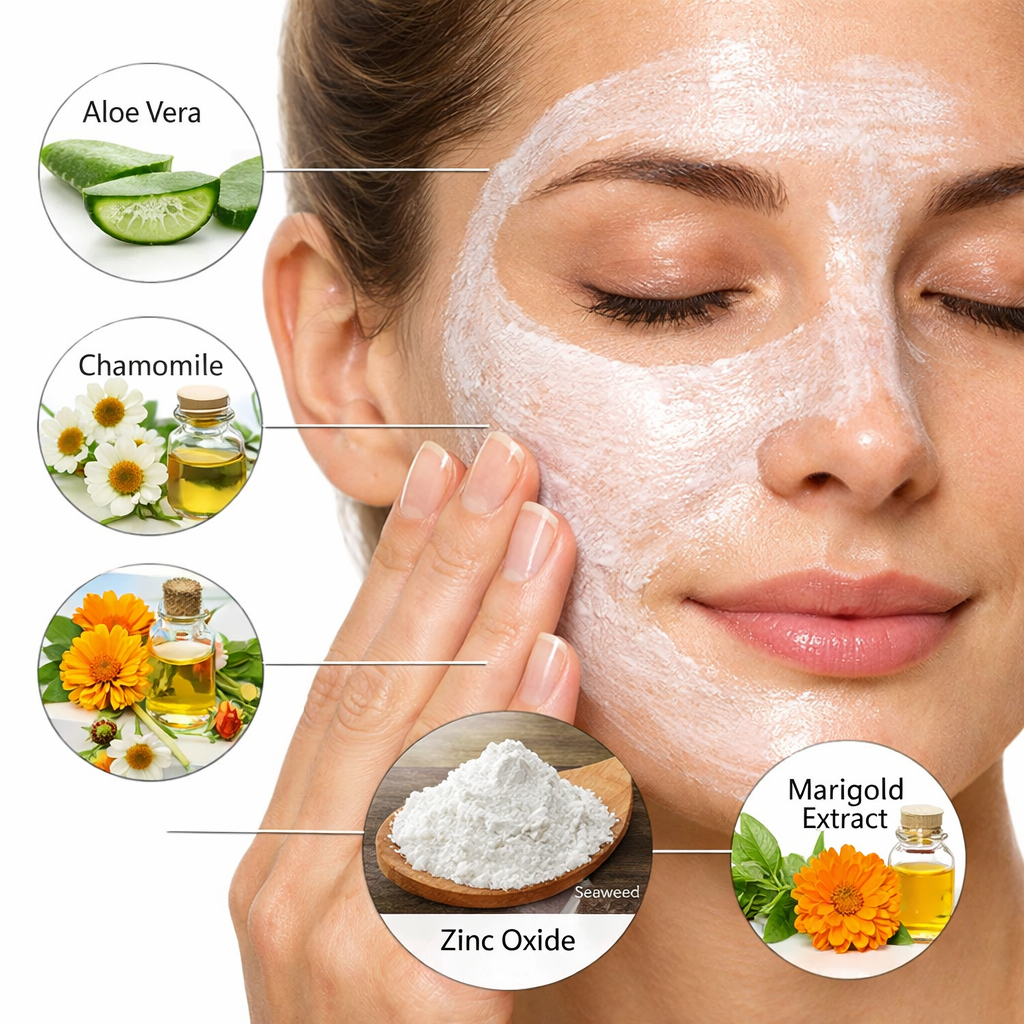
For a ready‑made option, see our Broad Spectrum Reef‑Safe Natural Sunscreen SPF30 that blends these ingredients.
Step 5: OM Botanical Integration, How our approach aligns with safe skin choices
At OM Botanical we built our reef‑safe facial sunscreen from the ground up. We start with food‑grade, non‑nano zinc oxide, then add cold‑pressed raspberry seed oil and sustainably sourced micro‑algae. The result is a SPF 30 formula that feels like a whisper on the skin, no chalky white film.
Our process follows Ayurvedic tri-doshic principles. We balance all three doshas, so Vata users get extra moisture, Pitta users get cooling relief, and Kapha users get a lightweight finish.
Because we avoid synthetic preservatives, fragrances, and any ingredient that could disturb the microbiome, the sunscreen works well for sensitive, reactive skin. It’s also packaged in a recyclable, biodegradable tube to keep plastic out of the ocean.
Bottom line: Our plant‑based, non‑nano zinc sunscreen meets every reef‑safe and skin‑health criterion you need.
Learn more about our full sunscreen line in the Travel Size Reef‑Safe Sunscreen SPF30 page.
FAQ
Is reef‑safe sunscreen really better for my skin?
Yes. Reef‑safe sunscreens usually rely on mineral filters like zinc oxide that sit on the skin’s surface instead of being absorbed. This reduces the chance of irritation, especially for sensitive or acne‑prone skin. Minerals also don’t disrupt the skin’s microbiome, so you keep the natural bacterial balance that supports barrier health.
What does “non‑nano” mean and why does it matter?
“Non‑nano” means the particles are larger than 100 nm. Larger particles can’t slip through the skin’s outer layer, so they stay where they belong, reflecting UV light. They also won’t dissolve into seawater, keeping coral reefs safe from particle‑level toxicity.
How can I tell if a sunscreen is truly reef‑safe?
Look for a clear ingredient list that only includes zinc oxide, and check that the label says “non‑nano.” Avoid any mention of oxybenzone, octinoxate, or other chemical UV filters. A reputable brand will also state “reef‑safe” on the back of the package.
Can I use mineral sunscreen on a daily commute?
Absolutely. A broad‑spectrum SPF 30 mineral sunscreen protects you from everyday UV exposure, even on cloudy days. Apply a pea‑size amount to your face and neck, and reapply after sweating or swimming. It works under makeup and won’t clog pores.
What about people with very oily skin?
Choose a lightweight, matte mineral formula that contains non‑comedogenic oils like raspberry seed. These mimic the skin’s natural sebum, keeping shine under control without blocking pores. Our OM Botanical blend uses raspberry seed oil to balance oil production while still offering reef safety.
How often should I reapply my sunscreen?
Reapply every two hours, or sooner if you sweat, swim, or towel‑dry. Even the best mineral sunscreen loses coverage when it’s rubbed off. A quick spray of hydrating mist can help you refresh without disrupting the protective film.
Conclusion
Choosing a reef‑safe sunscreen for your face doesn’t have to be a guessing game. Focus on non‑nano zinc oxide, a clear “reef‑safe” label, and plant‑based botanicals that respect your skin’s dosha and microbiome. Skip the chemicals that harm coral reefs and irritate sensitive skin. When you pair science with Ayurvedic wisdom, you get a formula that protects you, the planet, and your skin’s natural balance.
If you want a ready‑made option that ticks every box, check out our How to Find the Best Sunscreen: No‑Nonsense Guide. It walks you through label reading, patch testing, and building a simple, reef‑safe routine you can trust.
Protect your skin. Protect the reefs. It’s a small step that makes a big splash.
Share