













Top 5 Microbiome‑Supportive Moisturizers for Eczema‑Prone Skin
Hook: If your moisturizer isn’t friendly to your skin’s microbiome, it may be doing more harm than good for eczema-prone skin. In 2026, a growing field of research ties healthy skin microbes to barrier repair and calmer irritation. This shortlist cuts through the hype and shows you five picks that actually support the skin’s natural balance. You’ll learn what to look for, how to use these products, and how to spot real microbiome support versus marketing talk. We’ll also share practical steps you can apply today, plus a simple way to test your skin’s response. By the end, you’ll know how to choose a microbiome supportive moisturizer for eczema prone skin with confidence. Read on to see the five options and how they fit into a balanced routine.
As you read, you’ll see real guidance woven with evidence-based notes. You’ll also find practical tips, quick tests, and clear how-to guidance so you can move from guesswork to a plan that respects your skin’s microbiome. And if you want deeper context on the microbiome and skin barrier, you can explore our guide below through the internal links as you go.
1. OM Botanical Microbiome Rescue Moisturizer , Our Pick for eczema-prone skin
This pick represents our core idea: a moisturizer designed around microbiome support, barrier care, and plant-based purity. The formula emphasizes food-grade, plant-based ingredients, whole-herb extracts, and cold-pressed oils. It’s vegan and cruelty-free, and it’s aimed at helping your skin keep its barrier intact while feeding the friendly microbes that live on the surface. The approach mirrors Ayurvedic balance with modern biology, so you’re not just masking dryness, you’re supporting your skin’s natural ecology. In practice, this moisturizer layers well under sunscreen or a light serum and can be used both day and night for consistent moisture without heavy occlusives that can feel suffocating to reactive skin. How to Choose a Microbiome Friendly Moisturizer That Supports Your Skin’s Health offers deeper criteria if you want a quick check before buying. For a broader science view on microbiome responses to targeted moisturizers, see the importance of a healthy skin microbiome.
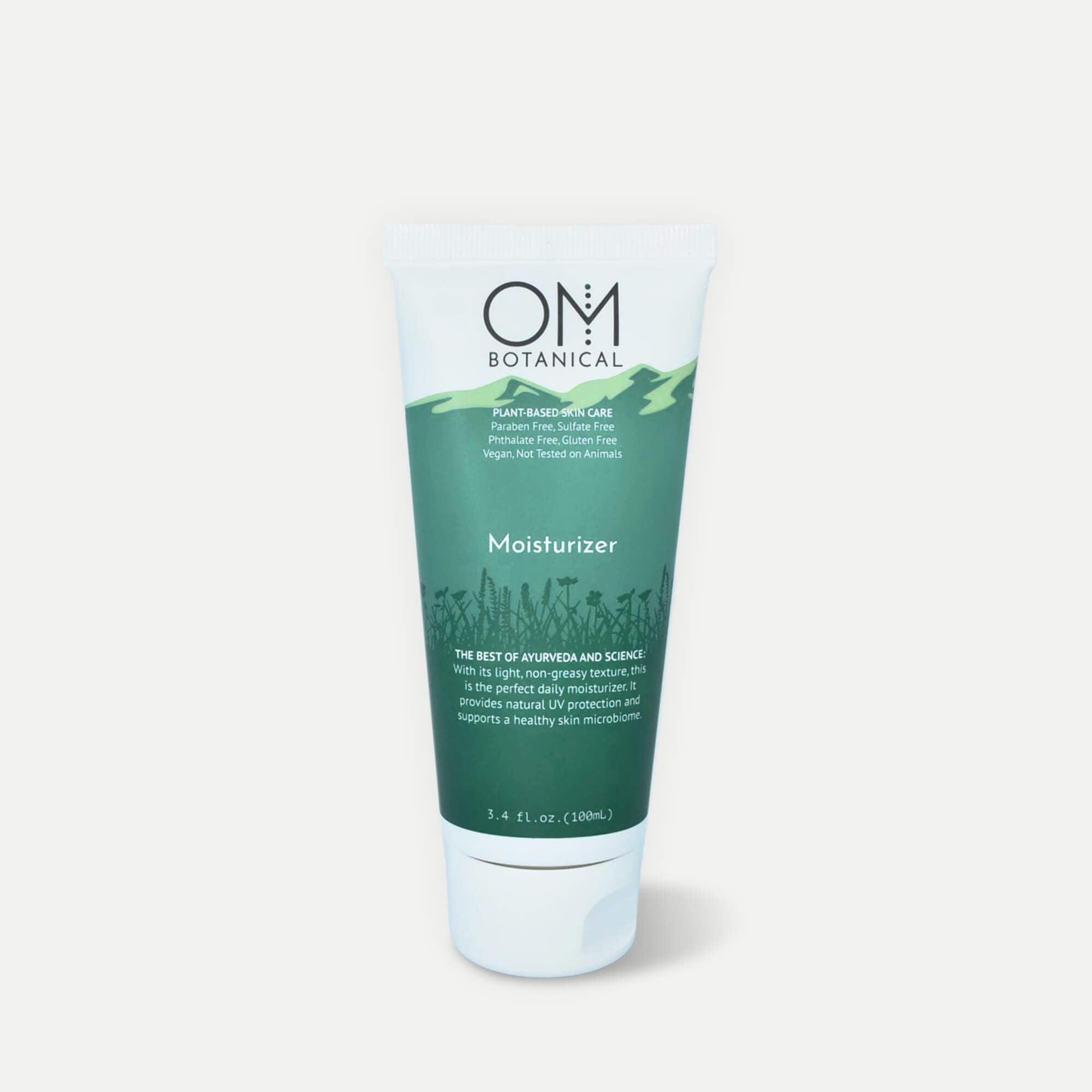
The product’s broad plant‑based base aligns with the idea that microbiome health comes from feeding good bacteria rather than overriding the skin with harsh additives. This is a perfect example of microbiome‑friendly skincare that can improve microbial diversity while maintaining barrier integrity. In simple terms, you’re not just hydrating; you’re inviting your skin’s good microbes to do their job. Research also notes that products with clear microbiome‑support claims can be more reliable than entry-level hype, making this pick a practical starting point for eczema‑prone skin. PMCID: 10301930 (microbiome moisturizer study) provides context on how targeted formulas can influence microbial richness.
Bottom line: this pick shows how a microbiome‑aware base can anchor a simple routine without sacrificing skin barrier health. Bottom line: A microbiome‑forward base, paired with barrier‑supporting actives, is a strong start for eczema‑prone skin.
Bottom line: The OM Botanical pick provides a practical, microbiome‑friendly foundation for eczema‑prone skin and a straightforward baseline for your routine.
2. Ceramide-Backed Barrier Cream , Deep moisture for compromised skin
Ceramides are the brick and mortar of a healthy skin barrier. This type of moisturizer focuses on restoring lipid layers that keep transepidermal water loss in check and support resilience against irritants. For eczema-prone skin, a ceramide‑rich formula helps rebuild the barrier’s thickness and integrity. In practical terms, you’ll feel a smoother surface after application, and you’ll likely notice reduced itch and less flare when used consistently. To work well with a microbiome‑friendly base, look for a ceramide blend that includes free fatty acids and cholesterol in balanced ratios, so the product doesn’t feel heavy or greasy on sensitive skin. A practical approach is to layer a ceramide cream over a lighter microbiome‑friendly base in dry climates or during winter months. For a broader look at barrier repair science, see our article on the best skincare brand guidelines that integrate science and Ayurveda. And for readers who want a direct, science‑backed read on barrier biology, a recent review highlights how ceramides contribute to barrier function and redress inflammation pathways in eczema.
Bottom line: Ceramide‑backed creams help repair the barrier with targeted lipids while staying compatible with microbiome‑friendly bases, making them a solid second option for eczema‑prone skin.
Bottom line: A ceramide‑rich barrier cream can deepen moisture retention and support eczema‑prone skin when used with a microbiome‑friendly base.
Bottom line: Ceramide‑backed barrier creams offer deep moisture and barrier repair that work in harmony with microbiome‑friendly formulas.
3. Probiotic-Infused Moisturizer , Microbiome balance in a bottle
Probiotics in skincare aim to introduce or support beneficial microbes on the skin. The idea is to balance dysbiosis and calm inflammation by feeding and stabilizing the microbiome. In eczema-prone skin, a probiotic‑infused moisturizer can be soothing, but it’s not a magic bullet. The best results come when probiotic actives are paired with prebiotics (fibers that feed good bacteria) and barrier-supporting humectants. In a clinical sense, probiotics in topical formulas can modulate local immune responses and reduce oxidative stress when used consistently with a gentle base. When evaluating these products, note the type of probiotic or postbiotic used, the concentration, and whether the plan includes prebiotic ingredients to sustain the microbes. For more context on how topical microbiome strategies intersect with eczema management, you can review peer‑reviewed work that documents microbial shifts with targeted moisturizers.
In practice, aim for a lightweight cream with a clean, fragrance-free base, gentle humectants, and a clear labeling of microbiome‑related claims. A good rule of thumb is to steer clear of heavy fragrances and synthetic irritants, which can upset the microbial balance. This option is a strong third pick for those who want to introduce probiotic concepts into their routine without overloading the skin with actives at once. A balanced approach, prebiotics, humectants, and breathable emollients, tends to deliver better long-term results than a single‑ingredient probiotic product.
"A probiotic moisturizer can help restore balance, but it must be paired with a gentle base to be effective."
Bottom line: Probiotic‑infused moisturizers can help balance skin microbes when used with a microbiome‑friendly base and barrier-supporting ingredients.
4. Centella & Niacinamide Rich Cream , Antioxidant + barrier support
Centella asiatica and niacinamide are a classic combo for eczema‑prone skin. Centella helps calm inflammation and supports collagen synthesis, while niacinamide boosts barrier lipids and reduces redness. In microbiome‑friendly formulations, these actives pair well with plant-based humectants and non‑irritating oils. The goal is to reduce oxidative stress and support barrier resiliency, not to overwhelm the skin with new actives that could disrupt a fragile microbiome. When you compare options, look for centella and niacinamide at balanced concentrations and in formulas with fragrance‑free bases. As a quick science note, niacinamide is known to support ceramide production in the skin, which can reinforce barrier function. For a broader background on the microbiome and barrier interplay, see the literature on how antioxidant plant extracts influence inflammation pathways.
Bottom line: The Centella and niacinamide combo provides balanced barrier support and anti‑inflammatory benefits without upsetting the microbiome.
5. Baby & Child Microbiome Moisturizers , Gentle care for eczema‑prone kids
Kids deserve care that respects their delicate skin and growing microbiome. Baby and child moisturizers should be fragrance‑free, hypoallergenic, and free from harsh preservatives. In eczema‑prone children, these formulas can reduce itch and improve barrier resilience when applied regularly and gently. For families, a simple routine, cleansing with a gentle, microbiome‑friendly cleanser, then applying a light, breathable moisturizer, often yields the best outcomes. When choosing products for children, consider texture and ease of application. A light, non‑greasy cream is usually more tolerable for kids who dislike heavy layers. Supporting the family routine with calm, consistent products can reduce flare‑ups over time. To connect this to broader skin microbiome concepts, a general reference on healthy microbiomes can help families understand why gentle care matters.
Bottom line: For eczema‑prone kids, choose gentle, fragrance‑free moisturizers that support barrier health and the skin’s natural microbiome. A simple daily routine tends to deliver the best long‑term results.
FAQ (6, 8 questions, 80, 100 words each)
Q1: Is natural skincare really better for eczema-prone skin?
Natural skincare often emphasizes plant-based ingredients and fewer synthetic irritants, which can be gentler on sensitive skin. However, natural does not automatically mean safe for everyone. Look for products with transparent INCI lists, fragrance‑free formulas, and microbiome‑friendly ingredients. The goal is to support barrier health and microbial balance while avoiding irritants that can trigger flare‑ups. This approach aligns with evidence that microbiome‑friendly skincare can calm inflammation and support barrier repair when carefully chosen.
Q2: What ingredients damage skin microbiome?
Harsh surfactants, heavy fragrance compounds, and certain preservatives can disrupt the skin’s microbial balance. Look for formulas that avoid sulfates and artificial fragrances. Prebiotics and postbiotics can feed and support beneficial bacteria; however, the overall formulation should be gentle and non‑irritating to avoid dysbiosis. Real microbiome‑friendly care balances cleansing with hydration and barrier support, not harsh stripping actions.
Q3: Can you repair skin barrier naturally?
Yes. Barrier repair comes from a mix of humectants, lipids (like ceramides), and soothing botanicals. A steady routine with a microbiome‑friendly base helps restore moisture retention and reduces inflammation. It’s not about a quick fix but about a consistent, gentle approach. Over weeks to months, you can see fewer flare‑ups and more resilient skin as the barrier rebuilds and the microbiome rebalances.
Q4: Do microbiome‑friendly moisturizers work with babies?
Many are designed for sensitive skin and children. When choosing for babies, prioritize fragrance‑free, hypoallergenic formulas with a simple ingredient list. Patch‑test first on a small area. If any irritation occurs, revert to a more basic option and reintroduce actives slowly. Consistency over novelty helps a baby’s skin and microbiome establish a stable, balanced baseline.
Q5: How should I layer microbiome‑friendly products with actives?
Keep it simple. Start with a gentle cleanser, then a microbiome‑friendly moisturizer, and only add actives one at a time. If you use vitamin C or peptides, apply them in separate steps and watch for signs of irritation. In eczema‑prone skin, less is often more. The key is to preserve barrier health and microbial balance while layering actives carefully.
Q6: Are fragrance‑free products always best for eczema?
Fragrance‑free options reduce irritation risk, but fragrance‑free does not guarantee safety for everyone. Always check the INCI list for potential irritants. Some people tolerate ultra‑maintained fragrance‑free formulations, while others may still react to trace compounds. Patch tests and a gradual introduction help you map what works for your unique skin. The goal is a calm, balanced baseline.
Bottom line: A gentle, fragrance‑free, microbiome‑friendly routine with barrier‑supporting actives is a practical path for eczema‑prone skin, including kids.
Conclusion
Choosing a microbiome supportive moisturizer for eczema prone skin isn’t about chasing the latest trend. It’s about balance. Look for a base that feeds your skin’s good bacteria, supports barrier repair, and avoids irritants. The five picks above illustrate a spectrum, from an army of plant‑based microbiome allies to barrier‑first ceramides, probiotics, centella with niacinamide, and family‑friendly options. The core idea stays the same: moisturizers should feel like a gentle hug that keeps the barrier intact and the microbiome intact. When you test products, be patient, keep notes, and stick to ingredients you can read and understand. For deeper context on how to evaluate microbiome claims, to reading labels and spotting greenwashing, you can also explore broader discussions of microbiome‑friendly skincare and how it connects to asthma, eczema, and skin health. If you want to dive deeper, learn how to read a skincare ingredient label like a scientist.
And if you’re ready to take the next step, start with one microbiome‑friendly moisturizer and one simple cleanser. Track how your skin responds over 4, 6 weeks, noting changes in dryness, itch, and redness. Small, steady wins build a strong foundation for eczema‑prone skin. For ongoing education that blends Ayurveda and modern science, keep following our content and use the internal resources linked throughout this guide to expand your understanding.
Bottom line: Your skin’s microbiome matters, and a thoughtful, balanced moisturizer routine can support barrier health and calm eczema over time.
Share
Hi my grandson 2 years in June has horrible excema and on a dupixent injection every month. What product do you recommend I purchase I only see moisturizer for baby’s and the cream for excema prone skin for adults. Thank you