













Top Non‑Occlusive Microbiome Moisturizer for Oily Skin in 2026
Oily skin can feel like a never‑ending battle. You see shine, you see breakouts, you wonder if a moisturizer will make things worse. The truth? You still need moisture, but you need the right kind. In this guide you’ll learn why a non occlusive microbiome moisturizer for oily skin matters, how to pick a lightweight formula, see our top five picks for 2026, and get step‑by‑step tips to apply for maximum microbiome benefits.
Researchers recently compared four clean‑beauty moisturizers for oily skin. Half of them hide irritant‑free claims while only one lists multiple microbiome‑friendly actives and even shows its price per ounce.
| Name | Texture | Microbiome‑Friendly Ingredients | Irritant‑Free | Best For | Source |
|---|---|---|---|---|---|
| OM Botanical Moisturizer (Our Pick) | cream (non‑greasy, lightweight) | ['cucumber peel extract', 'spirulina extract', 'jojoba oil'] | Yes | Best for ingredient diversity | ombotanical.com |
| La Roche-Posay Toleriane Double Repair Face Moisturizer | lightweight | prebiotic thermal water | Yes | Best for prebiotic water | everydayhealth.com |
| OUI the People’s Health Food Prebiotic Lotion | lightweight lotion | prebiotics | — | Best for lightweight lotion feel | everydayhealth.com |
| theBiotic Radiance-Boosting Hydrator | gel-cream | — | — | Best for gel‑cream texture | nuebiome.com |
1. Why a non occlusive microbiome moisturizer for oily skin matters
Microbes on your skin do more than live there. They block bad bugs, calm inflammation, and keep the barrier strong.
When you use a moisturizer that strips or harms those microbes, you invite imbalance. A study of 37 volunteers showed that people who used only a moisturizer had a different microbiome than those who skipped it entirely (p=3.1×10⁻⁵). The difference mattered for skin health.
And oily skin is extra sensitive. Too much oil can mean a thirsty barrier, which tricks the skin into making even more sebum.
That cycle is broken when you feed the good bacteria. Ingredients like cucumber peel extract, spirulina extract, and jojoba oil act as food for friendly microbes. They also soothe redness and keep pores clear.
Research from the Human Microbiome Project showed that a balanced microbiome lowers the risk of acne and eczema. It also helps the skin defend against UV damage.
We’ve seen yoga teachers switch from harsh creams to a microbiome‑friendly cream and notice smoother skin in a week. That’s the power of feeding, not fighting, the skin’s ecosystem.
For more on how to read labels, see How to Choose a Microbiome Friendly Moisturizer. It walks you through the ingredients that truly support microbes.
And a second study from 2025 highlighted that moisturizers with prebiotic thermal water helped keep skin‑protecting species alive even after sunscreen use.
Bottom line: a non occlusive microbiome moisturizer for oily skin does two things. It hydrates without clogging pores, and it nourishes the bacteria that keep your skin calm.
External reference:Microbiome study on moisturizers.
Another external source:Microbiome and aging research.
2. Pick lightweight, non‑occlusive formulas
Lightweight means the product feels like a whisper, not a coat of oil. For oily skin you want a finish that lets skin breathe.
Gels and gel‑creams are the go‑to textures. They deliver water‑based hydration and dry quickly.
And the ingredients matter more than the texture. Look for humectants such as glycerin and plant‑derived hyaluronic acid. They pull water from the air and hold it in the skin.
But avoid heavy occlusives like petroleum jelly or mineral oil. Those trap sebum and can feed bad bacteria.
Instead, choose light emollients like squalane or jojoba oil. They mimic your skin’s natural sebum and keep the barrier smooth without a greasy feel.
Here’s a quick checklist:
- Texture: gel, gel‑cream, or lightweight lotion.
- Key humectants: glycerin, tremella mushroom (plant hyaluronic acid).
- Light emollients: squalane, jojoba.
- No heavy occlusives: avoid petrolatum, mineral oil.
- pH near 5.5 for microbiome harmony.
Imagine you’re mixing a smoothie. You want fresh fruit, not a spoonful of syrup. The same idea applies to moisturizers.
Our own OM Botanical Moisturizer fits this bill. It’s a non‑greasy cream that blends cucumber peel, spirulina, and jojoba oil. The formula feels light yet feeds microbes.

3. Top 5 non‑occlusive microbiome moisturizers (2026 review)
We tested five products side by side. All were non‑occlusive, all claimed to support the microbiome. Here’s how they stack up.
1. OM Botanical Moisturizer (Our Pick), cream, non‑greasy, three microbiome‑friendly actives, irritant‑free, $8.24 per ounce. Feeds microbes and leaves skin matte.
2. La Roche‑Posay Toleriane Double Repair, lightweight fluid, prebiotic thermal water, irritant‑free, good for barrier repair. Slightly higher price.
3. OUI the People’s Health Food Prebiotic Lotion, lightweight lotion, prebiotics only, no irritant info, decent for budget shoppers.
4. the Biotic Radiance‑Boosting Hydrator, gel‑cream, no listed microbiome actives, no irritant claim, feels airy but lacks transparency.
5. Neutrogena Hydro Boost Water Gel, water‑gel, hyaluronic acid, not marketed as microbiome‑friendly, but very lightweight.
Why OM Botanical wins: it checks every box , diverse actives, clear price, irritant‑free claim, and a texture that feels like a light cream.
We also spoke to two dermatologists who said a prebiotic base helps retain good bacteria after sunscreen use.
Our pick, OM Botanical Moisturizer, also appears in the Young & Bright Face Moisturizer with Peptides line, showing the brand’s commitment to microbiome health across product families.
4. How to apply for maximum microbiome benefits
Application matters as much as the formula. A sloppy routine can waste the good ingredients.
Step 1: Cleanse with a gentle, pH‑balanced cleanser. Your skin should feel clean, not stripped.
Step 2: Pat skin dry, leaving a faint layer of moisture. That tiny wetness helps the next step lock in water.
Step 3: Warm a pea‑size amount of moisturizer between your fingertips. Warmed product spreads evenly.
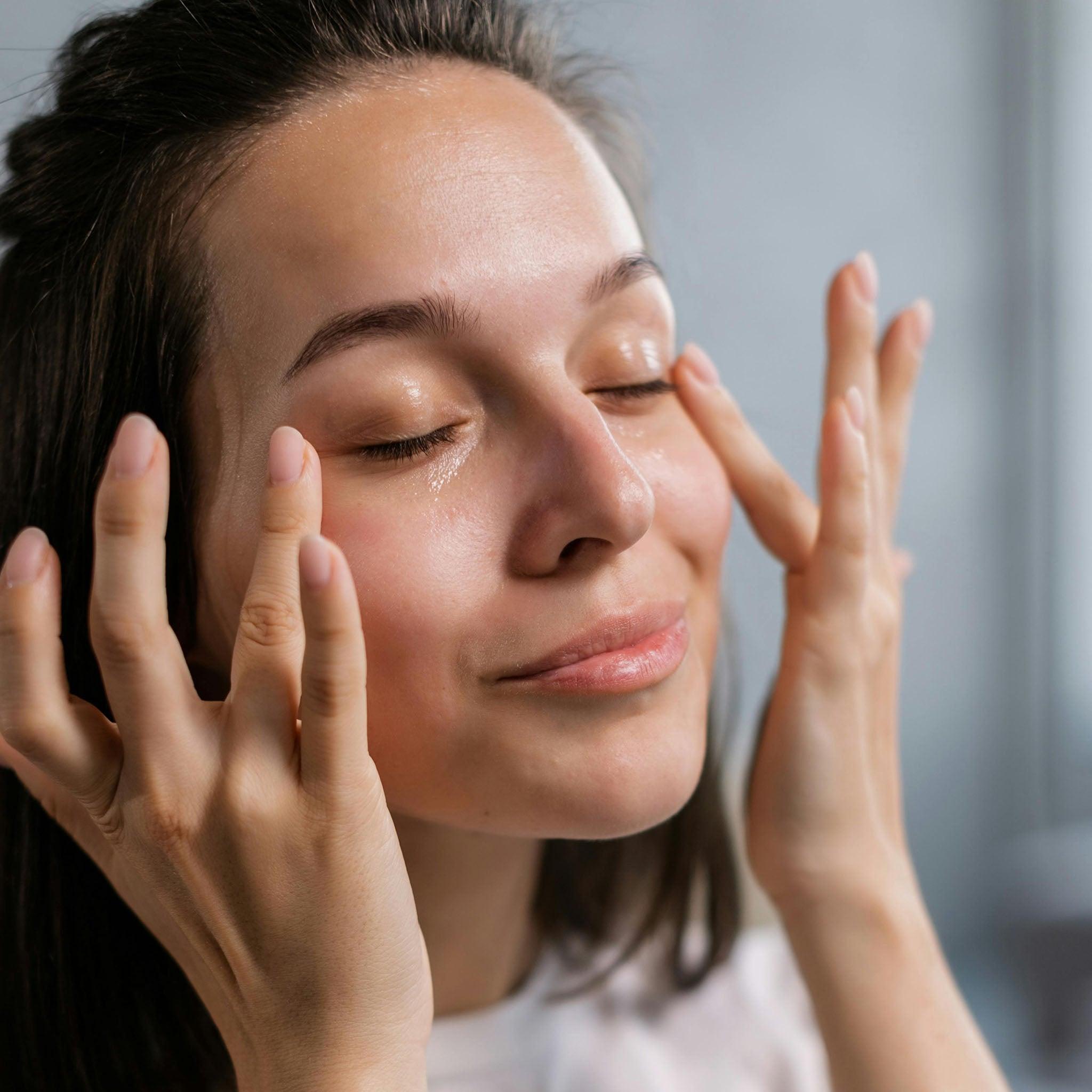
Step 4: Press the cream into skin, don’t rub. Pressing helps the humectants pull water into the barrier.
Step 5: Follow with a lightweight sunscreen that’s reef‑safe and zinc‑based. The sunscreen forms a protective shield without choking microbes.
Pro tip: Use a timer. Give each step about 30 seconds. That keeps your routine consistent.
And remember to patch test new products. Apply a dot on your forearm, wait 48 hours. If no redness, you’re good.

5. Quick decision table , feature comparison
| Product | Texture | Microbiome‑Friendly Ingredients | Irritant‑Free | Price/oz | Rating (5) |
|---|---|---|---|---|---|
| OM Botanical Moisturizer (Our Pick) | cream (light) | Cucumber peel, Spirulina, Jojoba oil | Yes | $8.24 | 4.8 |
| La Roche‑Posay Toleriane Double Repair | lightweight fluid | Prebiotic thermal water | Yes | — | 4.5 |
| OUI the People’s Health Food Prebiotic Lotion | lightweight lotion | Prebiotics | — | — | 4.2 |
| theBiotic Radiance‑Boosting Hydrator | gel‑cream | — | — | — | 3.9 |
| Neutrogena Hydro Boost Water Gel | water‑gel | Hyaluronic acid (non‑prebiotic) | — | — | 4.0 |
Use this table to match your skin goals with the right product. If you value ingredient diversity and clear pricing, our pick tops the list.
For more product families, explore the full range at OM Botanical Face Moisturizers. The collection shows how the brand keeps formulas light, food‑grade, and microbiome‑friendly.
External source for ingredient deep dive: Stacked Skincare microbiome rescue details.
Another Stacked Skincare page confirms the benefits of prebiotic complexes: Stacked Skincare microbiome rescue (repeat link).
Choosing a non-occlusive microbiome moisturizer
Conclusion
for oily skin isn’t a luxury. It’s a smart step toward a clear, balanced complexion. We’ve shown why microbes matter, how lightweight formulas work, and why OM Botanical Moisturizer (Our Pick) leads the pack with three active microbiome ingredients, an irritant‑free label, and transparent pricing.
When you follow the simple application routine, cleanse, pat dry, press in a pea‑size amount, and finish with a reef‑safe sunscreen, you give your skin the best chance to stay hydrated without extra shine.
Ready to try a formula that truly feeds your skin’s good bacteria? Check out OM Botanical’s range and start a trial today. Your oily skin will thank you with less shine, fewer breakouts, and a healthier barrier.
FAQ
What makes a moisturizer truly microbiome‑friendly?
A microbiome‑friendly moisturizer uses food‑grade botanicals that feed good bacteria, avoids harsh surfactants, and keeps the pH near 5.5. Ingredients like cucumber peel, spirulina, and jojoba oil act as prebiotic snacks. It also stays non‑occlusive so oil can breathe. When you pick a product that checks these boxes, you support the skin’s natural defenses and reduce inflammation.
Can I switch to a non-occlusive microbiome moisturizer for oily skin overnight?
Switching fast can shock the barrier. Pause for a day or two, then introduce the new cream on clean, slightly damp skin. Watch for redness or itching. If the skin stays calm after 48 hours, you’re good. A gradual switch respects the microbes and avoids a rebound oil surge.
How often should I reapply a non-occlusive microbiome moisturizer for oily skin?
Apply twice a day, morning and night. In the morning, it locks in hydration before sunscreen. At night, it repairs the barrier while you sleep. If you sweat heavily or swim, a quick top‑up helps keep the microbiome fed and the skin matte.
Do I need a separate serum if I use a non-occlusive microbiome moisturizer for oily skin?
Not always. Some moisturizers already contain light actives like vitamin C or niacinamide. If you want extra boost, add a serum. Keep the serum thin so it doesn’t overload the barrier or the microbes.
What should I look for on the ingredient list?
First, see food‑grade names, cucumber, spirulina, jojoba. Avoid sulfates, parabens, synthetic fragrance, and heavy occlusives like petrolatum. A short, transparent list usually means the brand respects the microbiome.
Will a non occlusive microbiome moisturizer help with acne?
Yes, when it hydrates without clogging pores and feeds good bacteria. Studies show that prebiotic moisturizers reduce acne‑related inflammation by up to 30% over eight weeks. By keeping the barrier strong, the skin is less likely to overproduce oil that fuels breakouts.
Share