


















The Power of Jojoba Oil for Skin: Ceramides and More

Key Highlights
Jojoba oil benefits begin with long-lasting moisture. This natural liquid wax helps stop water from leaving your skin and keeps your skin barrier strong.
Its blend of fatty acids and ceramides helps when you have dry skin, flakes, or rough spots.
Pure jojoba oil is great to use as a gentle makeup remover. You can also use it as an ideal carrier oil for essential oils.
Since it is much like human oil, it balances the skin without blocking your pores.
Organic jojoba oil, like cold pressed golden oil, keeps more of its antioxidant properties and has more natural vitamin e.
People with sensitive, dry, or acne-prone skin often like it because it feels calm and not greasy.
Introduction
Jojoba oil is one of the few things that stays in your skin care routine for good. This natural oil gives your skin water, feels nice and keeps it safe without being too thick. It is not like most plant oils. It acts more like a smart helper for healthy skin. If you want your face to have more good oils, keep water in, and an easy way to look after your skin every day, you should look at jojoba oil.
Understanding Jojoba Oil: Nature’s Ceramide-Rich Skincare Ally
 Jojoba oil is often called nature’s multitasker, and it's easy to see why. It can give your skin moisture. At the same time, it helps defend against things that cause damage, like oxidative stress. It also helps your skin’s barrier look and feel stronger. You do not often find these benefits together in just one ingredient that is so simple to add to your routine.
Jojoba oil comes from Simmondsia chinensis, which is a tough plant that grows in North America. This oil has a special mix of fatty acids and things that protect your skin. The way it is made helps explain why people like to use jojoba oil. They use it when they want more soft skin, support for ceramides, and balance, but they do not want it to feel greasy or heavy.
What Makes Jojoba Oil Unique for Skin Health
What makes jojoba oil different is simple. It is not just any beauty oil. Jojoba oil is a natural liquid wax, so it has a unique way of feeling on your skin. This type of liquid wax does not stay on the surface and feel heavy. Instead, it gives your skin a light layer that helps hold in the moisture where you need it most.
Pure jojoba oil is also special because of what is inside. It has vitamin E, natural vitamin E compounds, and strong antioxidant properties. These work together to help your skin fight the daily oxidative stress that comes from things like sun exposure and pollution. This is one reason why jojoba oil benefits include more comfort, extra softness, and a smoother look for your skin.
Jojoba oil has another plus: it is a lot like your skin’s own sebum. Because of this, it can help your skin stay balanced, keep its stretch, and lower your chance of clogged pores. So if you want to know the top jojoba oil benefits for your skin care, here they are: great hydration, support for your skin’s barrier, antioxidant defense, and a calm, soft feel.
The Role of Ceramides in Skin Barrier Protection
Ceramides are protective lipids that help hold your skin barrier together. When that barrier is under stress, moisture escapes more easily and your face can feel dry, tight, or reactive. That is why ceramides matter so much in any discussion about resilient skin.
Cold pressed jojoba oil stands out because its fatty acids, wax esters, and antioxidant profile help support barrier repair while also reducing the effects of oxidative stress and sun damage. When the oil is cold pressed, more of those beneficial compounds remain intact.
Oil |
Barrier Support Focus |
Texture on Skin |
|---|---|---|
Jojoba oil |
Helps reduce water loss, supports ceramides function, offers antioxidant defense |
Light, wax-like, non-greasy |
Olive oil |
Contains beneficial fatty acids and helps soften dry areas |
Richer feel |
Argan oil |
Contains skin-nourishing vitamins and essential fatty acids |
Lightweight |
Marula oil |
May help with skin inflammation and damage prevention |
Silky, lighter feel |
Key Benefits of Jojoba Oil for the Face
 When you use jojoba oil on your face, it does more than just keep your skin soft. The vitamin E in it, along with its way of keeping moisture in, helps your skin feel good even when it is dry, the weather changes, or you feel stressed.
At the same time, the benefits of jojoba oil do not come with the heavy feeling that some other oils have. It can hydrate your skin, calm it, and help control shiny spots all at once. The next parts will show how these things work for you every day.
Harnessing Deep Hydration and Moisture Retention
Dry skin can make your face feel odd and tight. Jojoba oil can help with this. It acts as a skin moisturizer and pulls water toward the top part of your skin. It also keeps moisture from leaving your skin. This helps you have healthy skin if you want it.
The fatty acids in jojoba oil keep water in and stop it from drying out. Since it is close to the oil that comes from your own skin, it gives hydration without being too heavy. Because of that, jojoba oil is good if you have dryness or problems like skin irritation.
It helps pull water up to the skin’s top layer for more hydration.
It gives a light cover that keeps moisture from going away.
It makes rough, dry spots from dry skin and skin conditions feel softer.
You can use a few drops at night as the last step over serums or cream. This step can help your nighttime routine work better.
Calming Irritation and Redness Without Clogging Pores
If your skin gets upset easily, jojoba oil can be a good pick. People know it does not block pores and does not upset skin, so it is less likely to cause that heavy, sticky feeling from some other oils.
This is important for people with sensitive skin and those who worry about acne. Since jojoba oil acts like your skin’s own oil, it can settle visible problems instead of making them worse. Allergic reaction does not happen much, but you should still test it on your skin the first time you use jojoba oil.
It helps ease discomfort from dryness, eczema, psoriasis, and small skin swelling.
It keeps skin comfy without making your pores blocked or leaving the skin greasy.
It can help skin that gets acne stay calm and more steady.
So, is jojoba oil safe for sensitive skin or skin that gets acne? Most of the time, yes. Jojoba oil is gentle. Still, you should try a small test before you use jojoba oil on all of your skin.
How Cold Pressed Golden Jojoba Oil Nourishes Sensitive and Acne-Prone Skin
Not every jojoba oil is the same. Cold pressed golden jojoba oil holds on to more of the plant’s original antioxidant properties and natural nutrients. This is good if you deal with things like dryness, irritation, or visible congestion in your skin.
If you have acne-prone skin, this is important. You need something that will give nutrients but will not feel heavy or block your pores. You want support that helps your skin feel good without adding extra problems. Cold pressed golden jojoba oil gives you that. The next parts will show you why you can count on it.
Why Cold Pressing Preserves Potency and Purity
Cold pressing is important because heat can take away the things in jojoba oil that are good for your skin. When jojoba oil is made in a gentle way, it keeps more of its antioxidant properties and natural vitamin e. This means you get a purer oil with more power from the start.
That is why many experts say it is better to use organic jojoba oil in cold pressed form instead of ones that go through a lot of steps. If you are looking at different skincare products, this change can matter for both purity and how well it works, mostly when your skin needs something for barrier support and daily calm care.
Cold pressed oil keeps more plant antioxidants and helpful nutrients.
It gives you more purity because there is less done to the oil.
It fits well with a cleaner, more careful way to use non toxic skincare products.
Cold pressed jojoba oil often works better but does not feel heavy on your face. That is just what sensitive skin needs.
Minimizing Breakouts and Supporting Balanced Complexion
Breakouts often get worse when your skin is stripped, worked too much, or weighed down with a lot of products. Jojoba oil helps with all these things. It is a lot like the natural oil, or sebum, that your skin makes. This can let your skin know that it does not need to make more oil, which helps keep your look more even.
Jojoba oil also goes into hair follicles and spots where oil forms. It brings a kind of support that calms the skin and can cut back on swelling. This makes the spot where breakouts begin feel more at ease. Some people use jojoba oil as an easy spot treatment when they get mild acne or see dry skin after a breakout.
It helps cut down excess oil on the top of the skin by keeping a better balance with sebum.
It is not likely to block pores, unlike heavier oils.
It soothes red or sore spots and helps your skin heal once a mild breakout has ended.
So, will jojoba oil block your pores or lead to breakouts? Most of the time, no. For a lot of people, it does the opposite by making skin feel more steady and less likely to react.
Incorporating Jojoba Oil Into Your Daily Skincare Routine
The routines that are easy for you to follow are the ones you keep doing. That is one of the good things about jojoba oil. You can use jojoba oil as a last step, a mild cleanser, or as something you add to your other products in your skincare routine.
Jojoba oil fits well for use every day because you do not need to mix it with anything before putting it on your face. The next two parts tell you how to use it in the right way and how you can use it with serums, moisturizers, and essential oils.
Step-By-Step Guide for Facial Application
If you want to use jojoba oil on your face as part of a daily skin care routine, you should keep it simple. First, make sure your skin is clean. After that, use jojoba oil after any light products, like toners or serums. At night, it is good to have jojoba oil as the last step for moisture.
You can also use jojoba oil as a makeup remover. It is great for lifting oil-based dirt without being harsh. Its texture is wax-like, so people often use jojoba oil as a massage oil for the face, especially if your skin feels tight or tired.
Cleanse your skin first, or you can use jojoba oil itself as a gentle makeup remover.
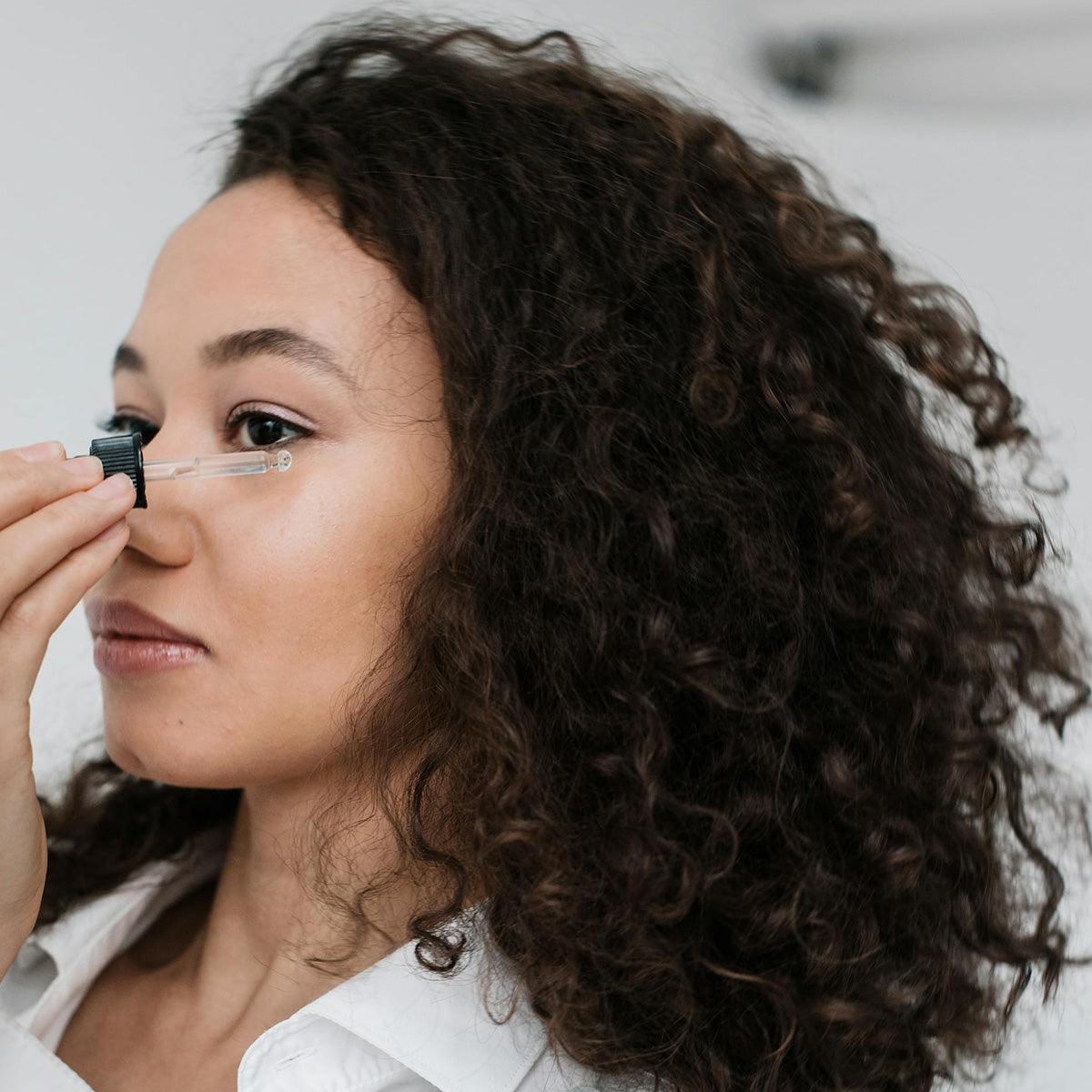
Warm 2 to 4 drops of jojoba oil between your hands.
Press and gently massage the oil onto slightly damp skin.
Let it stay on your skin as the last step before you go to bed.
If it’s your first time with jojoba oil, do a patch test on your inner forearm. If you do not see any redness, itching, or hives after one day, you can feel better about using it more.
Layering Jojoba Oil With Other Products and Essential Oils
Jojoba oil is one of the easiest oils to use with other skincare products. It mixes well with other things and is gentle on the skin. You can put it on after toner, serum, or medicated cream as the last step. It seals in moisture. Its makeup lets it sit well over water-based skincare products without causing problems.
Jojoba oil is also a great carrier oil. You can use it as a base for essential oils when you put them on your skin. That is why you will find it in so many jojoba oil blends. It is gentle and also gives skin helpful care and support.
Layer it over a niacinamide serum or niacinamide serum for rosacea to cut back on dryness from active treatment.
Use it after a vitamin C serum or a natural anti aging serum to hold in more water for the skin.
Blend it with essential oils and use it when you want to make massage oil for special care.
These same ideas are good for plant based skincare products, microbiome friendly skincare, and for any routine that puts your comfort first.
Choosing the Best Jojoba Oil: What to Look For
When you pick jojoba oil, quality is very important. The best choice should be pure. It should go through very little processing. You also need to know where it comes from. These things matter more than a nice label. This tells you if you get real antioxidant help or just a simple moisturizer.
There are two things to look for: if the oil is organic jojoba oil and if it is cold pressed. The next parts talk about why these points change how well it works, how it feels, and what you get out of it over time.
Organic vs. Conventional Jojoba Oil: What Matters Most
If you want high-quality skin care, organic jojoba oil is often better than regular jojoba oil. This is because there are fewer chemicals and the way it's handled is more gentle. That can help make the oil cleaner. When your face feels stressed, every small thing can make a difference.
Where your jojoba oil comes from is also important. When it is grown with care, like by native family farms or with good planting methods, the quality can be even better. When you buy oil, you are also choosing how well that oil was made before it got to you.
Look for organic sources and clear labels on ingredients.
Pick brands that talk openly about purity and how they grow their jojoba oil.
Go for items that use sustainable nutrients and focus on healthy skin for the long term.
If you are searching for a good natural moisturizer for sensitive skin, or you want an organic face moisturizer, choosing jojoba oil from a trusted place is a great way to begin your skin care routine.
How to Identify High-Quality, Ceramide-Rich Oils
A good jojoba oil should look and feel like a top raw ingredient. It should not be a changed filler used in cosmetics. Most people pick cold pressed, golden oil. It is better than an oil that is too refined. Color, smell, and what is said on the label tell you a lot about it.
You have to see if the oil still has the compounds that keep your skin barrier strong and rich in ceramides. Look for words about purity, cold processing, and little refinement. These show that the product works well and is made right.
Check for the words “cold pressed,” “unrefined,” or “golden oil” on the label.
When you get pure jojoba oil, look for a simple formula or just one ingredient.
Pick brands that talk about antioxidant properties and good ways of getting their oil.
This checklist tells you what to keep in mind when picking high-quality jojoba oil for your skin. Start by checking purity, how it is made, and if the brand is clear with you.
OM Botanical’s Commitment: Integrating Ceramide-Rich, Cold Pressed Golden Jojoba Oil
OM Botanical cares a lot about the quality of its ingredients, and that matters when you pick skincare products for a stressed or sensitive face. The brand uses ceramide-rich, cold pressed golden jojoba oil for facial care. This fits what your skin truly needs. You get support for your skin's barrier, calm moisture, and a clean feel that is not greasy.
This matters even more if you are looking to build your skincare routine with plant-based options, microbiome-friendly skincare, or non toxic skincare products. Cold pressed golden jojoba oil works well with these choices. You can use it in a food grade skincare routine, as a natural face cleanser for sensitive skin, as a food grade face cleaner, or as an organic face moisturizer. It also works with things like a bakuchiol serum, niacinamide serum, or vitamin C serum for your face.
If you want good results for your sensitive skin, you will find that this way of using jojoba oil in your skincare products and routine can be a good fit.
Is jojoba oil natural?
Yes, jojoba oil is a natural substance derived from the seeds of the jojoba plant, primarily found in North America. Rich in vitamins and nutrients, it closely resembles human sebum, making it an excellent moisturizer for skin. Its natural properties make it ideal for various skin care applications.
Ingredient Highlight: The Power Behind OM Botanical’s Skincare Line
At OM Botanical, cold pressed golden jojoba oil is not just a trend. It is a key ingredient in their products. This oil helps support ceramides. It helps keep skin moist and strong. It also protects the skin from sun and stress caused by the world around us. That makes it a smart choice for face products that work gently and do not cause problems.
This idea works well if you already use mild skincare. You can use formulas with a lot of jojoba with a bakuchiol serum for sensitive skin. You can use it with a niacinamide serum for rosacea, a tremella mushroom serum, a gotu kola face cream, or gotu kola cream for wrinkles. The aim is not to use too much. The aim is to use products that work well together.
OM Botanical uses jojoba oil to help calm dry skin and make the skin barrier stronger in facial skincare.
Its antioxidant properties help skin deal with stress, dryness, and sun exposure day by day.
This ingredient works well with clean, plant-based routines for healthy skin.
This way of caring can go past the face. It suits Ayurvedic skincare products. You can find it in natural exfoliating face cleanser choices, reef safe sunscreen, non-nano zinc oxide sunscreen, mineral sunscreen for sensitive skin, natural sunscreen for face, plant-based sunscreen, natural body lotion for dry skin, magnesium body lotion, magnesium lotion for sore muscles, sulfate free natural shampoo, shikakai Ayurvedic shampoo, Conditioner and styling gel and more.
Conclusion
Adding ceramide-rich, cold pressed golden Jojoba oil to your skincare routine can really help your skin look better and feel good. This oil keeps your skin moist. It makes the skin barrier strong. It can soothe irritation and cut down on breakouts. OM Botanical gives you skincare products that use the full power of jojoba oil. You get these benefits with every use.
When you pick skincare products with this natural ingredient, you help your skin stay balanced and bright. Now is a good time to start using jojoba oil. Lift your skincare routine and see how good your skin can be.
Share